
Reviewed · ELEPHANT SANCTUARY TOURS
Samui:Elephant Jungle experience & The First Elephant Museum
Elephants teach you to slow down. This three-hour visit combines Thailand’s elephant heritage with a quiet forest walk, giving you more than a quick photo stop. I like the thoughtful museum, which explains the bond between elephants and Thai culture, and the respectful approach to rescued animals roaming freely. The seed-bomb activity also gives the visit a useful conservation purpose.
The main consideration is time. One hour goes to the museum, safety briefing, and educational talk, leaving about 90 minutes outdoors. If you want to spend most of your day watching elephants, this may feel short. The program also limits touching, although you may have a chance to offer food under staff guidance.
In This Review
- Key points before you book
- Why the museum belongs in an elephant visit
- The first hour: arrival, orientation, and safety
- Meeting elephants in the forest
- Food, nutrition, and the feeding encounter
- Making seed bombs for the forest
- How the elephants cool down in Koh Samui’s heat
- Is $64 a fair price?
- Who will enjoy this experience most?
- Should you book Samui Elephant Home?
- FAQ
- How long does the Samui Elephant Home experience last?
- Is hotel pickup included?
- What language is the tour conducted in?
- Does the experience include feeding the elephants?
- Can you touch the elephants?
- Does the tour include an elephant mud bath?
- What should you bring?
- Is the activity wheelchair accessible?
- Can you cancel the booking?
Key points before you book
- The museum comes first: Expect Thai elephant history, cultural displays, storytelling, and an introduction to ethical care.
- Nine rescued elephants call the sanctuary home: The group includes eight adult females and one young male elephant, according to the information shared during visits.
- The outdoor viewing is mostly hands-off: You watch elephants forage and move through the forest, with contact kept limited for their welfare.
- Seed bombs support future food supplies: You use clay and native seeds, then launch them with a traditional slingshot.
- Guides make a real difference: Angie, Katy, Katie, Noot, and Kathy have received particular praise for clear explanations and warm care.
- Plan for Koh Samui’s heat: Comfortable shoes, a hat, sunscreen, water, and insect repellent will make the outing much easier.
Why the museum belongs in an elephant visit
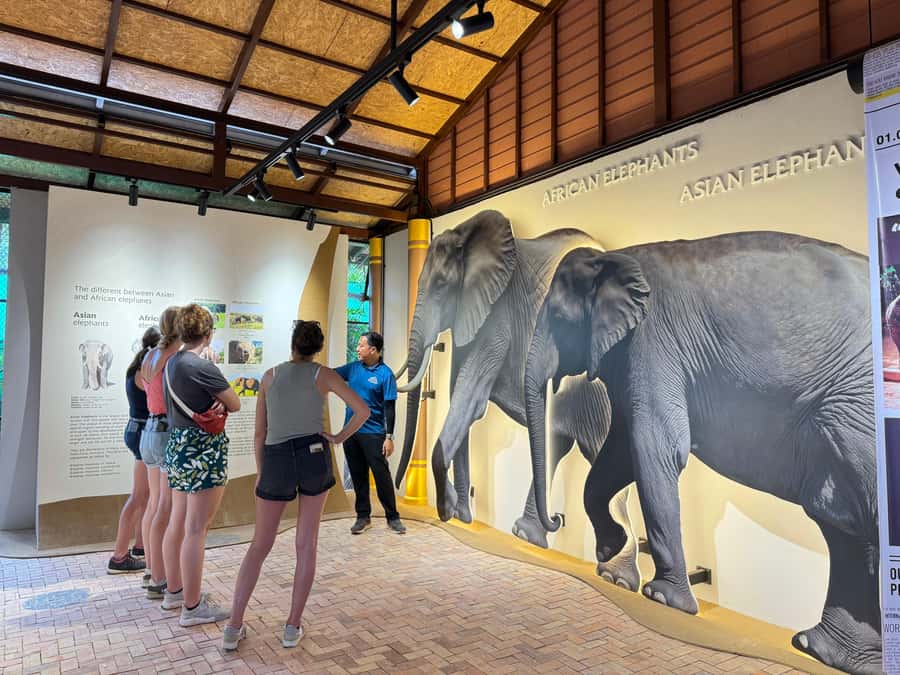
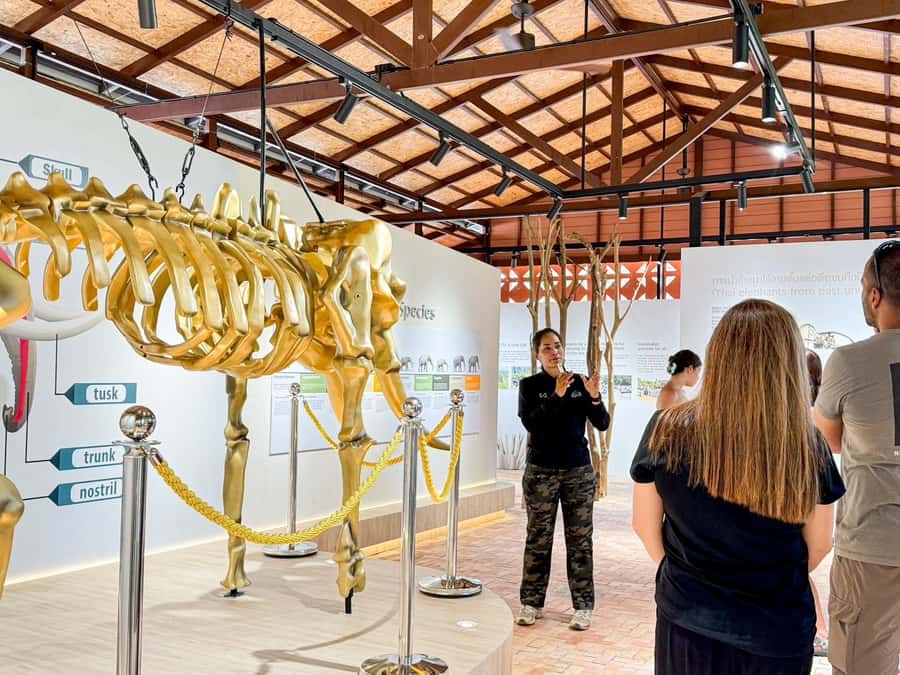
Many elephant outings rush straight to feeding time. Samui Elephant Home takes a different route. You begin inside Samui’s first Elephant Museum, where the focus is on the animal’s place in Thai life, spirituality, work, and national identity.
That opening matters. It helps you see the elephants as more than friendly faces with trunks reaching for bananas. The displays and stories explain how elephants have shaped Thailand’s past and why their welfare remains an important issue today.
The museum visit and guided class take about an hour. You receive a safety briefing, learn how the sanctuary operates, and hear about the difficult lives some rescued elephants experienced before arriving here. A guide such as Angie or Kathy can make this part especially useful, since the educational value depends heavily on how clearly the information is explained.
I would pay attention even if you have visited elephant sanctuaries elsewhere. The museum gives the experience a cultural frame, not just an animal encounter. You leave with a better sense of why elephants matter in Thailand and why responsible care cannot be reduced to feeding and touching.
The drawback is easy to understand. If your priority is outdoor viewing, an hour indoors may feel long. One visitor wanted less museum and classroom time, and more time following elephants in the forest. Families with young children should also consider how well they handle a guided educational session before the outdoor portion begins.
More Elephant Sanctuary Tours in Koh Samui
- Koh Samui: Elephant Sanctuary Entry and Feeding Experience
★ 4.7 · 1,446 reviews - Samui: Elephant Nutrition and Care Education Experience
★ 4.9 · 1,223 reviews - Koh Samui: Elephant Sanctuary and Jungle Tour with Lunch
★ 4.7 · 1,328 reviews
The first hour: arrival, orientation, and safety
Roundtrip hotel transfer around Koh Samui is included. Pickup instructions ask you to wait in your hotel lobby for about 15 minutes around the stated pickup time, so do not wander off to find coffee at the last minute. The exact schedule depends on availability when you book.
On arrival, you receive a welcome drink and begin the guided program. The safety briefing is not filler. Elephants are large, strong animals, and even a calm one can move suddenly. You will learn how to behave around them, where to stand, and why giving them room is part of ethical care.
The setting around the museum and camp has been described as clean, green, and home-like. That detail is worth noting because the condition of the grounds gives you an early clue about how seriously the center treats daily care.
The tour is conducted in English with a live guide. Several people have singled out Angie for her clear English, patience, and concern for visitor comfort. Noot, Katy, Katie, and Kathy have also received praise for explaining elephant behavior and conservation in an engaging way.
One useful detail came from a visit during hot weather. When a guest felt unwell, the guide provided fans and extra water without being asked. You should still look after yourself, but it is reassuring to know that staff appear alert to heat-related discomfort.
Meeting elephants in the forest
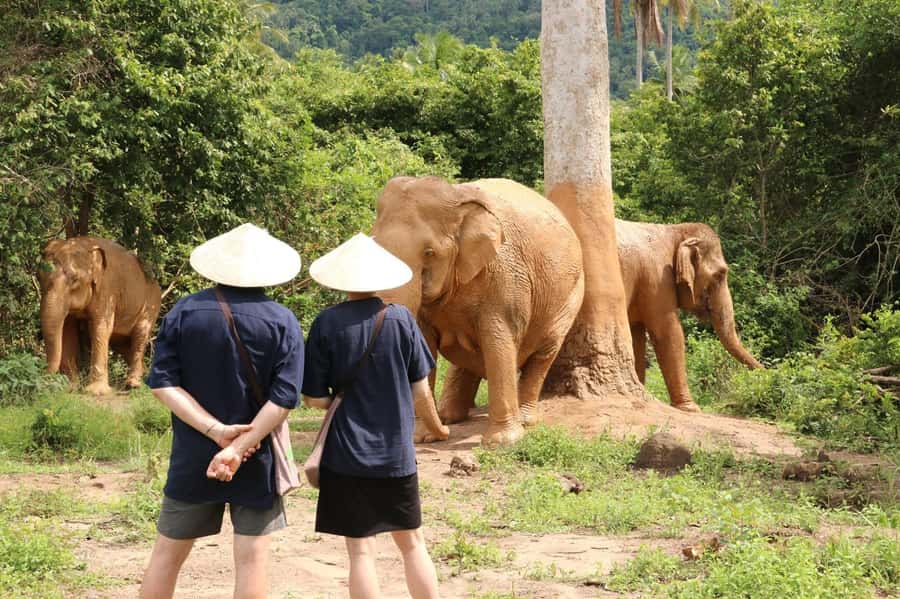
After the museum and briefing, you move outside for roughly 90 minutes of walking, wildlife observation, and elephant viewing. This is the heart of the experience, but it is not designed as a staged performance.
The elephants roam in an open forest area where they can forage, explore, and show natural behavior. You watch from a respectful distance as they move through the tropical surroundings. That means you may not get a perfect photo every minute, and an elephant may decide to wander away. That is a feature, not a failure.
The program focuses on personalities, social bonds, and the choices elephants make during their day. You may see different animals react in different ways. Some may come near. Others may remain focused on food, shade, or their companions.
The sanctuary is home to nine rescued elephants, including eight adult females and one male youngster. The baby elephant has become a favorite part of many visits because of his playful, cheeky behavior. Still, you should not expect a guaranteed close encounter with any particular animal. A responsible program lets the elephants set the distance.
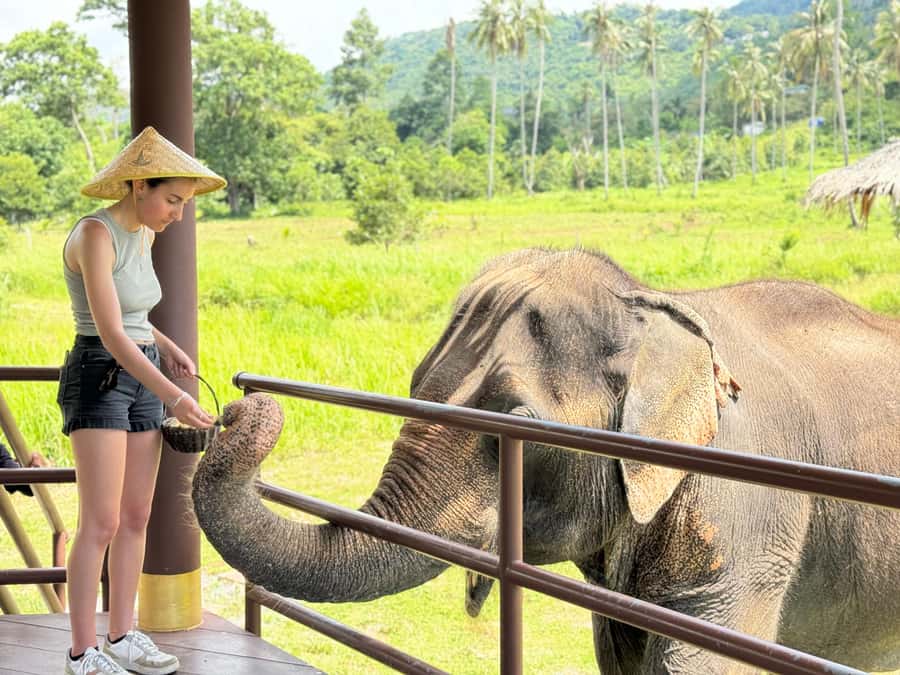
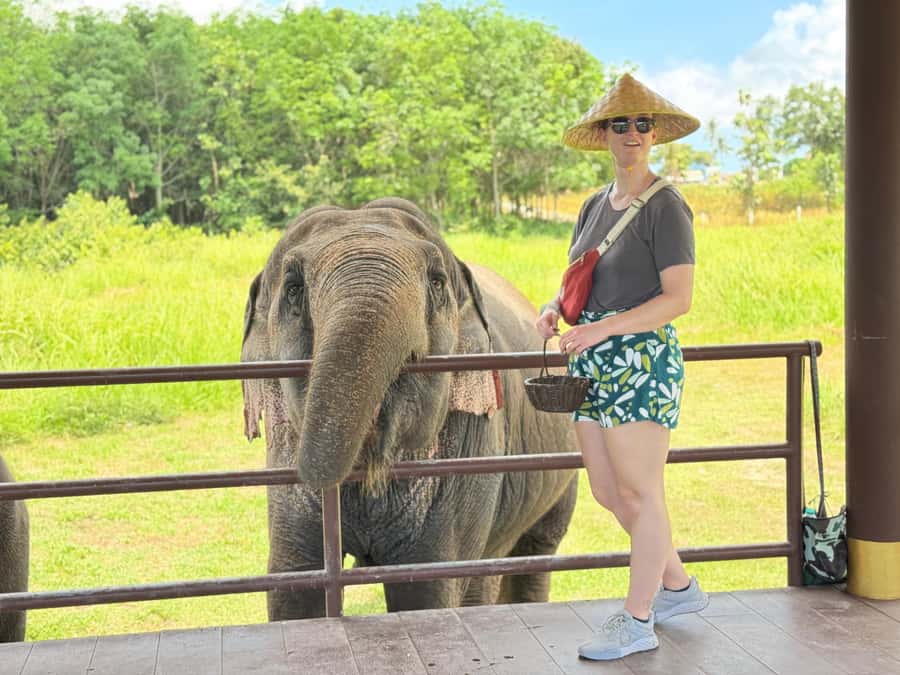
The experience appears to strike a middle ground. You may be close enough to appreciate the texture of an elephant’s skin, the movement of its ears, and the gentle power of its trunk, but the program does not revolve around constant petting. Some visitors have been able to feed or briefly touch the elephants, while others appreciated the mostly hands-off rules.
That balance is one of the best reasons to choose this outing. You get a personal encounter without turning the animals into props. If you need a long, guaranteed feeding session, you may find the limits frustrating. If you want to watch elephants behave with fewer demands placed on them, the format should suit you well.
Food, nutrition, and the feeding encounter

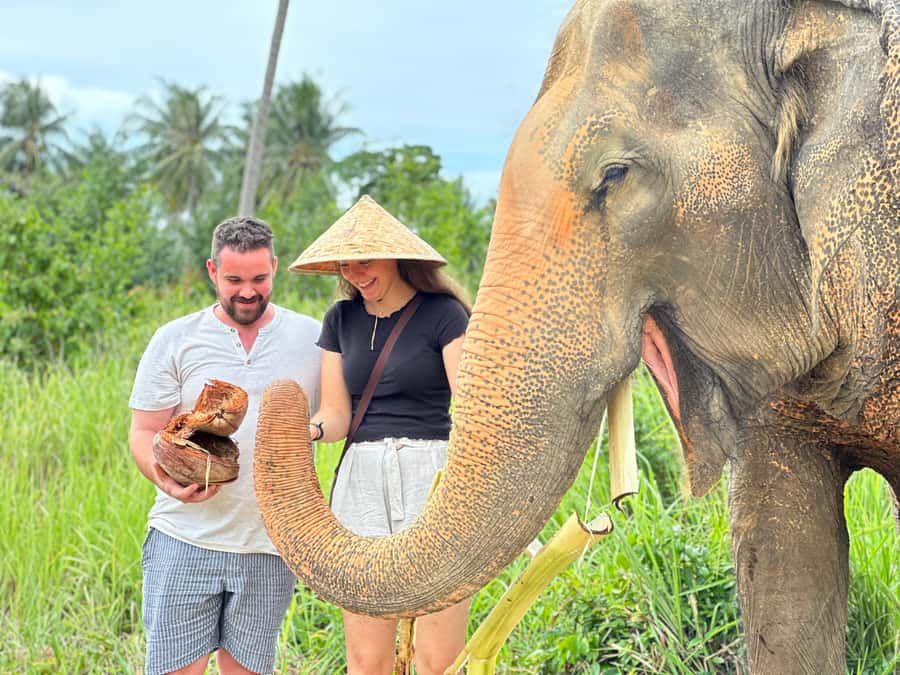
An important part of the visit is learning what elephants eat and how their meals are prepared. Mahouts demonstrate the preparation of organic food, while the guide explains nutrition, health, and the needs of elephants at different stages of life.
This is more useful than simply handing you a piece of fruit. You learn that feeding is connected to health, age, and routine. The staff also show that care involves much more than affection. Food, shade, water, calm surroundings, and close observation all matter.
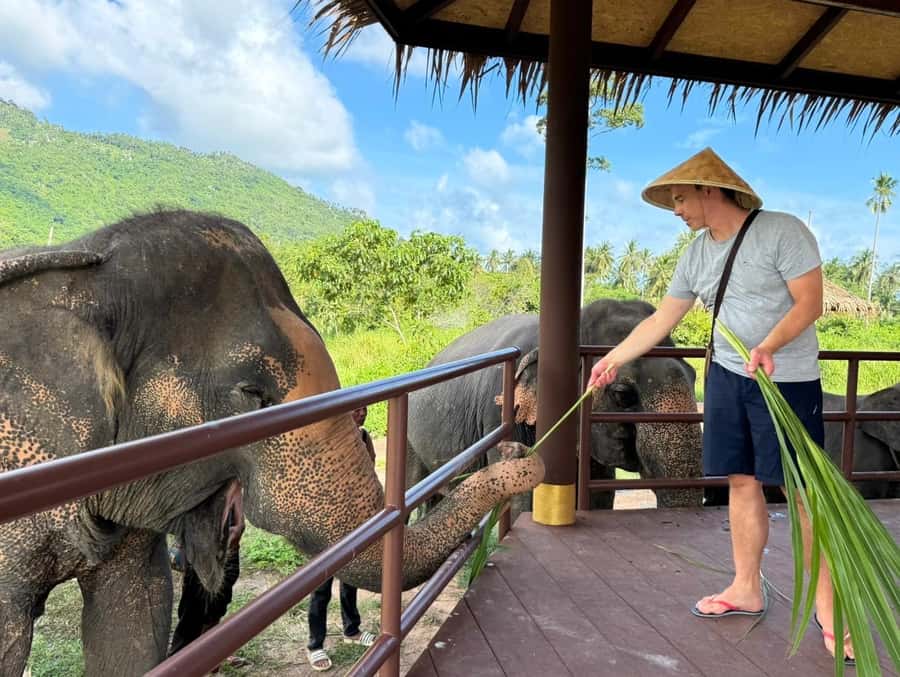
Depending on the day and the elephants’ choices, you may have an opportunity to offer treats such as bananas or sugarcane. Some people have also fed the elephants and planted pumpkin seeds during their visit. Treat this as a possible part of the encounter, not a promise that every elephant will eat from your hand.
The mostly hands-off policy is worth respecting. Elephants can be calm and familiar with people while still needing personal space. The fact that touching is limited is one of the clearest signs that the program is trying to put animal welfare ahead of entertainment.
The young male may attract plenty of attention, but the adult females have their own stories and personalities. Take time to watch the whole group rather than waiting only for the baby. The quieter moments, such as an elephant choosing where to walk or pausing to feed, can tell you more than a posed photograph.
More Elephant Sanctuary Tours in Ko Samui:
- Chiang Mai: Elephant Sanctuary, Waterfall & Bamboo Rafting
★ 4.9 · 9,160 reviews - Chiang Mai: Elephant Sanctuary & Waterfall Group Tour
★ 4.9 · 5,780 reviews - Chiang Mai: Elephant Sanctuary Feeding Program Half-Day Tour
★ 4.8 · 4,527 reviews - Phuket: Elephant Jungle Sanctuary Ethical Feeding Experience
★ 4.8 · 4,359 reviews
Making seed bombs for the forest
The conservation activity is simple, practical, and surprisingly fun. You make seed bombs from clay and native plant seeds, then use a traditional slingshot to send them into forest areas.
The aim is to help restore plant growth and create future food sources for elephants. You are not just watching a conservation message on a wall. You are taking part in a small action connected to the sanctuary’s work.
This is a good activity for families and older children, though everyone should follow staff instructions when using the slingshot. It also adds variety to the outing. After a museum talk and a forest walk, the seed bombs give you something active to do without requiring direct contact with the elephants.
The project should be viewed in the right spirit. A handful of seeds will not transform a forest overnight. But it connects tourism money and visitor participation with the long-term needs of the animals. That makes it more meaningful than a souvenir purchased and forgotten.
The activity also underlines a basic truth about elephant care: a good home needs space and food. Protecting the surrounding forest is part of protecting the elephants.
How the elephants cool down in Koh Samui’s heat
Tropical heat affects elephants just as it affects you. Near the end of the visit, you observe how mahouts help the elephants cool down after their forest walk.
The approach is calm and natural. Shade, water, and unhurried routines help the elephants relax. Staff do not force the animals into a show or insist on a particular activity. Instead, you learn how comfort can be provided while still allowing the elephants to make choices.
This part may be especially interesting because it explains behavior you could otherwise misunderstand. An elephant seeking shade or water is not being lazy. It is responding to the heat. Watching the care routine helps you understand why a sanctuary needs proper planning, clean surroundings, and staff who pay attention.
The program does not include a mud bath with the elephants. That is a positive point for anyone concerned about activities designed mainly for human amusement. Information shared during the experience explains that mud bathing with elephants can be dangerous, so the visit keeps the focus on observation and safe care.
Do not expect a dramatic finale. The cooling period is gentle and educational. That quieter ending fits the rest of the outing.
Is $64 a fair price?
At $64 per person, the experience is not the cheapest elephant activity on Koh Samui. You are paying for a three-hour program that includes hotel transfers around the island, insurance, a welcome drink, an English-speaking guide, the museum, forest viewing, elephant education, and the seed-bomb project.
The value depends on what you want. If you only want a short feeding stop and a few pictures, a simpler activity may cost less. If you want cultural background, guided interpretation, and a more careful approach to animal contact, the price is easier to justify.
Roundtrip transportation also matters. Koh Samui is spread out, and arranging your own transport can take time and add cost. The included transfer makes the experience easier to fit into a day of sightseeing.
The insurance and wheelchair accessibility are useful inclusions, though you should still ask the provider about your personal mobility needs because the program includes walking and hiking in a forest setting. The information confirms accessibility, but it does not describe every trail surface or facility.
Free cancellation up to 24 hours before the activity and the reserve-now, pay-later option give you some flexibility. Starting times vary, so check availability before planning other activities around it.
Who will enjoy this experience most?
I would recommend Samui Elephant Home to you if you want to understand elephant care rather than simply collect a close-up photo. The museum, food demonstration, forest walk, and seed bombs create a well-rounded morning or afternoon.
It is a strong choice for:
- Families with children interested in animals and conservation
- First-time visitors to an elephant sanctuary
- Couples looking for a calm, meaningful Koh Samui activity
- People who prefer limited touching and no forced animal tricks
- Anyone curious about Thai elephant heritage
- Visitors who want hotel pickup included
It may be less suitable if you want hours of direct contact, bathing, riding, or a highly theatrical show. It may also disappoint you if you expect to follow the elephants continuously through dense forest. The animals decide where they go, and the viewing period is limited.
Wear walking shoes, a hat, sunscreen, and insect repellent. Bring a camera, but use it with restraint. The best photograph is not worth crowding an elephant or distracting from the guide’s instructions.
Should you book Samui Elephant Home?
Book this tour if you want a respectful and educational elephant encounter with a clear conservation angle. The museum gives the visit context, the forest section lets you observe freer behavior, and the seed bombs connect your time there with future food supplies.
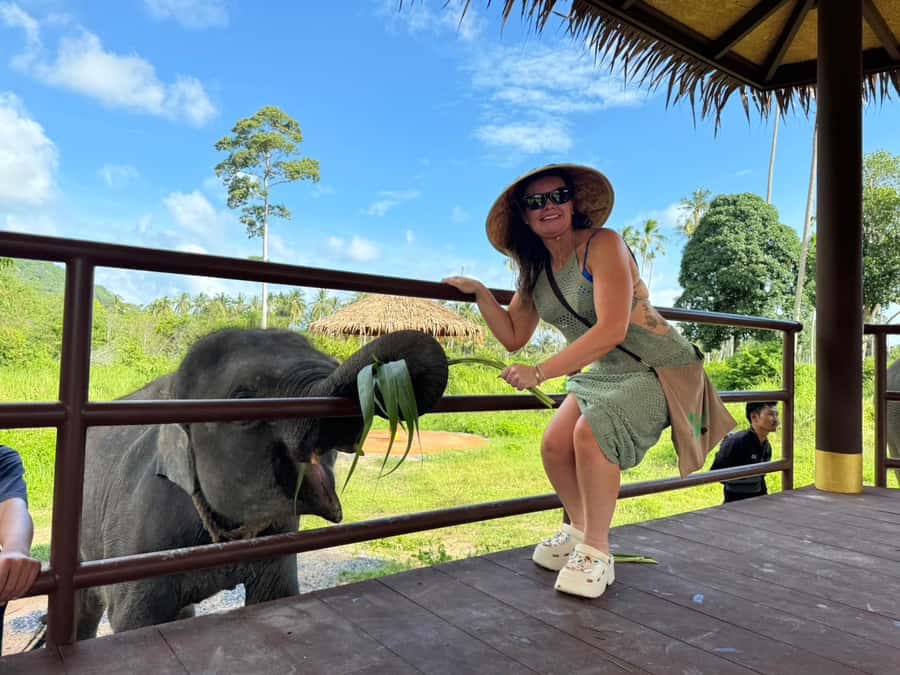
I especially like the limited-contact policy and the refusal to include mud bathing. You may still feed an elephant or touch one briefly, but the program does not make physical contact the entire point. That is a healthier way to meet rescued animals.
Choose something else if your main goal is a long outdoor session. The one-hour museum and classroom portion is useful, but it leaves less time with the elephants. For many people, though, that balance is exactly the value: you leave with a better understanding of Thai culture, elephant welfare, and the daily work behind a responsible sanctuary.
FAQ
How long does the Samui Elephant Home experience last?
The experience lasts three hours. About one hour is used for the museum, guided education, and safety briefing, followed by roughly 90 minutes of outdoor walking, elephant viewing, and related activities.
Is hotel pickup included?
Yes. Roundtrip transfer from hotels around Koh Samui is included. You are asked to wait in your hotel lobby for about 15 minutes around the pickup time.
What language is the tour conducted in?
The live guided tour is conducted in English.
Does the experience include feeding the elephants?
You may have a chance to offer food such as bananas or sugarcane under staff guidance. Feeding is part of some visits, but the main focus is observation and education.
Can you touch the elephants?
Limited touching may be possible, but the program follows a mostly hands-off approach. You should respect the animals’ space and follow staff instructions.
Does the tour include an elephant mud bath?
No. Mud bathing with the elephants is not included. The program explains that this activity can be dangerous and instead focuses on natural cooling, shade, water, and calm routines.
What should you bring?
Bring comfortable walking shoes, a hat, sunscreen, insect repellent, and a camera for personal use.
Is the activity wheelchair accessible?
The activity is described as wheelchair accessible. Because the program includes walking and hiking in a forest area, you should confirm the details of the route if you have specific mobility requirements.
Can you cancel the booking?
You can cancel up to 24 hours in advance for a full refund. A reserve-now, pay-later option is also available.
More Museums in Ko Samui
- Samut Prakan: The Erawan Museum Admission Ticket (NON THAI)
★ 4.8 · 89 reviews - Chiang Mai: Art in Paradise Illusion Museum Entry Ticket
★ 4.4 · 82 reviews - Skip the Line: Patpong Museum Guided Tour
★ 5.0 · 80 reviews - Pattaya: Art in Paradise 3D Museum Discounted Ticket
★ 4.6 · 75 reviews
Just added in Ko Samui
- Pig Island(Koh Mudsum) and Koh Tan Half Day Snorkeling Tour★ 4.2 · 11 reviews
- Private Group Half-Day City Tour Around Koh Samui★ 4.1 · 20 reviews
- Koh Samui: Zipline Experience of Lamai Viewpoint★ 4.1 · 31 reviews
- Koh Samui: Pig Island & Koh Tan Speedboat Tour with Lunch★ 4.2 · 120 reviews
- Koh Samui: Island Tour with Sunset and Sightseeing★ 4.5 · 23 reviews
- EasyKart Koh Samui (Chaweng Lake): Go-Kart Racing Experience★ 4.3 · 10 reviews
- Koh Samui City Tour with Cultural and Scenic Highlights★ 4.5 · 33 reviews
- Koh Samui Adventure: Hidden Gems & 4×4 Safari Tour /w Lunch★ 4.2 · 46 reviews
Elephant Sanctuary Tours, compared.
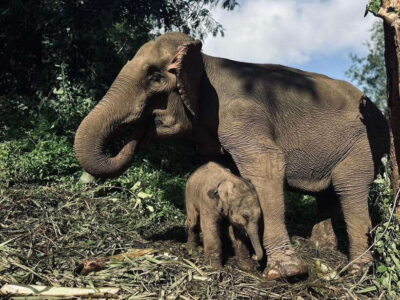
Elephant Sanctuary, Waterfall & Bamboo Rafting
Read our review →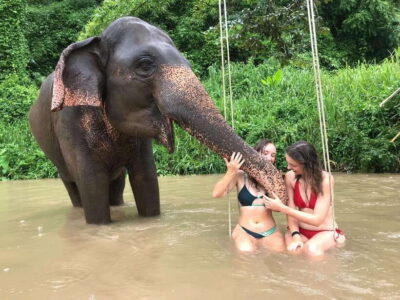

Elephant Sanctuary Feeding Program Half-Day Tour
Read our review →
Elephant Jungle Sanctuary Ethical Feeding Experience
Read our review →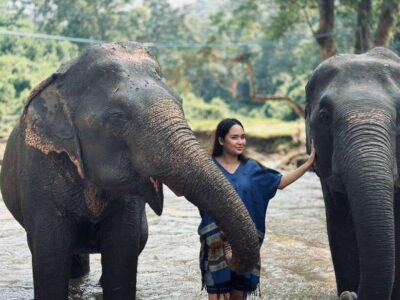
Elephant Sanctuary, Long Neck & Sticky Waterfall
Read our review →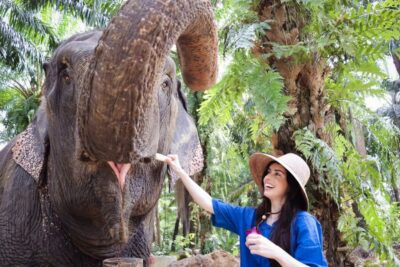
Elephant Bathing Session at Krabi Elephant Shelter
Read our review →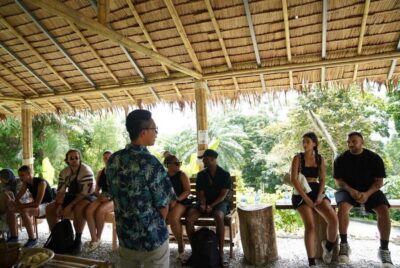
Elephant Sanctuary Guided Tour with Hotel Transfers
Read our review →
Browse the lists this tour appears in