
Reviewed · ELEPHANT SANCTUARY TOURS
Samui: Elephant Nutrition and Care Education Experience
Elephant care beats elephant tricks. At Samui Elephant Home Nursery, you learn how bananas, pumpkins, sticky rice, and herbs become useful supplements for rescued elephants, then watch the animals eat in a calm setting. I especially like the focus on nutrition and welfare, plus the chance to help prepare food rather than simply pose beside an elephant. Guide Noi is praised for explaining each elephant’s story with real feeling and care. The main consideration is that the visit is short, and some of the activity takes place near fenced feeding areas rather than out in open jungle.
I also like that this program avoids elephant riding and bathing. You can feed the animals, take photos, and learn about their routines, but the activity puts their needs first. At $32 per person, with hotel pickup, drop-off, an English-speaking guide, and insurance included, it offers strong value. Still, if you want a longer visit, a bath, or a full farm tour, you may prefer one of the home’s other packages.
In This Review
- Key points to know before you go
- Why elephant nutrition matters at Samui Elephant Home
- Arrival, pickup, and the first welcome
- Meeting the elephants without turning them into props
- Preparing bananas, pumpkins, sticky rice, and herbs
- A closer look at ethical care in Thailand
- How long the visit really feels
- Is $32 good value on Koh Samui?
- Who will enjoy this nursery visit most?
- Practical tips for a better visit
- Should you book Samui Elephant Home?
- FAQ
- How long does the Samui Elephant Nutrition and Care experience last?
- Is hotel pickup included?
- Can I ride or bathe the elephants during this experience?
- What food will I help prepare?
- Is the experience conducted in English?
- What should I bring?
Key points to know before you go
- Natural food preparation: Help make supplementary elephant food from bananas, pumpkins, sticky rice, and herbs.
- A welfare-first format: No riding or bathing is part of this experience, and touching is guided by staff.
- Individual elephant stories: Noi and the team explain where the elephants came from and how their needs differ.
- Calm feeding time: You watch and feed the elephants in a controlled area designed to keep them relaxed.
- Hotel pickup included: Transport from and back to your Koh Samui hotel is part of the $32 price.
- A compact visit: The full booking lasts two hours, though the on-site activity may feel closer to one hour.
Why elephant nutrition matters at Samui Elephant Home
The most useful part of this experience is that it moves beyond the usual elephant photo opportunity. You learn that feeding a large animal is not simply a matter of handing over fruit. Elephants need large amounts of food, and their diet must be adapted to age, condition, and individual health.
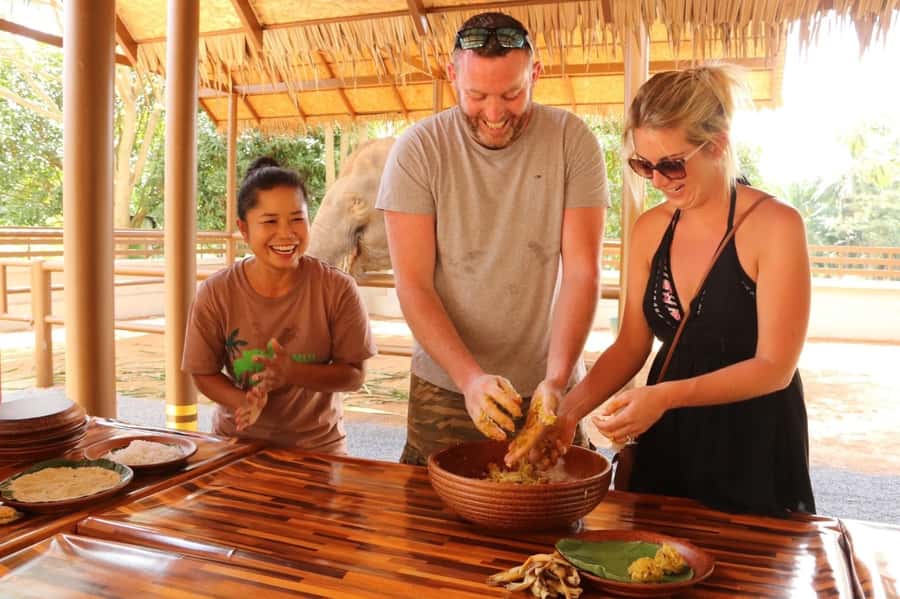
The staff demonstrate how supplementary food is prepared with natural ingredients. Bananas and pumpkins add familiar sweetness and bulk, while sticky rice and herbs are used in the food mixture. The exact balance depends on the elephant, especially when young calves and older animals have different needs.
I like this approach because it gives you something practical to watch for. You see the food being made, hear why it is used, and then see the elephants eat it. That simple chain helps explain how daily care works.
The nutrition lesson also gives the visit a more honest tone. You are not being asked to believe that a brief feeding session tells the whole story of elephant conservation. Instead, you get a small but clear window into the work of keeping rescued animals healthy for years.
More Elephant Sanctuary Tours in Koh Samui
- Koh Samui: Elephant Sanctuary Entry and Feeding Experience
★ 4.7 · 1,446 reviews - Samui:Elephant Jungle experience & The First Elephant Museum
★ 4.9 · 226 reviews - Koh Samui: Elephant Sanctuary and Jungle Tour with Lunch
★ 4.7 · 1,328 reviews
Arrival, pickup, and the first welcome
Your visit begins with hotel pickup in Koh Samui. After booking, the provider sends your pickup time, and you should wait in your hotel lobby about 15 minutes before that time. Several pickup accounts describe the service as organized and punctual, but allow a little flexibility because island traffic and hotel locations can affect timing.
The transfer is included in the price, along with return transport. That matters on Koh Samui, where getting to an attraction can otherwise require a taxi or private car. An open-air pickup truck may be used, giving you some views along the way, though you should dress for sun and heat.
At Samui Elephant Home Nursery, an English-speaking guide welcomes you and gives a safety briefing. The tone is educational rather than theatrical. You are introduced to the nursery, the care program, and the elephants you will see.
The introduction is one of the strongest parts of the experience. Noi, the guide often named in feedback, explains the elephants’ individual backgrounds and the difficult work many rescued elephants experienced before arriving here. Her emotional connection to the animals is clear, but the useful part is how she links their past with their current care.
You may hear about elephants rescued from riding operations, circuses, logging work, or other situations where they were mistreated. The precise background differs by animal. Listen closely, since these stories help explain why the staff control contact and do not treat every elephant in the same way.
Meeting the elephants without turning them into props
Samui Elephant Home presents itself as an ethical elephant facility, and the program is built around that claim. There is no riding and no bathing in this package. The focus is watching, preparing food, and feeding.
That distinction matters. Bathing and close physical contact can look gentle in a photograph, but they still require an elephant to take part on a human schedule. Here, the staff place more weight on keeping the animals calm and safe.
You may be allowed to touch an elephant under staff direction, but contact is not the central promise of the visit. One particularly important rule is that a newly arrived elephant may not be touched while it becomes used to people. That is a good sign because it shows that the staff do not treat every animal as instantly available for photos.
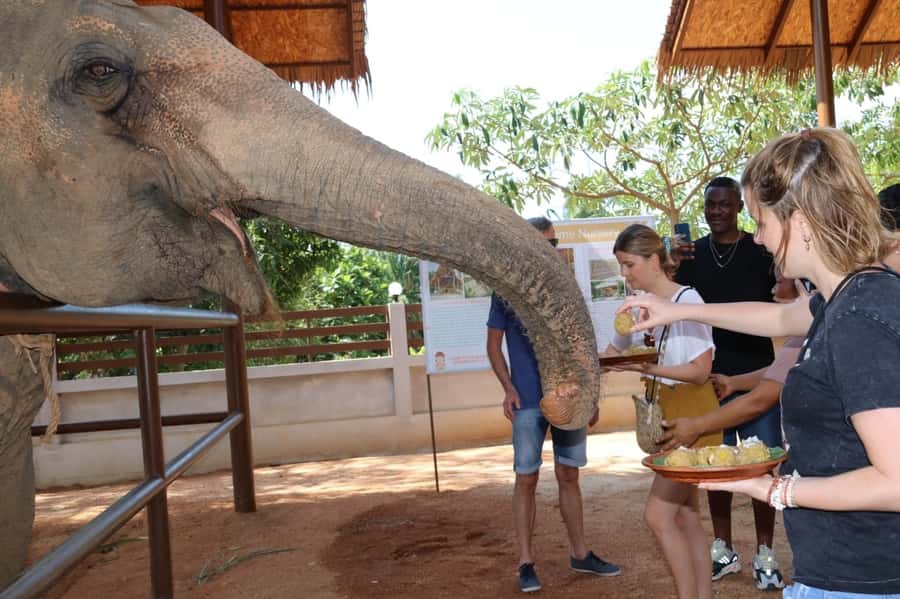
You will usually see the elephants near designated feeding areas or behind a fence. One account notes that the animals spend part of the day in a fenced space to socialize and receive food before returning to the jungle. Another visitor wished there had been more time seeing elephants on the farm rather than only in pens. That is a fair limitation to keep in mind.
If your ideal elephant experience means walking beside animals through a large forest setting, this may feel too structured. If you want a controlled place where staff can monitor feeding and keep people at a safe distance, the arrangement makes sense.
Preparing bananas, pumpkins, sticky rice, and herbs
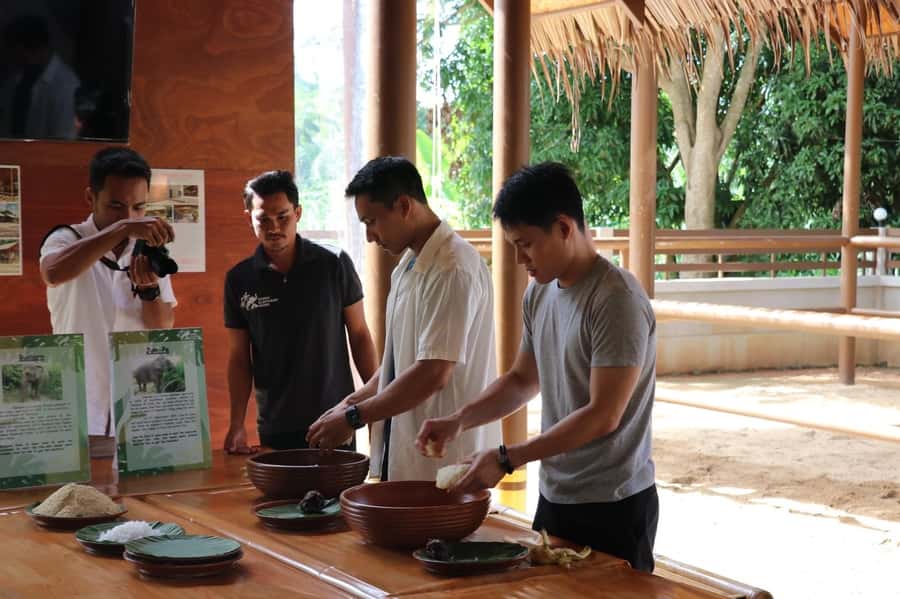
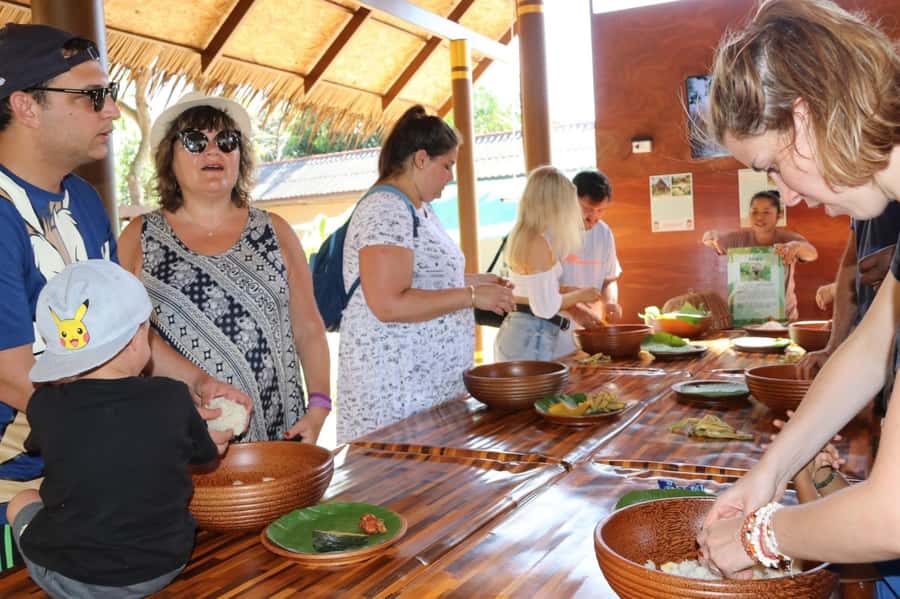
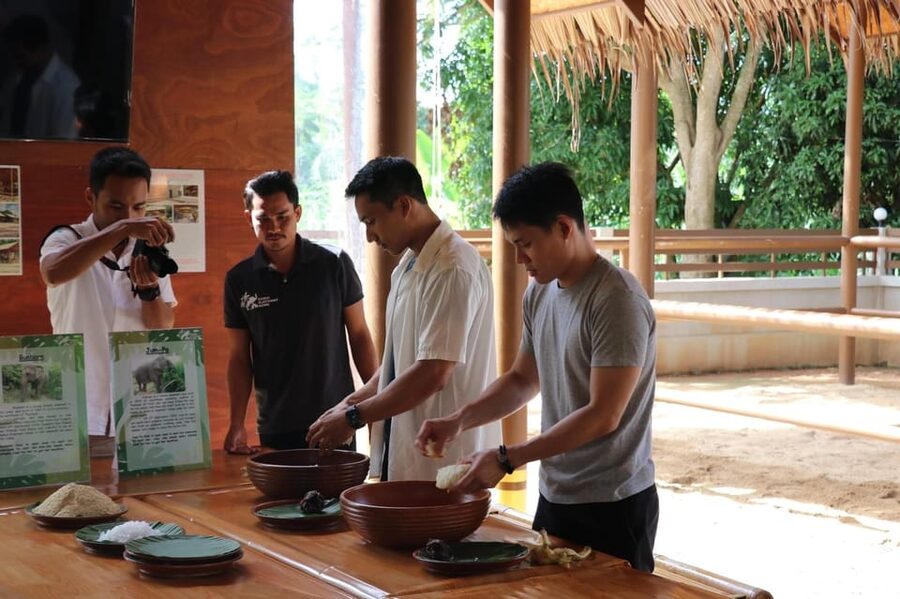
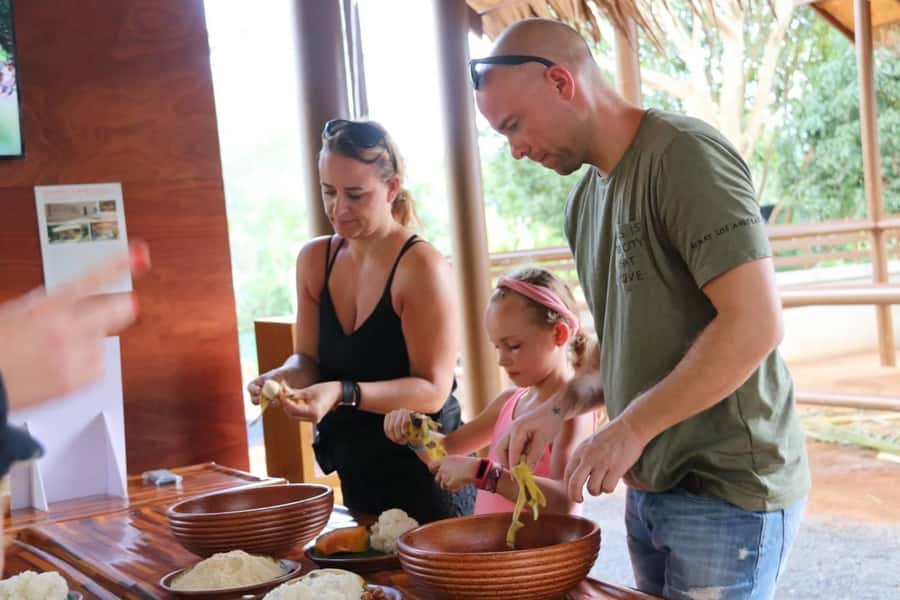
The hands-on food preparation is the heart of the program. Staff show you how to make supplementary food, and you help prepare it using natural ingredients such as bananas, pumpkins, sticky rice, and herbs.
Some accounts describe making protein balls for the elephants. The activity is simple, but it gives you a job to do and helps you understand that feeding is part of a care routine, not just a quick tourist gesture.
The staff explain that elephants of different ages may need different diets. A young elephant, an adult, and an older elephant do not necessarily receive the same food in the same way. This is where the program earns its title. You are not just told that elephants eat a lot. You learn that their food is adjusted to support health over time.
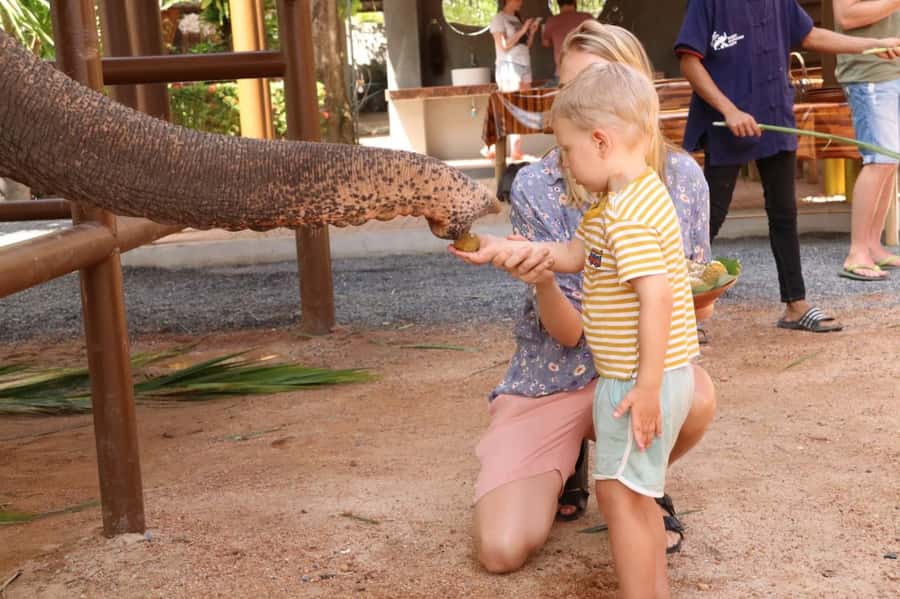
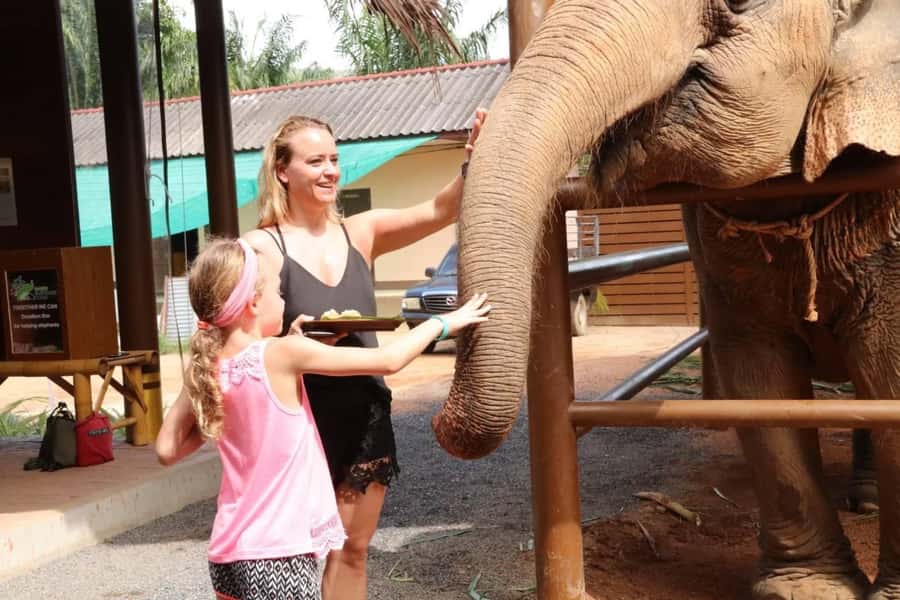
After the preparation, you feed the elephants. The animals are described as eating calmly, and staff may continue supplying bananas, bamboo, or other food after your first portion is finished. That is useful because the feeding does not have to end the instant your prepared food is gone.
Staff also take photos and videos with your phone while you feed. This is a thoughtful touch for families and couples who want a record of the moment but do not want to hand their phone to a stranger or miss the experience while taking pictures.
Still, remember that elephant feeding is an organized activity. You are not wandering around choosing when and how to approach. Follow the staff’s instructions, keep your movements calm, and let the elephant set the pace.
More Elephant Sanctuary Tours in Ko Samui:
- Chiang Mai: Elephant Sanctuary, Waterfall & Bamboo Rafting
★ 4.9 · 9,160 reviews - Chiang Mai: Elephant Sanctuary & Waterfall Group Tour
★ 4.9 · 5,780 reviews - Chiang Mai: Elephant Sanctuary Feeding Program Half-Day Tour
★ 4.8 · 4,527 reviews - Phuket: Elephant Jungle Sanctuary Ethical Feeding Experience
★ 4.8 · 4,359 reviews
A closer look at ethical care in Thailand
The experience offers a basic introduction to the wider problem of elephant tourism in Thailand. Many elephants used in tourism have complicated pasts involving riding, logging, circuses, or poor working conditions. Rescue alone does not solve every issue, since lifelong care is expensive and elephants need food, medical attention, space, and trained staff.
The nursery helps you see the cost behind the work. One explanation given during the visit places the price of acquiring a single elephant at about 34,000 euros, with tourist income helping fund continued care. That figure makes the $32 admission feel less like a simple ticket and more like a small contribution to an ongoing operation.
The home is described as a family-supported project that rescues elephants using its own resources, with some support from the Thai government. Those details come from the facility’s own explanation, so you should treat them as the provider’s account, not as an independent financial audit. Still, the experience gives you a useful sense of why responsible facilities need paying visitors.
Ethical tourism is not just about removing rides from a brochure. It also means asking how much control the elephants have, how contact is handled, whether animals can rest, and if the program teaches visitors anything beyond how to take a photograph. This visit does well on education, staff supervision, and the absence of riding and bathing.
You should also keep your expectations grounded. A two-hour booking does not make you an elephant conservation worker. It offers an introduction to care practices and helps fund the people looking after these animals. That is worthwhile, as long as you see it as a small part of a much bigger effort.
How long the visit really feels
The advertised duration is two hours, including pickup and return arrangements. The guided nursery visit itself is listed as about one hour, and one person found that the activity lasted roughly an hour rather than the full two hours.
That difference is important when planning your day. If you have a ferry, flight, restaurant booking, or another island activity soon afterward, ask for the exact pickup and return timing before committing. The transport can take up part of the booking.
For most people, the shorter on-site format is probably comfortable. You receive an introduction, a safety briefing, a food demonstration, an explanation of elephant stories and diets, and feeding time without needing to spend half a day in the heat.
Families with young children may appreciate the compact schedule. One family with children aged three to nine found the length suitable, and the preparation activity gives children something concrete to do. Parents should still supervise closely around the elephants and listen carefully to the staff.
Adults who want a slower, more reflective visit may find it brief. The emotional stories can make you wish for more time with the animals or a longer explanation of the nursery’s work.
Is $32 good value on Koh Samui?
At $32 per person, this is a strong-value activity if you want an ethical, guided elephant experience rather than a full-day excursion. Hotel pickup and drop-off alone can add convenience, especially if your hotel is not near the nursery. English guidance, insurance, food preparation, elephant feeding, and staff assistance with photos are also included.
The price looks even better for families, since the experience combines a lesson and an activity. You are not paying only for a short animal encounter. You are also supporting feeding and care costs, which are substantial for rescued elephants.
The value is weaker if you expect bathing, extensive walking, or a long visit in open elephant habitat. Bathing is available in a different package for a slightly higher price, according to the information provided, but it is not included here.
Food and drinks for people are not included. Bring your own water or plan accordingly, and remember to bring a passport or identity card as required.
Free cancellation is available up to 24 hours before the experience for a full refund. You can also reserve now and pay later, which helps if your Koh Samui plans may shift.
Who will enjoy this nursery visit most?
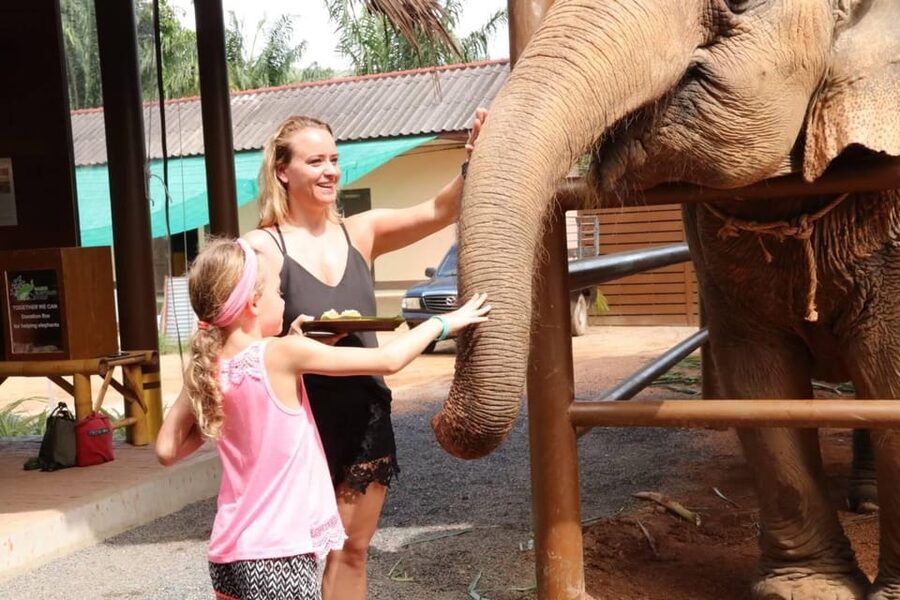
I would recommend this experience to animal lovers who want to understand the care behind ethical elephant tourism. It is also a good fit for families, first-time visitors to Koh Samui, and anyone uneasy about booking elephant activities because of welfare concerns.
You will likely enjoy it if you want:
- A short activity that fits around other island plans
- A chance to prepare food and feed elephants
- A clear explanation of rescued elephants’ past and present care
- An English-speaking guide with strong personal commitment
- Hotel transport included in the price
- Photos and videos taken by staff while you feed the animals
You may want another activity if you are looking for a long forest walk, a bathing session, or extensive time outside fenced areas. The nursery setting is controlled, and the educational section may feel more important than the animal contact.
The experience is wheelchair accessible, which makes it easier for more people to consider. Exact vehicle and site arrangements should still be confirmed when booking if you have particular mobility needs.
Practical tips for a better visit
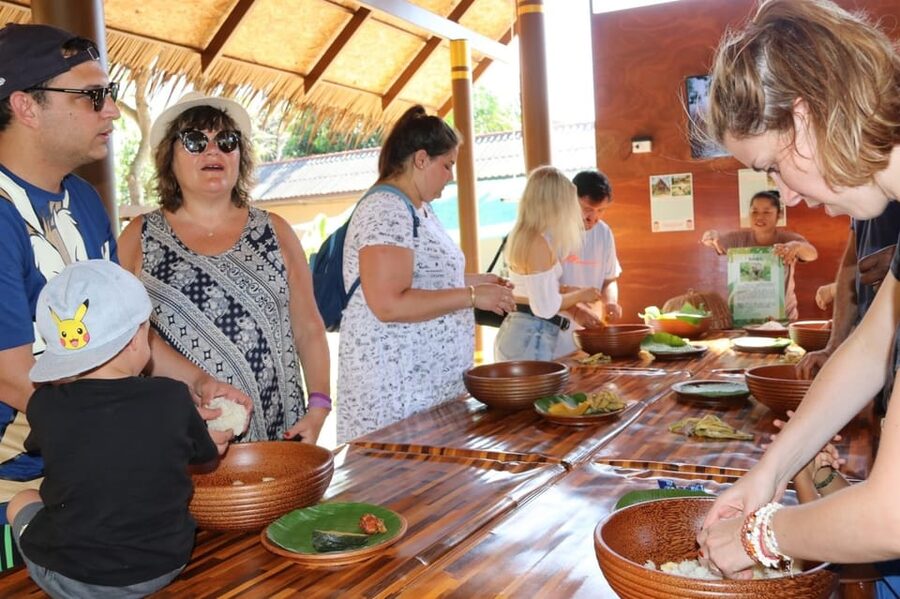
Wear light clothing that is comfortable in Koh Samui’s heat. Choose shoes that can handle a food preparation area and outdoor paths, and bring sun protection.
Keep your passport or ID card with you. Hotel pickup is included, but wait in the lobby around 15 minutes before the confirmed time so the driver does not have to search for you.
Do not arrive expecting unlimited contact. The staff may allow touching in certain situations, but the animal’s comfort comes first. If a new elephant is still adjusting to people, you may be asked not to touch it.
Bring your phone if you want staff to take photos and videos for you. The team has been praised for taking plenty of pictures during feeding, which means you can pay attention instead of trying to frame every shot yourself.
If you are considering the bathing option, ask about it separately. It belongs to a different package and is not part of this nutrition and care program.
Should you book Samui Elephant Home?
Book it if you want a short, affordable, welfare-focused introduction to elephants in Koh Samui. The strongest reasons are the food preparation, the individual elephant stories, the calm feeding format, and the obvious commitment of guides such as Noi.
Skip it if you want a full-day nature experience or a long period walking with elephants in open surroundings. The on-site visit may last about an hour, and much of the activity takes place at designated feeding areas.
For $32, I think it is a sensible choice for visitors who want to support elephant care without riding or bathing. Go with realistic expectations, listen to the staff, and treat the feeding as a privilege rather than a performance. That is the right spirit for this kind of visit.
FAQ
How long does the Samui Elephant Nutrition and Care experience last?
The booking duration is two hours, including the pickup and return arrangements. The nursery activity itself is listed as about one hour, and the exact timing can vary.
Is hotel pickup included?
Yes. Hotel pickup and drop-off in Koh Samui are included. You will receive the pickup time after booking and should wait in your hotel lobby about 15 minutes beforehand.
Can I ride or bathe the elephants during this experience?
No. This program does not include elephant riding or bathing. It focuses on education, food preparation, observation, and feeding.
What food will I help prepare?
The supplementary food uses natural ingredients such as bananas, pumpkins, sticky rice, and herbs. Some sessions include making protein balls for the elephants.
Is the experience conducted in English?
Yes. An English-speaking live tour guide leads the experience.
What should I bring?
Bring your passport or ID card. Food and drinks for you are not included, so plan accordingly.
Just added in Ko Samui
- Pig Island(Koh Mudsum) and Koh Tan Half Day Snorkeling Tour★ 4.2 · 11 reviews
- Private Group Half-Day City Tour Around Koh Samui★ 4.1 · 20 reviews
- Koh Samui: Zipline Experience of Lamai Viewpoint★ 4.1 · 31 reviews
- Koh Samui: Pig Island & Koh Tan Speedboat Tour with Lunch★ 4.2 · 120 reviews
- Koh Samui: Island Tour with Sunset and Sightseeing★ 4.5 · 23 reviews
- EasyKart Koh Samui (Chaweng Lake): Go-Kart Racing Experience★ 4.3 · 10 reviews
- Koh Samui City Tour with Cultural and Scenic Highlights★ 4.5 · 33 reviews
- Koh Samui Adventure: Hidden Gems & 4×4 Safari Tour /w Lunch★ 4.2 · 46 reviews
Elephant Sanctuary Tours, compared.
Elephant Sanctuary, Waterfall & Bamboo Rafting
Read our review →

Elephant Sanctuary Feeding Program Half-Day Tour
Read our review →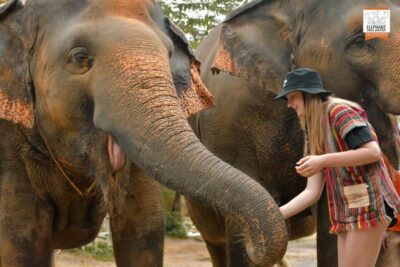
Elephant Jungle Sanctuary Ethical Feeding Experience
Read our review →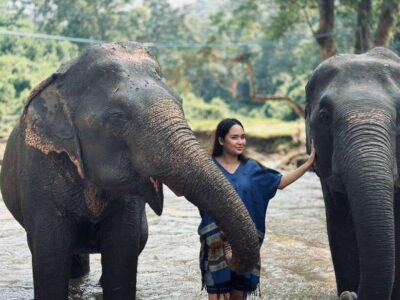
Elephant Sanctuary, Long Neck & Sticky Waterfall
Read our review →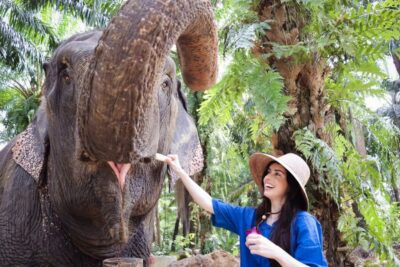
Elephant Bathing Session at Krabi Elephant Shelter
Read our review →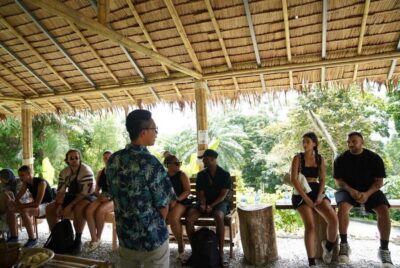
Elephant Sanctuary Guided Tour with Hotel Transfers
Read our review →
Browse the lists this tour appears in