
Reviewed · ELEPHANT SANCTUARY TOURS
Chiang Mai: Elephant Sanctuary & Waterfall Group Tour
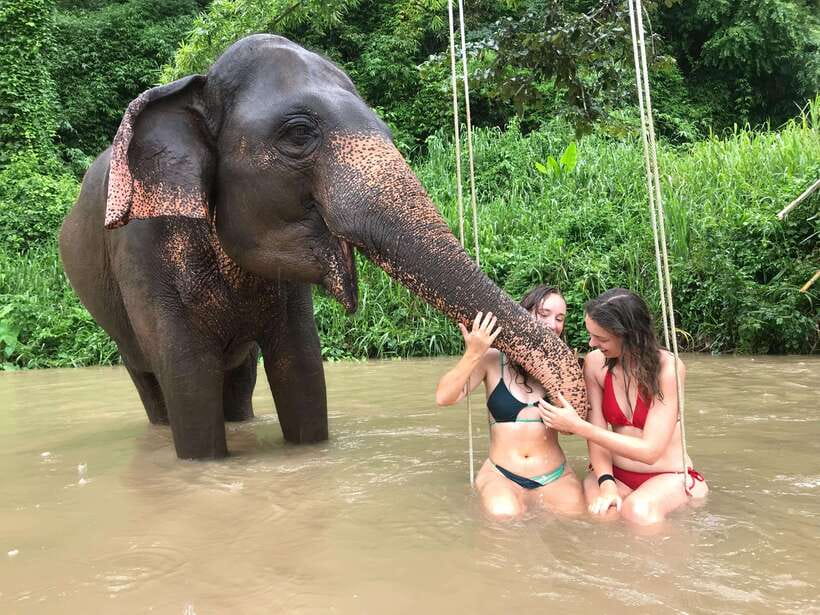
Elephants lead the day here. This Chiang Mai excursion pairs close, respectful contact with rescued elephants and a refreshing stop at Mae Wang Waterfall, about 80 minutes southwest of the city. I like the long time spent feeding, walking beside, and bathing the elephants, and I like that riding and forced performances are not part of the program. The main drawback is the travel time, with roughly 80 minutes each way and a muddy, slippery section for the waterfall hike.
I also appreciate the human side of the visit. Guides such as Beer, Yaya, Nop, Mimi, Nana, and Aamm are repeatedly praised for being warm, helpful, and good at explaining each elephant’s story and personality. You should still expect a busy group outing, changing trail conditions, and a schedule that may shift with weather and water levels.
In This Review
- Key things to know before booking
- The 80-minute ride from Chiang Mai
- Meeting the rescued elephants at Pon Elephant Thailand
- Why the guide can make or break the visit
- Walking, feeding, and watching natural behavior
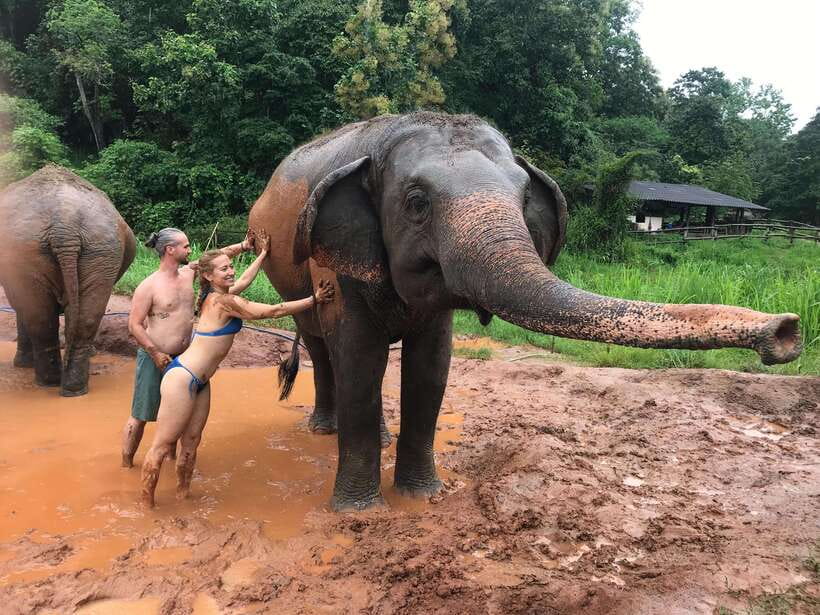
- Bathing elephants in the river
- Thai lunch, fruit, and local hospitality
- Hiking to Mae Wang Waterfall
- Is $50 a fair price?
- Who should book this Chiang Mai day trip?
- What to pack for a dry and comfortable day
- Should you book the Pon Elephant Thailand tour?
- FAQ
- How long does the Chiang Mai elephant and waterfall tour last?
- Is hotel pickup included?
- How far is the sanctuary from Chiang Mai?
- Can I ride the elephants?
- Are the elephants forced to perform?
- Can I feed and bathe the elephants?
- Is lunch included?
- Can I swim at Mae Wang Waterfall?
- What should I bring?
Key things to know before booking
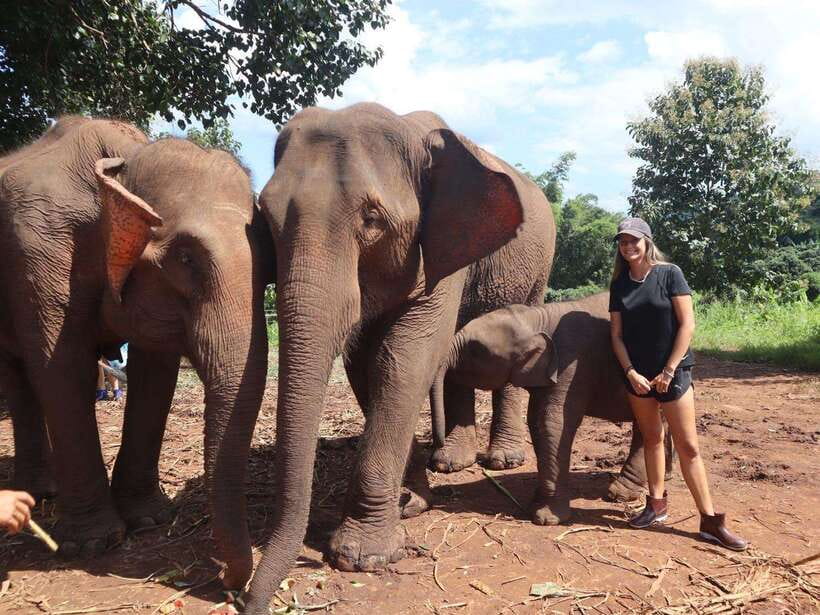
- The elephants are not made to perform: The program prohibits riding and says the animals are not forced to do activities for photographs.
- You get two to three hours with the elephants: Feeding, walking, watching them forage, and river bathing make this more than a quick photo stop.
- Mae Wang Waterfall is weather-dependent: Heavy rain can make swimming unsafe, and the waterfall stop may change if conditions require it.
- The drive passes ordinary northern Thai scenery: Rice fields, farms, villages, and Buddhist temples give the journey a useful local setting.
- Lunch is part of the value: Expect Thai food, seasonal fruit, desserts, drinking water, and food for feeding the elephants.
- Bring proper footwear: Sports shoes or trainers help on the forest walk, while sandals are useful near the river and waterfall.
The 80-minute ride from Chiang Mai
The day begins with hotel pickup in central Chiang Mai, or you can meet the guide at the Pon Elephant Thailand office in town. If you choose pickup, wait in your hotel lobby about 10 minutes before the confirmed time.
The drive southwest toward Mae Wang district takes around 80 minutes. That is not a minor transfer, so keep it in mind when comparing this outing with sanctuaries closer to town. You will pass farms, rice fields, local villages, and Buddhist temples along the way. The scenery gives you a look at everyday northern Thailand, rather than only the tourist center.
Transport is by comfortable van, and the drive is part of the reason this works best as a full day outing. Bring water for the road, although drinking water is provided. Motion sickness is listed among the reasons this tour may not suit you, so personal medicine is worth carrying if you need it.
The exact order and timing can change. The published schedule adds up to more than seven hours if each stated transfer and stop runs to its full length, so treat the times as working estimates rather than a promise down to the minute.
More Elephant Sanctuary Tours in Chiang Mai
- Chiang Mai: Elephant Sanctuary, Waterfall & Bamboo Rafting
★ 4.9 · 9,160 reviews - Chiang Mai: Elephant Sanctuary Feeding Program Half-Day Tour
★ 4.8 · 4,527 reviews - Chiang Mai: Elephant Sanctuary, Long Neck & Sticky Waterfall
★ 4.9 · 2,262 reviews
Meeting the rescued elephants at Pon Elephant Thailand
At the sanctuary, the guide begins with a briefing on Asian and African elephants, the sanctuary’s work, and the background of the rescued animals. You may also learn how to prepare healthy snacks before offering them to the elephants.
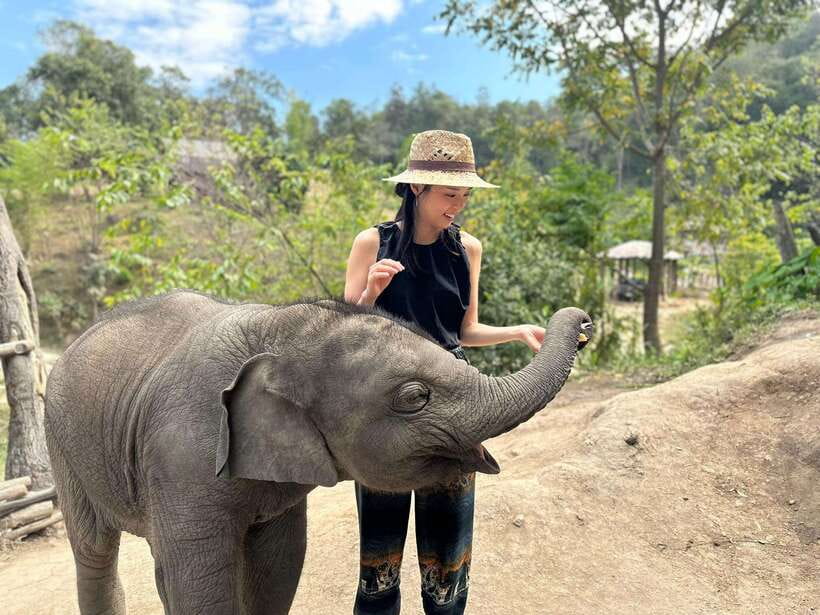
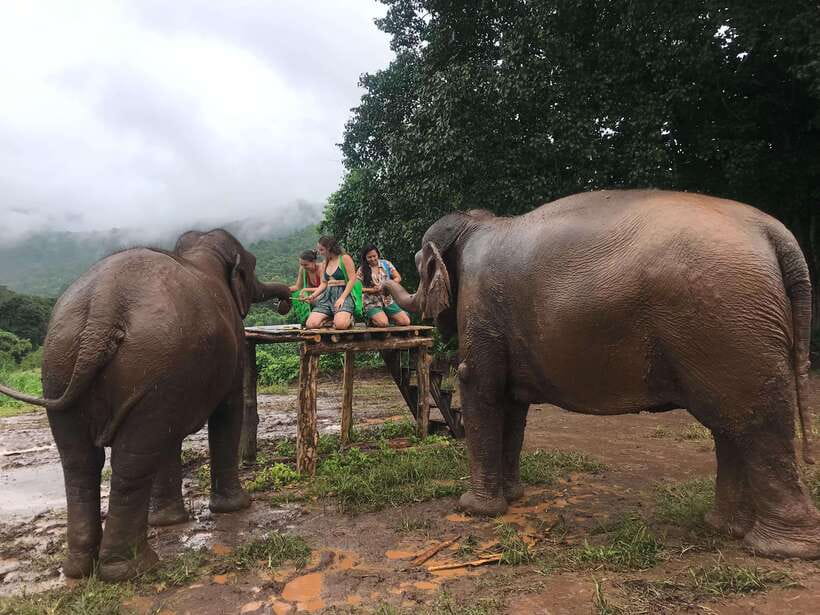
The feeding is not just a quick handout. The basic lesson is simple: food helps you build trust. You get to offer the elephants food, touch them under instruction, and spend time watching their behavior. The staff explain individual stories and personalities, which gives the encounter more meaning than simply standing beside a large animal for a photograph.
The elephants are described as rescued from labor and circus settings, with care continuing for those that cannot return to the wild. That distinction matters. A sanctuary visit should support care and safety, not turn an animal into a prop.
The program says the elephants are allowed to choose their activity and are never forced to perform. Riding is prohibited. There are no shows described, and the focus is on feeding, walking, watching natural behavior, and bathing. Those are good signs, though you should still pay attention to how close you feel comfortable getting and follow the handlers’ directions.
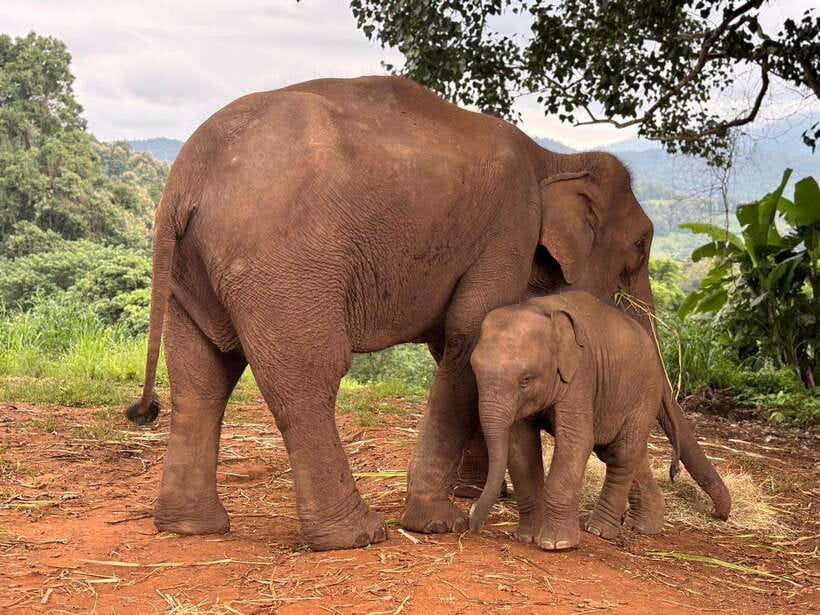
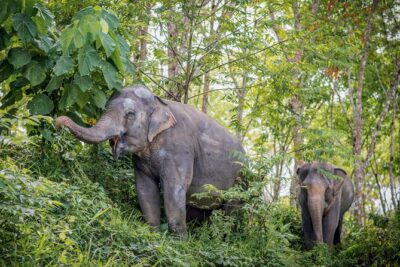
You may see elephants forage for food and watch family groups interact. The setting allows you to observe them at a slower pace, rather than rushing from one staged activity to another. Some animals may be friendly and eager for food, while others need more room. The staff’s willingness to respect that difference is one of the most important parts of the experience.
Why the guide can make or break the visit
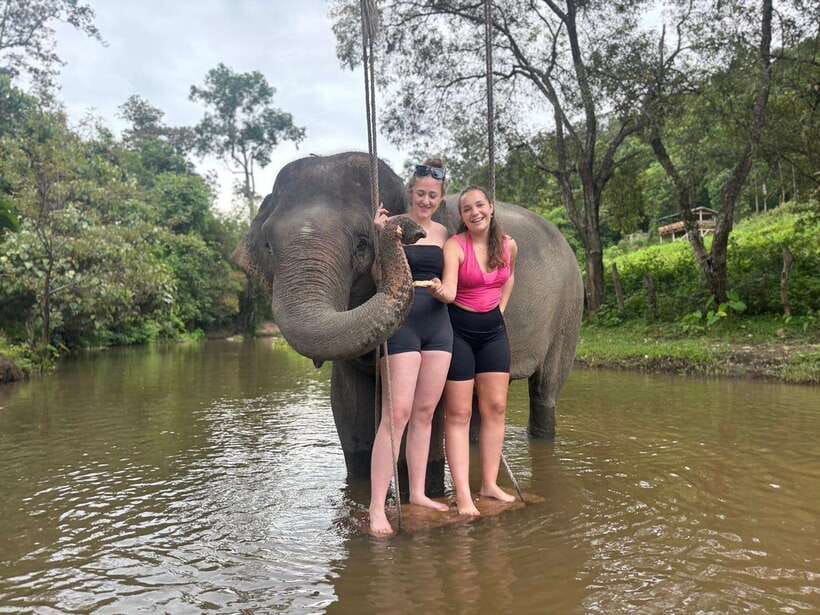
The guides receive unusually strong praise, and that makes sense because they control the rhythm of the day. Beer is singled out for taking photographs, keeping the group organized, and answering questions. Yaya is praised for explaining the elephants, local plants, and Thai culture. Nop is described as clear and helpful, while Mimi is remembered for her calm, friendly presence.
Names may vary because the guide depends on the day’s assignment. Other guides mentioned include Aamm, Oum, Lek, Ronnie, Nana, Sunny, Air, Amy, Dewy, Jimmy, Mel, and Sumit. English ability can vary, too. One person found communication a little difficult, although the guide remained eager to help.
That is a fair expectation for a group tour. You are not booking a private wildlife researcher. You are getting an English-speaking guide who connects the schedule, explains elephant care, and helps you move safely between activities. The strongest guides add useful context about Buddhism, local life, and elephant behavior without turning the day into a classroom.
A practical bonus is help with photos. Several guides are praised for taking pictures, which means you may not need to hand your phone to another person while standing beside an elephant. Still, bring a camera only if you can keep it secure and dry.
Walking, feeding, and watching natural behavior
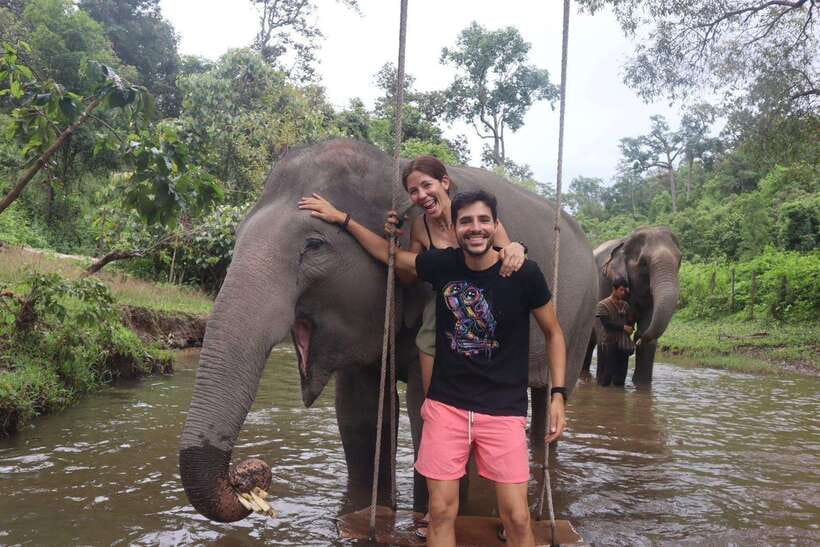
The central activity lasts around three hours, making it the clear heart of the tour. You walk with the elephants, feed them, touch them, and watch them search for food in their surroundings.
This is where patience helps. An elephant does not follow a human timetable just because a group has arrived. The best moments may come while an animal is simply eating, moving between family members, or choosing where to go next.
You should listen closely to the guide before touching an elephant. Large animals can be calm and gentle while still being powerful. The program’s welfare message is strongest when you let the elephants set the pace and avoid crowding them for a better picture.
The experience includes several elephants, and one account describes seeing as many as eight together at one point. That number may vary, but it gives you an idea of why the encounter feels substantial for the price. You are not paying for one brief meeting and then leaving.
A completely different kind of day out:
- Half-Day Thai Cooking Class at Organic Farm in Chiang Mai
★ 5.0 · 19,087 reviews - Chiang Mai: Doi Inthanon National Park Eco-Friendly Tour
★ 4.6 · 6,667 reviews - Chiang Mai: Chiang Rai Temples, Karen Tribe and Hot Springs
★ 4.7 · 5,401 reviews - Chiang Mai: Cooking Class, Market & Thai Herbs Garden Tour
★ 4.9 · 4,824 reviews
Bathing elephants in the river
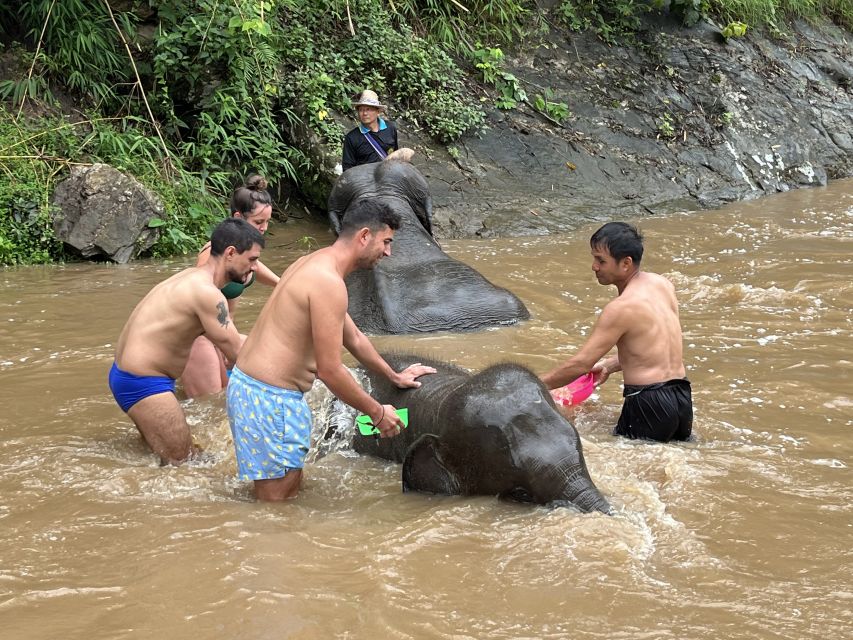
River bathing is one of the most hands-on parts of the day. You accompany the elephants into their river environment and help cool them down, an appealing activity in Chiang Mai’s hot weather.
Expect to get wet and dirty. You need swimwear, a towel, and a full change of clothes. Sandals or flip-flops are useful at the water stations, but they are not the best choice for the forest walk. The most practical combination is trainers or sports shoes for the trail and sandals for wet areas.
Bathing can be memorable because it puts you close to the elephants without asking them to perform a trick. You are helping with a natural cooling activity, not riding on the animal or directing it through a routine. Still, the river may be muddy, uneven, or slippery, and you should follow the handlers’ instructions rather than rushing toward the water.
After the river session, you can shower and change. Keep your belongings together and protect anything that cannot get wet. Sunscreen and insect repellent are also sensible, since much of the day takes place outdoors.
Thai lunch, fruit, and local hospitality
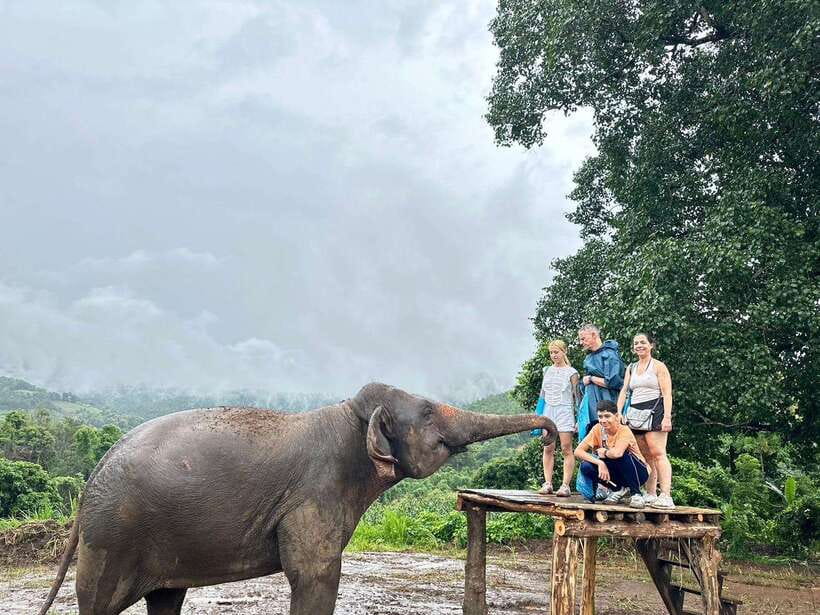
Food is included, along with drinking water, fresh seasonal fruit, and Thai desserts. The meal is a useful part of the package because you are spending a full day away from Chiang Mai, not just a few hours at an attraction.
One especially positive detail is the hot lunch served in tiffin-style containers. The food is described as homemade and local, rather than a generic tourist buffet. You may also meet people connected with the sanctuary, including the owner mentioned during one visit.
Do not expect an elaborate restaurant meal. This is practical excursion food after a warm morning around animals and water. That is exactly what you need. The fresh fruit and Thai sweets provide a welcome finish, though anyone with dietary restrictions should confirm arrangements before booking because specific menu details are not provided.
The timing of lunch can shift. The written plan places the meal around the transition from the sanctuary to the waterfall, while the day’s description presents lunch after the water activities. Weather, road conditions, and the group’s pace may affect the order.
Hiking to Mae Wang Waterfall
After leaving the elephant sanctuary, the outing continues with a short forest hike to Mae Wang Waterfall. The walk gives the day a second focus: you move from animal care to the natural setting that surrounds the sanctuary.
The hike is described as easy by some accounts, but you should not treat it as a paved stroll. Bring sports shoes or trainers and hiking pants. In wet weather, roots, rocks, and paths can become slick.
Mae Wang Waterfall comes from Doi Inthanon Mountain. It is a pleasant place to cool off, but swimming is not guaranteed. The operator warns that heavy rain can make the water unsafe, so safety takes priority over the planned swim. The group may also visit a nearby alternative waterfall if the first site is unavailable.
This flexibility is useful, but it means the waterfall portion is less predictable than the elephant visit. Water levels, rain, and trail access can change the experience. If you are booking mainly for a swim, keep your expectations modest. If you want a nature break after the sanctuary, the stop adds welcome variety.
Allow about an hour for the waterfall visit. You may have time to relax, walk, take pictures, or get into the water if conditions are safe. Bring cash for personal needs, since cash is included on the suggested packing list and no other spending details are specified.
Is $50 a fair price?
At $50 per person, this tour offers solid value if you want several activities in one day. The price includes central Chiang Mai transfers, an English-speaking guide, drinking water, lunch, and the food used to feed the elephants. You also get roughly three hours at the sanctuary and a waterfall visit.
The travel time is the main tradeoff. You are paying not only for elephant care but also for the van, staff, food, and a full day of organization. A shorter experience closer to Chiang Mai might suit you better if you dislike long drives or want a quieter, more private visit.
The high current rating of 4.9 from 5,780 bookings reflects strong satisfaction with the guides, animal care, organization, food, and overall value. I would still read the practical details carefully. A high score cannot remove the muddy trail, wet clothes, group pacing, or weather risk.
Free cancellation up to 24 hours before departure and the option to reserve without paying immediately make this easier to fit into a changing Chiang Mai schedule. Pickup is limited to Chiang Mai city center, so confirm the meeting arrangement if you are staying outside that area.
Who should book this Chiang Mai day trip?
I would recommend it to you if you want meaningful elephant contact without riding or animal performances. It suits people who enjoy a full outdoor day, do not mind a long van ride, and like combining wildlife, food, local scenery, and a waterfall.
Families with children older than two have used the outing successfully, including one family with children aged four and seven and another with a three-year-old. The formal restrictions say children under two are not suitable, so check your child’s comfort around large animals and wet, uneven ground.
This is not a good match if you have significant mobility limits, back or heart problems, vertigo, epilepsy, respiratory problems, recent surgery, or a low fitness level. The provider also lists pregnancy, high blood pressure, animal allergies, insect allergies, motion sickness, and age over 70 as restrictions. Wheelchair users and people with visual or hearing impairments are also listed as unsuitable.
Those rules are broad, but they are worth taking seriously. The day includes a long ride, outdoor walking, water activities, uneven ground, heat, insects, and close contact with elephants.
What to pack for a dry and comfortable day
Bring swimwear, a towel, and a complete change of clothes. You may get wet during the river activity and waterfall stop, and a dry outfit will make the return drive much more pleasant.
Wear trainers or sports shoes for the forest trail. Pack sandals for the river, but do not rely on flip-flops for the hike. Hiking pants are more practical than delicate shorts if the trail is muddy or brushy.
Also bring sunscreen, insect repellent, personal medicine, a camera, and some cash. The operator requests your passport number for insurance details, so have that information available when booking.
Should you book the Pon Elephant Thailand tour?
Book it if you want a hands-on but welfare-focused elephant experience with plenty of time around the animals, followed by a waterfall and a local Thai meal. The strongest reasons are the no-riding policy, the reported care for rescued elephants, the time spent observing natural behavior, and the consistently warm guide service.
Skip it if you want a short, private outing, guaranteed swimming, or a polished attraction with no mud or long driving. For the right person, $50 is a fair deal for transport, food, guidance, elephant care activities, and a full day in Mae Wang. Just pack properly, stay flexible about the waterfall, and let the elephants set the pace.
FAQ
How long does the Chiang Mai elephant and waterfall tour last?
The stated duration is seven hours. The day includes travel of about 80 minutes each way, around three hours at Pon Elephant Thailand, and about one hour at Mae Wang Waterfall. Actual timing can change with conditions and the group’s pace.
Is hotel pickup included?
Hotel transfers are included for hotels in Chiang Mai city center. You can also meet the guide at the Pon Elephant Thailand office in town, depending on the option selected.
How far is the sanctuary from Chiang Mai?
Pon Elephant Thailand is about an 80-minute drive from Chiang Mai in Mae Wang district.
Can I ride the elephants?
No. Elephant riding is prohibited on this tour.
Are the elephants forced to perform?
The tour information states that elephants are not forced to perform activities. The program focuses on feeding, walking, observation, and bathing.
Can I feed and bathe the elephants?
Yes. Food for feeding the elephants is included, and the activities include feeding, touching, walking with, and bathing them in the river.
Is lunch included?
Yes. Lunch, drinking water, seasonal fruit, and Thai desserts are included.
Can I swim at Mae Wang Waterfall?
Swimming depends on safety conditions. Heavy rain can make the water unsafe, so you may not be able to swim.
What should I bring?
Bring swimwear, a towel, a change of clothes, sandals, sports shoes, sunscreen, insect repellent, a camera, cash, hiking pants, and any personal medicine you need.
Just added in Chiang Mai
- Full Day Doi Saket Hiking Tour★ 5.0 · 14 reviews
- Pha Dok Siew Nature Trail & Doi Inthanon National Park From Chiang Mai★ 4.0 · 23 reviews
- One day Elephants in Nature Experience & Grand Canyon Jumping★ 5.0 · 31 reviews
- Chiang Mai to White & Blue Temple, Black Museum & Golden Triangle★ 4.0 · 52 reviews
- One day Doi Inthanon National Park & Trekking on Kew Mae Pan★ 5.0 · 12 reviews
- Private Tour 2 Difference Trails Trekking at Doi Inthanon National Park★ 5.0 · 19 reviews
- One Day Hiking and Elephant experience by Chiang Mai Elephant Home★ 5.0 · 75 reviews
- Half day Long Neck hill tribe and Hmong hill tribe village★ 5.0 · 21 reviews
Elephant Sanctuary Tours, compared.
Elephant Sanctuary, Waterfall & Bamboo Rafting
Read our review →
Elephant Sanctuary Feeding Program Half-Day Tour
Read our review →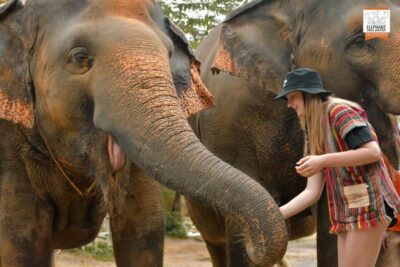
Elephant Jungle Sanctuary Ethical Feeding Experience
Read our review →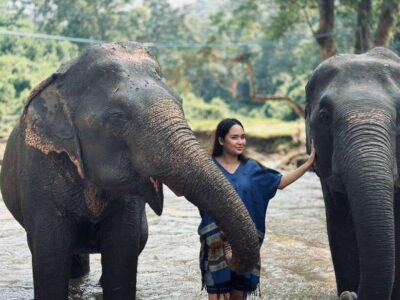
Elephant Sanctuary, Long Neck & Sticky Waterfall
Read our review →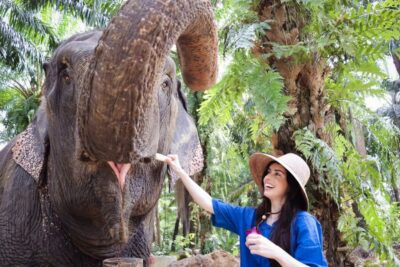
Elephant Bathing Session at Krabi Elephant Shelter
Read our review →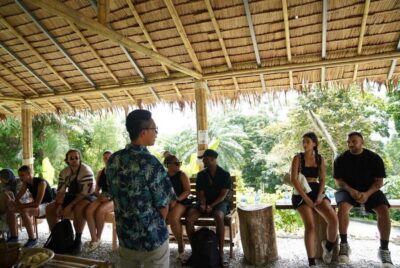
Elephant Sanctuary Guided Tour with Hotel Transfers
Read our review →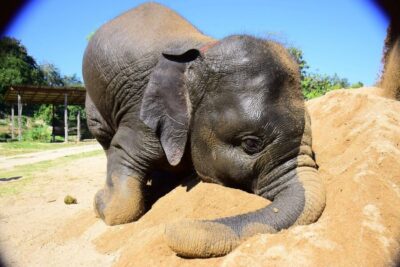
A Morning with the Elephants at Phuket Elephant Sanctuary
Read our review →Browse the lists this tour appears in