
Reviewed · ELEPHANT SANCTUARY TOURS
From Chiang Mai: Elephant Care Program and Nursery Tour
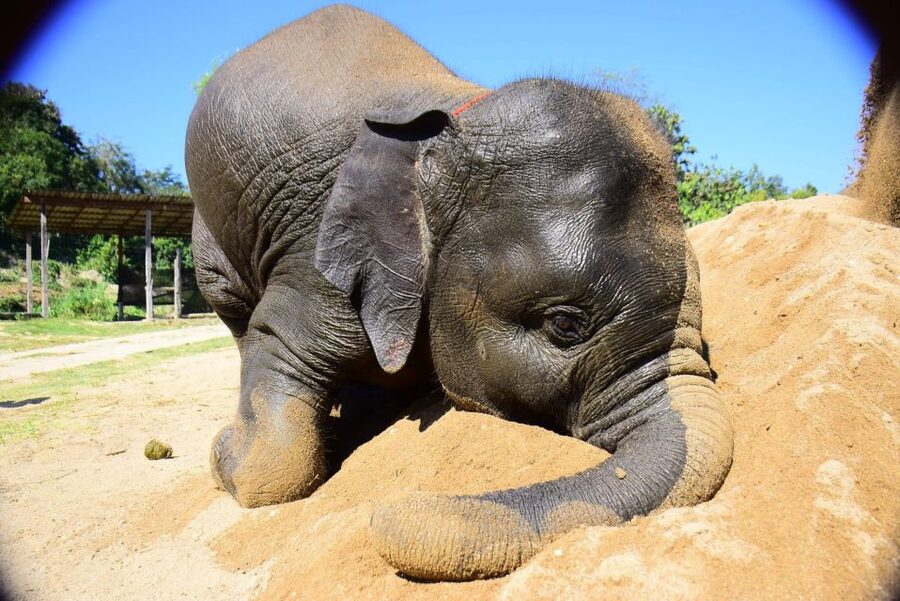
Mud, bananas, and happy elephants make a fine day. This half-day trip from Chiang Mai takes you to Elephant Retirement Park in Mae Tang district, where you help prepare food, feed rescued elephants, watch them play, and join the mud and bathing activities. I especially like the close look at elephant behavior and the chance to spend time with a baby elephant. The main consideration is simple: this is a wet, muddy activity, so bring a full change of clothes or you may end up skipping the best part.
I also like the sensible length, roughly five to six hours, and the fact that hotel pickup, a Thai buffet lunch, drinking water, and elephant food are included. Guides such as Francesco, Tin, Disney, Tim, and Aom have received warm praise for their explanations and care. The ride from central Chiang Mai takes about an hour each way, so the day includes a fair amount of road time.
In This Review
- Five things to know before you book
- The one-hour ride from Chiang Mai to Mae Tang
- Changing into local clothes and meeting the elephants
- Preparing medicine balls and feeding bananas
- Walking with elephants who choose the route
- Mud, sand, and the most memorable part of the day
- Bathing the elephants and getting the photographs
- Thai buffet lunch after the mud
- What the $53 price really covers
- How ethical is the program?
- Who will enjoy this Chiang Mai elephant tour?
- Small details that make the day easier
- Should you book it?
- FAQ
- How long does the elephant care program take?
- Is hotel pickup included?
- What activities do you do with the elephants?
- Is lunch included?
- What should I bring?
- Are professional photographs included?
Five things to know before you book
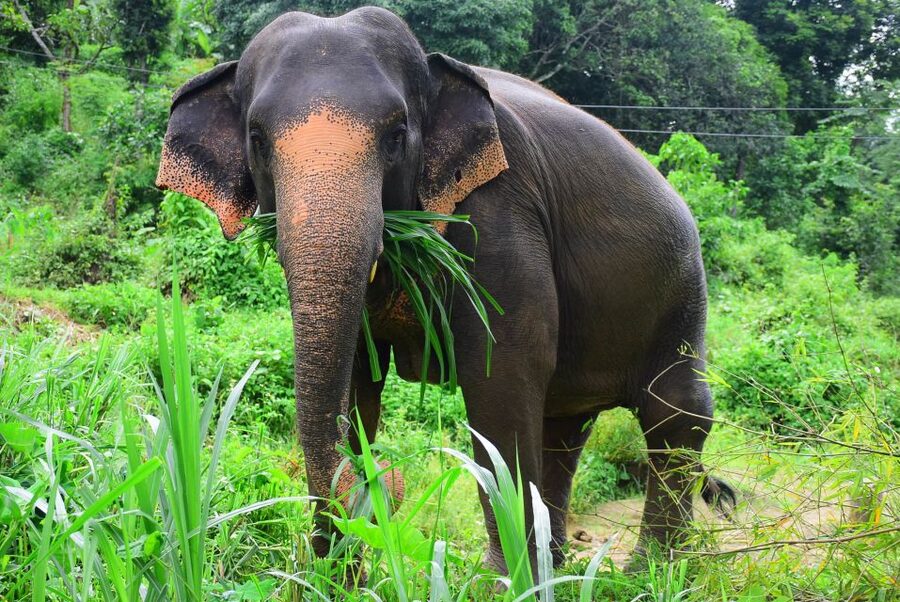
- The elephants set the pace: The program says elephants are not forced to join any activity, and you follow them rather than make them follow you.
- You get genuinely hands-on care: You prepare healthy treats, make medicine balls, feed the elephants, and help with mud and bathing.
- A six-month-old baby may be part of the group: The young elephant has been a favorite part of the experience, but animal behavior can never be promised.
- The group can feel intimate: One report described a very good guest-to-elephant ratio, while another found 20 to 25 people on a busier day.
- Pack for water, mud, and insects: Swimwear, spare clothes, flip-flops, insect repellent, and personal medication are the useful basics.
The one-hour ride from Chiang Mai to Mae Tang
Your morning begins with hotel pickup in Chiang Mai city center. Transfers cover hotels within five kilometers of the Old Town, and the operator confirms the pickup time again after booking. If your accommodation falls outside the pickup area, contact the operator before the day of the tour.
The drive to Mae Tang district takes about an hour. That is not a quick hop, but it is reasonable for a countryside program and keeps the outing within a manageable half-day. You can use the ride to rest, especially since you will spend much of the morning standing, walking, feeding, and getting wet.
Transport quality may vary with the vehicle and driver. Several people praised punctual pickup and a comfortable van, while one person found the seatbelts lacking and felt uneasy during the drive. I would treat the transport as practical rather than luxurious. Confirm the pickup details, keep valuables close, and wear clothes you do not mind changing out of later.
More Elephant Sanctuary Tours in Chiang Mai
- Chiang Mai: Elephant Sanctuary, Waterfall & Bamboo Rafting
★ 4.9 · 9,160 reviews - Chiang Mai: Elephant Sanctuary & Waterfall Group Tour
★ 4.9 · 5,780 reviews - Chiang Mai: Elephant Sanctuary Feeding Program Half-Day Tour
★ 4.8 · 4,527 reviews
Changing into local clothes and meeting the elephants
At the park, you change into local clothing supplied by the program. This is useful for two reasons. It gives the activity a local touch, and it keeps your own travel clothes a little safer from mud, water, and elephant slobber.
The introduction focuses on Asian elephants, their behavior, and the basics of proper care. This part matters because the day is not just a photo stop. You learn how to approach the animals, how to provide food, and how to watch their signals. Guides have been praised for explaining individual elephants and answering questions, with Francesco and Tin singled out for their clear and friendly teaching.
You might meet around six elephants of different ages, including a young elephant. The exact group can change, but the program centers on rescued elephants living at a retirement park. The appeal is the chance to see individual personalities rather than simply stand beside an elephant for one quick photograph.
Pay attention to the handlers as they explain the animals. A large elephant can look calm while still needing space, and a playful youngster can be surprisingly energetic. The best moments often come from watching how the elephants choose to interact, not from trying to get the perfect pose.
Preparing medicine balls and feeding bananas
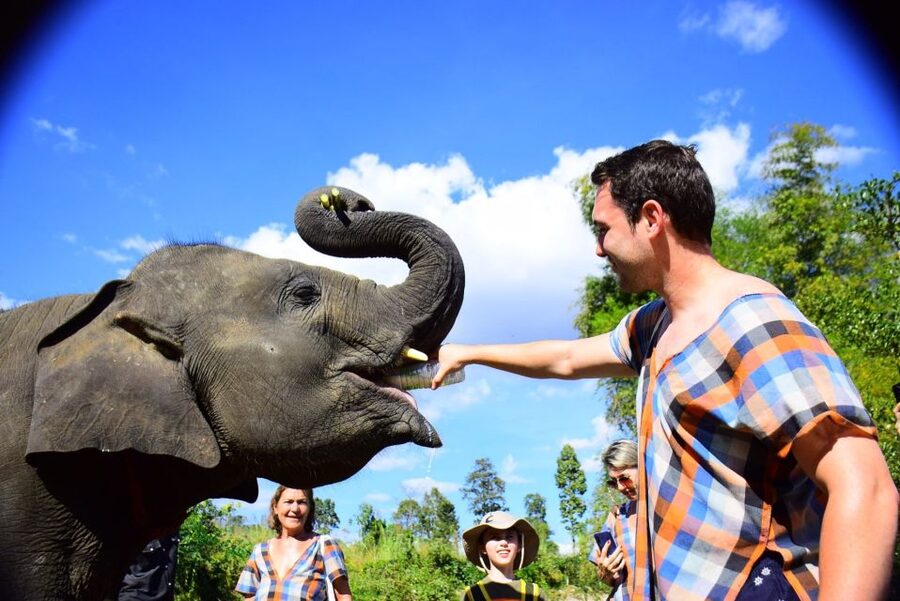
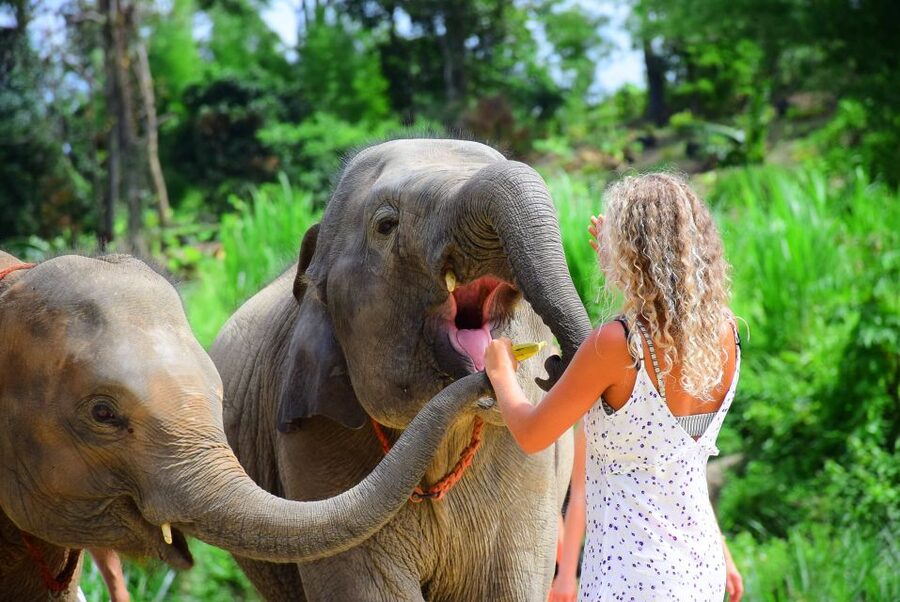
The first hands-on task is preparing food and healthy treats. Some sessions include medicine balls, which you help make before feeding them to the elephants. You also feed bananas and other food supplied by the park.
This is a good part of the program for children and adults who want a close encounter without immediately getting soaked. Feeding gives you a reason to observe the elephant’s trunk, mouth, and manners. It also turns the encounter into a care activity rather than a simple performance.
The staff supplies the elephant food, so you do not need to bring snacks from Chiang Mai. Follow the instructions carefully and let the handlers control the pace. An elephant’s trunk is powerful, even when it is reaching gently for a banana.
The feeding sessions can also become busy if several people crowd around one animal. A small group makes this easier, and one person specifically praised the ratio between the number of people and elephants. On busier days, you may need to wait your turn. That is a minor inconvenience, and it is better than rushing the animals.
Walking with elephants who choose the route
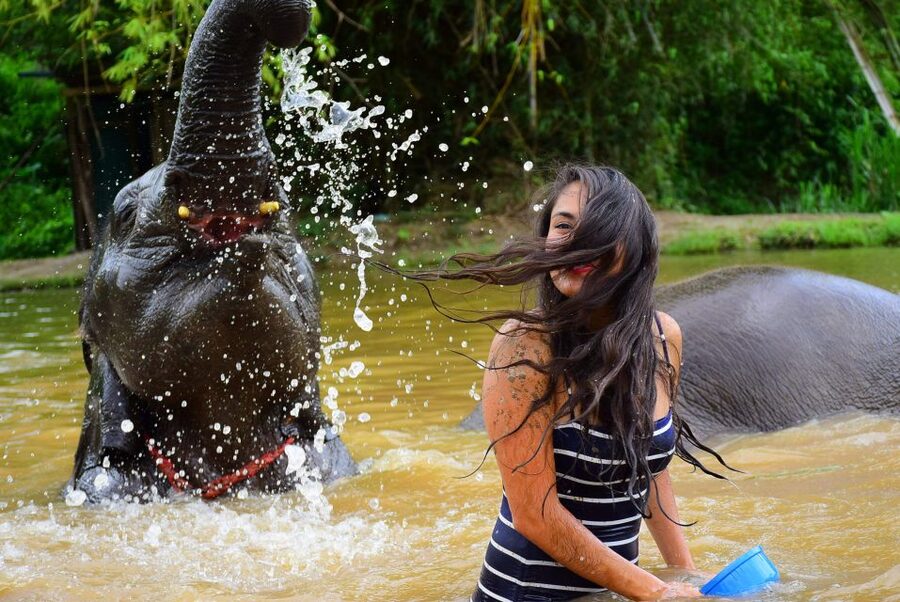
After feeding, you walk with the elephants toward the mud and sand spa. The important detail is that the elephants are free to move and participate on their own terms. You follow them rather than direct them.
That principle changes the feel of the outing. The walk is less like an organized animal show and more like time spent observing animals as they move through their space. You may find that the elephants pause, wander, or lose interest in an activity. That is part of the point.
The walk also gives you a chance to see behavior away from a feeding platform. Watch for how the elephants respond to one another, how the caretakers stay nearby, and how the young elephant interacts with the older animals if one is present that day.
Do not arrive expecting a tightly timed display. The program can offer a set sequence, but the animals remain the deciding factor. That may mean fewer staged moments, but it also makes the encounter feel more respectful.
A completely different kind of day out:
- Half-Day Thai Cooking Class at Organic Farm in Chiang Mai
★ 5.0 · 19,087 reviews - Chiang Mai: Doi Inthanon National Park Eco-Friendly Tour
★ 4.6 · 6,667 reviews - Chiang Mai: Chiang Rai Temples, Karen Tribe and Hot Springs
★ 4.7 · 5,401 reviews - Chiang Mai: Cooking Class, Market & Thai Herbs Garden Tour
★ 4.9 · 4,824 reviews
Mud, sand, and the most memorable part of the day
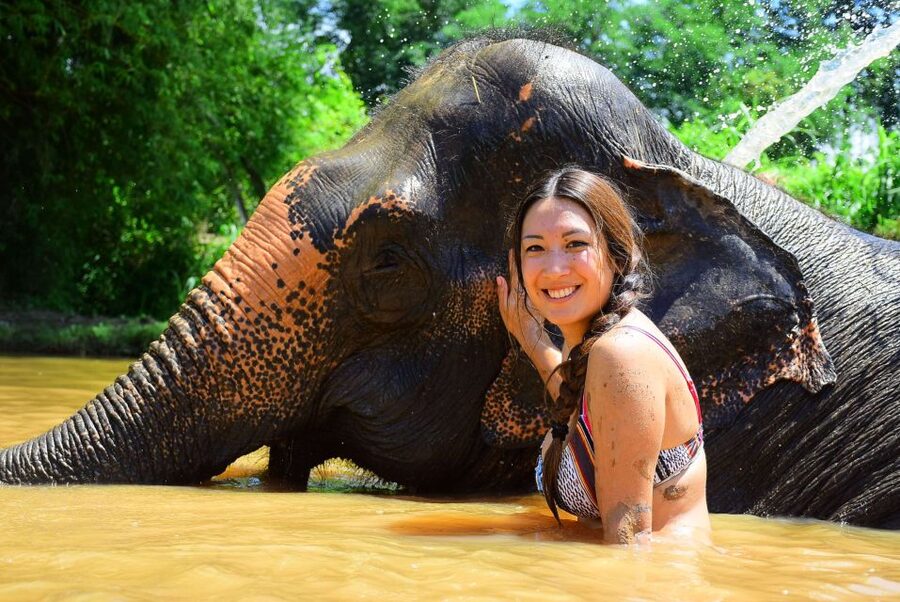
The mud pool and sand spa are the signature activities. You can watch the elephants play or join in, depending on the animals and the instructions from the care team. The mud gives the elephants a chance to coat themselves, while you get a close view of their playful side.
For many people, this is the highlight. You may get splashed, covered in mud, and asked to accept that clean clothes are no longer part of the plan. It is messy in the best possible way, but only if you pack properly.
Bring swimwear, a change of clothes, flip-flops, and a bag for wet clothing. Insect repellent is also sensible, and personal medication should stay with you. One person specifically noted that several people could not join the mud or bath activity because they had failed to bring spare clothes. Read the packing list, then follow it.
The park provides shower facilities, soap, and simple towels. The facilities have been described as clean, including the bathrooms, but this is still a straightforward rural setup rather than a spa hotel. Expect function, not luxury.
Bathing the elephants and getting the photographs
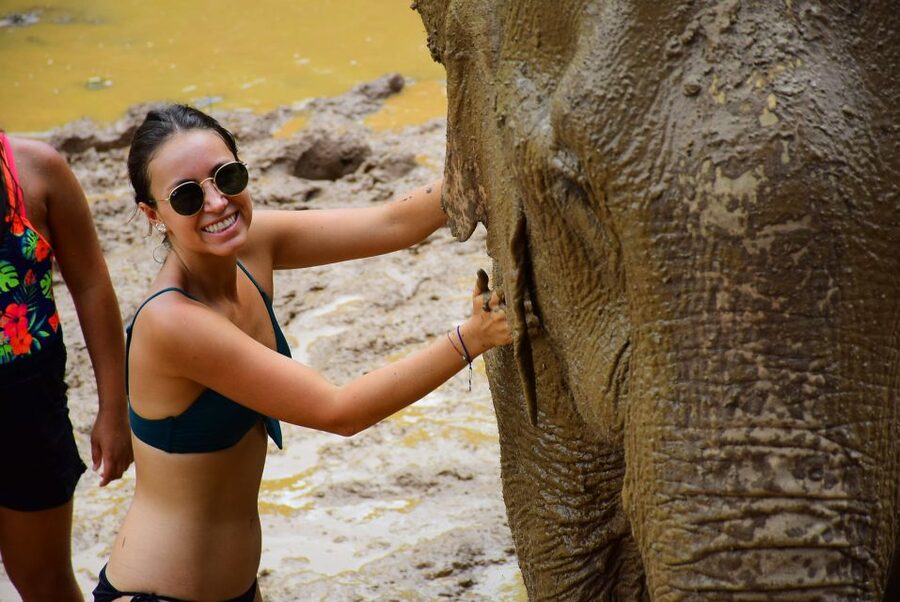
After the mud activity, you wash the elephants. This can mean standing near the water, splashing them, and helping remove the mud. The elephants may splash you back. You can watch if an animal does not want to take part, and the program says no elephant is forced into an activity.
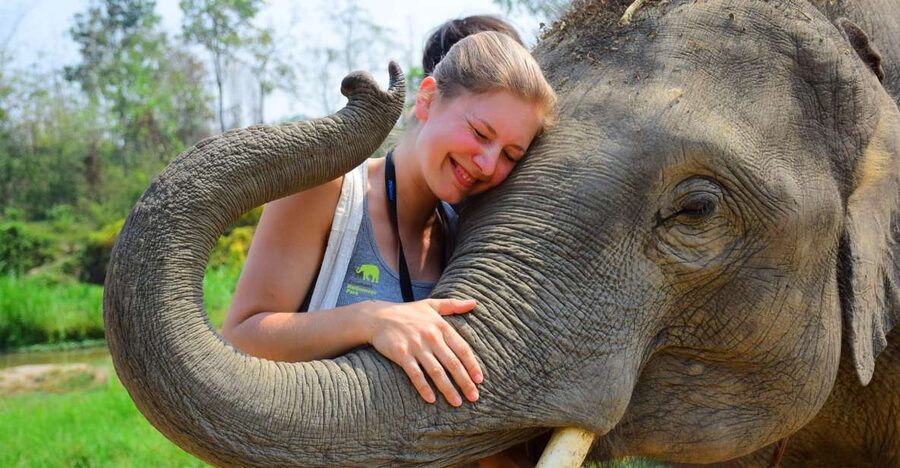
Bathing offers a different kind of contact from feeding. You are close to the animals, but the emphasis remains on care. You can see their size, skin texture, and relaxed behavior at close range. It is also the part that makes a spare outfit essential.
A photographer is often on site, and the staff may also take pictures with your own camera or phone. Professional photo packages are not included in the $53 tour price. Prices recorded in the information vary by session, from about 500 to 800 baht, so check the current cost before buying.
The photo service can be useful because you can concentrate on the elephants instead of handing your camera to another person. One person bought a package of more than 250 images for 800 baht, while another mentioned about 70 images for 700 baht. The exact offer clearly changes. You can view the photographs before deciding, and proceeds from photo purchases are described as supporting elephant care.
Thai buffet lunch after the mud
Once the elephant activities finish, you change, shower, and sit down to lunch. The meal is a traditional Thai buffet with vegetarian food available. Pad Thai and vegetable fried rice have been specifically praised as simple, tasty options.
Do not expect a long restaurant meal with a large menu. Think of it as a welcome, filling break after an active morning. Coffee, tea, and drinking water are included, which is helpful in Chiang Mai’s heat.
Lunch also gives you time to settle down and talk with the guides. If you have questions about the elephants, this is a good moment to ask. The strongest part of the program is not only the touching and feeding, but the care information that puts those activities in context.
What the $53 price really covers
At $53 per person, this is a strong value if you want a half-day elephant encounter with transportation. The fee covers round-trip hotel transfers within the stated Chiang Mai area, an English-speaking guide, elephant food, drinking water, coffee, tea, and a vegetarian Thai buffet lunch.
A comparable self-arranged visit would still require transport to Mae Tang and back, plus food and an organized introduction to the elephants. Here, the day is bundled into one booking, and the money is intended to support the park’s rescue and care work.
The value also depends on what you want from an elephant experience. If you want a quiet, observation-only visit with no touching, this program may feel too hands-on. If you want to feed, prepare treats, get muddy, bathe elephants, and take photographs, it offers a lot for the price.
Remember the extras. Photos cost more, and purchases such as elephant clothing may also be available separately. These are optional, but the money is described as helping with food, hospital stays, and future rescues.
How ethical is the program?
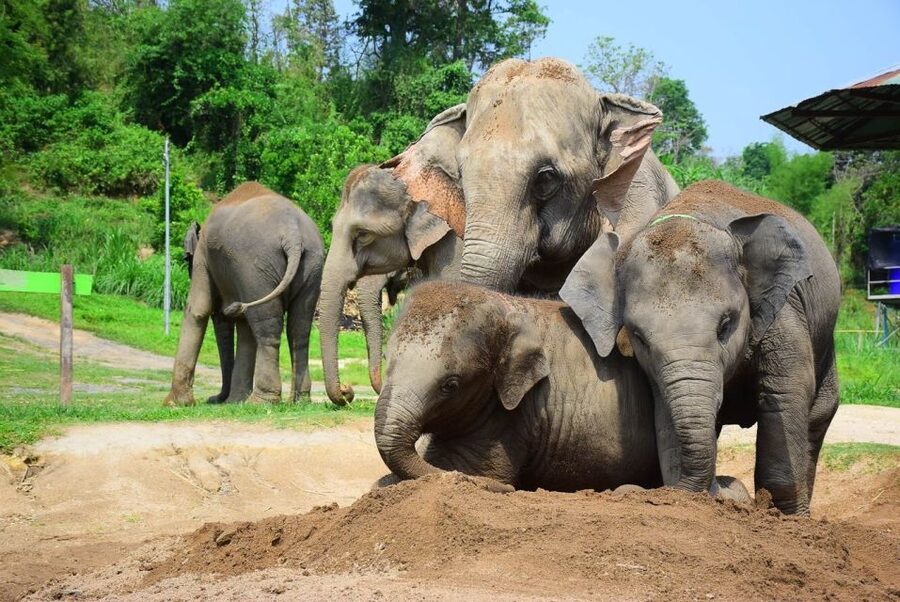
No elephant encounter should be judged only by the word ethical. You should look at the actual practices. Here, the key promise is that elephants are not forced to perform or join activities. The program also says the animals are free to decide whether to participate, and you follow them during the walk.
The strongest signs described by the experience are the focus on rescued elephants, care education, and the absence of staged tricks. Several people felt the animals were well cared for, and the caretakers were repeatedly praised for their affection and attention.
Still, you are entering the elephants’ space and taking part in close contact. That means you should listen to the guides, avoid crowding an animal, and accept a refusal. An ethical visit is not one where you get every photograph you want. It is one where the animal’s welfare comes first.
The park’s rescue purpose is another reason to visit, but do not treat the admission fee as a complete answer to elephant welfare in Thailand. Use the day to learn, observe, and support responsible care while keeping your expectations realistic.
Who will enjoy this Chiang Mai elephant tour?
I would recommend this program to you if you want:
- A half-day outing rather than an overnight elephant stay
- Hotel pickup and lunch included
- Close contact with rescued elephants
- A chance to prepare food and medicine balls
- Mud, bathing, and plenty of photographs
- A family-friendly activity with an especially appealing baby elephant
- An English-speaking guide who can explain elephant behavior
You should think twice if you dislike getting wet, muddy, or close to large animals. You also need enough mobility for walking between activities and changing clothes afterward, though the supplied information does not give specific accessibility details.
The program works particularly well for first-time elephant encounters. It gives you a clear sequence, practical instruction, time with several elephants, and a chance to ask questions. People who have already visited another elephant facility should expect a different style here, with medicine preparation, feeding, mud play, and bathing rather than a quick photo opportunity.
Small details that make the day easier
Wear swimwear under clothing that changes easily. Flip-flops are better than shoes you need to keep clean, and a plastic or waterproof bag will help contain wet clothes afterward.
Bring insect repellent and any personal medication. Drinking water is provided, but you should still arrive ready for a warm outdoor activity.
Keep your phone protected around the mud pool and bath. If you want photographs but do not want to risk your own device, the on-site photographer can record the activities. You can review the professional images before paying.
Pickup is included from hotels within five kilometers of the Old Town. The operator reconfirms the time after booking, so watch for that message and be ready before the stated pickup.
The tour has a 4.8 rating from 1,899 bookings, which fits the broad pattern of praise for the guides, clean facilities, food, punctual transfers, and elephant care. The few practical cautions are crowding on some days, vehicle comfort, and the need to bring spare clothes.
Should you book it?
I would book this tour if you want the classic Chiang Mai elephant day, but with care and education built into the schedule. Feeding, making medicine balls, walking behind the elephants, playing in mud, and washing them gives you far more substance than a short staged encounter.
The best reason to choose it is the balance of access and restraint. You get close, but the elephants are meant to choose whether they take part. The best practical reason is the package: transport, guide, lunch, drinks, and elephant food are covered for $53.
Book it if you can accept that the animals control the timing. Bring spare clothes, protect your phone, and budget separately for photographs if you want them. If that sounds like your kind of day, this is one of the stronger elephant-care options around Chiang Mai.
FAQ
How long does the elephant care program take?
The experience lasts about five to six hours, including transportation from Chiang Mai city center and the return journey.
Is hotel pickup included?
Yes. Round-trip pickup and drop-off are included for hotels within five kilometers of Chiang Mai’s Old Town. If your hotel is outside the service area, contact the operator after booking.
What activities do you do with the elephants?
You prepare food and healthy treats, feed the elephants, make medicine balls in some sessions, walk with them, watch or join their mud and sand spa, and help bathe them.
Is lunch included?
Yes. A Thai buffet lunch is included, with vegetarian food available. Drinking water, coffee, and tea are also provided.
What should I bring?
Bring swimwear, a complete change of clothes, flip-flops, insect repellent, and personal medication. A bag for wet clothes is also useful.
Are professional photographs included?
No. A photographer may take pictures during the program, but photo packages cost extra. You can view the photographs before deciding whether to buy them.
Just added in Chiang Mai
- Full Day Doi Saket Hiking Tour★ 5.0 · 14 reviews
- Pha Dok Siew Nature Trail & Doi Inthanon National Park From Chiang Mai★ 4.0 · 23 reviews
- One day Elephants in Nature Experience & Grand Canyon Jumping★ 5.0 · 31 reviews
- One day Doi Inthanon National Park & Trekking on Kew Mae Pan★ 5.0 · 12 reviews
- Private Tour 2 Difference Trails Trekking at Doi Inthanon National Park★ 5.0 · 19 reviews
- Chiang Mai to White & Blue Temple, Black Museum & Golden Triangle★ 4.0 · 52 reviews
- Half day Long Neck hill tribe and Hmong hill tribe village★ 5.0 · 21 reviews
- One Day Tour Chiang Rai(White Temple , Blue Temple, Black House) Private Tour★ 5.0 · 63 reviews
Elephant Sanctuary Tours, compared.
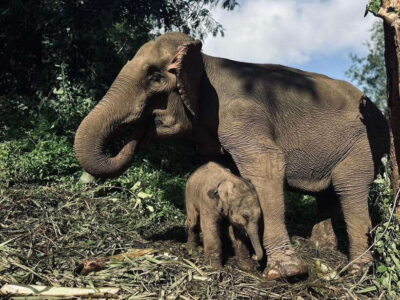
Elephant Sanctuary, Waterfall & Bamboo Rafting
Read our review →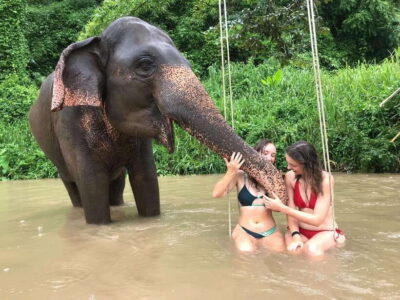
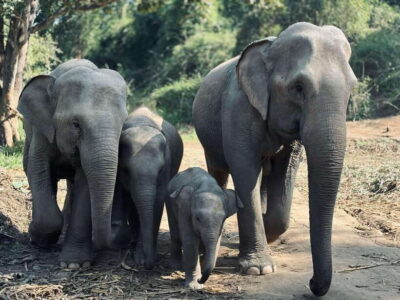
Elephant Sanctuary Feeding Program Half-Day Tour
Read our review →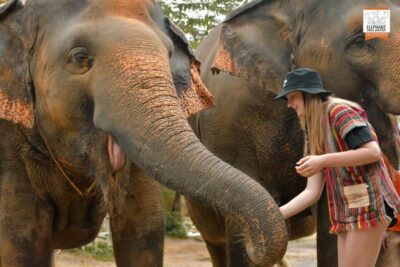
Elephant Jungle Sanctuary Ethical Feeding Experience
Read our review →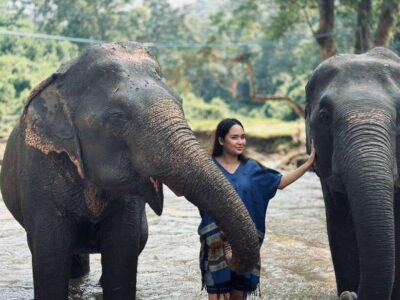
Elephant Sanctuary, Long Neck & Sticky Waterfall
Read our review →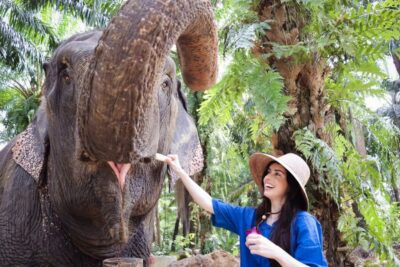
Elephant Bathing Session at Krabi Elephant Shelter
Read our review →
Elephant Sanctuary Guided Tour with Hotel Transfers
Read our review →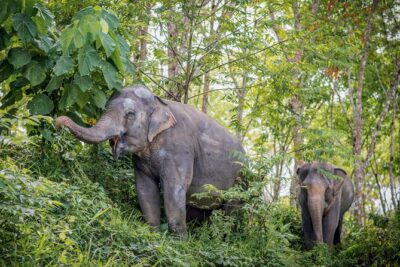
A Morning with the Elephants at Phuket Elephant Sanctuary
Read our review →Browse the lists this tour appears in