
Reviewed · ELEPHANT SANCTUARY TOURS
Rantong elephant sanctuary Chiangmai
Elephants set the pace here. Rantong Elephant Sanctuary gives you four hours of feeding, walking beside, and bathing rescued elephants rather than riding them. I like the close contact and the clear no-horseback-riding policy, plus the useful transport, food, water, and changing clothes included in the price. My main caution is ethical: bathing and close handling may not suit everyone seeking a hands-off sanctuary visit.
The outing costs $57 per person and includes pickup near Chiang Mai’s Old City, an English- or Chinese-speaking guide, elephant food, insurance, and a meal. You can expect an easy, active morning or afternoon, but the exact meal depends on the departure time, with lunch listed for the morning program and dinner for the afternoon program.
In This Review
- Key points to know before you book
- Meeting Rantong’s rescued elephants
- The ride from Chiang Mai Old City
- Coffee, tea, and the countryside setting
- Feeding the elephants by hand
- Walking among elephants, with no riding
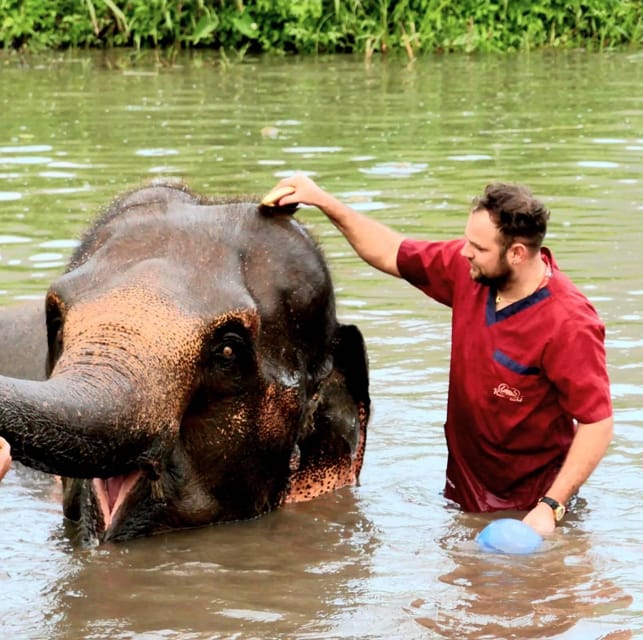
- Bathing time: fun, wet, and ethically important
- The included meal depends on your departure
- What $57 really buys you
- Guides, languages, and comfort
- Who will enjoy Rantong most
- A practical half-day plan
- Should you book Rantong Elephant Sanctuary?
- FAQ
- Where is Rantong Elephant Sanctuary located?
- How long does the experience last?
- Can I ride the elephants?
- What meals are included?
- What languages do the guides speak?
- Can I cancel or pay later?
Key points to know before you book
- Four hours with rescued elephants: Feed them, walk among them, and take part in bathing.
- No horseback riding: The program focuses on ground-level contact instead of riding.
- Pickup within three kilometers of Chiang Mai Old City: Transportation is included in the $57 price.
- Changing clothes are provided: Water, towels, and bathing supplies help with the wet part of the visit.
- A real ethical question: The camp rescues abused, injured, and maltreated elephants, but close contact and bathing may feel too hands-on for some people.
- A small but useful language choice: Guides speak English or Chinese, making the animal-safety instructions easier to follow.
Meeting Rantong’s rescued elephants
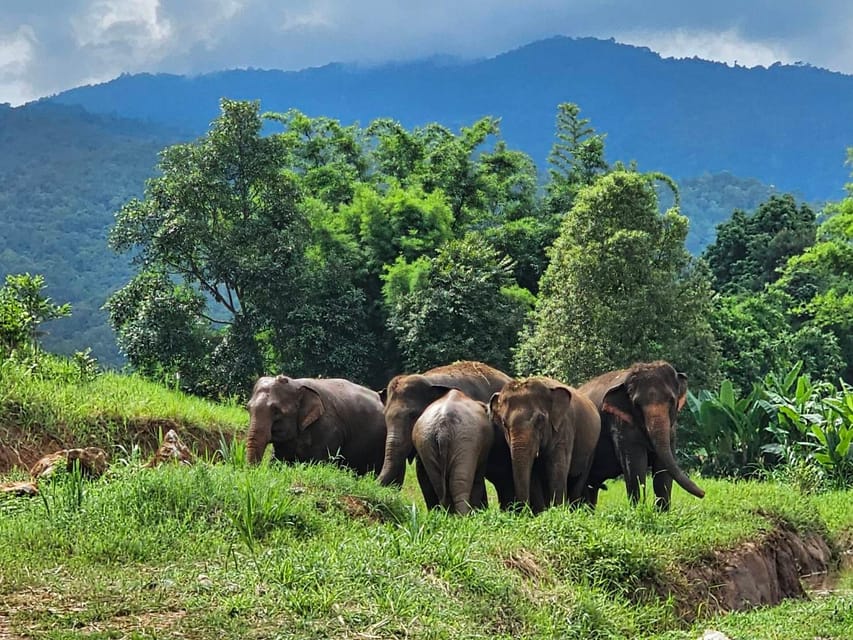
Rantong presents itself as a refuge for elephants that have suffered abuse, injury, or neglect. Its stated goal is to give them a better life, and the program asks visitors to support that work by joining the camp activities.
That mission gives the visit more weight than a simple animal photo stop. Your payment helps keep the camp running, and your time there supports food, care, and day-to-day operations. At the same time, you should look closely at what the visit involves. This is not a strictly observational program.
You will feed the elephants, walk near them, and take part in bathing. For many people, that is the appeal. You can see their strength up close, then watch them behave gently and intelligently around people. For others, any organized contact with elephants raises questions about training, control, and animal choice.
I would treat this as a hands-on elephant camp with a rescue mission, not assume that the word sanctuary settles every ethical concern. One person gave the experience three stars after feeling uncomfortable with some of the activities offered for tourists. That concern is fair, and you should consider it before paying.
More Elephant Sanctuary Tours in Chiang Mai
- Chiang Mai: Elephant Sanctuary, Waterfall & Bamboo Rafting
★ 4.9 · 9,160 reviews - Chiang Mai: Elephant Sanctuary & Waterfall Group Tour
★ 4.9 · 5,780 reviews - Chiang Mai: Elephant Sanctuary Feeding Program Half-Day Tour
★ 4.8 · 4,527 reviews
The ride from Chiang Mai Old City
Your day begins with pickup from your hotel or accommodation within three kilometers of Chiang Mai Old City. Transportation is included, which makes the $57 price easier to judge. You do not need to arrange a separate taxi to reach the camp, and the drive itself offers a view of everyday Chiang Mai life.
The transport is described as a cultural view of Chiang Mai, though no precise driving time or vehicle type is provided. You should allow some flexibility around pickup, since hotel transfers can take time when several people are collected.
The pickup area is convenient if you are staying in the Old City. If your accommodation is farther away, confirm the meeting point before booking, since the free pickup radius is limited to three kilometers.
The program is listed as wheelchair accessible. Still, access at the elephant camp itself is not described in detail, so I would contact the provider before booking if you need information about paths, bathing areas, or transfers from the vehicle.
Coffee, tea, and the countryside setting
The half-day visit takes place in Chiang Mai Province and includes a guided outing around the camp. Coffee and tea are listed among the activities, along with a walk and camp time.
That combination gives the morning or afternoon a relaxed rhythm. You are not simply dropped beside an elephant and rushed through a photo opportunity. The day includes transport, refreshments, animal feeding, a guided walk, and time for bathing.
The exact order of these activities is not specified. You might have coffee or tea before the elephant session, or receive it as part of the wider camp visit. Ask the guide at the start so you know how the four hours will be divided.
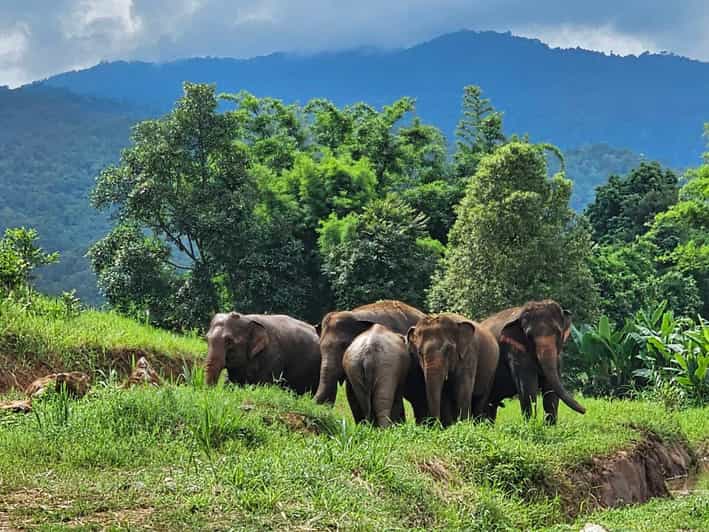
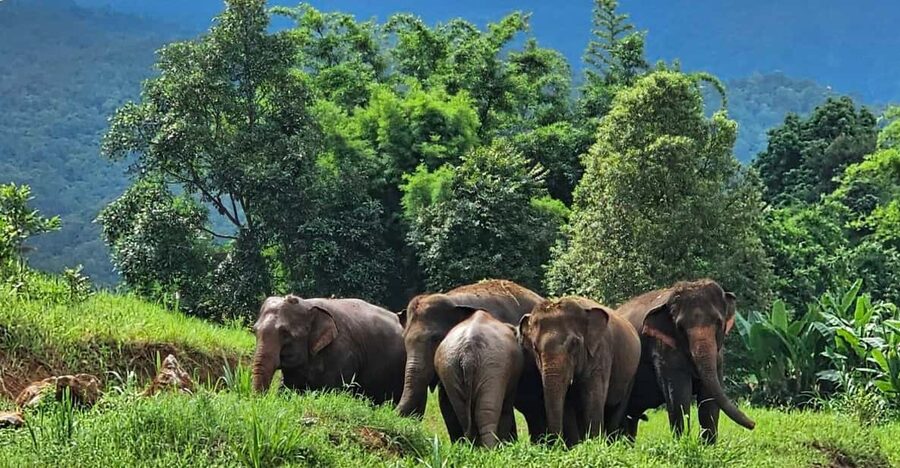
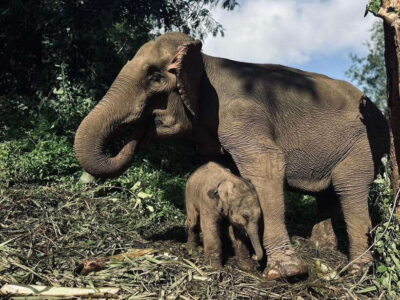
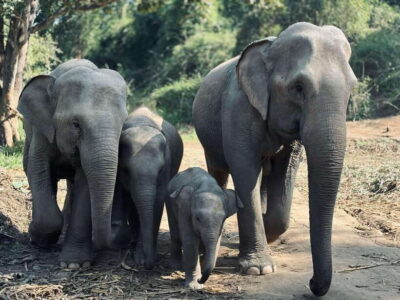
The setting matters here. The elephants are described as living freely around the camp, and one account specifically noted a beautiful place where rescued elephants could walk around without being confined to a small display area. Baby elephants may also be present, although you should not book with a guarantee of seeing them.
Feeding the elephants by hand
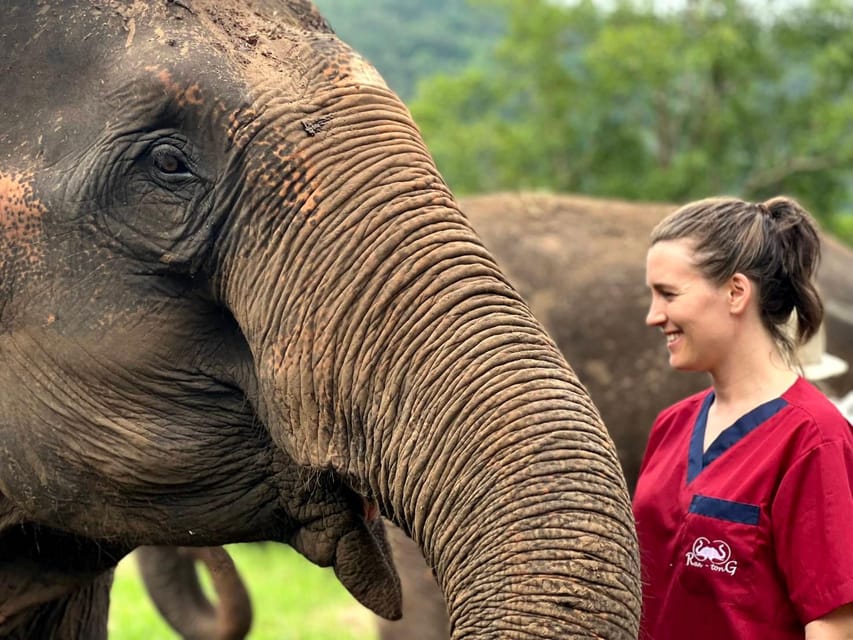
Feeding is one of the strongest parts of the program. Food for the elephants is included, so you do not need to bring treats or pay extra at the camp.
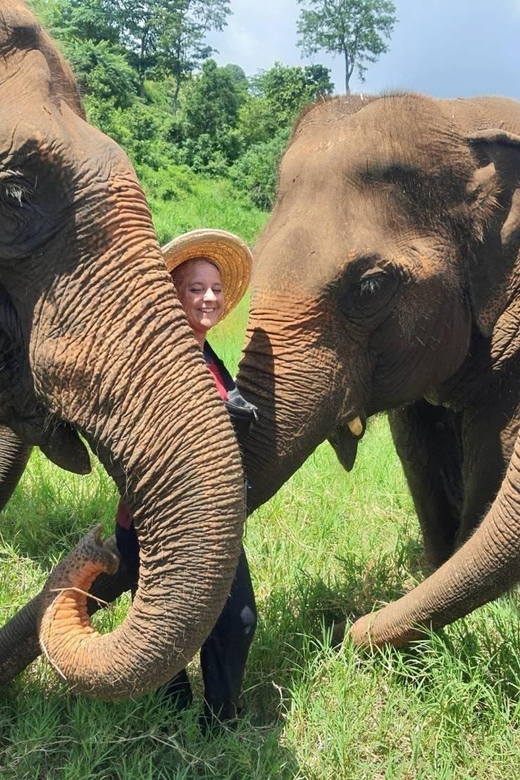
Hand-feeding changes the way you look at these animals. You notice the size and power of an elephant, but also the careful way it takes food. The camp says the elephants can show both strength and gentleness, and this is where that contrast becomes most obvious.
Your guide should explain how to approach, where to stand, and how to offer the food. The camp says its guides are highly experienced and will help visitors feel comfortable getting close. You need no special training, but you do need to pay attention.
I would keep your hands calm and follow the guide’s instructions rather than trying to create a dramatic photograph. The elephant is the priority. A good animal encounter should feel controlled without feeling forced.
The feeding session also works well for families and first-time elephant visitors because it gives you something simple to do. You are not expected to understand elephant behavior in advance. You can watch, listen, and take part at a manageable pace.
A completely different kind of day out:
- Half-Day Thai Cooking Class at Organic Farm in Chiang Mai
★ 5.0 · 19,087 reviews - Chiang Mai: Doi Inthanon National Park Eco-Friendly Tour
★ 4.6 · 6,667 reviews - Chiang Mai: Chiang Rai Temples, Karen Tribe and Hot Springs
★ 4.7 · 5,401 reviews - Chiang Mai: Cooking Class, Market & Thai Herbs Garden Tour
★ 4.9 · 4,824 reviews
Walking among elephants, with no riding
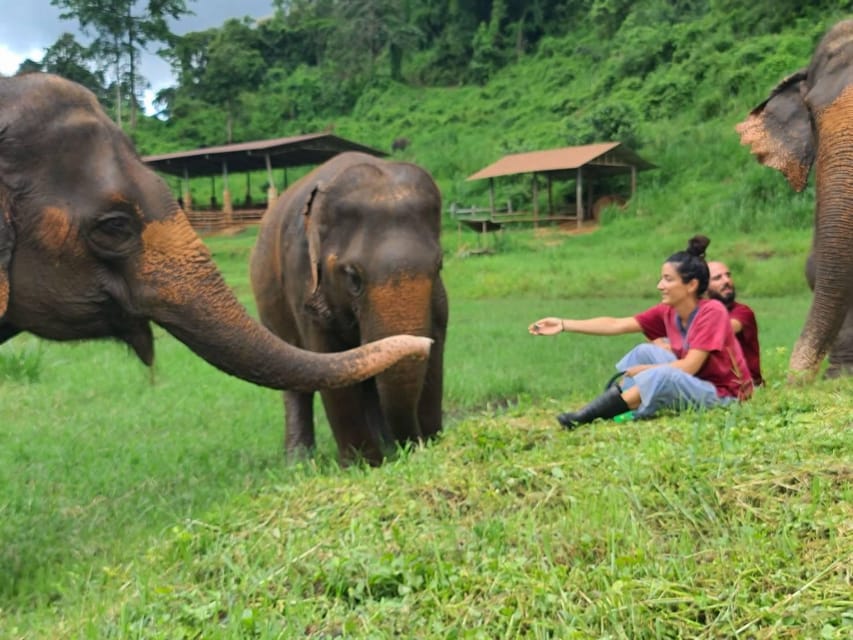
Rantong specifically offers no horseback riding. That is an important point for anyone who wants to avoid elephant rides, which can involve saddles, platforms, or repeated tourist circuits.
Instead, you will walk among the elephants as part of the camp activities. This keeps you on the ground and lets you see the animals at closer range without sitting on them.
Still, no riding does not mean no animal contact. The program includes feeding, interaction, and bathing. If your ideal ethical visit means watching elephants from a distance and never touching them, this may not be the right choice.
The camp’s description says the elephants move freely around the property. That sounds more natural than a staged performance, but freedom within a camp is not the same as life in the wild. I would keep that distinction in mind when deciding how to interpret the experience.
The walking portion may be the best fit for you if you want a personal encounter but do not want an elephant show. It is also a chance to see the animals between activities, when they are not performing tricks or carrying riders.
Bathing time: fun, wet, and ethically important
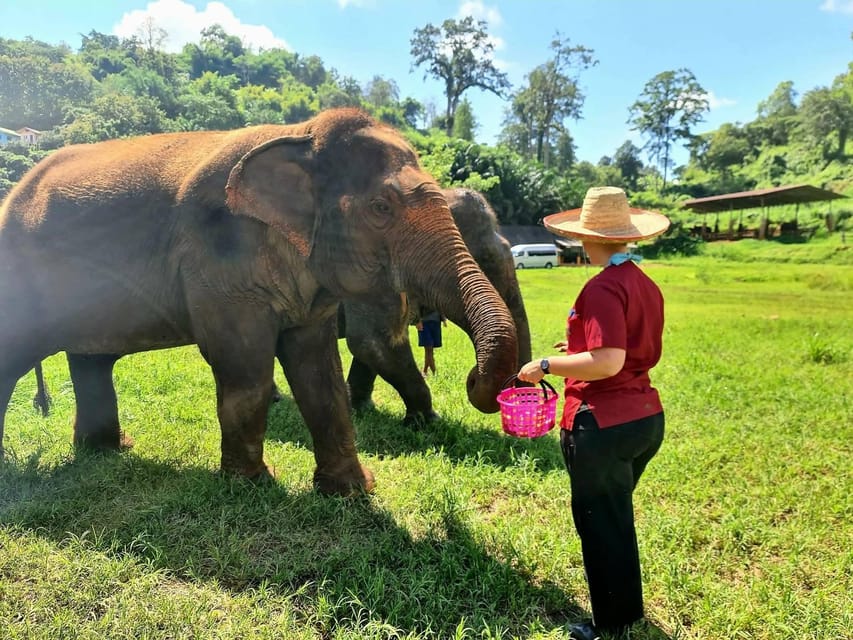
Bathing the elephants is likely to be the most memorable part of the outing. You may enter the water with them, help wash them, and see how large animals respond to a playful human activity.
It is also the part that deserves the most thought. Bathing can feel caring and joyful, yet it still involves directing an elephant into an activity for people. The three-star assessment of the program focused on this wider issue: some activities may be enjoyable for tourists but not necessarily ideal for the elephants.
The right question is not simply, did I enjoy washing an elephant? Ask yourself if the activity appears calm, voluntary, and appropriate for the animals. Follow the guide’s directions, avoid crowding an elephant, and do not assume that a friendly response means the animal wants unlimited contact.
Practically, plan to get wet. The price includes clothes to change during the activity, drinking water, and bathing supplies. One account specifically noted towels and shower gel, which is helpful after the water session.
Wear clothing you can change easily and bring anything you personally need for comfort, even though the camp supplies basic changing items. The provided clothes and towels make this much easier than an unprepared river outing.
The included meal depends on your departure
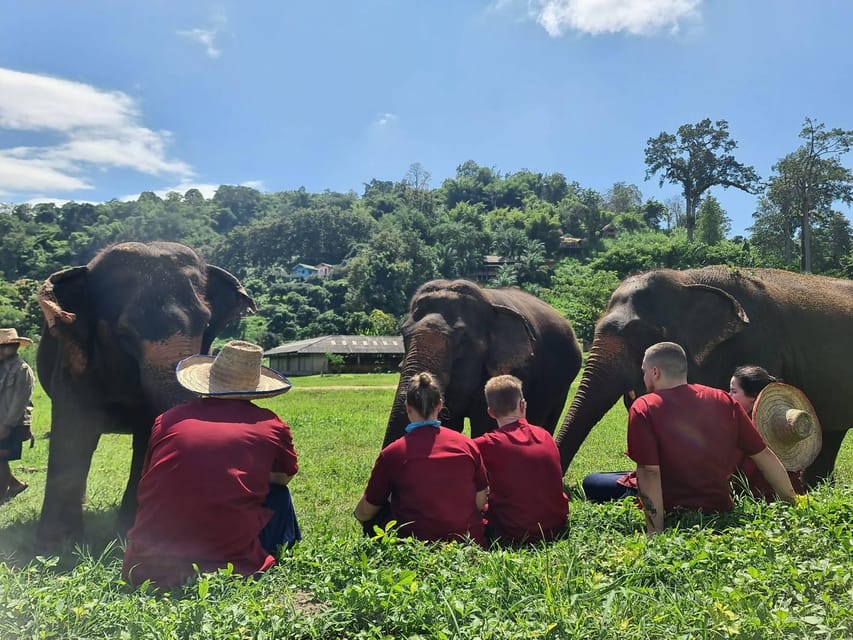
Food is included, but the meal differs by schedule. The half-day morning program includes lunch, while the half-day afternoon program includes dinner.
That is a useful detail when planning your day in Chiang Mai. A morning pickup followed by lunch may let you continue sightseeing afterward. An afternoon departure with dinner may work better if you want a slower morning and an evening meal built into the outing.
The food is described as a traditional Thai meal. No menu is provided, so you should not book expecting a particular dish or dietary arrangement unless you confirm it directly.
Drinking water is included. That is welcome in a warm outdoor setting, especially when you are walking, feeding, and getting wet. Even with water supplied, I would arrive ready for physical activity and warm weather.
What $57 really buys you
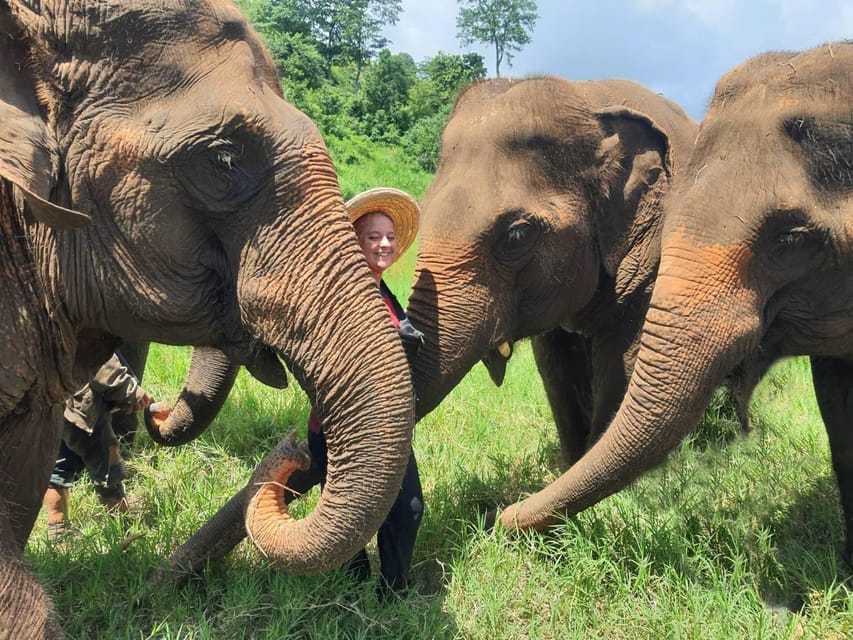
At $57, this is not just a ticket to stand near elephants. The price covers transport from the Old City area, a guide, insurance, food for the elephants, drinking water, changing clothes, bathing supplies, and a Thai meal.
That bundle gives the outing good practical value if you want an organized half-day. Separate transport and food would add cost and planning, while the guide provides help during the closest animal encounters.
The price is harder to justify if you mainly want a quick look at elephants. The program lasts four hours, and its value depends on how comfortable you are with hands-on contact. If you prefer a low-contact visit, paying $57 for activities you would rather skip may not feel worthwhile.
The camp says visitor support helps keep the rescue operation running. That gives your money a useful purpose, but it does not remove the need to judge the animal activities for yourself. I like the rescue aim, and I also think the camp should be assessed by how the elephants are treated during the visit, not only by its stated mission.
Guides, languages, and comfort
Guides speak English or Chinese. That is important because the visit involves large animals and close contact. You need to understand safety instructions, where to stand, and how to behave around the elephants.
The program says no special training is required. That makes it approachable for people who have never been near an elephant, but it does not mean you can ignore the guide. An open mind and a calm manner matter more than prior experience.
The guide also helps set the tone. A good guide should make you feel comfortable without pushing you into contact you do not want. If you feel uneasy during feeding or bathing, say so clearly.
The experience is listed as wheelchair accessible, and pickup is included within the stated Old City radius. Since no detailed accessibility information is provided for the camp, ask about the exact route and activity areas if mobility is a major concern.
Who will enjoy Rantong most
I would recommend this experience to you if you want:
- A half-day outing rather than a full-day commitment
- Hand-feeding and close observation of elephants
- A no-riding program
- Transport from near Chiang Mai Old City
- A Thai meal included in the cost
- Help from an English- or Chinese-speaking guide
- A visit connected to elephant rescue and care
Families may appreciate the simple structure and the chance to see the animals at close range. Couples and first-time visitors may like the mix of walking, feeding, and bathing. The four-hour length is also useful if you have only a few days in Chiang Mai.
I would be more cautious if you want an entirely hands-off wildlife visit. The bathing and interaction are central, not minor extras. If you feel strongly that elephants should not be handled or directed for tourist activities, choose a program that limits contact.
A practical half-day plan
For the morning option, expect pickup near the Old City, transport to the camp, a guided visit with coffee or tea, walking and camp activities, elephant feeding, bathing, and lunch before returning to the Old City.
For the afternoon option, the same general activities take place, with dinner replacing lunch. The schedule order is not specified, so you should confirm the start time and meal timing when you book.
The whole outing lasts four hours. That is long enough for more than a quick photograph but short enough to leave room for other Chiang Mai plans. Build in flexibility around the pickup and return, since shared transportation can affect exact timing.
Bring a sense of humor about the wet part. Even with changing clothes, towels, and bathing supplies, you are spending time around water and large animals. Keep valuable electronics protected and follow instructions about photography.
Should you book Rantong Elephant Sanctuary?
Book it if your priority is close, hands-on contact with rescued elephants, especially feeding and bathing without horseback riding. The included transport, meal, water, changing clothes, and guide make $57 a reasonable package for a four-hour outing.
Think twice if you want a strictly observational sanctuary or feel uneasy about tourist-led bathing. Rantong offers a moving chance to meet elephants that need care, but the hands-on format raises a genuine ethical question. I would choose it only after deciding that the rescue purpose and the activities fit your own standards for responsible animal tourism.
FAQ
Where is Rantong Elephant Sanctuary located?
Rantong Elephant Sanctuary is in Chiang Mai Province, Thailand. Pickup is included from hotels or accommodations within three kilometers of Chiang Mai Old City.
How long does the experience last?
The activity lasts four hours, including transport, the guided visit, camp activities, elephant interaction, and the included meal.
Can I ride the elephants?
No. Horseback riding is not part of this program. The activities focus on feeding, walking among, interacting with, and bathing the elephants.
What meals are included?
The morning half-day program includes lunch. The afternoon half-day program includes dinner. The meal is described as traditional Thai food.
What languages do the guides speak?
Live guides are available in English and Chinese.
Can I cancel or pay later?
You can cancel up to 24 hours before the activity for a full refund. A reserve-now, pay-later option is also available.
Just added in Chiang Mai
- Full Day Doi Saket Hiking Tour★ 5.0 · 14 reviews
- Pha Dok Siew Nature Trail & Doi Inthanon National Park From Chiang Mai★ 4.0 · 23 reviews
- One day Elephants in Nature Experience & Grand Canyon Jumping★ 5.0 · 31 reviews
- Chiang Mai to White & Blue Temple, Black Museum & Golden Triangle★ 4.0 · 52 reviews
- One day Doi Inthanon National Park & Trekking on Kew Mae Pan★ 5.0 · 12 reviews
- Private Tour 2 Difference Trails Trekking at Doi Inthanon National Park★ 5.0 · 19 reviews
- Half day Long Neck hill tribe and Hmong hill tribe village★ 5.0 · 21 reviews
- One Day Tour Chiang Rai(White Temple , Blue Temple, Black House) Private Tour★ 5.0 · 63 reviews
Elephant Sanctuary Tours, compared.
Elephant Sanctuary, Waterfall & Bamboo Rafting
Read our review →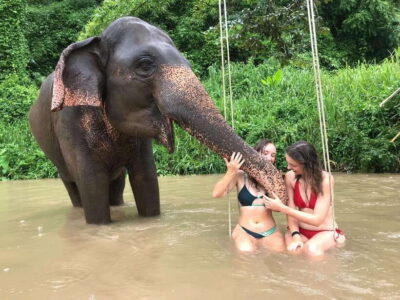
Elephant Sanctuary Feeding Program Half-Day Tour
Read our review →
Elephant Jungle Sanctuary Ethical Feeding Experience
Read our review →
Elephant Sanctuary, Long Neck & Sticky Waterfall
Read our review →
Elephant Bathing Session at Krabi Elephant Shelter
Read our review →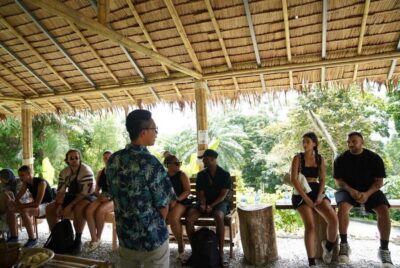
Elephant Sanctuary Guided Tour with Hotel Transfers
Read our review →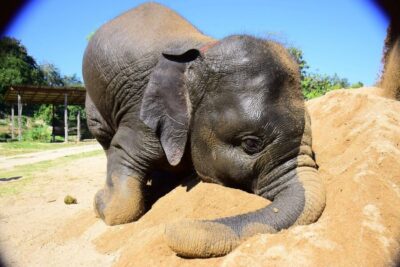
Browse the lists this tour appears in