
Reviewed · ELEPHANT SANCTUARY TOURS
Full Day Experience at Ran-Tong Save & Rescue Elephant Centre
Elephants set the pace here. This full-day visit to Ran-Tong Save & Rescue Elephant Centre, about an hour from Chiang Mai, focuses on watching rescued elephants behave naturally rather than riding them or making them perform. You help prepare vitamins, feed the elephants, walk beside them, and learn about their care in a small group of no more than 15 people.
I like the hands-off approach and the practical work with pregnant, injured, and older elephants. I also like that the experience includes lunch, seasonal fruit, drinking water, hotel pickup, and a chance to walk through the elephants’ natural habitat. The main consideration is the long day and the roughly two-hour round trip by road. If you want a quick photo stop, this is not it.
In This Review
- Key points to know before you book
- A quiet alternative to elephant entertainment
- Leaving Chiang Mai for Mae Taeng District
- Changing into Karen-style clothing
- Preparing vitamins for elephants in need
- Feeding and observing without a performance
- Walking beside elephants in their natural habitat
- Lunch, fruit, and a practical midday pause
- Bathing is optional, not the main event
- What the $90.86 price includes
- Clothing, comfort, and what to pack
- Who will enjoy this day most
- Booking, cancellations, and practical limits
- Should you book Ran-Tong Save & Rescue Elephant Centre?
- FAQ
- Where is Ran-Tong Save & Rescue Elephant Centre located?
- How long does the experience last?
- Is hotel pickup available?
- Does the program include elephant riding?
- Can I skip bathing the elephants?
- What food is included?
- What should I bring?
Key points to know before you book
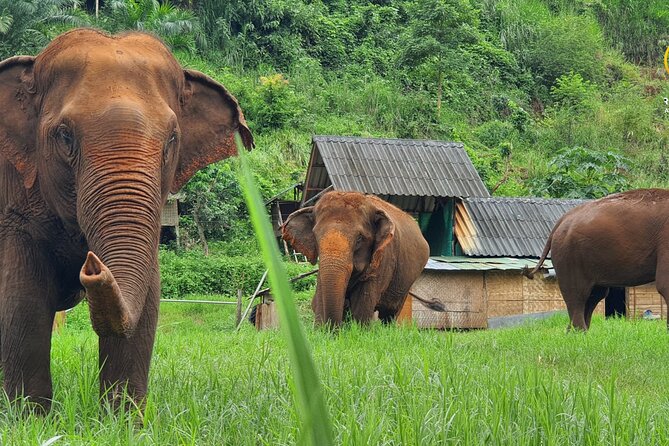
- No elephant riding or circus-style show: The day is built around observation, feeding, walking, and learning.
- Vitamins are prepared for elephants with extra care needs: The activity connects tourism with the daily work of supporting pregnant, injured, and older animals.
- The group is limited to 15 people: That is a useful size for an activity based on quiet observation.
- Pickup is offered from Chiang Mai city accommodations: The drive to Mae Taeng District takes about one hour each way.
- Bathing is not required: You can choose to feed and observe without taking part in bathing.
- Bring clothes that can get wet and dirty: Spare clothing, comfortable shoes, sandals, soap, shampoo, and insect repellent all earn their place in your bag.
A quiet alternative to elephant entertainment
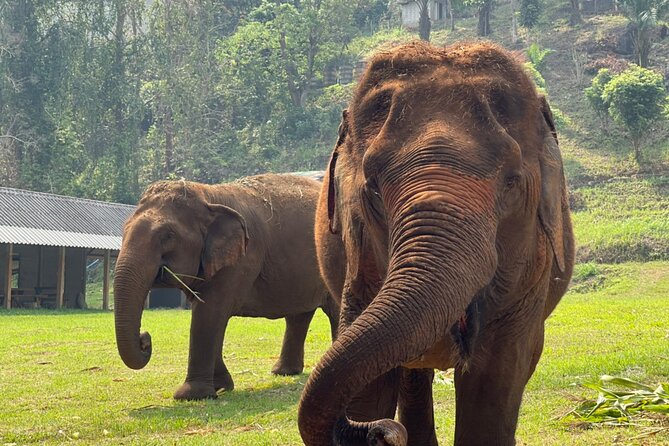
Northern Thailand has many elephant attractions, and they are not all alike. Some still rely on riding, tricks, or staged bathing sessions that put human entertainment first. Ran-Tong presents a different idea: you come to watch elephants, learn about their care, and take part in limited, respectful activities.
That distinction matters. Elephants are powerful, social animals, but they are also working animals in a difficult transition from tourism and logging to sanctuary care. A visit is more meaningful when the experience does not ask the elephant to perform on command.
The program is described as ethical and hands-off, but it is not completely distant. You can feed the elephants, prepare vitamins, and walk beside them. The balance is important. You get close enough to understand their size and personality, while the day avoids riding and staged shows.
I would book this for someone who wants an educational day with elephants rather than a checklist of dramatic encounters. The experience is less about getting a perfect photograph and more about paying attention.
More Elephant Sanctuary Tours in Chiang Mai
- Chiang Mai: Elephant Sanctuary, Waterfall & Bamboo Rafting
★ 4.9 · 9,160 reviews - Chiang Mai: Elephant Sanctuary & Waterfall Group Tour
★ 4.9 · 5,780 reviews - Chiang Mai: Elephant Sanctuary Feeding Program Half-Day Tour
★ 4.8 · 4,527 reviews
Leaving Chiang Mai for Mae Taeng District
Pickup takes place at your hotel or accommodation in Chiang Mai city. From there, the drive to Ran-Tong Save & Rescue Elephant Centre in Mae Taeng District takes about one hour.
That transfer is part of the day’s rhythm. You leave the city behind, spend most of the day at the centre, and return to your accommodation afterward. Since the full experience lasts about eight hours, you should protect most of your day for it rather than pairing it with another major activity.
A pickup service also removes one of the less pleasant parts of arranging a rural visit yourself. You do not need to work out a separate route to Mae Taeng or find your way back after a muddy day. The exact pickup time is not provided here, so check the confirmed details carefully after booking.
The vehicle ride may be the least exciting part for you, especially if you prefer short tours. Still, the distance helps explain why this is a full-day outing rather than a brief city excursion.
Changing into Karen-style clothing
When you arrive, you change into Mahout Style Karen clothes before beginning the elephant school. This gives the day a clear opening: first learn about the centre and the animals, then meet them.
The clothing is more than a costume change. It marks a shift from ordinary sightseeing to participation in the centre’s routines. You should still treat it as a cultural element of the program, not as proof that you are becoming a mahout, or elephant caretaker, in any formal sense.
The schedule does not specify how long the lesson lasts or exactly which elephant care topics are covered. You can expect an introduction to the centre and to the needs of the elephants in its care. Listen closely here, because the later activities make more sense when you know why certain elephants receive vitamins or extra attention.
Preparing vitamins for elephants in need
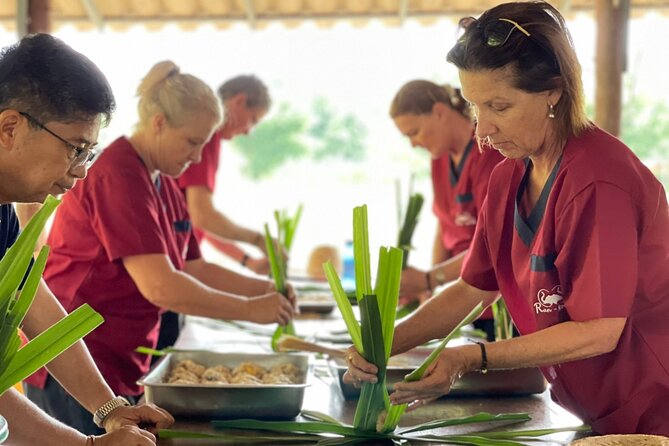
One of the most worthwhile parts of the day is making vitamins for the elephants. The vitamins are prepared for animals including pregnant, injured, and older elephants, so this is not just a decorative activity designed to fill time.
I like this part because it shows the less glamorous side of elephant care. Feeding an elephant is memorable, but preparing something intended to support its health gives you a better sense of the work behind a rescue centre.
The program does not provide a detailed recipe or explain every ingredient, so you should not expect a full veterinary lesson. Instead, think of it as a simple, hands-on introduction to the extra care some rescued animals need.
Afterward, you meet the elephants and observe them. The emphasis should remain on watching body language, movement, and interaction rather than rushing forward for contact. A large animal can look calm while still needing personal space.
A completely different kind of day out:
- Half-Day Thai Cooking Class at Organic Farm in Chiang Mai
★ 5.0 · 19,087 reviews - Chiang Mai: Doi Inthanon National Park Eco-Friendly Tour
★ 4.6 · 6,667 reviews - Chiang Mai: Chiang Rai Temples, Karen Tribe and Hot Springs
★ 4.7 · 5,401 reviews - Chiang Mai: Cooking Class, Market & Thai Herbs Garden Tour
★ 4.9 · 4,824 reviews
Feeding and observing without a performance
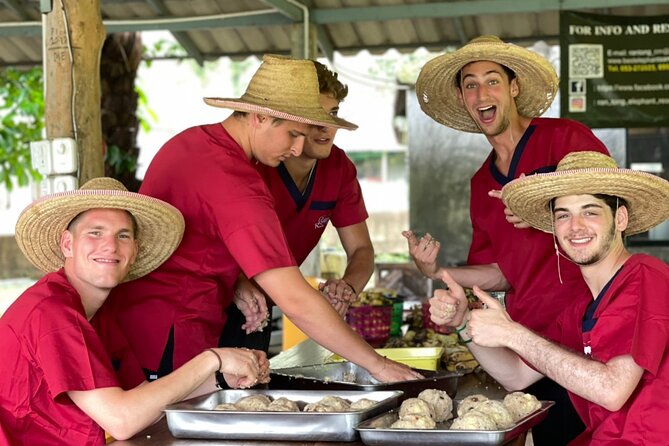
Feeding is one of the more direct ways to meet the elephants. It gives you a memorable point of contact, but the ethical value depends on keeping the interaction controlled and respectful.
The centre’s approach does not include riding. It also does not present elephant tricks or a circus performance. That makes the experience easier to recommend to people who want their money to support animal welfare rather than staged entertainment.
You may find that the best moments are not the most dramatic ones. An elephant reaching for food, pausing to inspect something, or moving on its own terms can tell you more than a rehearsed activity.
One important tip is to avoid treating feeding as a free-for-all. Follow the centre’s instructions, keep your movements calm, and let the staff decide how close you should be. The program is designed around observation, so you do not need to touch every elephant to have a worthwhile visit.
Walking beside elephants in their natural habitat
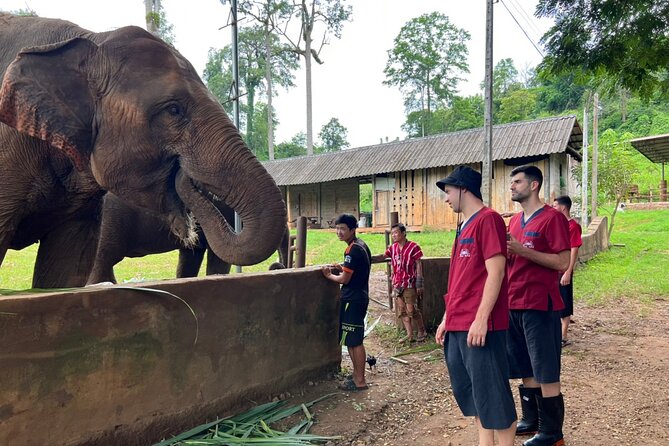
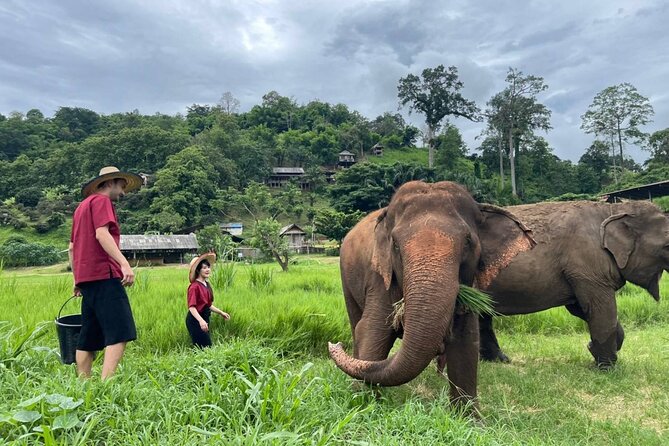
After lunch, you walk with the elephants and observe them in their natural habitat. This is the heart of the experience for me because it shifts the focus from a single feeding point to the elephants’ ordinary movement through their surroundings.
Walking beside an elephant gives you a better sense of scale than standing near one for a quick photograph. You see how slowly it moves, how much ground it covers, and how different its pace is from yours. You also have more time to watch rather than simply pose.
The word walking is important. This is not described as riding or leading an elephant for a long trek. You observe them as they move, and that approach fits the centre’s stated aim of allowing the animals to remain as natural as possible.
Comfortable shoes are essential. You are told to bring shoes you can walk in, along with sandals you do not mind getting wet and dirty. The advice suggests that the day may involve damp or muddy conditions, so avoid your best sneakers and anything you would hate to clean.
Lunch, fruit, and a practical midday pause
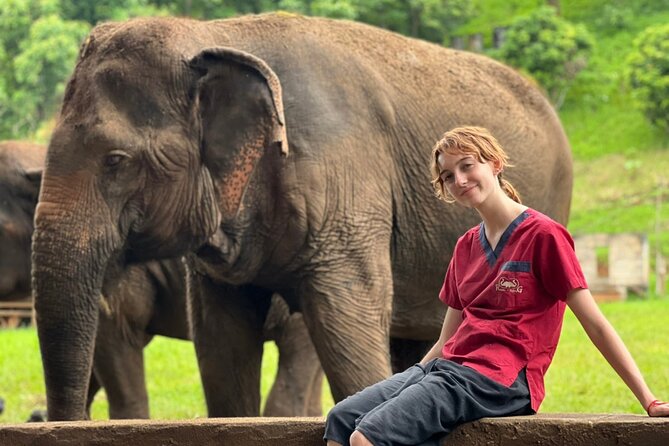
Lunch includes Thai food, seasonal fruits, and drinking water. That may sound basic, but a proper midday meal matters on an eight-hour outdoor experience.
A particularly useful detail is that the centre can accommodate a vegan diet. If you eat vegan, make that request when arranging the tour rather than leaving it until lunchtime.
Seasonal fruit works well after a morning of activity, and drinking water is included. You should still bring any personal snacks or drinks you need, though the supplied information does not specify whether extra food is available at the centre.
Lunch is also a natural pause between the preparation and feeding activities and the afternoon walk. Do not expect a restaurant-style meal or a long break in a polished dining room. The appeal is simple Thai food in the middle of a day focused on animal care.
Bathing is optional, not the main event
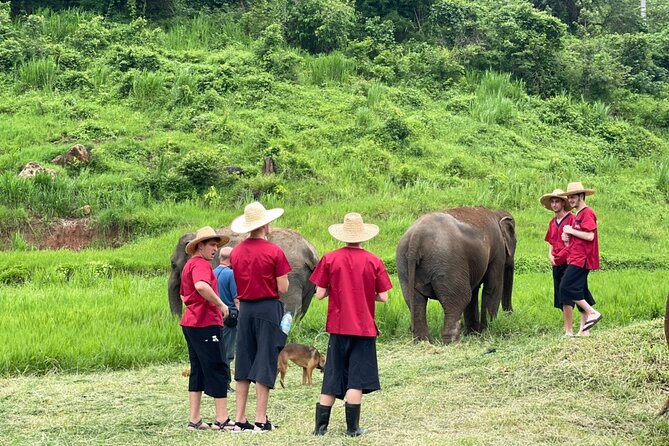
Bathing often becomes the headline at elephant parks, but it is not the central feature here. The program centres on observation, feeding, preparing vitamins, and walking with the elephants.
You can choose to feed the elephants without bathing them. That flexibility is a real plus for anyone concerned about forcing animals into repeated human contact, or for anyone who simply does not want to get soaked and muddy.
The supplied details do not promise bathing as a required activity, and one experience included feeding without bathing. That means you should not book this expecting a guaranteed water encounter or a dramatic elephant splash.
If you do take part in water-related activities, bring sandals you do not mind getting dirty, plus shampoo, soap, and spare clothes. If you prefer to stay dry, you can still have a full program without making bathing your goal.
What the $90.86 price includes
At $90.86 per person, this is not the cheapest elephant outing near Chiang Mai. It is also more than a short visit built around feeding and photographs.
The price makes better sense when you consider the full package: hotel pickup in Chiang Mai city, transportation to Mae Taeng District, an eight-hour program, instruction at the elephant school, vitamin preparation, elephant observation, feeding, a walk, lunch, seasonal fruit, and drinking water.
The value depends on what you want your money to support. If you want a quick close-up encounter, you may find the day too long for the payoff. If you value a no-riding program with time devoted to rescued animals and their care, the cost is more reasonable.
I would also factor in the small group limit of 15 people. That is not a private tour, but it is controlled enough to make quiet observation possible. A crowded group can change the feel of an animal experience, especially when the goal is to watch natural behavior.
The booking pattern suggests that people often reserve this about 42 days in advance. You do not necessarily need to book that far ahead, but it is a useful warning if your Chiang Mai dates are fixed.
Clothing, comfort, and what to pack
The centre asks you to bring more than a phone and a camera. Pack for an outdoor day where clothes and shoes may get wet or dirty.
- Spare clothes
- Comfortable walking shoes
- Sandals that can get wet and dirty
- Shampoo and soap
- Camera
- Mosquito spray or insect repellent
I would wear lightweight clothing that dries reasonably well and keep valuables to a minimum. The supplied information does not state whether changing rooms or secure storage are available, so carry only what you need.
Insect repellent is especially practical for a day outside Mae Taeng. You should also expect the walk to be easier in shoes with good grip than in casual sandals, even if you bring sandals for wet areas.
The program includes a change into Karen-style clothing on arrival and another change before leaving. Spare clothes are still important, since changing clothes does not help much if your shoes, socks, or bag become damp.
Who will enjoy this day most
I would recommend Ran-Tong to you if you want:
- An elephant experience without riding
- A full day rather than a short photo stop
- Time to observe animals instead of watching a show
- A chance to support a rescue centre through tourism
- A program that can accommodate a vegan lunch
- A small-group setting with no more than 15 people
Families may appreciate the educational structure, though the eight-hour length and outdoor conditions could be tiring for young children. The information says most people can participate, but it does not give a specific minimum age or detailed accessibility information.
This is also a good fit for visitors who are willing to follow instructions and keep their distance when asked. The animals come first. If you need constant touching, bathing, or dramatic activity, another kind of attraction may suit you better, though that would not match the purpose of this program.
Booking, cancellations, and practical limits
Confirmation is provided at the time of booking, and the activity accepts most people. The group maximum is 15.
Free cancellation is available if you cancel at least 24 hours before the experience starts. Cancellations made less than 24 hours before the start time are not refunded, and late changes are not accepted. The cut-off follows local time.
The experience requires a minimum number of participants. If that minimum is not reached and the centre cancels, you are offered another date or experience, or a full refund.
These rules are fairly simple, but the 24-hour deadline matters. Do not assume you can make a last-minute change because your schedule shifts in Chiang Mai.
Should you book Ran-Tong Save & Rescue Elephant Centre?
Book this experience if you want a thoughtful, hands-on day that keeps elephant welfare ahead of spectacle. The strongest parts are the no-riding policy, the vitamin preparation for elephants with special care needs, the walking and observation, and the ability to skip bathing while still having a complete day.
Think twice if you want a short tour, a guaranteed bathing session, or a luxury outing. The one-hour drive each way, outdoor conditions, and eight-hour schedule require patience.
For me, the $90.86 price is justified when you treat the day as support for rescue work and education, not simply as an animal photo opportunity. Bring clothes that can get dirty, keep your expectations calm, and give the elephants room to be elephants. That is the point of Ran-Tong.
FAQ
Where is Ran-Tong Save & Rescue Elephant Centre located?
The centre is in Mae Taeng District, near Chiang Mai, Thailand. The drive from Chiang Mai city takes approximately one hour.
How long does the experience last?
The full-day program lasts approximately eight hours, including pickup and return transportation from Chiang Mai city accommodation.
Is hotel pickup available?
Yes. Pickup is offered from hotels or accommodations in Chiang Mai city.
Does the program include elephant riding?
No. The experience is designed around observation, feeding, learning, and walking beside the elephants without riding.
Can I skip bathing the elephants?
Yes. Bathing is not required. You can choose to feed and observe the elephants without taking part in bathing.
What food is included?
Lunch includes Thai food, seasonal fruits, and drinking water. Vegan diets can be accommodated.
What should I bring?
Bring spare clothes, comfortable shoes, sandals that can get wet and dirty, shampoo, soap, a camera, and mosquito spray or insect repellent.
Just added in Chiang Mai
- Full Day Doi Saket Hiking Tour★ 5.0 · 14 reviews
- Pha Dok Siew Nature Trail & Doi Inthanon National Park From Chiang Mai★ 4.0 · 23 reviews
- One day Elephants in Nature Experience & Grand Canyon Jumping★ 5.0 · 31 reviews
- Chiang Mai to White & Blue Temple, Black Museum & Golden Triangle★ 4.0 · 52 reviews
- One day Doi Inthanon National Park & Trekking on Kew Mae Pan★ 5.0 · 12 reviews
- Private Tour 2 Difference Trails Trekking at Doi Inthanon National Park★ 5.0 · 19 reviews
- Half day Long Neck hill tribe and Hmong hill tribe village★ 5.0 · 21 reviews
- One Day Tour Chiang Rai(White Temple , Blue Temple, Black House) Private Tour★ 5.0 · 63 reviews
Elephant Sanctuary Tours, compared.
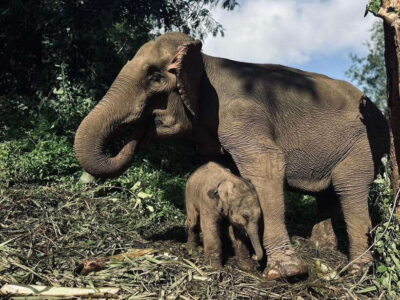
Elephant Sanctuary, Waterfall & Bamboo Rafting
Read our review →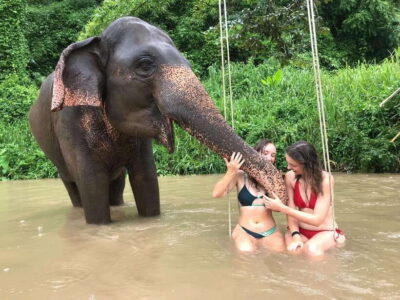
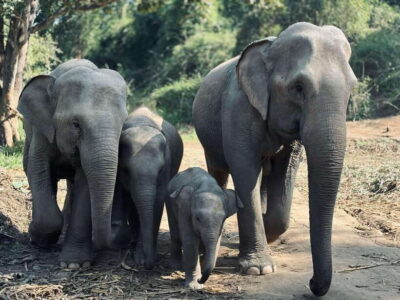
Elephant Sanctuary Feeding Program Half-Day Tour
Read our review →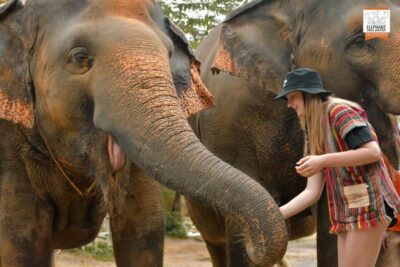
Elephant Jungle Sanctuary Ethical Feeding Experience
Read our review →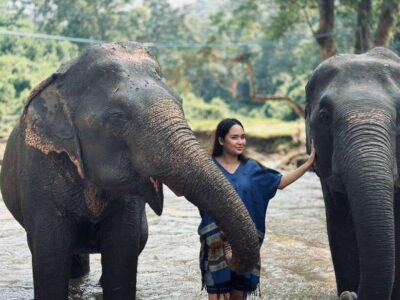
Elephant Sanctuary, Long Neck & Sticky Waterfall
Read our review →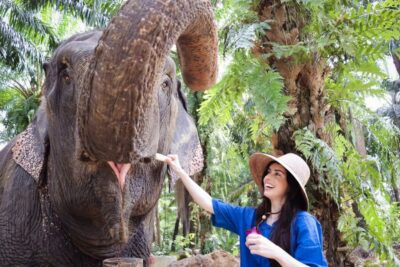
Elephant Bathing Session at Krabi Elephant Shelter
Read our review →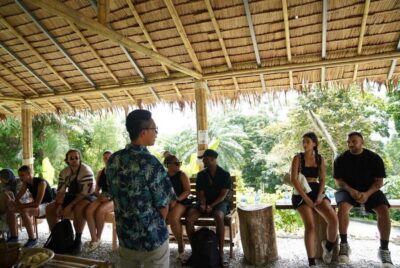
Elephant Sanctuary Guided Tour with Hotel Transfers
Read our review →
Browse the lists this tour appears in