

Reviewed · ELEPHANT SANCTUARY TOURS
Chiang Mai: Ethical Elephant Encounter Feeding Program
Elephants make a big impression fast. At EJS Chiang Mai, you spend one focused hour near rescued elephants, learning about their care, watching their behavior, and offering them food in a controlled setting. I like the small-scale feel, and I also like that the visit puts animal welfare ahead of stunts: there is no riding, and the guide explains where and how to interact. The main drawback is simple: one hour passes quickly, especially if you want a longer visit or more time to watch the elephants at rest.
This is a useful choice if your Chiang Mai schedule is tight. I like the calm setting and friendly staff, but you should keep expectations sensible. It is primarily a feeding and learning session, not a full-day elephant program with bathing, trekking, or extended care activities.
In This Review
- Key points to know before you go
- What happens during the one-hour visit
- Why the ethical approach matters
- Feeding the elephants without turning them into props
- The guide makes the short format work
- Optional extras after the elephant encounter
- Is $22 good value in Chiang Mai?
- Choosing the best time and preparing properly
- Who will enjoy this experience most?
- Final verdict: book it for a short, careful introduction
- FAQ
- How long does the Chiang Mai elephant feeding program last?
- How much does the experience cost?
- What does the ticket include?
- Is transportation included?
- Can I ride the elephants?
- What languages does the guide speak?
- What should I bring?
Key points to know before you go
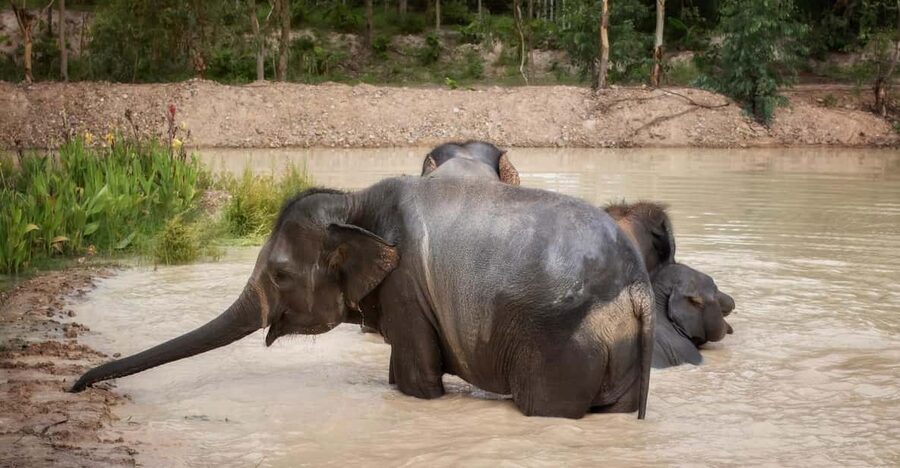
- One hour, with little wasted time: The visit focuses on feeding, observing, and learning rather than long transfers or filler activities.
- No riding or casual feeding: You receive elephant food and follow staff directions, keeping contact controlled and respectful.
- A small sanctuary setting: There are not many elephants, which can make the experience feel quieter and more personal.
- Good for a short Chiang Mai itinerary: The $22 price is reasonable if you want a brief encounter instead of an all-day commitment.
- Arrive ready for sun and insects: Wear walking shoes, bring water, and pack a hat, sunscreen, and insect repellent.
- Plan your return ride: Transportation is not included, and the sanctuary’s more remote setting can make a pickup harder to arrange afterward.
What happens during the one-hour visit
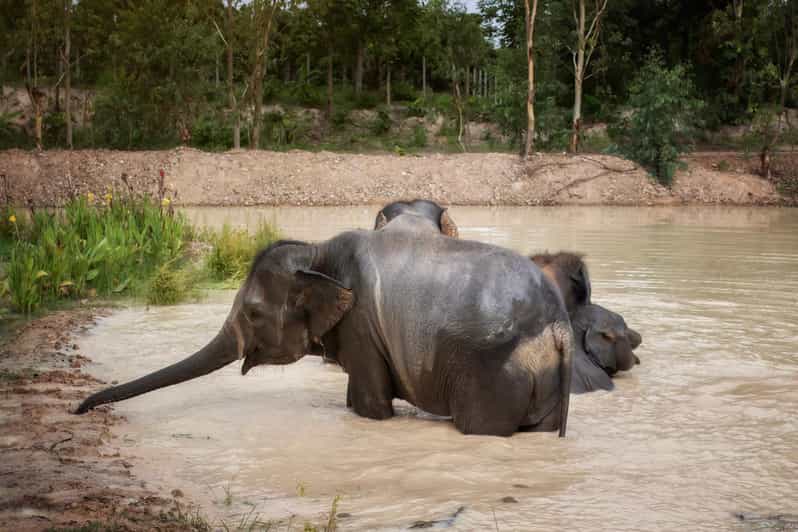
You meet at the sanctuary 10 minutes before your scheduled start. That early arrival matters because the activity is short, and you do not want to lose part of it sorting out where to go.
The visit centers on a group of rescued elephants in their own surroundings. The guide introduces the animals and explains their care, background, behavior, and daily routines. You may hear about elephant communication, feeding habits, social behavior, and the work involved in caring for animals that have come from difficult circumstances.
The tone is educational, but not stiff. Several visitors found the guides warm, funny, and helpful. English and Thai tours are available, and one guest specifically praised the guide’s clear English and useful advice for the rest of a Chiang Mai stay.
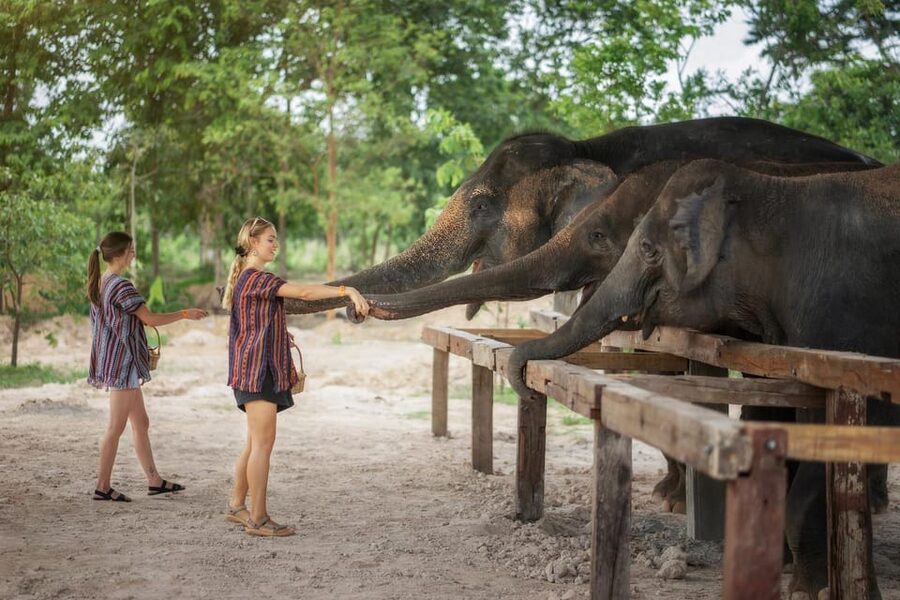
After the introduction, you receive elephant food and begin feeding. This is the part most people picture, but it works better when you understand the rules. You are not there to feed animals whenever you wish. You use the supplied food and follow the guide’s instructions about distance, hand placement, and touching.
Some visits include careful petting, but the animals remain in charge of the pace. That is a good sign. Elephants can look gentle, but they are large, strong animals, and a responsible encounter should not force constant contact. One guide reportedly explained where guests could touch and how much interaction was suitable, taking the elephants’ comfort into account.
You also get time to watch rather than simply pose for photographs. Pay attention to how the elephants use their trunks, respond to food, and move around one another. The value of this short program is not only the close view. It is the chance to notice an elephant as a social animal with preferences, routines, and limits.
More Elephant Sanctuary Tours in Chiang Mai
- Chiang Mai: Elephant Sanctuary, Waterfall & Bamboo Rafting
★ 4.9 · 9,160 reviews - Chiang Mai: Elephant Sanctuary & Waterfall Group Tour
★ 4.9 · 5,780 reviews - Chiang Mai: Elephant Sanctuary Feeding Program Half-Day Tour
★ 4.8 · 4,527 reviews
Why the ethical approach matters
The word ethical gets used loosely in elephant tourism, so it is worth looking at the practical signs here. This program does not include riding. It also tells you not to smoke, not to feed animals independently, and to obey staff instructions.
Those rules do not prove everything about an operation, but they do shape the visitor experience in a better direction. You are not asked to climb onto an elephant, make it perform, or keep touching it for a staged moment. The focus is feeding, watching, and learning.
The small number of elephants is another point to consider. If you want a large park with many animals, this may feel limited. I see the smaller setting as a benefit for a one-hour session because it can reduce the sense of a crowd moving through a conveyor belt of activities.
The setting also gives the elephants space to pause. Elephants can become hot, tired, or simply uninterested in human attention. A good visit allows them to step away and relax. You should see that as part of the experience, not a failure to entertain you.
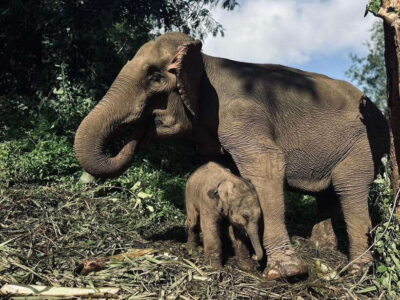
The most convincing moments come when staff explain the animals’ individual stories and daily care. One account described a very young elephant and the care taken to keep it safe and peaceful. That kind of detail gives the visit more meaning than a quick feeding photo alone.
Feeding the elephants without turning them into props
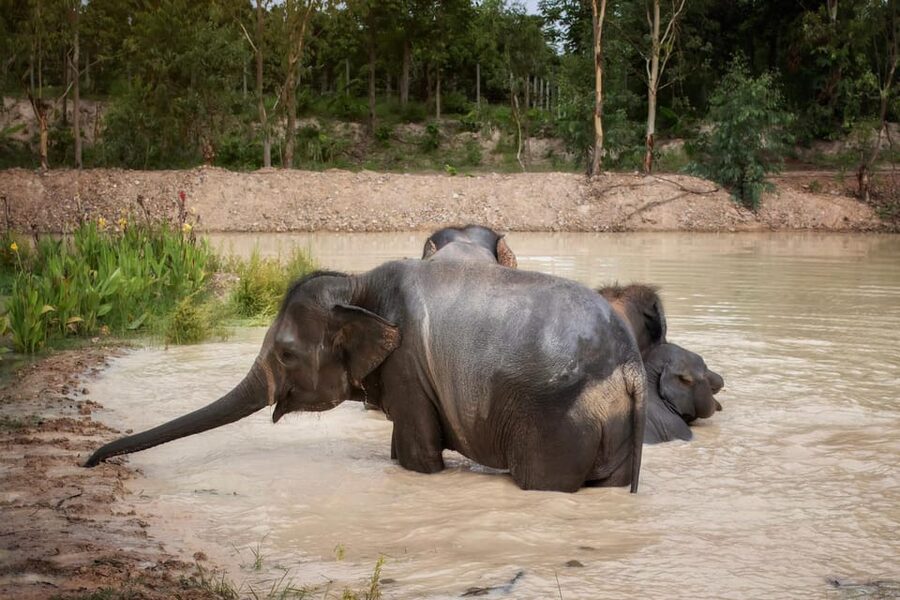
Feeding is hands-on, but it should not feel like a petting zoo routine. The supplied food gives you a safe, structured way to interact, while the guide controls the flow.
You might notice how quickly an elephant recognizes food, how carefully it uses its trunk, or how its attention shifts once the treat is gone. These small observations are more interesting than trying to fill every second with touching.
Bring a camera, but do not let it take over. A camera can capture the scale of the animals and the setting, yet the best memories may come from watching a trunk reach for food or seeing an elephant decide it has had enough.
A photographer may be available during some sessions, and one visitor received complimentary photographs. Treat that as a possible extra, not a guaranteed inclusion. Your ticket includes elephant food, but not a professional photo package.
Follow the guide even if you have seen elephants elsewhere. Each sanctuary has its own procedures, and animal behavior changes from moment to moment. Keep your movements calm, avoid sudden gestures, and do not reach toward an elephant simply because another person did.
The guide makes the short format work

An hour leaves little room for a slow start. The guide therefore matters a great deal. A good introduction can turn a basic feeding session into a lesson about elephant welfare and behavior.
The strongest feedback centers on friendly, attentive staff. Guides answered questions, explained the do’s and don’ts, and helped with practical matters such as arranging a taxi. One guide also shared a family connection to elephant care, explaining that a parent had done similar work before retiring.
You may not get a long lecture. One person wanted more explanation about the elephants, which is a fair criticism for anyone hoping for a detailed conservation talk. The amount of information can depend on the guide, the group, and how many questions you ask.
My advice is to arrive with a few questions ready. Ask where the elephants came from, what they eat, how much they rest, and how the sanctuary handles human contact. A one-hour program gives you enough time for useful conversation if you take part rather than simply wait for instructions.
The group size can also change the feel of the visit. Some sessions have had only two people, while low-season visits can be especially quiet. That gives you more access to the guide and fewer people competing for the same moment, although you should not assume every time slot will be this small.
A completely different kind of day out:
- Half-Day Thai Cooking Class at Organic Farm in Chiang Mai
★ 5.0 · 19,087 reviews - Chiang Mai: Doi Inthanon National Park Eco-Friendly Tour
★ 4.6 · 6,667 reviews - Chiang Mai: Chiang Rai Temples, Karen Tribe and Hot Springs
★ 4.7 · 5,401 reviews - Chiang Mai: Cooking Class, Market & Thai Herbs Garden Tour
★ 4.9 · 4,824 reviews
Optional extras after the elephant encounter
The advertised core activity is feeding and learning, but some visits have included additional educational or creative activities. These have included an elephant education room and a demonstration of how to make paper from elephant dung.
That paper-making activity may sound odd at first, but it connects neatly to the practical side of elephant care. It shows how waste can be reused and gives you something hands-on after the feeding portion ends. Arts and crafts will not appeal to everyone, but families and curious children may enjoy it.
Do not book this one-hour program solely for those extras. They are not listed as guaranteed inclusions, and the schedule may not allow them. Think of them as welcome additions when staff have time.
A small shop may also be open after the main activity. Again, this is not part of the stated $22 package, but it can give you a few more minutes on site if your return transport is not waiting.
Is $22 good value in Chiang Mai?
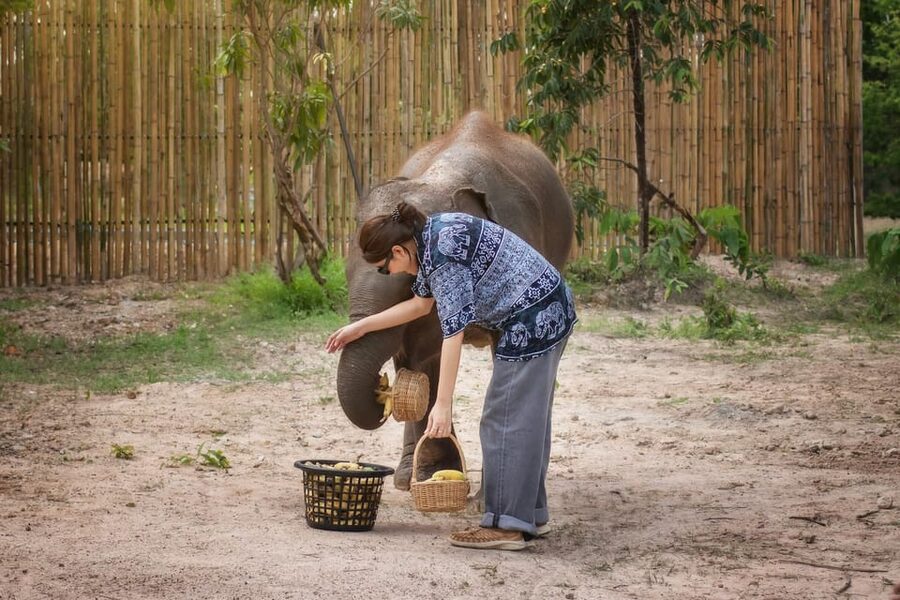
At $22 per person, this is a modest-cost elephant encounter. The price includes accident insurance, elephant food, and one free drink per ticket. Transportation and meals are not included.
The value depends on what you want. If you need a short, direct introduction to rescued elephants, the cost is fair. You receive close contact, a guide-led explanation, food for the elephants, and a quiet natural setting without paying for a full day you may not have.
If you are already near the sanctuary or visiting the area around the water park, the program makes particular sense. You can fit it into a larger day without giving up most of your schedule.
The price looks less attractive once you add transport. The sanctuary is described as more remote, and arranging a ride back can take time. One visitor had trouble booking a second ride and wished they had arranged for the original driver to wait.
I would ask your driver to wait if possible, or confirm your return plan before you arrive. You will need to pay for that transportation separately, but it may be worth the cost for peace of mind. The program itself is only one hour, and spending a long time afterward trying to find a ride can erase the convenience.
There is no meal included, so plan food around the visit. You do receive a drink, but bring extra water, especially on a hot day.
Choosing the best time and preparing properly
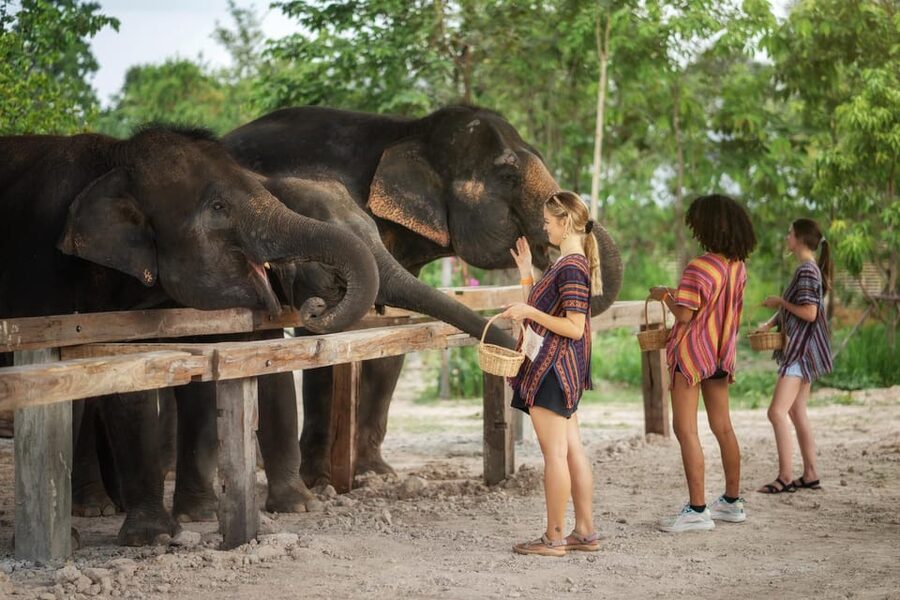
Morning may be the most pleasant option if it is available. An early start can mean cooler conditions and fewer people. One small group found the quiet morning setting especially enjoyable.
Afternoon visits can still work well. A low-season 2 p.m. session was nearly private, with the guide able to give plenty of attention. The tradeoff is heat, since elephants and people may both be ready for shade later in the day.
Wear comfortable clothing and shoes suitable for walking. You do not need special equipment, but sandals or uncomfortable shoes can become a nuisance on uneven ground.
Pack:
- A hat
- Sunscreen
- Water
- Insect repellent
- Comfortable clothes
- A camera
The setting is peaceful, but it is not an air-conditioned attraction. Protect yourself from the sun and be ready for insects. Keep your camera secure and follow instructions about when it is safe to take pictures.
Arrive 10 minutes before the start time. With a one-hour schedule, being late has a real cost. You may miss the introduction or shorten your feeding time.
Who will enjoy this experience most?
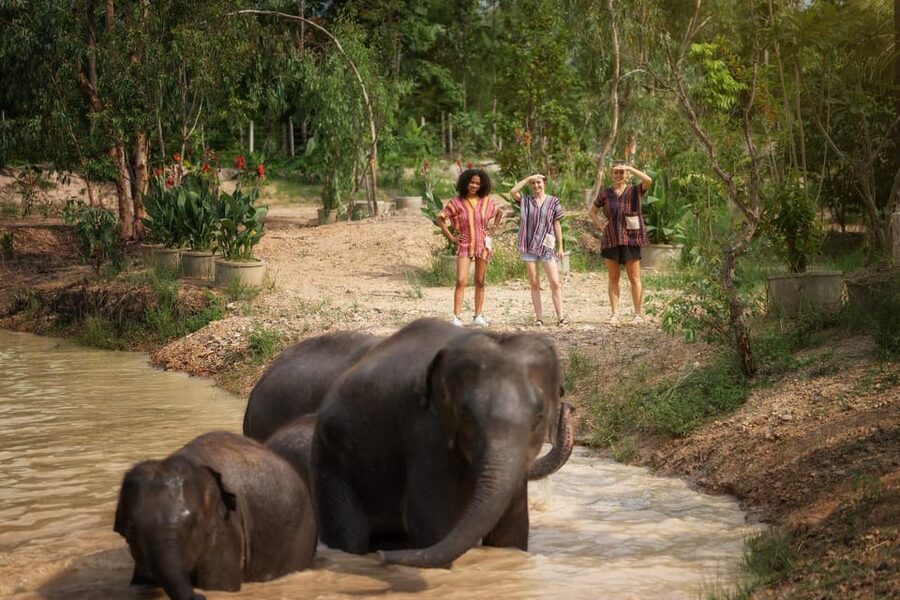
This program fits you best if you have limited time in Chiang Mai, want a respectful elephant encounter, and prefer a small setting to a large commercial attraction.
It is also a good pick for people who want information along with the photographs. The guides explain behavior, care, and individual histories, and you have a chance to ask questions.
Families may appreciate the short duration. An hour is long enough for children to stay interested without requiring a full day in the heat. The paper-making or craft activities, when available, can add variety for younger visitors.
This is less suitable if you want a full elephant-care day. You will not receive a long program of activities based on the information provided, and some people wish the feeding time lasted longer. If you want extensive observation, bathing, walking, or other care tasks, you should compare it with a longer program.
It may also disappoint anyone expecting constant physical contact. The elephants can move away, rest, or limit interaction, and that is exactly how a respectful encounter should work.
Final verdict: book it for a short, careful introduction
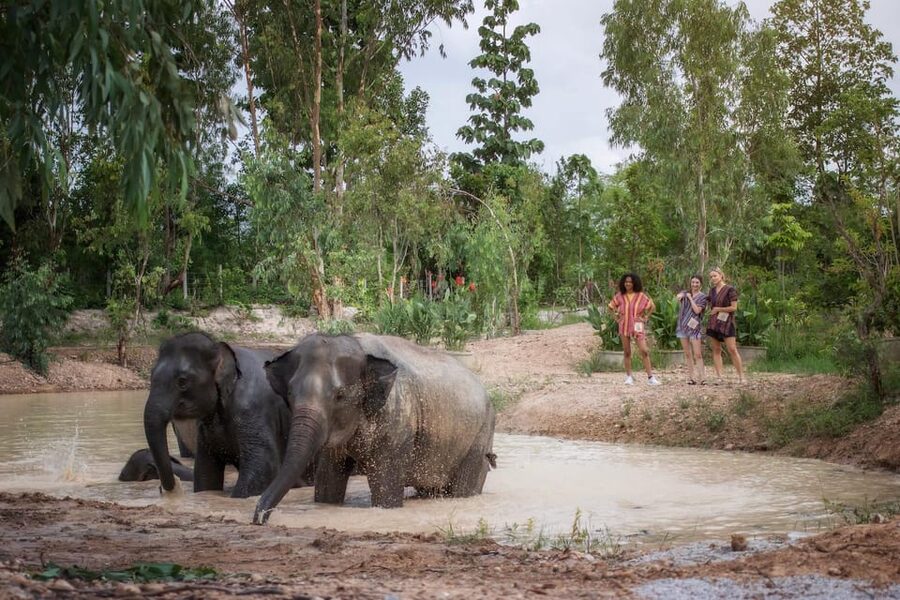
I would book this program if I had only an hour to spare and wanted a straightforward elephant encounter near Chiang Mai. The strongest points are the caring staff, the calm small-scale setting, the clear restrictions on riding and uncontrolled feeding, and the chance to learn while you interact.
I would not choose it as my only elephant experience if I wanted a full day with extensive activities. The one-hour format is both its strength and its limit.
Book it for the quiet contact, the guided feeding, and the chance to see elephants treated as animals rather than photo props. Choose an early slot if possible, arrive prepared for sun, and solve your return transportation before the elephants have finished their snacks.
FAQ
How long does the Chiang Mai elephant feeding program last?
The activity lasts one hour. You should meet at the sanctuary 10 minutes before the scheduled start.
How much does the experience cost?
The price is $22 per person.
What does the ticket include?
The ticket includes accident insurance, elephant food, and one free drink per ticket.
Is transportation included?
No. Transportation to and from the sanctuary is not included, and meals are also separate.
Can I ride the elephants?
No. Riding the animals is not allowed.
What languages does the guide speak?
Guided visits are available in English and Thai.
What should I bring?
Bring a hat, camera, sunscreen, water, comfortable clothing, comfortable walking shoes, and insect repellent.
Just added in Chiang Mai
- Full Day Doi Saket Hiking Tour★ 5.0 · 14 reviews
- Pha Dok Siew Nature Trail & Doi Inthanon National Park From Chiang Mai★ 4.0 · 23 reviews
- One day Elephants in Nature Experience & Grand Canyon Jumping★ 5.0 · 31 reviews
- Chiang Mai to White & Blue Temple, Black Museum & Golden Triangle★ 4.0 · 52 reviews
- One day Doi Inthanon National Park & Trekking on Kew Mae Pan★ 5.0 · 12 reviews
- Private Tour 2 Difference Trails Trekking at Doi Inthanon National Park★ 5.0 · 19 reviews
- One Day Hiking and Elephant experience by Chiang Mai Elephant Home★ 5.0 · 75 reviews
- Half day Long Neck hill tribe and Hmong hill tribe village★ 5.0 · 21 reviews
Elephant Sanctuary Tours, compared.
Elephant Sanctuary, Waterfall & Bamboo Rafting
Read our review →
Elephant Sanctuary Feeding Program Half-Day Tour
Read our review →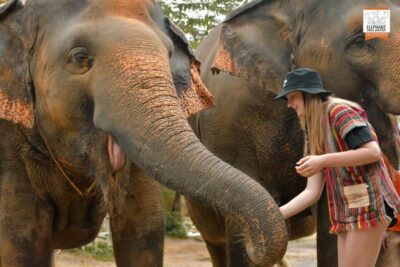
Elephant Jungle Sanctuary Ethical Feeding Experience
Read our review →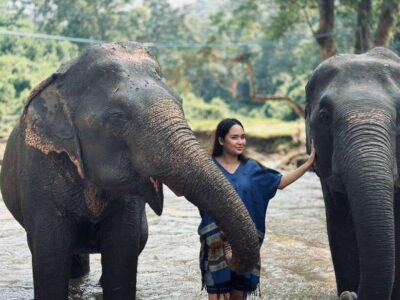
Elephant Sanctuary, Long Neck & Sticky Waterfall
Read our review →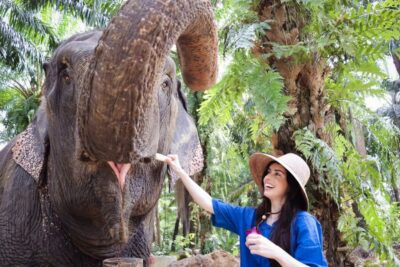
Elephant Bathing Session at Krabi Elephant Shelter
Read our review →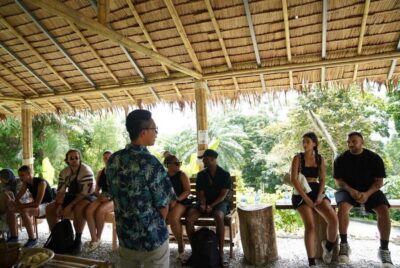
Elephant Sanctuary Guided Tour with Hotel Transfers
Read our review →
Browse the lists this tour appears in