
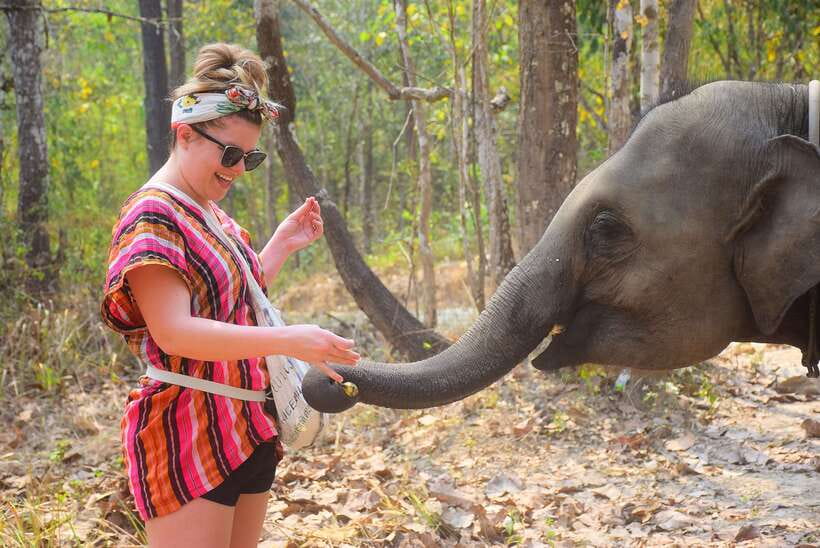
Reviewed · ELEPHANT SANCTUARY TOURS
Chiang Mai: Elephant Feeding Experience
Meet the elephants at mealtime. This one-hour visit to Elephant Retirement Park Chiang Mai gives you a close, simple look at daily elephant care, with time to prepare food, hear practical feeding tips, and spend about 30 minutes offering food to the animals. It is a small-group experience, limited to 10 people, and priced at $32 per person.
I especially like the hands-on food preparation and the chance to see elephants that are free to roam. The guide also explains how elephants eat and live in the wild, which gives the visit more meaning than a quick photo stop. The main drawback is transportation: hotel pickup is not included, and you may need to arrange a taxi costing about 1,200 to 1,500 baht.
I also like the relaxed start, with water, coffee, or tea while the guide introduces the park and its elephants. Keep your expectations sensible, though. This is a short feeding visit, not a full-day sanctuary program or a long trek through the park.
In This Review
- Key points to know before you go
- Arriving at Elephant Retirement Park Chiang Mai
- Learning what elephants eat and how to feed them
- Preparing elephant food with the guide
- Thirty minutes beside the elephants
- What makes the setting feel more responsible
- Is $32 good value for one hour?
- Who will enjoy this Chiang Mai activity?
- Practical advice for making the hour count
- Should you book the Elephant Feeding Experience?
- FAQ
- How long does the elephant feeding experience last?
- How much does the experience cost?
- Is hotel pickup included?
- How can I reach the park without my own vehicle?
- Where is the meeting point?
- Is food for the elephants included?
- Is the tour conducted in English?
- How many people are in the group?
- Can I cancel for a full refund?
- Do I have to pay when I book?
Key points to know before you go
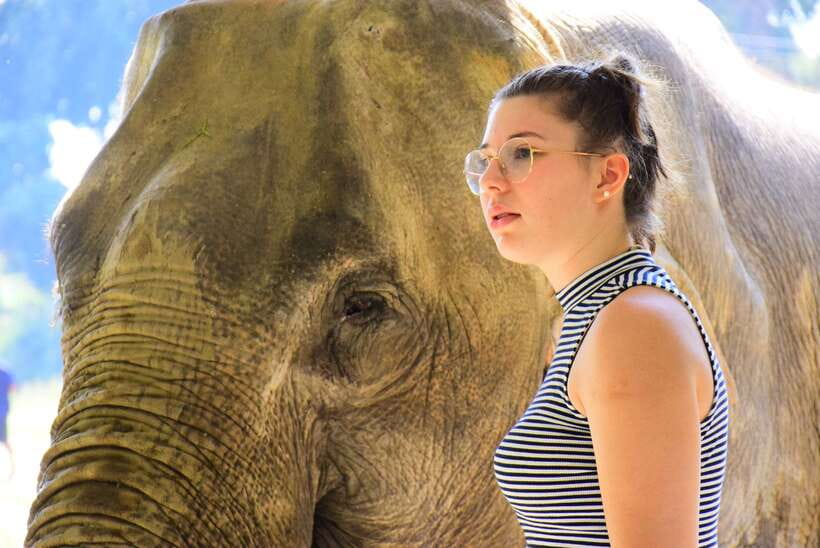
- About 30 minutes of elephant feeding: After the introduction and food preparation, you spend the main part of the visit feeding the elephants and taking photos.
- Food preparation is part of the experience: You do not simply arrive with a basket. You help prepare the elephants’ food under the guide’s direction.
- Small groups make the visit more personal: The group is limited to 10 participants, giving you a better chance to hear the guide and get close to the feeding activity.
- Elephants can roam freely: The park is described as allowing its elephants to move around freely, an important point for anyone seeking a more responsible encounter.
- Transportation costs extra: Hotel pickup and drop-off are not included. If you lack your own motorcycle or car, the park can provide a taxi for roughly 1,200 to 1,500 baht, depending on group size.
- English-language guidance: The tour is led in English and includes park entry, elephant food, drinking water, coffee, and tea.
Arriving at Elephant Retirement Park Chiang Mai
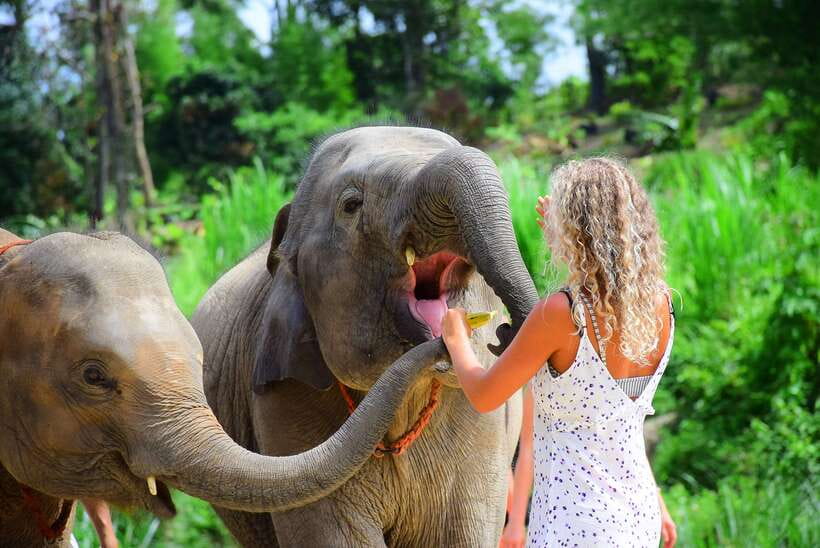
You meet a staff member under the sign for Elephant Retirement Park Chiang Mai. The meeting point is straightforward, but it is not a hotel pickup service, so you need to plan your route to the park before the day begins.
If you have your own motorcycle or car, you can make your own way there. If not, the park can provide a taxi. The stated taxi rate is about 1,200 to 1,500 baht, depending on the number of people in your group. That price can change the total value of the outing quite a bit, especially if you are visiting alone.
For two or more people sharing the ride, the taxi cost becomes easier to justify. If you are traveling independently and paying the full amount yourself, calculate the transport before booking. The $32 activity price looks modest, but the separate ride is the detail most likely to affect your budget.
Once you arrive, the pace is calm. You can have drinking water, coffee, or tea while the guide introduces themselves and explains what will happen. This short settling-in period is useful because it gives you time to get comfortable before approaching the elephants.
More Elephant Sanctuary Tours in Chiang Mai
- Chiang Mai: Elephant Sanctuary, Waterfall & Bamboo Rafting
★ 4.9 · 9,160 reviews - Chiang Mai: Elephant Sanctuary & Waterfall Group Tour
★ 4.9 · 5,780 reviews - Chiang Mai: Elephant Sanctuary Feeding Program Half-Day Tour
★ 4.8 · 4,527 reviews
Learning what elephants eat and how to feed them
The first real part of the visit is an introduction to elephant food and feeding behavior. Your guide explains what the animals eat, how to offer food, and how elephants live in the wild.
That advice matters. Elephants are large, powerful animals, even when they seem gentle. Simple instructions help you understand where to stand, how to hold the food, and how to follow the animal’s movements without turning the encounter into a noisy scramble.
I like that the guide does not treat feeding as a quick handout. You first learn about the food and the animals, then take part. This gives the activity a small educational purpose and helps you pay attention to the elephants rather than only focusing on your camera.
The guide also shares tips and tricks for feeding. The exact instructions can vary with the elephants and the conditions on the day, so listen closely rather than assuming every elephant will respond the same way. You are visiting their space, and the guide’s directions are there to keep the contact calm and controlled.
The English-language tour suits visitors who want explanations as well as photos. The group limit of 10 is helpful here. A larger crowd could make it harder to hear the guide or get a turn, while a small group gives the introduction a more direct feel.
Preparing elephant food with the guide
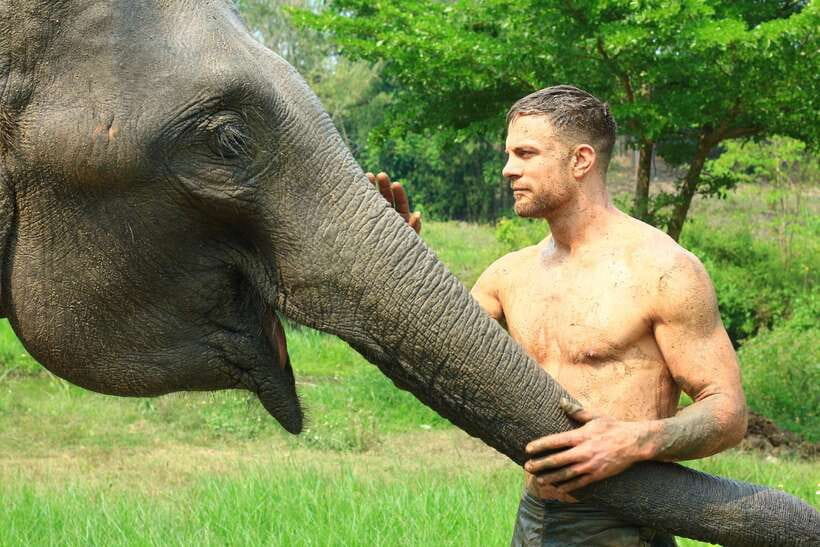
Before you feed the elephants, you help prepare their food. This is one of the most appealing details of the experience because it gives you a practical role in the visit.
The park provides the elephant food, and the guide supervises the preparation. You learn what goes into the food and how it is made ready for the animals. The activity is not described as a cooking class for people, so think of it as a short preparation session rather than a detailed culinary lesson.
Still, it helps explain the work involved in caring for elephants. Feeding a large animal is not just a matter of showing up with a few treats. The preparation connects your visit to the daily needs of the elephants and gives you a better sense of the care taking place behind the scenes.
This part also gives you something to do before the feeding begins. If you arrive expecting nonstop elephant contact from the first minute, the opening explanation and preparation may feel slow. I see that as a fair trade, since the hour is designed around a guided encounter rather than a rushed photo line.
Follow the guide’s instructions carefully while preparing the food. The supplied information does not specify the exact ingredients or method, so you should avoid expecting a particular recipe. The value is in taking part and learning how food is prepared for these animals.
Thirty minutes beside the elephants
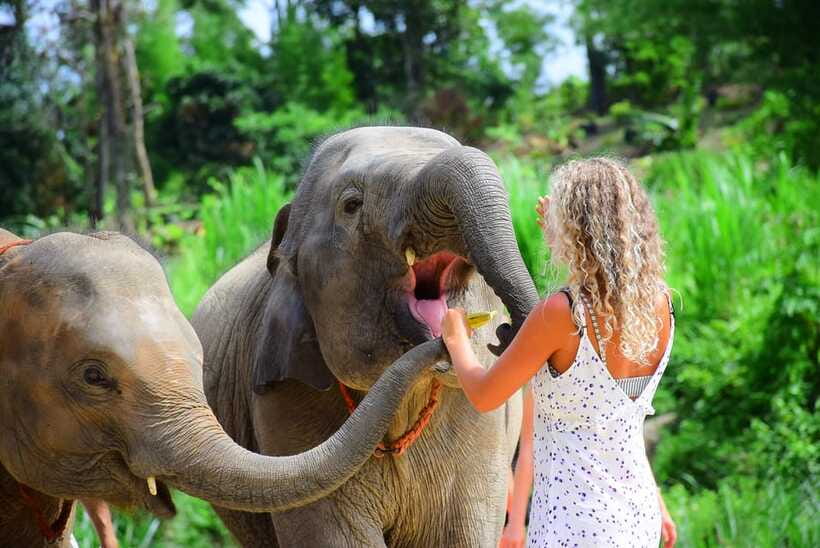
After the introduction and preparation, you spend about 30 minutes feeding the elephants and taking photos. For a one-hour activity, that is a solid portion of direct contact.
The elephants are described as free to roam, which changes the mood of the encounter. Instead of treating them as animals waiting in fixed positions for a succession of people, the visit allows them some freedom of movement. You may need to pay attention, wait for an animal to approach, and follow the guide’s instructions as the situation changes.
That also means the experience may feel less predictable than a tightly staged animal photo opportunity. You might not get every picture you imagined, and the elephants may not pose on command. For me, that is part of the appeal. The visit works best when you treat the photographs as a bonus rather than the main product.
The park has received strong praise for the care given to its elephants and for staff who genuinely care about the animals. That is important to anyone trying to avoid entertainment based on forced performances. The supplied information does not describe riding, shows, or bathing, so you should not expect those activities here. The focus is feeding, learning, and observing.
You can bring a camera, but keep it secondary to the instructions. Your hands may be occupied with food, and elephants do not always stay in the perfect position for a portrait. A phone with a secure grip or strap may be more practical than a bulky camera, though the activity information does not require any particular equipment.
A completely different kind of day out:
- Half-Day Thai Cooking Class at Organic Farm in Chiang Mai
★ 5.0 · 19,087 reviews - Chiang Mai: Doi Inthanon National Park Eco-Friendly Tour
★ 4.6 · 6,667 reviews - Chiang Mai: Chiang Rai Temples, Karen Tribe and Hot Springs
★ 4.7 · 5,401 reviews - Chiang Mai: Cooking Class, Market & Thai Herbs Garden Tour
★ 4.9 · 4,824 reviews
What makes the setting feel more responsible
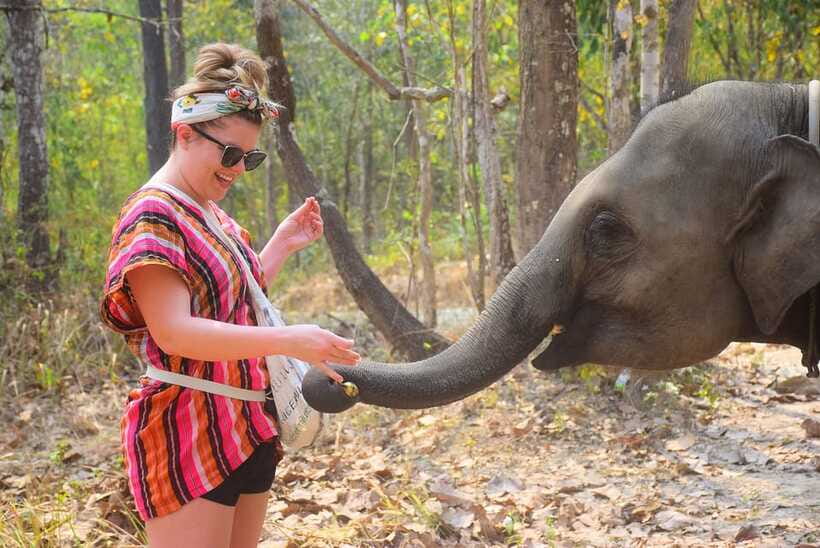
Ethical elephant tourism can be difficult to judge from a short description. The useful signs here are the limited group size, the educational briefing, the focus on feeding, and the description of elephants being free to roam.
The strongest praise for the park centers on the condition and treatment of the elephants. The animals are described as well cared for, and the staff are praised for genuine concern. Those points do not answer every question about the park’s wider policies, but they offer a better basis for choosing the experience than a simple promise of close contact.
I would pay attention to how the guide manages the feeding. A good encounter should allow the elephant to move away and should avoid crowding, shouting, or forcing the animal into a pose. Since the guide explains how to feed and interact with the elephants, you have a clear person to follow during the visit.
The phrase natural habitat appears in the activity description, but you should read it carefully. This is still a managed elephant park, not a remote wilderness encounter. The experience gives you a chance to see elephants in a more open setting, while staff remain nearby to guide the activity.
The 4.7 rating from 11 verified bookings is encouraging, and the comments repeatedly praise the guide, the caring staff, and the elephants’ freedom to roam. The small number of ratings means I would treat it as a useful signal rather than absolute proof. Even so, the praise is consistent on the points that matter most for this kind of outing.
Is $32 good value for one hour?
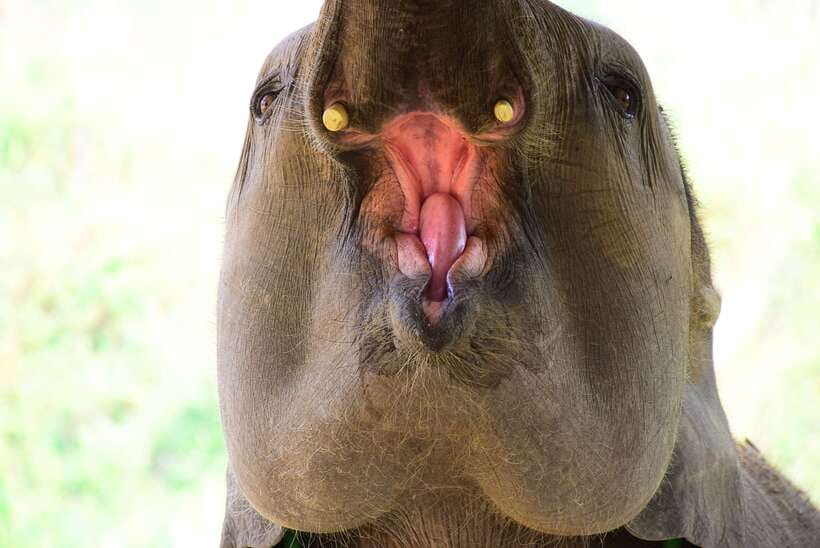
At $32 per person, the experience offers a reasonable price for a short, guided elephant encounter. Your fee covers park entry, elephant food, the English-speaking guide, and drinking water, coffee, and tea.
The value comes from the structure. You are not paying only for 30 minutes of feeding. The hour includes an introduction, information about elephant life, food preparation, and time with the animals. If you want a compact activity that fits around other Chiang Mai plans, that format works well.
The separate taxi cost is the key concern. A ride of about 1,200 to 1,500 baht can be significant, particularly for one person. If you are sharing the taxi with a group, the outing becomes better value. If you are booking alone, compare the total cost with longer elephant experiences before making a decision.
The short duration can also be a benefit. You do not need to spend an entire day at the park, and you are less likely to feel committed if the activity is one part of a busy Chiang Mai schedule. Families, first-time visitors, and people with limited time may appreciate that.
On the other hand, you should not book this expecting a full sanctuary day. There is no stated hotel transfer, extended meal, or longer walking program. The product is narrow by design: learn about the elephants, prepare food, feed them, and take photos.
Who will enjoy this Chiang Mai activity?
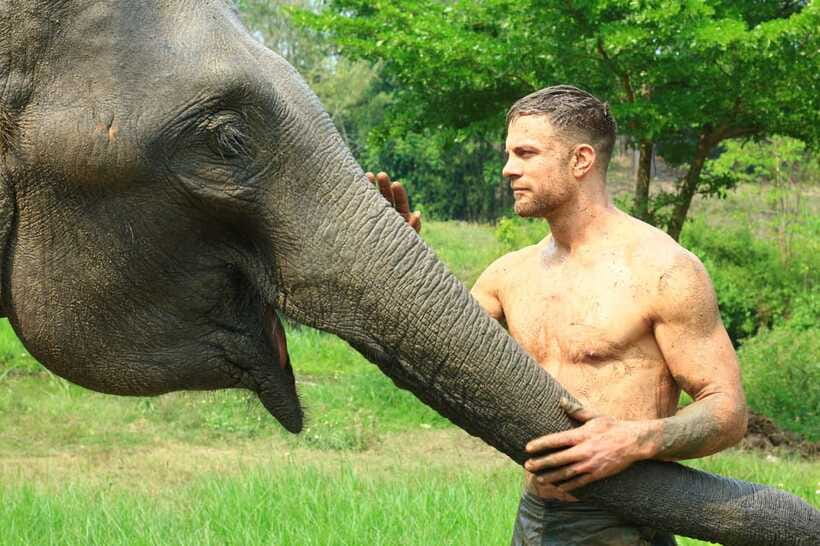
This experience suits you if you want direct contact with elephants but prefer a short visit with an educational element. The feeding session gives you a clear activity, while the guide’s explanation provides context.
It is also a good match for people who care about animal welfare. The park’s free-roaming elephants and the praise for attentive staff are meaningful positives. You should still follow the guide closely and judge the encounter by how calmly the elephants are treated on the day.
The small group is useful for couples, families, and friends who want a more personal visit. With no more than 10 participants, you have a better chance of hearing the guide and getting a place near the feeding activity. It also helps reduce the sense of a large crowd surrounding the animals.
This may not suit you if transportation is a problem or if you want a long day in the countryside. The taxi arrangement adds planning, and the one-hour schedule leaves little room for a wider program. You may also prefer another activity if your main goal is elephant walking, bathing, or a long nature excursion, since none of those are included here.
Practical advice for making the hour count

Arrive ready to listen before you reach for your camera. The feeding guidance is not filler. It tells you how to approach the elephants and helps keep the encounter respectful.
Wear something comfortable for an outdoor animal visit, though the supplied information does not list a dress code or specific clothing rules. Bring only what you can manage while holding food and taking photos. A secure phone or camera is sensible.
Set aside time for transport. The visit itself lasts one hour, but your full outing will take longer once the taxi journey is added. Since hotel pickup is not included, confirm your transport plan before setting up other activities in Chiang Mai.
If you are sharing a taxi, coordinate with the other people in your party. The stated rate depends on group size, so the cost per person is likely to be easier to manage when several people travel together. The park can provide the taxi if you do not have your own motorcycle or car.
Keep your expectations focused. The best part is the combination of food preparation, clear feeding advice, and a reasonable period of contact with elephants that can roam freely. It is not designed to fill a whole day, and that is fine if you want a compact, meaningful stop.
Should you book the Elephant Feeding Experience?
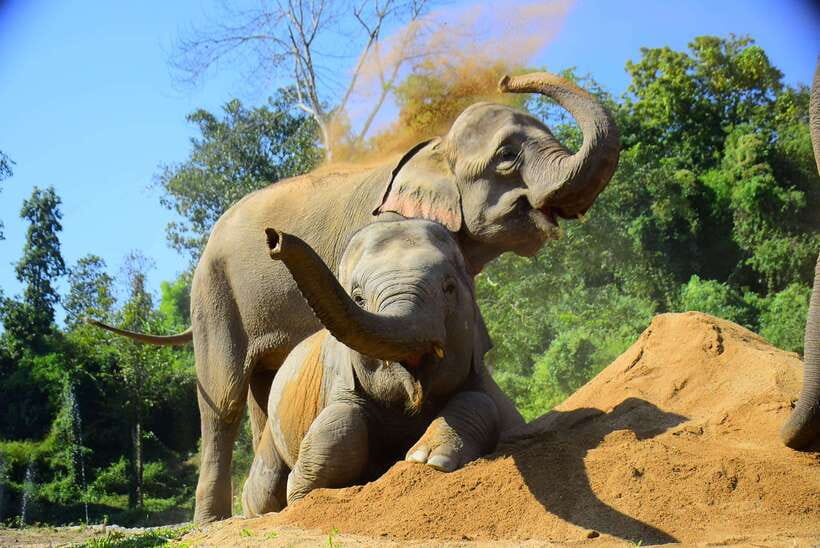
I would book it if you want a short elephant encounter with a small group, an English-speaking guide, and a focus on feeding rather than a packed schedule of activities. The strongest reasons are the hands-on food preparation, the reported care for the elephants, and the chance to see them move freely.
Before paying, work out the transport cost. The $32 price is fair for the included activity, but a 1,200 to 1,500 baht taxi can change the final total. For two or more people sharing the ride, the value looks better.
Book this if one hour is enough for your plans and you want a gentle introduction to elephant care. Skip it if you need hotel transfers, a full-day program, or activities beyond feeding and learning. The activity is short, focused, and best for someone who values a calm encounter over a long list of extras.
FAQ
How long does the elephant feeding experience last?
The experience lasts one hour. About 30 minutes are spent feeding the elephants and taking photos, with the remaining time used for introductions, learning, and preparing food.
How much does the experience cost?
The listed price is $32 per person.
Is hotel pickup included?
No. Hotel pickup and drop-off are not included.
How can I reach the park without my own vehicle?
If you do not have your own motorcycle or car, the park can provide a taxi. The stated rate is about 1,200 to 1,500 baht, depending on the number of people in your group.
Where is the meeting point?
Meet a member of the park staff under the sign for Elephant Retirement Park Chiang Mai.
Is food for the elephants included?
Yes. Elephant food and park entry are included in the price.
Is the tour conducted in English?
Yes. The experience includes a live English-speaking guide.
How many people are in the group?
The group is limited to 10 participants.
Can I cancel for a full refund?
Yes. You can cancel up to 24 hours in advance for a full refund.
Do I have to pay when I book?
No. The reserve now and pay later option lets you book your place without paying immediately.
Just added in Chiang Mai
- Full Day Doi Saket Hiking Tour★ 5.0 · 14 reviews
- Pha Dok Siew Nature Trail & Doi Inthanon National Park From Chiang Mai★ 4.0 · 23 reviews
- One day Elephants in Nature Experience & Grand Canyon Jumping★ 5.0 · 31 reviews
- One day Doi Inthanon National Park & Trekking on Kew Mae Pan★ 5.0 · 12 reviews
- Private Tour 2 Difference Trails Trekking at Doi Inthanon National Park★ 5.0 · 19 reviews
- Chiang Mai to White & Blue Temple, Black Museum & Golden Triangle★ 4.0 · 52 reviews
- Half day Long Neck hill tribe and Hmong hill tribe village★ 5.0 · 21 reviews
- One Day Tour Chiang Rai(White Temple , Blue Temple, Black House) Private Tour★ 5.0 · 63 reviews
Elephant Sanctuary Tours, compared.
Elephant Sanctuary, Waterfall & Bamboo Rafting
Read our review →

Elephant Sanctuary Feeding Program Half-Day Tour
Read our review →
Elephant Jungle Sanctuary Ethical Feeding Experience
Read our review →
Elephant Sanctuary, Long Neck & Sticky Waterfall
Read our review →
Elephant Bathing Session at Krabi Elephant Shelter
Read our review →
Elephant Sanctuary Guided Tour with Hotel Transfers
Read our review →
Browse the lists this tour appears in