
Reviewed · ELEPHANT SANCTUARY TOURS
Chiang Mai: Elephant Dream Project Sanctuary – Half-Day
Elephants set the pace here. The Elephant Dream Project offers a quiet, animal-first visit outside Chiang Mai, where you feed elephants, walk beside them in the jungle, and learn how the local team cares for them. I especially like the no-riding, no-tricks approach and the chance to see the animals move freely rather than perform on command. The local setting, village connection, and included Thai lunch add more meaning than a quick photo stop.
The main point to plan around is time. The experience is sold as a four-hour activity, but the published schedule runs from roughly 7:00 AM pickup to 2:30 or 3:00 PM drop-off. With about 1 hour and 45 minutes each way, this is closer to a full morning and early afternoon away from Chiang Mai. I also like that the elephants are not forced to join in, but that means your visit follows their mood, not a strict show schedule.
In This Review
- Key points to know before booking
- The early pickup from Chiang Mai
- Meeting the elephants and the people behind the project
- Feeding the elephants up close
- Walking through the jungle at elephant speed
- Watching elephants drink and bathe
- Thai lunch and time in the village
- Is $51 a fair price?
- Who will enjoy this visit most?
- What to pack for the sanctuary
- My verdict: should you book Elephant Dream Project?
- FAQ
- How long does the Elephant Dream Project experience take?
- What time is hotel pickup?
- Is hotel transportation included?
- How long is the drive to the sanctuary?
- Is lunch included?
- Is food for feeding the elephants included?
- Can I ride the elephants?
- Can I bathe the elephants?
- What language does the guide speak?
- What should I bring?
Key points to know before booking
- The elephants choose the pace: You feed them and walk alongside them, but the activities are based on natural elephant behavior rather than forced entertainment.
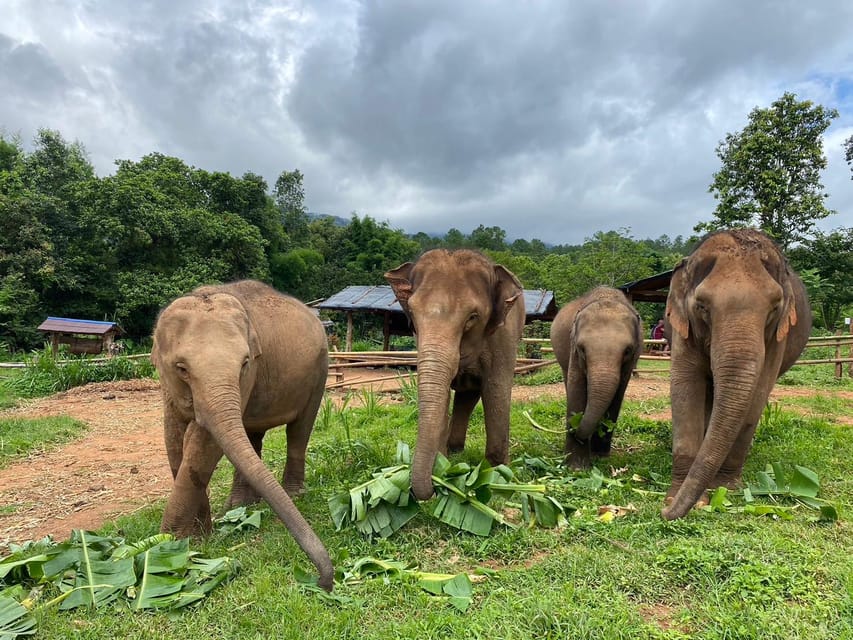
- Five elephants are cared for locally: The project is connected with local Karen people, and several accounts describe the animals as being treated like family.
- The jungle walk can be steep: Bring hiking shoes with good traction, especially if the ground is wet or slippery.
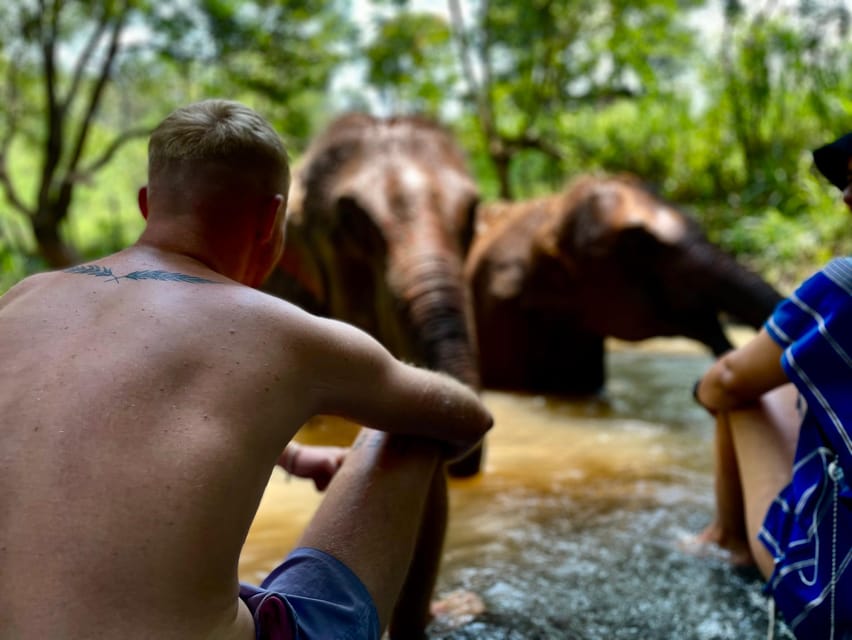
- Bathing is observation only: You may see elephants drink or bathe, but this is not a hands-on bathing session.
- Pickup, lunch, water, and feeding food are included: The $51 price covers the main costs, though soft drinks cost extra.
- Expect a long transfer: The mountain setting is part of the appeal, but the road time is significant for a short sanctuary visit.
The early pickup from Chiang Mai
Your day begins with hotel pickup between 7:00 and 7:30 AM. Pickup is included from hotels in Chiang Mai city, and you should wait in the lobby five minutes before the scheduled time. Look for the Elephant Dream Project vehicle.
The ride to the sanctuary takes about 1 hour and 45 minutes. That is not a minor detail. You are trading several hours on the road for time in a quieter mountain and jungle setting. The drive gives you a look at the countryside around Chiang Mai, but anyone expecting a quick city excursion should adjust plans accordingly.
Transport has generally been described as safe and comfortable, with a nine-seat van noted as an improvement by one visitor. Still, road conditions and pickup timing can vary. I would avoid scheduling another fixed activity soon after the 2:30 to 3:00 PM return window.
The schedule has one odd wrinkle: the activity is labeled four hours, yet the full timetable occupies about eight hours from hotel pickup to hotel drop-off. The sanctuary portion appears to be around three hours, followed by lunch and the return trip. Treat this as a half-day at the sanctuary and a longer half-day overall.
More Elephant Sanctuary Tours in Chiang Mai
- Chiang Mai: Elephant Sanctuary, Waterfall & Bamboo Rafting
★ 4.9 · 9,160 reviews - Chiang Mai: Elephant Sanctuary & Waterfall Group Tour
★ 4.9 · 5,780 reviews - Chiang Mai: Elephant Sanctuary Feeding Program Half-Day Tour
★ 4.8 · 4,527 reviews
Meeting the elephants and the people behind the project
At about 9:30 AM, you arrive at the sanctuary and receive an introduction from an English-speaking local guide. Several accounts single out JJ for his warmth, clear explanations, and care for the animals. Mr. Dee, also referred to as Mr. D, is connected with the elephants and is described as having grown up with them.
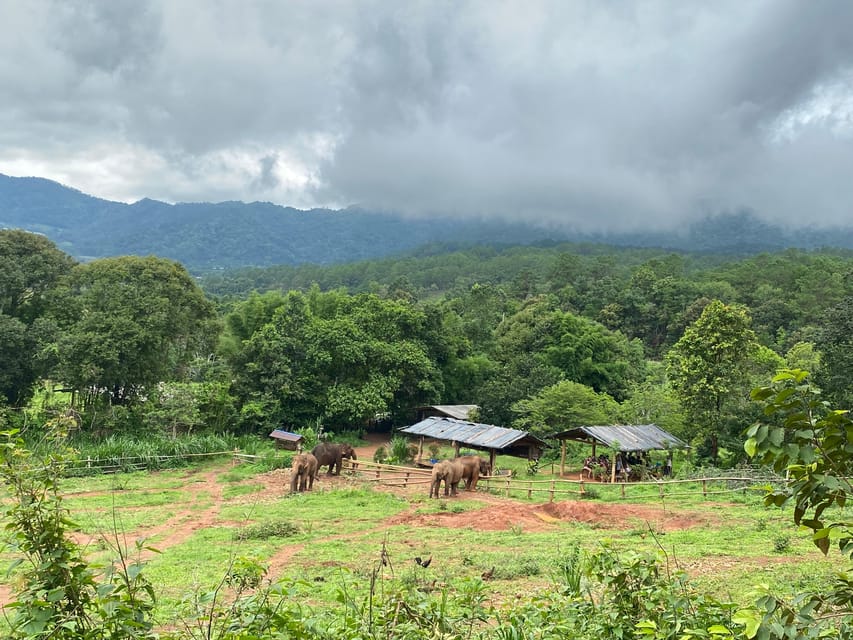
That personal link helps explain the project’s tone. The elephants are not presented as props for a stage show. The people caring for them appear to know their habits, food needs, and individual stories. The setting is simple and locally run, rather than built around a large tourist operation.
The project is associated with local Karen communities, where families have cared for elephants for generations. Some of the animals came from working backgrounds, including elephants connected with family farms. That context matters. It also helps explain why the idea of an elephant sanctuary is not always as simple as releasing every captive elephant into the wild.
One useful point raised during the visit is that there is limited forest available for elephants, and some animals have long histories of living with people. A responsible project must balance safety, food, land, and the animals’ past training. The Elephant Dream Project’s stated approach is to let elephants move according to their own comfort, rather than force them to entertain.
Feeding the elephants up close
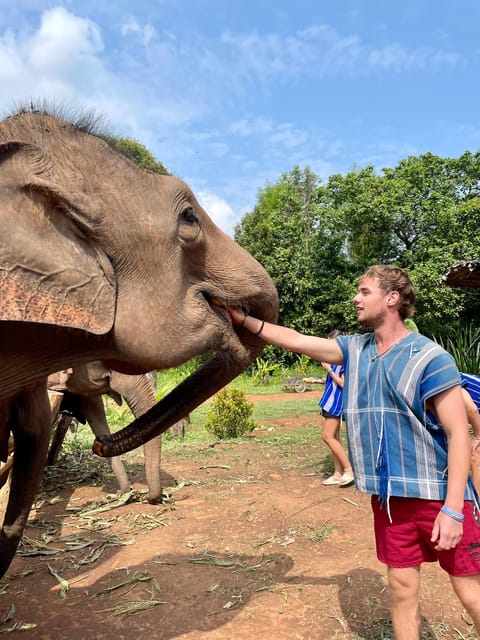
Feeding is the most direct activity on the program. Food for the elephants is included, and you receive buckets of fruit and other food to offer them. Elephants eat a remarkable amount, so this is not a single banana and goodbye. The feeding gives you a close look at their trunks, mouths, size, and individual behavior.
You should expect a hands-on feeding experience, but not unlimited touching. One of the appealing features is that the animals can come over when they want food and move away when they want space. Some accounts describe a respectful, close encounter without rubbing, riding, or posing the elephants through repeated commands.
The staff gives instructions before you approach. Pay attention. Elephants are enormous, even when calm and friendly, and food can make them eager. Keep your movements steady, follow the guide’s directions, and give the animals room to turn or step away.
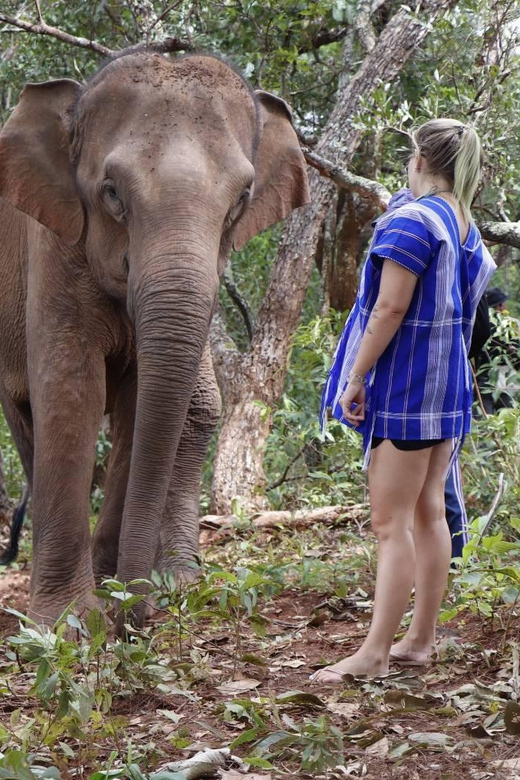
A cover-up garment may be provided to help keep your clothes clean. Even so, sunscreen is a smart choice, and you should bring a change of clothes and a towel. The combination of food, dust, plants, and warm weather can make a spare shirt useful.
Walking through the jungle at elephant speed
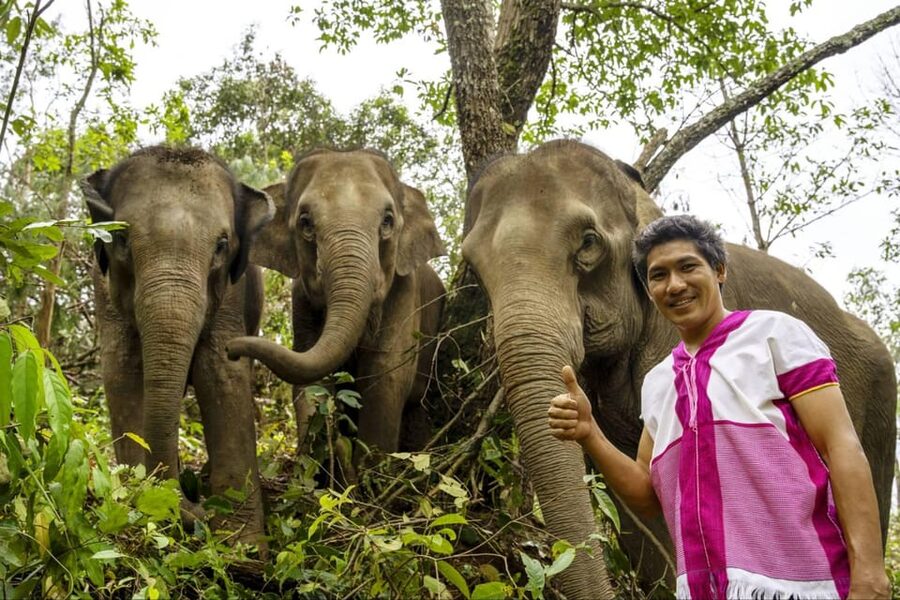
After feeding, you walk with the elephants through their natural surroundings. This is not a polished paved path or an elephant show with fixed stopping points. The elephants guide the pace, and you follow along the mountain and forest trails.
The walk has been described as a short trek higher into the forest. It can be slippery underfoot, and one account specifically recommends shoes with strong traction. Hiking shoes are listed among the required items, so do not treat this as a casual stroll in sandals.
The reward is a more natural view of the animals. You may watch them browse, wander, drink, or pause while the group follows. The elephants are not required to perform a trick or complete a set routine. If one does not want to take part, it can move away.
That freedom can make the experience feel less predictable. You might spend less time posing beside an elephant than you would at a more commercial attraction. In exchange, you get a better chance to watch ordinary behavior, which is the most valuable part of this visit.
The forest setting also changes how you see the elephants. In a small enclosure, their size dominates the scene. On a mountain trail, you see how they move, stop, search for food, and respond to their surroundings. The walk is modest in length, but it gives the visit a sense of place.
A completely different kind of day out:
- Half-Day Thai Cooking Class at Organic Farm in Chiang Mai
★ 5.0 · 19,087 reviews - Chiang Mai: Doi Inthanon National Park Eco-Friendly Tour
★ 4.6 · 6,667 reviews - Chiang Mai: Chiang Rai Temples, Karen Tribe and Hot Springs
★ 4.7 · 5,401 reviews - Chiang Mai: Cooking Class, Market & Thai Herbs Garden Tour
★ 4.9 · 4,824 reviews
Watching elephants drink and bathe
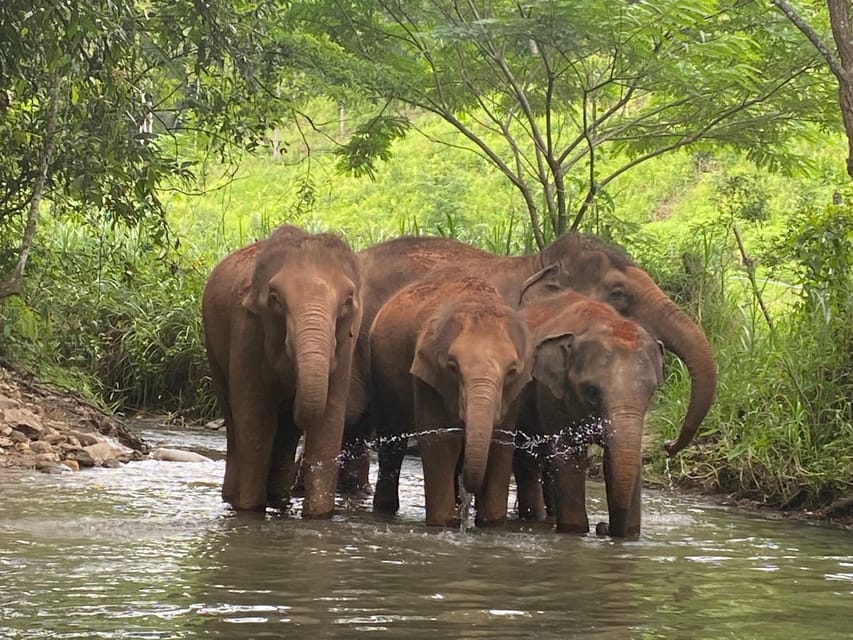
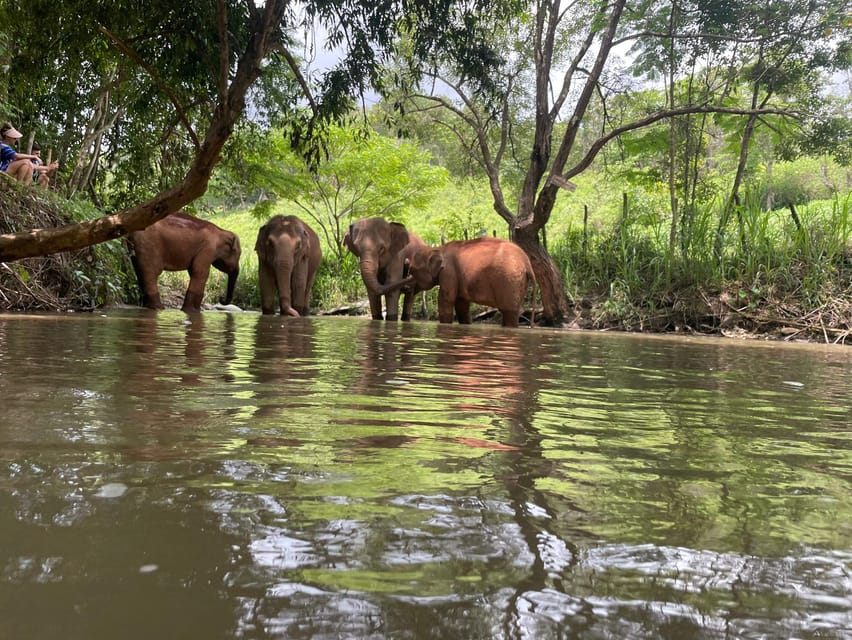
The program does not promise an elephant bathing session. That is a good thing if you are looking for an animal-first experience. You may walk to a river or water area and watch the elephants drink or bathe themselves, but you do not get into the water with them.
This distinction is important. Many activities use bathing as a major selling point, yet putting people into the water can turn the elephants’ routine into another performance. Here, observation is the focus. You may get excellent photos, but the animals remain in charge of the activity.
Do not assume you will see every elephant bathe. The schedule follows natural behavior, and the animals may choose to wander elsewhere. The project’s policy is clear: no forcing an elephant to participate for entertainment.
Thai lunch and time in the village
Around noon, you sit down to a Thai lunch with seasonal fruit. The meal is included, along with drinking water. Soft drinks are not included, so bring extra money if you want one.
Food is more than a practical break here. It gives you time to talk with the local team and see the project as part of a village community rather than a stand-alone animal attraction. Several accounts describe the meal as filling and delicious, with a friendly welcome from the owner and staff.
The village element is one of the tour’s quieter strengths. You are not only visiting elephants, but also seeing how local people work around them and support their care. The project needs money for food and land, and your booking helps fund that daily work.
The project’s land situation deserves an honest mention. The elephants are cared for by the local team, but the land is not fully owned by the guide or project, according to information shared during the experience. Building a larger area where the elephants can live more freely is an ongoing goal. That makes your payment feel more direct, but it also means this is a small project with practical limits.
Is $51 a fair price?
At $51 per person, the price is reasonable for what is included. You receive hotel transfers, entry, a guide, elephant food, water, and lunch. Once you add the cost of transport to a remote sanctuary and the time required to reach the site, the price compares well with many organized Chiang Mai excursions.
The value is strongest if you care about how the elephants are treated. You are not paying for riding, tricks, or a long menu of forced activities. You are paying for access to a locally run project, staff time, food for the elephants, transport, and a controlled way to observe the animals.
It is less compelling if your only goal is a short photo opportunity. The drive is long, and the sanctuary visit depends on elephant behavior. A more commercial attraction may offer more scheduled activities, but that is exactly what this project tries to avoid.
You can cancel up to 24 hours in advance for a full refund, and you can reserve now and pay later. Those policies make it easier to fit the visit into a changing Chiang Mai schedule.
Who will enjoy this visit most?
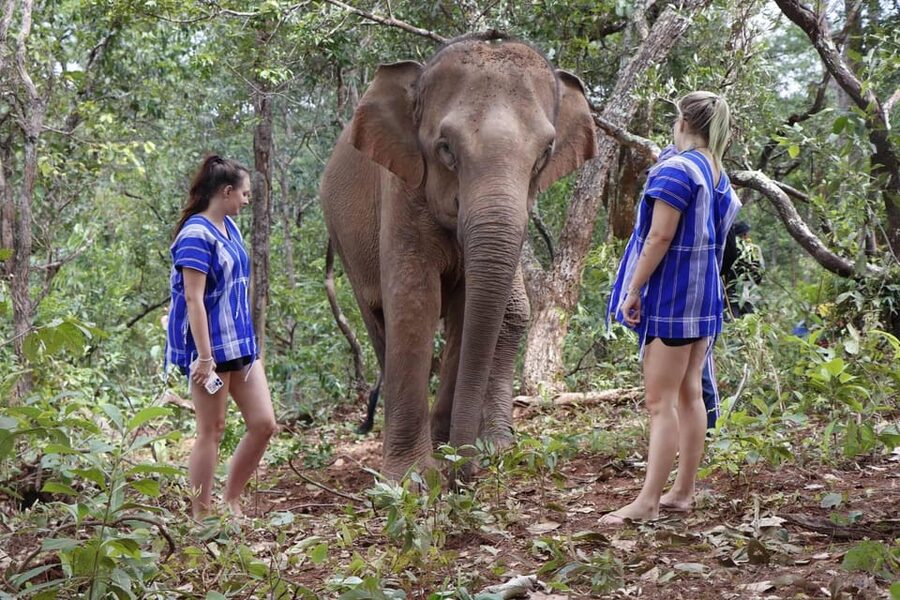
I would choose this experience if you want a smaller, quieter meeting with elephants and care about avoiding riding and forced performances. It suits families with older children, couples, solo visitors, and anyone willing to walk on uneven jungle ground.
You should be comfortable with:
- An early hotel pickup
- Nearly two hours of driving each way
- Walking on steep or slippery trails
- Warm conditions, insects, and outdoor exposure
- Watching rather than touching or bathing the elephants
- A flexible schedule shaped by animal behavior
The tour is not suitable for wheelchair users or people over 80 years old. The information also lists people over 95 as unsuitable, though the over-80 restriction is the one that matters in practice. If you have mobility concerns, ask before booking because the jungle walk is not described as accessible.
What to pack for the sanctuary
Bring hiking shoes with good grip, sunscreen, insect repellent, a towel, and a change of clothes. The traction matters most. The walk may become slippery, and the setting is outdoors rather than a paved park.
Wear clothes you can move in and do not mind getting dusty or damp. Water and elephant food are included, but soft drinks are not. If you want to take photographs, keep your equipment secure while feeding and walking.
Arrive in the hotel lobby five minutes before pickup. Since the transfer is shared or vehicle-based, a late start can affect everyone’s day.
My verdict: should you book Elephant Dream Project?
I would book it if your priority is respectful contact with elephants, local care, and a simple jungle setting. The most praised features are consistent: the staff’s genuine concern, JJ’s friendly guidance, Mr. Dee’s connection with the elephants, the lack of riding and tricks, and the freedom for the animals to walk away.
I would not book it if you want a short, highly structured attraction with guaranteed bathing or constant hands-on contact. The trip takes much of the day once driving is counted, and the elephants decide what happens.
For $51, this is a strong value for a careful elephant experience near Chiang Mai. Bring proper shoes, allow extra time, and judge success by the quality of the encounter, not by how many activities you tick off. If an elephant wanders away, that is not a failed moment. It is the point.
FAQ
How long does the Elephant Dream Project experience take?
The activity is advertised as four hours, but the schedule runs from roughly 7:00 AM pickup to 2:30 or 3:00 PM hotel drop-off because of the drive. The sanctuary visit itself begins around 9:30 AM.
What time is hotel pickup?
Pickup from Chiang Mai city hotels is scheduled between 7:00 and 7:30 AM. You should wait in the hotel lobby five minutes before your scheduled pickup.
Is hotel transportation included?
Yes. Roundtrip transportation from hotels in Chiang Mai city is included.
How long is the drive to the sanctuary?
The drive from Chiang Mai to the sanctuary takes about 1 hour and 45 minutes.
Is lunch included?
Yes. A Thai lunch and seasonal fruit are included. Soft drinks are not included.
Is food for feeding the elephants included?
Yes. Food for feeding the elephants is included in the tour price.
Can I ride the elephants?
No riding is included. The project focuses on feeding, walking with, and observing the elephants.
Can I bathe the elephants?
No hands-on bathing session is included. You may watch the elephants drink or bathe themselves, depending on their behavior.
What language does the guide speak?
The live tour guide speaks English.
What should I bring?
Bring a change of clothes, a towel, hiking shoes, sunscreen, and insect repellent. Good traction is especially useful on the jungle walk.
Just added in Chiang Mai
- Full Day Doi Saket Hiking Tour★ 5.0 · 14 reviews
- Pha Dok Siew Nature Trail & Doi Inthanon National Park From Chiang Mai★ 4.0 · 23 reviews
- One day Elephants in Nature Experience & Grand Canyon Jumping★ 5.0 · 31 reviews
- Chiang Mai to White & Blue Temple, Black Museum & Golden Triangle★ 4.0 · 52 reviews
- One day Doi Inthanon National Park & Trekking on Kew Mae Pan★ 5.0 · 12 reviews
- Private Tour 2 Difference Trails Trekking at Doi Inthanon National Park★ 5.0 · 19 reviews
- Half day Long Neck hill tribe and Hmong hill tribe village★ 5.0 · 21 reviews
- One Day Tour Chiang Rai(White Temple , Blue Temple, Black House) Private Tour★ 5.0 · 63 reviews
Elephant Sanctuary Tours, compared.
Elephant Sanctuary, Waterfall & Bamboo Rafting
Read our review →
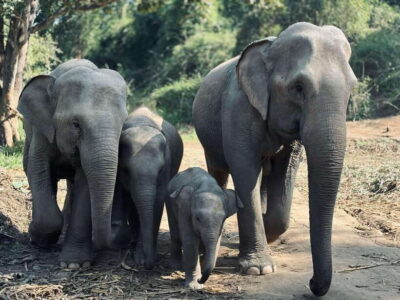
Elephant Sanctuary Feeding Program Half-Day Tour
Read our review →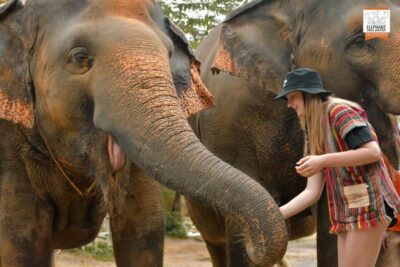
Elephant Jungle Sanctuary Ethical Feeding Experience
Read our review →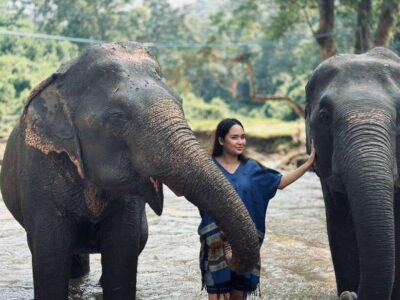
Elephant Sanctuary, Long Neck & Sticky Waterfall
Read our review →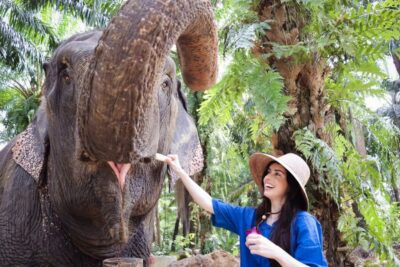
Elephant Bathing Session at Krabi Elephant Shelter
Read our review →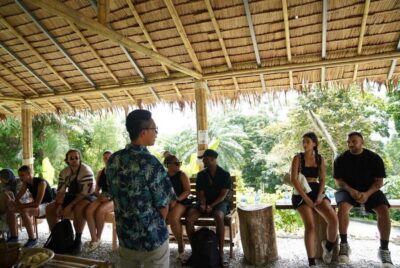
Elephant Sanctuary Guided Tour with Hotel Transfers
Read our review →
Browse the lists this tour appears in