
Reviewed · ELEPHANT SANCTUARY TOURS
Phuket Elephant Nature Reserve Ethical Sanctuary
Elephants come first here. At Phuket Elephant Nature Reserve, you watch rescued elephants roam, prepare vitamin balls with their handlers, and learn how the sanctuary turns dung into useful products. I like the hands-off approach and the clear explanation of why riding, bathing, and forced contact harm elephants. I also like that the half-day program adds a Thai cooking lesson and lunch, giving you more than a quick animal photo stop.
The main trade-off is simple: you cannot touch, bathe, or hand-feed the elephants. That may disappoint anyone expecting a close-contact encounter, and Phuket’s heat and humidity can make a long visit tiring. Still, for about $39.11 per person, this is a thoughtful way to see elephants while supporting their care rather than their exploitation.
In This Review
- What makes this experience worth your time
- A sanctuary built around animal choice
- The first briefing sets the tone
- Preparing food with the mahouts
- Watching elephants in the jungle and at water
- The elephant dung recycling center
- Thai cooking class and lunch
- How ethical is the encounter?
- Price, time, and practical value
- What to bring and how to prepare
- Who should choose the half-day program?
- Should you book Phuket Elephant Nature Reserve?
- FAQ
- How long does the Phuket Elephant Nature Reserve experience last?
- Can I touch or bathe the elephants?
- Can I feed the elephants?
- Is lunch included?
- Is the Thai cooking class included in every visit?
- Is transportation included?
- What should I bring?
- Can I cancel for a refund?
What makes this experience worth your time
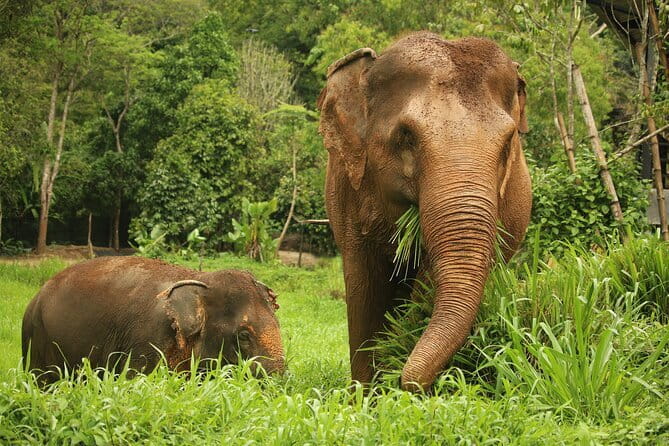
- Free-roaming rescued elephants: Watch the animals move through jungle areas and natural water ponds without being made to perform.
- Hands-off elephant care: Prepare food and vitamin balls, but do not touch or feed directly from your hand.
- Thai cooking and lunch: The half-day option includes a cooking demonstration and a meal based on what you prepare.
- A useful lesson about dung: See how elephant waste is recycled at the sanctuary.
- Strong educational focus: Guides explain the difference between ethical care and tourist activities built around riding or bathing.
- Small, caring setting: The sanctuary limits the number of elephants, which helps keep the visit calm and personal.
A sanctuary built around animal choice
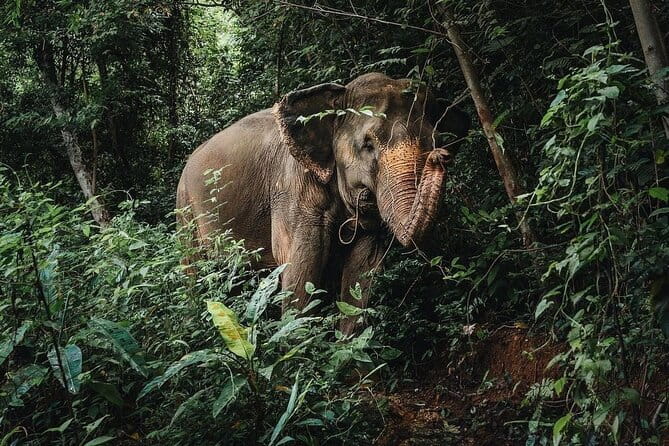
The central idea is easy to understand: the elephants are there for their own welfare, not to entertain you. They roam in open natural areas, move toward water, and spend time with their mahouts, the handlers responsible for their care.
That changes the rhythm of the visit. You are not promised a staged trick, a bath, or a photo while sitting on an elephant. Instead, you observe the animals at jungle areas and watering spots. Sometimes the elephants may be close enough for excellent photographs. At other times, they may simply wander off and do something more interesting than pose.
I consider that a strength, not a weakness. An ethical visit should include the possibility that the animal does not want to interact. The reserve’s rules make this clear: no riding, no bathing, no touching, and no direct hand-feeding. You can help prepare food and watch the elephants eat, but the interaction is controlled around the animals’ needs.
This approach also makes the experience useful for families. Children can see beautiful elephants up close while learning that kindness does not mean treating a wild animal like a pet. One family found the visit especially helpful for children aged 8 and 11, who came away understanding why elephant rides and bathing programs are not harmless entertainment.
More Elephant Sanctuary Tours in Phuket
- Phuket: Elephant Jungle Sanctuary Ethical Feeding Experience
★ 4.8 · 4,359 reviews - Phuket: Elephant Sanctuary Guided Tour with Hotel Transfers
★ 4.8 · 2,020 reviews - A Morning with the Elephants at Phuket Elephant Sanctuary
★ 5.0 · 1,693 reviews
The first briefing sets the tone
The visit begins with an introduction and safety briefing. This is more important than it sounds. It explains how to behave around elephants and why the reserve does not offer the activities found at many other elephant attractions.
You will learn about the elephants’ difficult pasts and their lives in care today. The exact background of each elephant may vary, but the purpose of the sanctuary is clear: provide a safer home for rescued animals that cannot simply be released into the wild.
The guides are a major part of the experience. Tom received especially warm praise for his clear and friendly presentation, while Steve was singled out for explaining the reserve’s approach well, even during heavy rain. Dong was also praised for making a half-day visit engaging and easy to follow.
Guide quality matters here because the visit is educational. Without explanation, you might see a few elephants in a green setting and leave with photographs but little understanding. With a good guide, the rules begin to make sense. You see why the elephants are not forced to bathe, pose, or accept constant physical contact.
Preparing food with the mahouts
One of the most enjoyable parts is helping prepare food for the elephants. The work can include cutting fruit and making vitamin balls with the mahouts. This gives you something useful to do without turning the animal into a prop.
The vitamin balls are particularly memorable. You get a direct look at one small part of daily elephant care, including the effort involved in preparing nutritious food for large animals. You do not simply arrive, offer a snack, and move on. You see preparation as part of the routine.
The reserve uses a hands-off system for the actual feeding. The descriptions of the activity use the word feed, but the rules are clear: you do not place food directly into an elephant’s mouth or hold it out by hand. Instead, you prepare the food and observe the elephants eating under the handlers’ supervision.
That may feel less exciting than a hand-feeding photo, but it is also more respectful. The elephants are not trained to approach every person for a reward. You can still watch their behavior at close range while keeping a proper distance.
Watching elephants in the jungle and at water

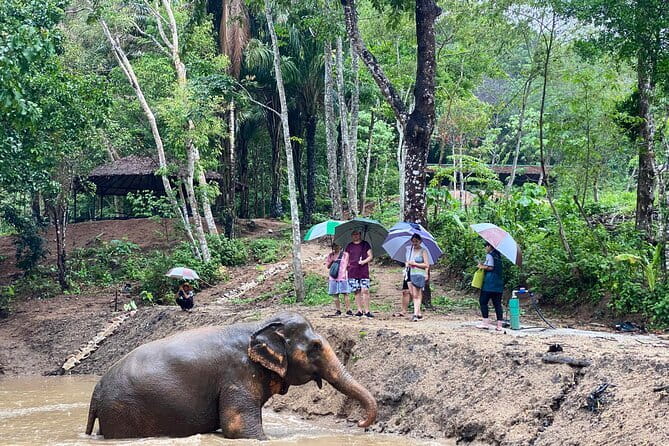
The elephant observation portion is the emotional center of the visit. You may see the animals moving through jungle areas, walking toward natural ponds, or simply spending time as a group.
The reserve is home to a limited number of rescued elephants. Several comments refer to seeing four or five elephants, though the exact number you see can depend on the program and the animals’ movements. That small scale helps keep the setting quieter than a large attraction with constant rotations of animals.
The best photographs will come from patience. You may get a clear view at a watering hole, or you may need to watch from a little farther away. You should bring a camera or phone, but do not plan your whole visit around a perfect close-up. The animals are not brought to a marked photo point on demand.
Rain can change the experience in an interesting way. One visit became more active because the elephants came out to play during wet weather. Phuket’s weather can also make the ground damp and the air heavy, so comfortable shoes are important. The reserve does not include footwear, hats, or sunglasses, so you need to bring those yourself.
The heat is worth taking seriously. Some people find a 90-minute elephant visit long enough in the hot, humid conditions, while others prefer the half-day program for its extra activities. The shorter and half-day options appear to be separate choices, so check the exact duration before booking. The advertised experience is approximately 3 hours and 30 minutes, while several comments refer to a 90-minute version.
A completely different kind of day out:
- Phang Nga Bay Sea Cave Canoeing & James Bond Island by Big Boat
★ 5.0 · 4,666 reviews - From Phuket: Phang Nga Bay and Canoeing Tour by Big Boat
★ 4.7 · 3,528 reviews - Phi Phi Islands Adventure Day Trip w/ Seaview Lunch by V. Marine
★ 5.0 · 3,295 reviews - Phuket: Paradise Trip ATV Jungle Adventure
★ 4.8 · 3,250 reviews
The elephant dung recycling center
The dung recycling center adds an unexpected practical lesson. Elephants produce a great deal of waste, and the sanctuary shows how that material can be recycled rather than simply discarded.
This stop may not sound as appealing as seeing an elephant at a pond, but it gives you a better picture of how an animal sanctuary functions day after day. Caring for elephants involves food, water, waste management, staff, land, and money. The recycling program connects your visit to those ongoing needs.
I like this part because it avoids the usual tourist script. You are not only shown the beautiful side of elephant care. You also learn about the less glamorous work required to keep a reserve clean and sustainable.
The dung center is included in the half-day program. If you choose the shorter visit, it may not be part of your schedule, so check the option you select.
Thai cooking class and lunch
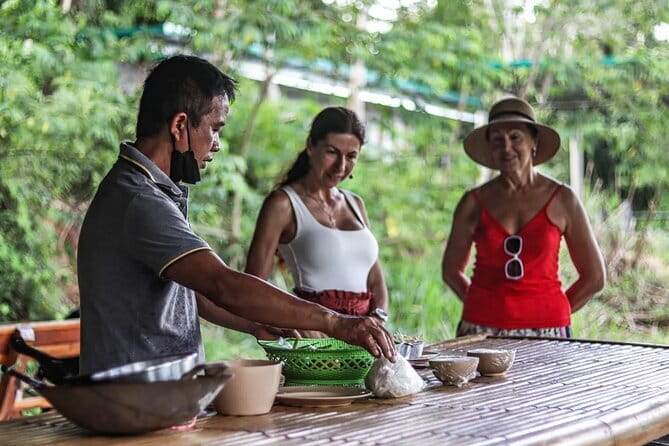
The half-day program adds a Thai cooking session, followed by lunch based on what you have learned to prepare. This makes the longer visit feel like a full morning or afternoon activity rather than several hours of elephant viewing alone.
The cooking lesson is also a useful break from walking and standing outdoors. You get time in a more structured setting, and the meal gives you a chance to try local flavors without arranging another restaurant stop. The food was described as very good, and the cooking activity received praise from families and adults alike.
Do not book the half-day option only for the elephants if you dislike cooking demonstrations. The class is a real part of the program, not a minor extra. For many people, that combination is exactly what makes the visit worth the added time and cost.
The half-day schedule can begin at different times, including a 1 p.m. start mentioned in one account. Since the exact start and order may vary, check your confirmation carefully. The program includes lunch, water, a guide, and insurance.
How ethical is the encounter?

No elephant tourism experience should be judged only by a label. The useful question is what the animals are required to do.
Here, the stated rules are strong. The elephants roam freely. You do not ride them, bathe with them, touch them, or offer food directly from your hand. The reserve explains why bathing and riding can be cruel, and the visit is built around watching, learning, and preparing food.
That does not mean you should expect a wild-animal encounter with no human involvement. These are rescued elephants living under human care, and mahouts remain involved in their daily routines. The important point is that the elephants are not made to perform or submit to physical contact for your photograph.
The reserve’s smaller scale also supports the calm feeling visitors describe. You see fewer elephants than at some large facilities, but the animals appear to have room and time to move about. If your goal is to collect the most dramatic elephant activities in one afternoon, this is not the right choice. If your goal is to support a more respectful model, it is a strong option.
Price, time, and practical value
At $39.11 per person, the experience is reasonably priced for a guided half-day activity that includes lunch, cooking, elephant observation, food preparation, the recycling center, water, and insurance.
Transport is not included. That matters in Phuket, where getting between beaches, hotels, and attractions can take time and cost extra. The reserve is near public transportation, but the supplied information does not give a pickup service or a detailed route. Plan your transport separately and allow enough time to arrive.
The price is best judged against what you are supporting. You are not paying for a high-contact photo package. Part of the fee helps cover food, care, staff, and the running costs of a sanctuary. One comment put it plainly: the money helps pay the expenses of looking after the elephants.
The mobile ticket is convenient, and confirmation arrives when you book. Free cancellation is available if you cancel at least 24 hours before the start time. Cancellations or changes inside that window are not refunded or accepted.
What to bring and how to prepare
Phuket is hot and humid, so dress for outdoor conditions. Bring:
- Comfortable shoes
- A hat
- Sunglasses
- Your own water bottle
- A camera or phone
- Clothing that can handle rain or damp conditions
Water is provided, and there is a refill station for your bottle. Since rain may arrive quickly, a light waterproof layer could be useful, though it is not listed as an included item.
You should also prepare your expectations. The elephants may come close, but you must follow the sanctuary’s rules. Do not reach toward them, call them over, or expect a handler to arrange physical contact.
Most people can participate, and service animals are allowed. The available information does not describe a specific route, terrain, or detailed mobility arrangements, so anyone with special access needs should confirm those details before booking.
Who should choose the half-day program?
I would choose the half-day option if you want a fuller understanding of the sanctuary’s work. The cooking class, lunch, vitamin balls, and dung recycling center add useful variety, and several people considered the extra time worthwhile.
It is especially suitable for:
- Families who want an educational animal experience
- Visitors who reject elephant rides and bathing programs
- People who enjoy cooking as part of a day tour
- Anyone who wants to support a smaller sanctuary
- Photographers who are happy to observe rather than pose beside an elephant
The shorter 90-minute format may suit you better if you are sensitive to heat, have a packed Phuket schedule, or want a focused elephant visit. Several people found 90 minutes sufficient, especially in hot weather.
The key is to book the right version. The advertised details describe approximately 3 hours and 30 minutes, but many comments refer to a 90-minute visit. Check that your selected option includes the cooking class, lunch, vitamin balls, and dung recycling if those are important to you.
Should you book Phuket Elephant Nature Reserve?
Yes, if you want an ethical, educational elephant visit and accept that the animals set the limits. The reserve offers close observation, food preparation, clear guidance, and a meaningful look at daily care. The half-day program is particularly good value because it combines elephant welfare with a Thai cooking lesson and lunch.
Skip it if your main goal is bathing, touching, riding, or hand-feeding elephants. Those activities are not offered, by design. Also think carefully about the weather and your transport plans.
For many people, this is the right kind of Phuket elephant experience: less spectacle, more respect, and enough useful information to change how you view animal tourism.
FAQ
How long does the Phuket Elephant Nature Reserve experience last?
The advertised experience lasts approximately 3 hours and 30 minutes. A separate shorter option of about 90 minutes is also referred to in the available details, so check the duration you select.
Can I touch or bathe the elephants?
No. Touching and bathing are not permitted. The sanctuary uses a hands-off approach focused on observation and welfare.
Can I feed the elephants?
You can help prepare their food and vitamin balls, then watch them eat. Direct hand-feeding is not permitted.
Is lunch included?
Lunch is included with the half-day program. That option also includes a Thai cooking class or demonstration.
Is the Thai cooking class included in every visit?
No. The cooking class and lunch are listed as inclusions for the half-day program only.
Is transportation included?
No. Transport is not included in the price. The reserve is near public transportation, but you must arrange your own way there.
What should I bring?
Bring comfortable shoes, a hat, sunglasses, and your own water bottle for the refill station. Water is provided, and a camera is useful for photographing the elephants.
Can I cancel for a refund?
Yes, if you cancel at least 24 hours before the experience start time. Cancellations or changes made less than 24 hours in advance are not refunded or accepted.
More National Parks in Phuket
- Phuket: Elephant Nature Reserve Entry Ticket and Guided Tour
★ 4.9 · 223 reviews - Exploring Phang Nga Bay national park with Lunch and Dinner
★ 5.0 · 48 reviews - Khao Sok National Park & Samet Nangshe Private Tour from Phuket
★ 4.5 · 23 reviews - Phuket Jungle Trekking Experience at Khao Phra Taew National Park
★ 5.0 · 15 reviews
Just added in Phuket
- Travstore Original Phuket Discovery Tour★ 3.9 · 39 reviews
- Zipline and ATV Skyline Adventure Phuket Include Pickup Transfer★ 5.0 · 11 reviews
- Zipline 18 Platforms and ATV Adventure Tour From Phuket★ 4.5 · 20 reviews
- Unique Thai Cooking Experience in Patong with Chef Care★ 5.0 · 87 reviews
- Phuket: Wow Andaman Snorkeling Trip to Phi Phi & Bamboo Islands★ 4.5 · 15 reviews
- Holiday travel photoshoot in Phuket★ 5.0 · 25 reviews
- Wonders of Khao Sok Discovery with Guaranteed Departure★ 4.5 · 31 reviews
- VIP Private Boat to Phi Phi Island: Snorkeling + Land Tour★ 5.0 · 9 reviews
Elephant Sanctuary Tours, compared.
Elephant Sanctuary, Waterfall & Bamboo Rafting
Read our review →
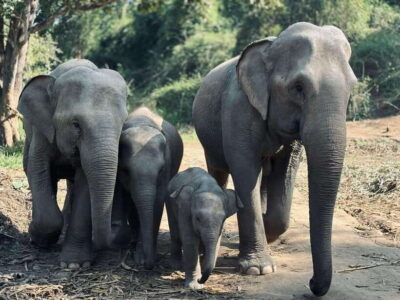
Elephant Sanctuary Feeding Program Half-Day Tour
Read our review →
Elephant Jungle Sanctuary Ethical Feeding Experience
Read our review →
Elephant Sanctuary, Long Neck & Sticky Waterfall
Read our review →
Elephant Bathing Session at Krabi Elephant Shelter
Read our review →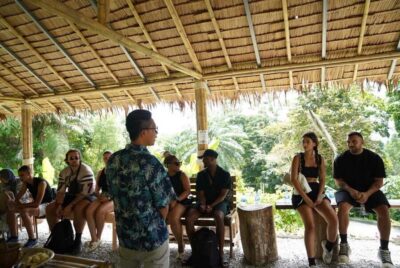
Elephant Sanctuary Guided Tour with Hotel Transfers
Read our review →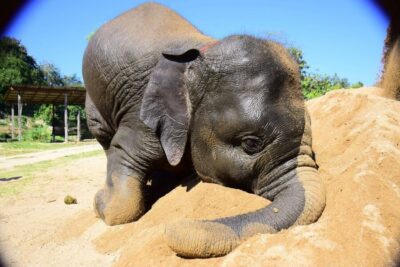
Browse the lists this tour appears in