Reviewed · CHIANG MAI TOURS
Meditation Retreat and Self-Care in Nature
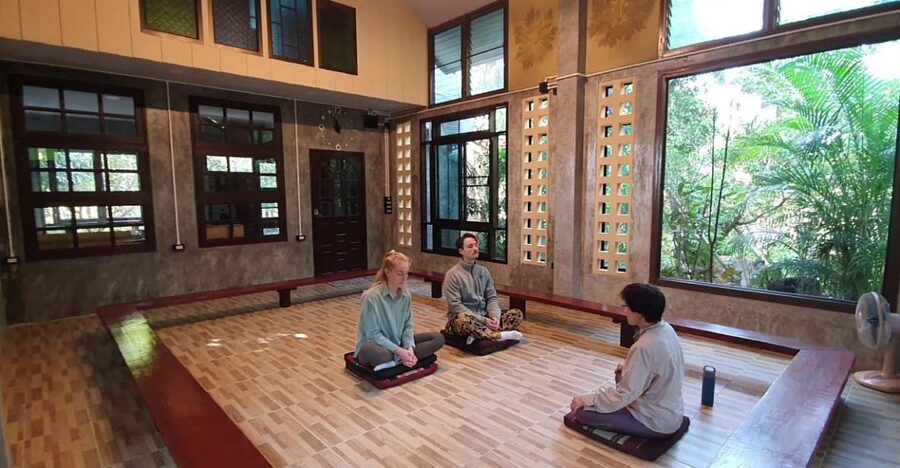
Quiet time can be hard to find in Chiang Mai. This three-hour retreat takes you to Flow Yoga Chiang Mai for mindful walking, guided sitting meditation, gentle yoga, and a quiet drink in a garden. I like the small groups of up to six, which allow instructor Amori to adjust the session to each person. I also like the thoughtful Thai touches, including tea, coffee, fresh fruit, and, on some occasions, sticky rice snacks.
The main consideration is the yoga level. It is adapted to the people present, but several beginners found some positions challenging. One person also found the English language barrier reduced the sense of calm. Still, with a perfect five-star rating from 46 reviews, this is a strong choice if you want a peaceful break from sightseeing rather than another busy Chiang Mai activity.
In This Review
- Key points to know before you go
- Why this retreat works in Chiang Mai
- Meeting Amori at Flow Yoga Chiang Mai
- Mindful walking among nature
- Guided sitting meditation with clear instruction
- Yoga and gentle stretches for mixed abilities
- Tea, coffee, fruit, and Thai snacks
- What the three hours feel like
- The strongest part: patient, personal teaching
- Who should book this experience?
- Price, transport, and practical value
- Should you book it?
- FAQ
- How long does the meditation retreat last?
- Where does the experience meet?
- What activities are included?
- Is the yoga suitable for beginners?
- Is meditation experience required?
- What language is the session taught in?
- How many people can join the group?
- Is hotel pickup and drop-off included?
- What should I wear?
- Can I cancel for a full refund?
Key points to know before you go
- Two kinds of meditation: You practice mindful walking outdoors, then move into guided sitting meditation with clear explanations.
- Amori leads the session: Her calm, patient teaching is one of the experience’s most praised features.
- Small groups matter: With no more than six people, the yoga and meditation can be adjusted to your experience and physical needs.
- A gentle Thai finish: Tea or coffee in the garden may be joined by fruit or Thai snacks, adding a local touch to the retreat.
- Allow three unhurried hours: The session includes meditation, movement, nature, and conversation, not just a quick yoga class.
- Bring your own transport plan: Hotel pickup and drop-off are not included, though Flow Yoga Chiang Mai can be reached by Grab according to the supplied details.
Why this retreat works in Chiang Mai
Chiang Mai is often sold through temples, markets, cooking classes, and mountain excursions. Those are worthwhile, but they can fill every hour of a holiday. This retreat offers something different: a set period when you are expected to stop, listen, stretch, and pay attention.
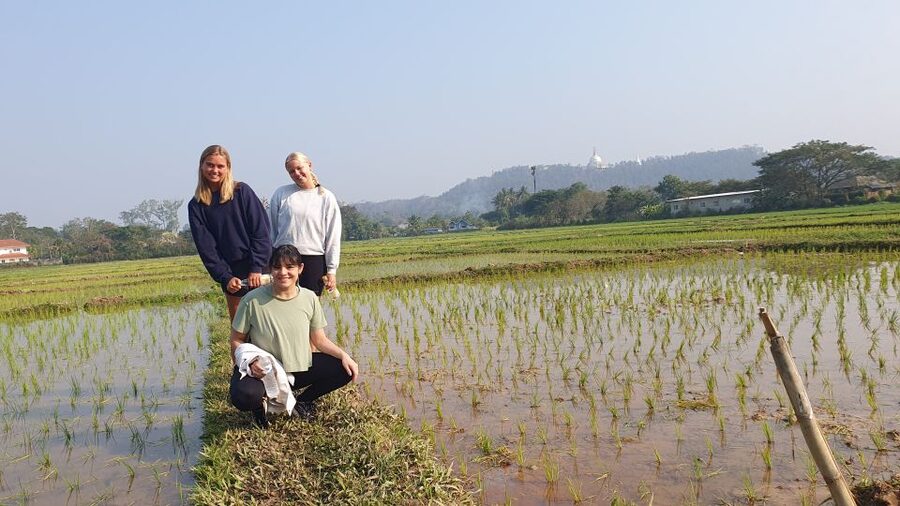
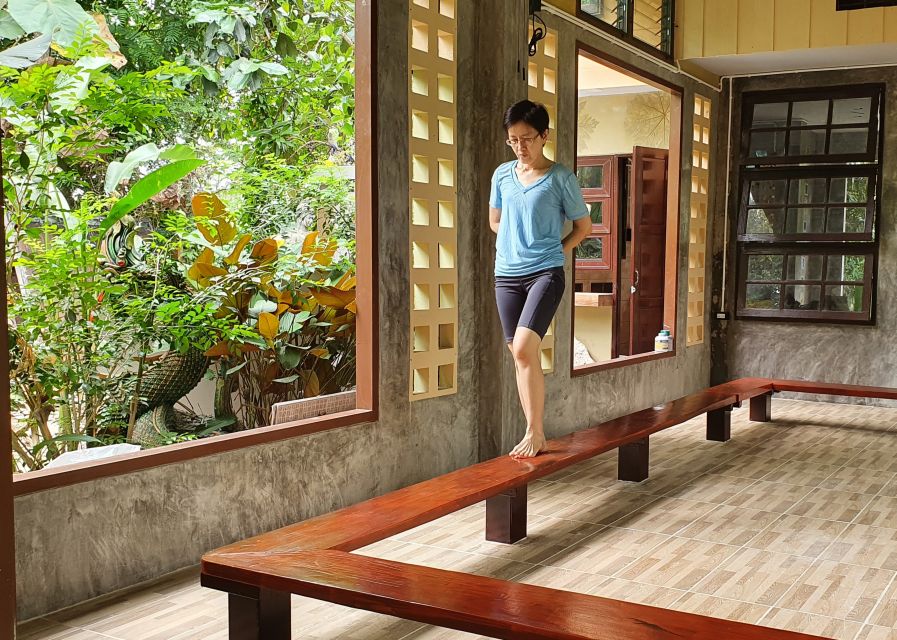
The setting is part of the appeal. The practice takes place among nature at Flow Yoga Chiang Mai, in a clean and secluded space away from noisy distractions. You are not simply sitting inside a studio while traffic rattles past. The outdoor setting gives mindful walking a clear purpose and makes the change of pace easier to feel.
I would not book this as a sightseeing tour. There is no list of major attractions to tick off. You come for the quality of the teaching and for a practical introduction to meditation that you can use after leaving Thailand.
At $48 per person, the price is reasonable for a three-hour, small-group class with an English-speaking instructor. It becomes especially good value when the group is tiny and Amori can tailor the practice to you. The value is less about equipment or a long list of inclusions and more about patient instruction, a peaceful setting, and enough time to work through questions.
A few more options to weigh up in Chiang Mai
- Half-Day Thai Cooking Class at Organic Farm in Chiang Mai
★ 5.0 · 19,087 reviews - Chiang Mai: Elephant Sanctuary, Waterfall & Bamboo Rafting
★ 4.9 · 9,160 reviews - Chiang Mai: Doi Inthanon National Park Eco-Friendly Tour
★ 4.6 · 6,667 reviews
Meeting Amori at Flow Yoga Chiang Mai
The experience begins at Flow Yoga Chiang Mai. Hotel pickup and drop-off are not included, so you need to arrange your way there. The supplied information notes that Grab is a practical option, and Amori has helped participants with transport advice and, in one case, arranged a taxi for the return to the old city.
That personal contact is useful. If you are unsure about the route, message ahead rather than leaving transport until the last minute. The retreat is outside the center’s constant activity, which is part of its charm, but it also means you should plan the journey.
The group is limited to six people. That is small enough for personal attention but not so private that you must book a one-to-one session. Some sessions have had only one participant or two people, creating an almost private lesson. You cannot count on that, but the cap keeps the class from becoming a crowded workshop.
Wear comfortable clothes for both sitting and movement. Athletic clothing is sensible if you expect to work hard during the yoga portion. You do not need previous meditation or yoga experience, and the class has been suitable for first-timers, older participants, and more practiced students.
Mindful walking among nature
The first active practice is mindful walking. This is not a hike and not a race to reach a viewpoint. Amori teaches you to move slowly and notice the act of walking, your feet, your breathing, and the space around you.
For many people, walking meditation is easier than sitting still at first. Your body has something simple to do, so the mind has fewer excuses to run off toward tomorrow’s plans or yesterday’s mistakes. The nature setting gives you a calm place to try the method without the pressure of a formal temple ceremony.
The practice also gives you a useful tool for daily life. You do not need a yoga mat or a silent room to repeat it. A quiet garden, a park path, or even a slow walk through your hotel grounds can become a short mindfulness exercise.
The outdoor portion may be less comfortable for someone who expects a polished spa treatment. This is a practice session, not a luxury wellness package. The reward is learning a technique you can carry with you.
Guided sitting meditation with clear instruction
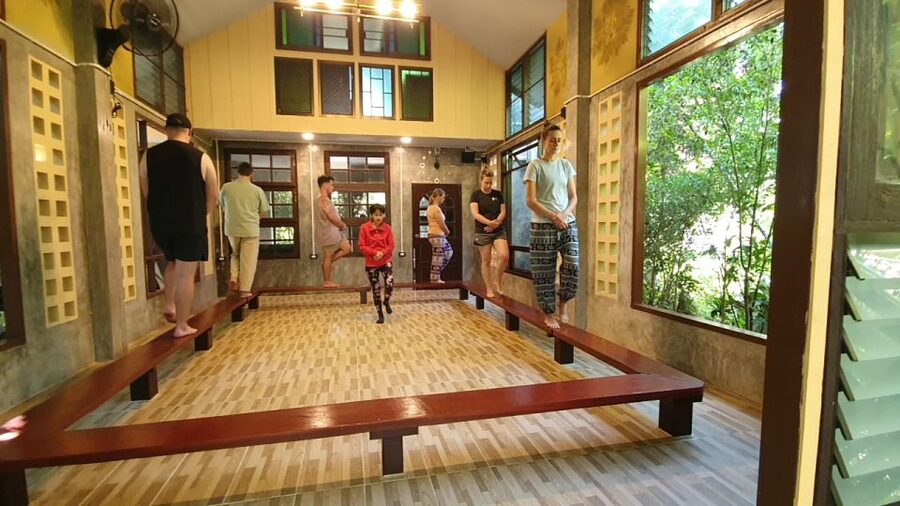
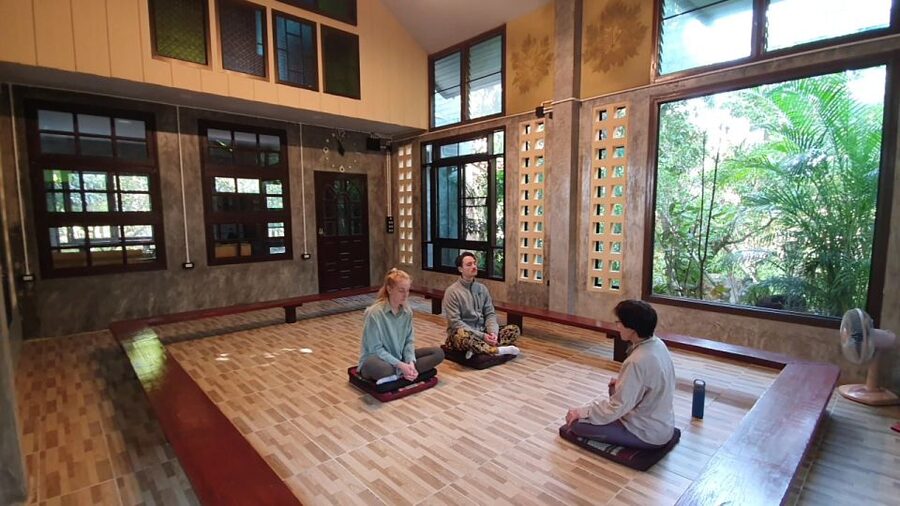
After walking, the retreat moves into guided sitting meditation. This is where the teaching receives its strongest praise. Amori explains the steps carefully and asks about your past experience before adapting the session.
That matters for beginners. Meditation can sound simple until you sit down and discover that your mind has its own travel itinerary. Clear guidance helps you understand that distraction is part of the practice, not proof that you are failing.
The session also reaches beyond basic breathing exercises. Participants have explored mindfulness, intention, and ways to let go of difficult memories. One first-time participant described the meditation as a chance to reflect on the self, while another left with a new approach to daily meditation.
Amori also shares ideas connected with Buddhist philosophy. The amount of discussion can vary with the group, especially when there is time for personal questions. If you want a short introduction rather than a lecture, this balance should suit you.
I especially like the fact that the meditation is explained rather than presented as a mysterious ritual. You learn what you are doing and why. That makes it easier to continue at home, which is the real test of a short retreat.
A completely different kind of day out:
- Chiang Mai: Elephant Sanctuary & Waterfall Group Tour
★ 4.9 · 5,780 reviews - Chiang Mai: Chiang Rai Temples, Karen Tribe and Hot Springs
★ 4.7 · 5,401 reviews - Chiang Mai: Cooking Class, Market & Thai Herbs Garden Tour
★ 4.9 · 4,824 reviews - Chiang Mai: Authentic Cooking Class with Market & Farm Visit
★ 4.9 · 4,546 reviews
Yoga and gentle stretches for mixed abilities
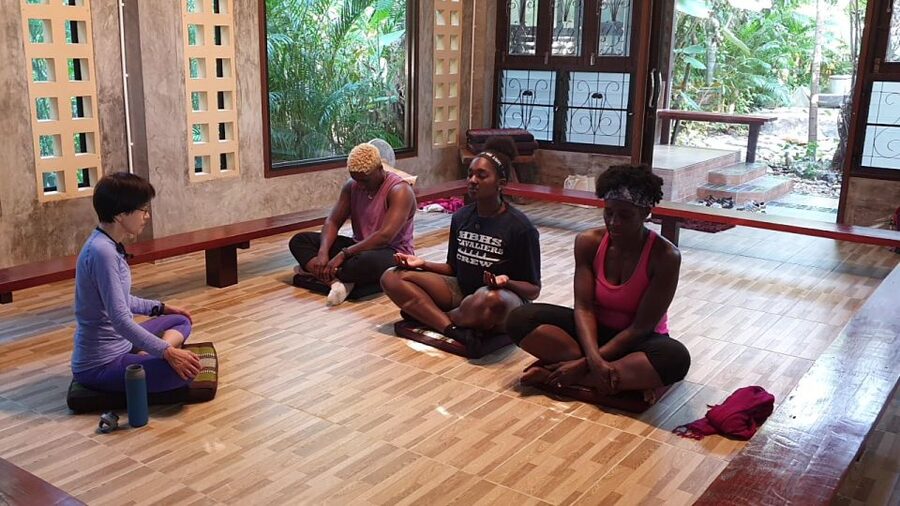
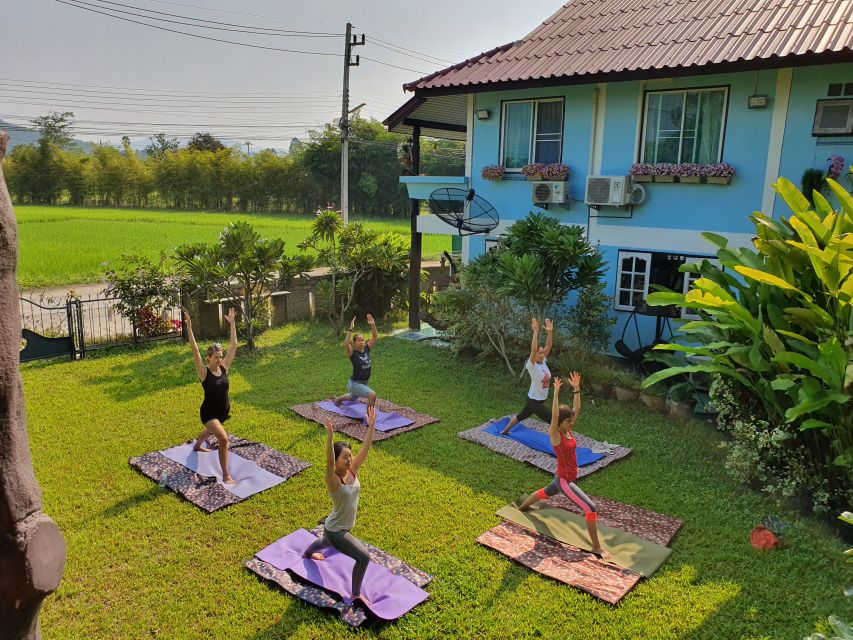
The yoga portion follows meditation. The practice may include yoga or gentler stretches, and Amori adjusts it to the people in the room. That flexibility has helped both complete beginners and people who already practice yoga.
For a first-timer, the class can be a challenge. One participant found the movements too advanced in places, while another beginner described the class as demanding but worthwhile. A long-term yoga student, by contrast, appreciated having a more challenging routine.
You should treat this as a guided practice, not as a guaranteed restorative stretch session. Tell Amori about your experience and physical limits at the start. The supplied information specifically says the practice is adapted to participants, and several people received adjustments for personal needs.
Older participants should take particular care. One person said age made some positions difficult. That does not mean you should avoid the class, but it does mean you should work within your limits and speak up if a pose does not feel right.
The yoga is valuable because it follows meditation rather than replacing it. You first learn to settle your attention, then you ask the body to move with care. For some people, that combination will feel more useful than either a standard yoga class or a seated meditation session alone.
Tea, coffee, fruit, and Thai snacks
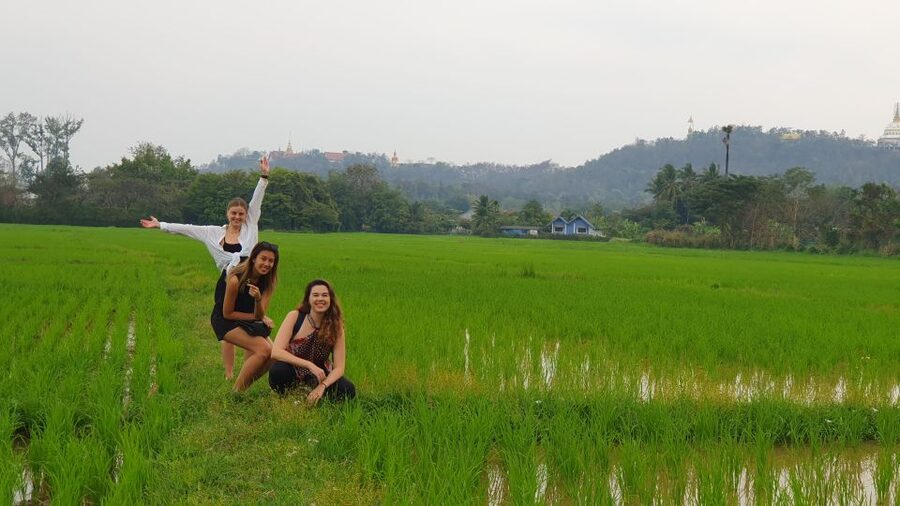
The retreat ends with tea or coffee in a beautiful garden. This simple pause gives you time to come back to ordinary conversation without rushing straight into a taxi or the next attraction.
Food is not listed as a formal meal, but Amori has offered fresh fruit, Thai snacks, and sticky rice treats at the end of some sessions. These details add a personal Thai touch to the experience. You are not just attending an imported wellness class that could take place anywhere.
Do not book this expecting a full lunch or a fixed tasting menu. The food and drink are best understood as a kind closing gesture. If you have dietary concerns, ask ahead, since the supplied details do not specify the snacks or ingredients.
The garden setting also extends the retreat’s quiet mood. You can talk about the practice, ask questions, or simply sit with a cup of tea. That final pause may be especially welcome after an intense meditation or a yoga class that tested your flexibility.
What the three hours feel like
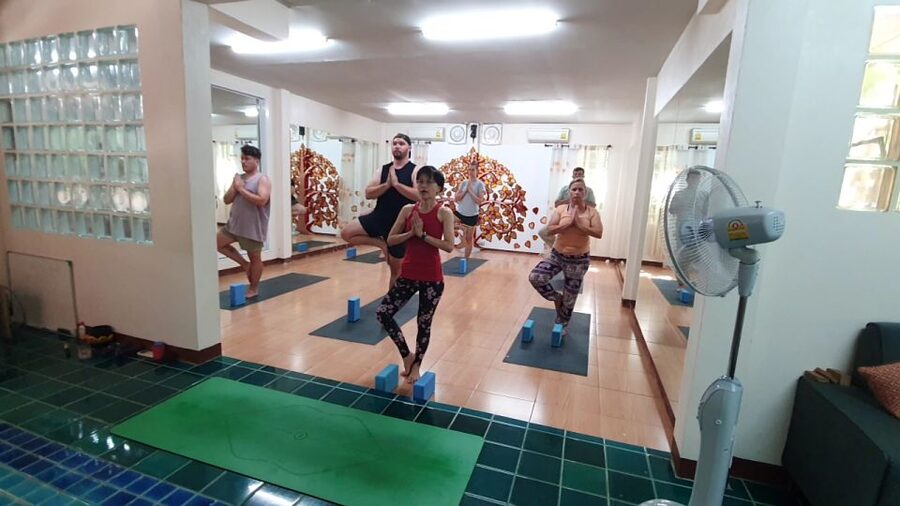
The timing is long enough to feel substantial but short enough to fit into most Chiang Mai itineraries. You receive instruction, walking meditation, seated meditation, movement, and a drink, rather than a rushed sample of each activity.
The precise order is clear: mindful walking and guided sitting meditation come first, followed by yoga or gentle stretching, then tea or coffee in the garden. The meditation may take a large share of the session. One participant described about two hours of guided meditation followed by relaxing yoga when attending alone.
That kind of length can be a strength or a weakness. If you are curious about meditation but have never tried it, the extra time lets you settle in. If you find sitting still difficult, the session may feel intense. Amori’s guidance helps, but this is not a quick photo stop with a few minutes of breathing.
The experience is offered in English. Most of the feedback praises the explanations and personal guidance, though one participant found the language barrier made it harder to relax fully. If your English is limited, confirm that you will be comfortable following spoken instruction for meditation and yoga.
The strongest part: patient, personal teaching
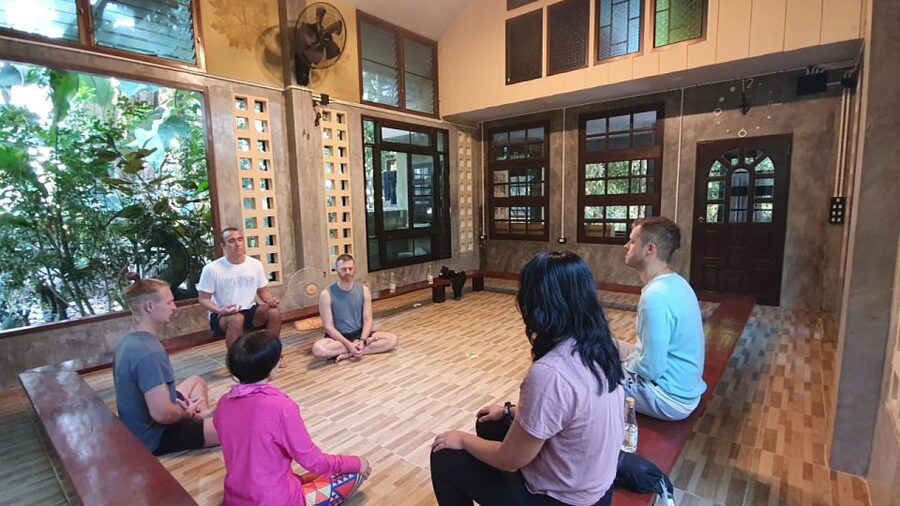
Amori is the heart of this experience. Again and again, the teaching is described as calm, kind, patient, and clear. She takes time to understand a participant’s meditation background, answers questions, and adjusts the physical practice.
That personal approach is important because meditation is not a one-size-fits-all activity. You may need help with a wandering mind, a difficult memory, or the basic mechanics of sitting and breathing. A good guide makes those problems normal and manageable.
The same is true in yoga. A beginner may need a simpler option, while an experienced student may want more work. The small group format gives Amori room to make those changes.
One participant who struggled to meditate alone left with practical tools for daily mindfulness. Another said the session inspired continued yoga practice at home. Those are meaningful results for a three-hour class, though you should not expect one afternoon to solve every source of stress in your life.
The experience is presented as potentially life changing. I would keep that claim in proportion. It may be deeply meaningful, especially if you arrive ready to reflect, but the lasting benefit will depend on how you use the practices afterward.
Who should book this experience?
I would recommend it to you if you:
- Want a quiet break from Chiang Mai’s busy center
- Have never tried meditation and want patient instruction
- Already meditate but want new methods and guided practice
- Are curious about yoga but prefer a small class
- Like cultural experiences with a personal, local element
- Have three free hours and want to slow down instead of sightsee
- Value conversation and reflection as much as physical activity
It can also suit couples or friends with different levels of experience because the yoga can be adjusted. Solo visitors may benefit from the small group, and if attendance is light, you could receive very direct attention.
I would think twice if you want a formal Buddhist retreat, a silent retreat, a full-day spa, or a purely gentle yoga class. This is an introduction and practice session. It includes discussion, physical movement, and personal guidance. It is not a multi-day program, though one participant hoped to return for a three-day retreat.
Price, transport, and practical value
The $48 cost includes the three-hour mindfulness and self-care session, instruction in English, nature-based practice, yoga or stretching, and tea or coffee in the garden. Hotel transfers are not included, so add your transport cost when comparing it with hotel-based wellness activities.
The price makes the most sense when you value small-group teaching. A large class might be cheaper, but you would likely receive less individual attention. Here, the maximum of six people gives Amori a reasonable chance to adapt the meditation discussion and physical practice.
You can cancel up to 24 hours before the experience for a full refund, and you can reserve now and pay later. Those terms are useful if your Chiang Mai schedule is still shifting. Starting times vary, so check availability before planning the rest of your day.
The best practical tip is simple: wear clothes you can sit and stretch in, and plan your ride to Flow Yoga Chiang Mai in advance. Comfortable athletic clothing is the safest choice.
Should you book it?
Book this retreat if you want a calm, personal introduction to meditation and yoga, with Thai hospitality woven into the afternoon. The strongest reasons are Amori’s patient teaching, the peaceful setting, the small group limit, and the chance to leave with techniques you can repeat at home.
Skip it if you want a major sightseeing experience or a completely effortless stretch class. The meditation can be intense, some yoga positions may challenge beginners, and transport is your responsibility.
For $48, I see good value here, especially for first-time meditators, solo visitors, and anyone who feels their Chiang Mai schedule has become too crowded. Give yourself three quiet hours, arrive in comfortable clothes, and let the afternoon be less about achieving something than paying attention.
FAQ
How long does the meditation retreat last?
The experience lasts three hours.
Where does the experience meet?
You meet at Flow Yoga Chiang Mai in Chiang Mai Province, Thailand.
What activities are included?
The session includes mindful walking, guided sitting meditation, yoga or gentle stretches, and tea or coffee in a garden.
Is the yoga suitable for beginners?
Yes. No previous yoga experience is required, and the practice is adapted to the participants. Some beginners may still find certain positions challenging.
Is meditation experience required?
No. The experience is suitable for people who are new to meditation as well as those with previous experience.
What language is the session taught in?
The instructor teaches in English.
How many people can join the group?
The group is limited to six participants.
Is hotel pickup and drop-off included?
No. Hotel pickup and drop-off are not included.
What should I wear?
Wear comfortable clothing suitable for meditation, yoga, and gentle stretching.
Can I cancel for a full refund?
Yes. You can cancel up to 24 hours in advance for a full refund.
Just added in Chiang Mai
- Full Day Doi Saket Hiking Tour★ 5.0 · 14 reviews
- Pha Dok Siew Nature Trail & Doi Inthanon National Park From Chiang Mai★ 4.0 · 23 reviews
- One day Elephants in Nature Experience & Grand Canyon Jumping★ 5.0 · 31 reviews
- Chiang Mai to White & Blue Temple, Black Museum & Golden Triangle★ 4.0 · 52 reviews
- One day Doi Inthanon National Park & Trekking on Kew Mae Pan★ 5.0 · 12 reviews
- Private Tour 2 Difference Trails Trekking at Doi Inthanon National Park★ 5.0 · 19 reviews
- Half day Long Neck hill tribe and Hmong hill tribe village★ 5.0 · 21 reviews
- One Day Tour Chiang Rai(White Temple , Blue Temple, Black House) Private Tour★ 5.0 · 63 reviews
Chiang Mai Tours, compared.
Half-Day Thai Cooking Class at Organic Farm in Chiang Mai
Read our review →
Elephant Sanctuary, Waterfall & Bamboo Rafting
Read our review →

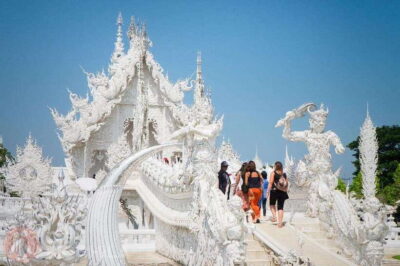
Chiang Rai Temples, Karen Tribe and Hot Springs
Read our review →
Cooking Class, Market & Thai Herbs Garden Tour
Read our review →Authentic Cooking Class with Market & Farm Visit
Read our review →