
Reviewed · TEMPLE TOURS
DON’T miss It ! Doi suthep temple+ Hmong village
Mountain views, temple bells, and a hill village. This half-day Chiang Mai outing pairs Wat Phra That Doi Suthep with Doi Pui Hmong Hill Tribe Village, making it a useful way to see two very different sides of the mountain without arranging transport yourself. I like the included cable car and the friendly English-speaking guides, especially guides such as New and Yoyo, who have been praised for clear explanations and helpful timing. The main drawback is the Hmong village stop, which can feel more like a market visit than a close look at daily life.
I also like the hotel pickup and air-conditioned van, a real comfort on Chiang Mai’s winding mountain roads. At $22.75 per person, the price is fair for transport, admission, a guide, the cable car, and insurance. Just keep your expectations measured: the tour lasts about four hours, the group may be large, and you may have limited time to browse the village stalls.
In This Review
- Key points to know before booking
- Why this short tour works in Chiang Mai
- The morning pickup and mountain road
- Wat Phra That Doi Suthep and the 306 Naga steps
- Doi Pui Hmong Hill Tribe Village: culture and shopping
- What the guides add to the experience
- Price, group size, and what you receive
- Rain, clothing, and timing tips
- Who should book this Doi Suthep tour?
- Final verdict: book it for the temple, judge the village fairly
- FAQ
- How long does the Doi Suthep and Hmong village tour last?
- What time does pickup begin?
- Is hotel pickup included?
- Is the cable car to Doi Suthep included?
- Do I need to cover my shoulders and knees?
- Is the Hmong village museum included?
- Can I bring luggage in the van?
- Does the tour operate during the rainy season?
- How large can the group be?
Key points to know before booking
- The cable car is included: You can ride up to Doi Suthep or take the famous 306-step Naga staircase.
- The temple is the strongest part: Expect golden Lanna-style architecture, Buddhist detail, and broad views over Chiang Mai.
- The Hmong stop is partly commercial: You will see handicrafts, textiles, ornaments, and coffee, but the cultural explanation may be brief.
- Pickup is convenient but not exact: Wait in your hotel lobby from 8:00 a.m. because the shared van may arrive any time between 8:00 and 8:30, or later if earlier pickups run behind.
- Dress matters: Shoulders and knees must be covered inside the temple. Sandals and flip-flops are allowed.
- Pack light: Large luggage and carry-ons cannot go in the van. Only items that fit on your lap are accepted.
Why this short tour works in Chiang Mai
Doi Suthep is one of Chiang Mai’s essential sights, but getting there requires a climb up a winding mountain road. You can arrange a private car or local transport, yet this tour removes the usual bargaining and navigation. Your driver handles the road, your guide explains the temple, and hotel transfer is included if you stay in the downtown area.
The schedule is built for people who want a clear half-day plan. Pickup begins around 8:00 a.m., with some locations scheduled closer to 8:30. The temple visit takes about an hour, followed by roughly 50 minutes at the Hmong village. The rest of the four-hour outing covers driving, pickup stops, and the return journey.
That short format is useful if you have only a few days in Chiang Mai. You can visit Doi Suthep in the morning and still have much of the afternoon free. It is less suitable if you want a slow, quiet temple visit or a long conversation in the village.
The tour is a join-in outing, and the vehicle can carry as many as 70 people. That maximum does not mean every departure will be full, and one booking even resulted in a very small group. Still, you should plan for shared transport and several hotel pickups rather than a private excursion.
More Temple Tours in Chiang Mai
- Chiang Mai: Chiang Rai Temples, Karen Tribe and Hot Springs
★ 4.7 · 5,401 reviews - Chiang Rai White Temple and Blue Temple Day Tour
★ 4.6 · 3,366 reviews - Chiang Mai: White, Red/Black & Blue Temples Tour with Lunch
★ 4.2 · 2,017 reviews
The morning pickup and mountain road
The first practical challenge is the pickup window. You are asked to wait in your accommodation lobby from 8:00 a.m. The van may arrive at any point between 8:00 and 8:30, and it may run later if another pickup is delayed. Do not step away for breakfast or assume the driver will wait for a full half hour.
The exact timing also depends on your location. Some hotels are given an 8:30 to 9:00 window, so check the information sent with your booking. Since this is shared transport, patience helps. The benefit is simple: you do not need to find the meeting point or arrange a taxi up the mountain.
The vehicle is air-conditioned, which matters on the steep, winding road toward Doi Suthep. You will pass through changing scenery as the road climbs, though the drive is primarily a transfer rather than a dedicated sightseeing ride. If you are prone to motion sickness, sitting near the front may be worth requesting, although a specific seat cannot be guaranteed.
The vehicle is not designed for luggage. Large bags cannot be stored, and only belongings small enough to rest on your lap are allowed. This tour works best between hotel stays, not on the day you are moving with suitcases.
Wat Phra That Doi Suthep and the 306 Naga steps
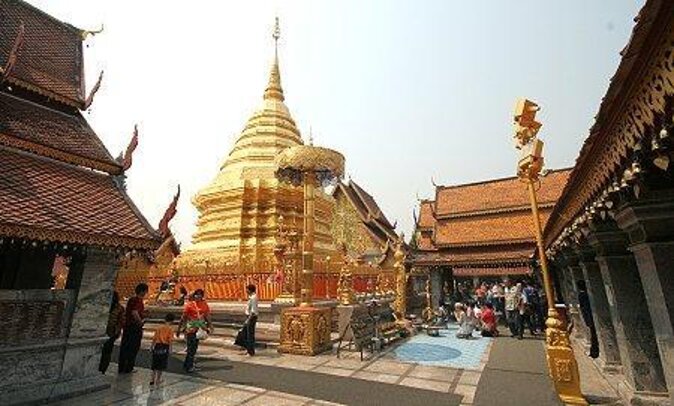
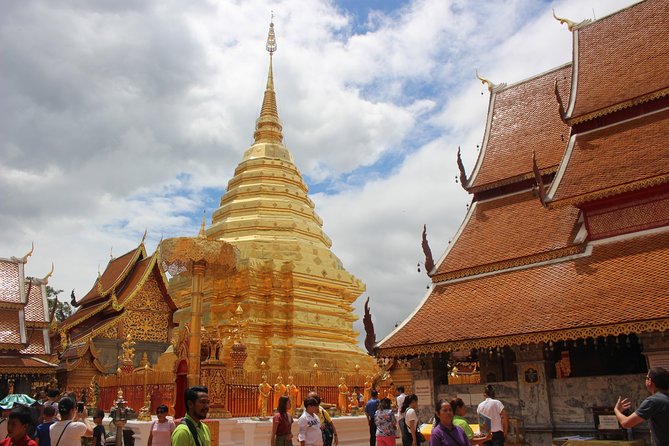
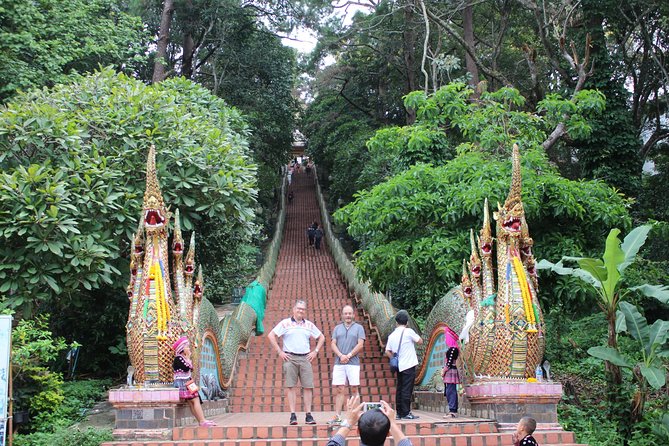
Wat Phra That Doi Suthep is the centerpiece of the outing. The temple sits high above Chiang Mai and is one of Thailand’s most important Buddhist sites. The approach itself is memorable: a long staircase lined by a mythical Naga, the dragon-headed serpent that curls along the steps.
There are 306 steps in total. You can climb them if you want the traditional approach and have no trouble with stairs. The climb gives the visit a stronger sense of arrival, but it can be tiring, particularly in humid weather. You do not have to climb, because the included cable car takes you to the top.
That included ride is a practical feature, not a minor extra. It makes the temple possible for people who would rather avoid the staircase, and it gives the group a better chance of keeping to the half-day schedule. The tour description says you can choose the cable car or the stairs, with the cable-car ticket covered in the price.
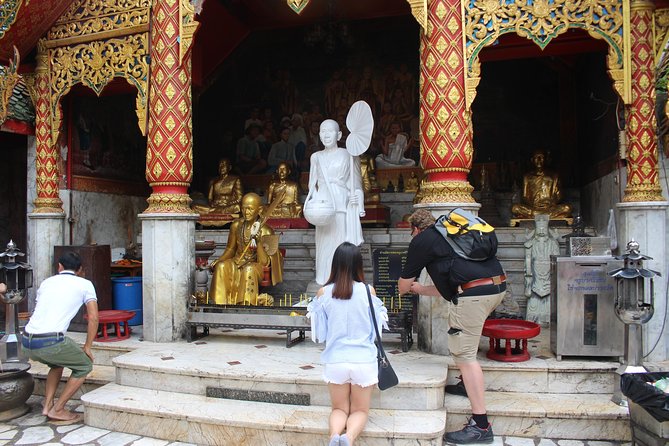
At the top, look for the golden pagoda covered with engraved gold plates. The temple’s Lanna architecture gives the site a distinct northern Thai character, and your guide should explain the Buddhist features and customs you are seeing. Guide Yoyo was specifically praised for clear explanations, while New was noted for giving useful information and allowing a sensible amount of time at each site.
You should dress respectfully before arriving. Shoulders and knees must be covered inside the temple, but sandals and flip-flops are permitted. A light scarf or shirt can solve the problem if you are wearing clothes that leave your shoulders bare. This is not the place to rely on finding suitable clothing at the last minute.
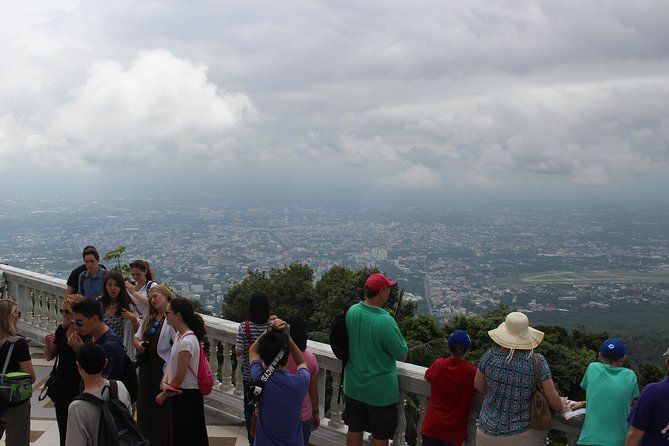
The views are another strong reason to come. From the mountain, you can look out toward Chiang Mai and the surrounding area. Weather affects visibility, so do not count on a perfect city panorama every morning. In the rainy season, clouds and wet conditions may soften the view, but the temple remains worthwhile.
The temple portion can feel brisk. One hour is enough for an introduction, photos, and a look around, but it is not enough for a slow architectural study or extended quiet time. If you want to sit, pray, examine every detail, and climb the stairs at an unhurried pace, an independent visit may suit you better.
Doi Pui Hmong Hill Tribe Village: culture and shopping
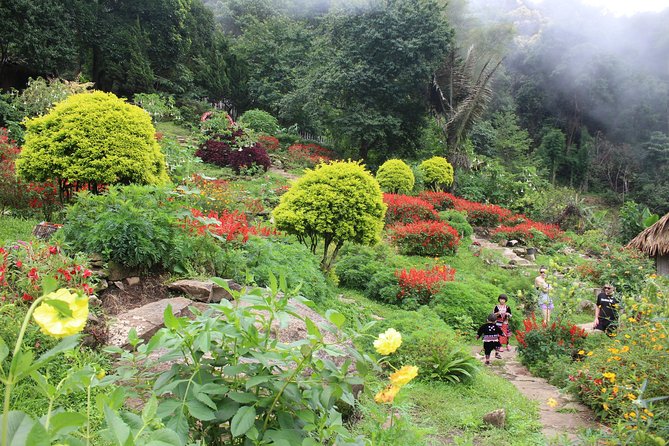
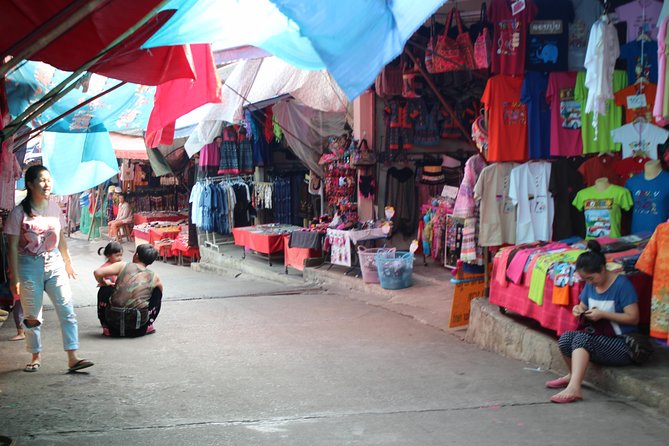
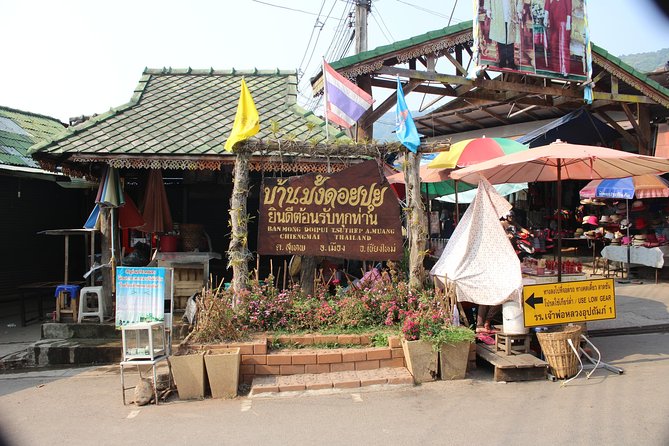
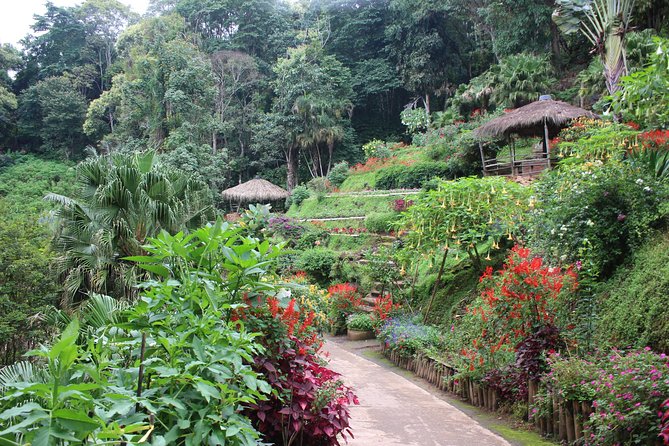
After Doi Suthep, the van continues to Doi Pui Hmong Hill Tribe Village. The purpose is to see a traditional Hmong community and learn about local ways of life. You may see colorful clothing and browse textiles, ornaments, and handicrafts.
This stop is where the tour needs the most careful explanation. The village can offer a pleasant mountain setting and distinctive goods, but the experience may feel commercial. Some visitors found the market atmosphere disappointing because they expected more cultural interpretation. Others enjoyed the handmade items, coffee, and the chance to see the area.
The optional Hmong village museum costs extra. Since it is not included, ask your guide what is available before deciding how to spend your time. The museum may provide more context than simply walking among stalls, but the supplied tour details do not specify its admission price or exact contents.
You should also expect only about 50 minutes here. That is enough for a short look, a drink, and some shopping. It may not be enough to browse carefully, visit the museum, talk at length with residents, and take photographs without feeling rushed.
Bargaining is mentioned as an option for textiles, ornaments, and handicrafts. Keep it polite and realistic. A purchase can be a nice reminder of the visit, but you should not feel pressured to buy. If your priority is authentic cultural contact rather than shopping, tell the guide early and ask for context about the village, its clothing, and the objects being sold.
One useful point comes from the mixed feedback about this stop: the experience depends heavily on how the guide handles it. A guide who explains the village and gives you a little background can make the visit feel meaningful. If you are simply dropped at a market with free time, the stop may seem thin.
A completely different kind of day out:
- Half-Day Thai Cooking Class at Organic Farm in Chiang Mai
★ 5.0 · 19,087 reviews - Chiang Mai: Elephant Sanctuary, Waterfall & Bamboo Rafting
★ 4.9 · 9,160 reviews - Chiang Mai: Doi Inthanon National Park Eco-Friendly Tour
★ 4.6 · 6,667 reviews - Chiang Mai: Elephant Sanctuary & Waterfall Group Tour
★ 4.9 · 5,780 reviews
What the guides add to the experience
The guide is central to the value of this tour. The included English-speaking guide is not just there to point out the temple entrance. A good guide explains Buddhist features, helps you follow temple etiquette, and gives the village stop some context.
New received praise for knowing how long to spend at each place and making the sights easier to understand. Yoyo was also praised for a friendly manner and useful information. Another guide, Yoyo, was specifically credited with a positive attitude during a Chiang Mai visit. Names can change from one departure to another, so you should not book solely for a particular guide, but these comments show what the better version of the tour can offer.
The driver also matters on this route. A driver identified as Mr Hoi was praised for professional, careful service. The road to the mountain temple has bends and steep sections, so competent driving is part of a comfortable morning.
The guide quality may vary. Some feedback describes explanations as excellent, while other comments describe the information as basic. That is normal on a shared tour, but it means you should think of the experience as a convenient introduction, not a specialist temple study.
Price, group size, and what you receive
At $22.75 per person, this is an inexpensive way to combine two mountain stops. The price includes an air-conditioned vehicle, round-trip downtown hotel transfer, admission fees, the cable car, an English-speaking licensed guide, and travel accident insurance.
The value is strongest if you are staying in central Chiang Mai and do not already have a car or driver. A private vehicle would give you more control over timing, while local transport might cost less but require more effort. This tour sits in the middle: affordable and simple, with less flexibility.
The group can reach 70 people, which is a significant point. A large group may mean slower pickups and a less personal explanation. On the other hand, small departures are possible, and a small group can make the same itinerary feel much better. You should book this as a shared experience unless the operator confirms a smaller departure.
The price does not include the Hmong village museum. It also does not promise a visit to Bhubing Palace. One piece of feedback expressed disappointment when the palace was unavailable, but it is not part of the stated route here. Do not book this tour expecting a palace stop.
Rain, clothing, and timing tips
The tour operates from May through October, Chiang Mai’s rainy season. Bring an umbrella or raincoat. Weather can affect the road, the temple views, and the timing, and the schedule may change without notice because of rain or other interruptions.
Wear clothing that covers your shoulders and knees from the start. This avoids wasting time changing before entering the temple. Comfortable shoes help if you choose the staircase, though sandals are allowed at the temple.
Keep your phone, wallet, and camera easy to reach, but avoid bringing large bags. Since the van allows only lap-sized belongings, a small day bag is the sensible choice. Bring water, though the supplied information does not state that refreshments are included.
Pickup times are approximate. The tour begins around 8:00 a.m., but shared pickups can run late. Build some flexibility into the rest of your day rather than scheduling a tight appointment immediately after the stated four-hour finish.
Who should book this Doi Suthep tour?
I would recommend it to first-time visitors who want to see Doi Suthep without arranging a car, couples or small groups watching their budget, and anyone with a free morning in Chiang Mai. It also suits people who appreciate a guide’s help with temple etiquette and local background.
It is a good fit if you want a practical introduction to both the famous temple and the Hmong village. The cable car makes the temple easier, and hotel pickup saves time.
I would hesitate if you want a private, slow-paced visit. The one-hour temple stop and 50-minute village stop leave little room for lingering. You may also be disappointed if you expect the Hmong village to function as a fully guided cultural visit rather than a mixture of local life and souvenir stalls.
At $22.75, the risk is fairly low, especially with free cancellation up to 24 hours before the start time. If you cancel less than 24 hours ahead, the payment is not refunded, and changes are not accepted inside that window.
Final verdict: book it for the temple, judge the village fairly
Book this tour if Doi Suthep is your main goal and you would like a convenient second stop. The temple, mountain setting, city views, cable-car access, and capable guides can make this a very worthwhile morning.
Book with a different expectation for Doi Pui Hmong Village. Treat it as a short visit with shopping and a chance to see local clothing and crafts, not as a guaranteed in-depth cultural exchange. Ask questions, consider the optional museum, and do not rush into buying anything.
For a low-cost, four-hour introduction to Chiang Mai’s mountain sights, this tour earns its place. Its strongest advantages are transport, price, temple access, and guide support. Its limits are the shared van, uncertain group size, short stops, and uneven village experience.
FAQ
How long does the Doi Suthep and Hmong village tour last?
The experience lasts approximately four hours, including transport, the temple visit, and the Hmong village stop.
What time does pickup begin?
Pickup begins around 8:00 a.m. Depending on your location, the van may arrive between 8:00 and 8:30, or between 8:30 and 9:00. You should wait in your hotel lobby from the beginning of your assigned window.
Is hotel pickup included?
Yes. Round-trip hotel transfer is included for accommodations within the downtown area.
Is the cable car to Doi Suthep included?
Yes. The cable-car ticket is included. You may also choose to climb the 306-step staircase to the temple.
Do I need to cover my shoulders and knees?
Yes. Shoulders and knees must be covered when entering the temple. Sandals and flip-flops are allowed.
Is the Hmong village museum included?
No. The Hmong village museum is optional and is not included in the tour price.
Can I bring luggage in the van?
No large luggage or carry-ons can be accommodated. Only items small enough to fit on your lap are allowed.
Does the tour operate during the rainy season?
Yes. The tour runs from May to October even on rainy days. You should bring an umbrella or raincoat.
How large can the group be?
The tour can have a maximum of 70 participants. It is a shared group experience, although the actual group size may be smaller.
Just added in Chiang Mai
- Full Day Doi Saket Hiking Tour★ 5.0 · 14 reviews
- Pha Dok Siew Nature Trail & Doi Inthanon National Park From Chiang Mai★ 4.0 · 23 reviews
- One day Elephants in Nature Experience & Grand Canyon Jumping★ 5.0 · 31 reviews
- Chiang Mai to White & Blue Temple, Black Museum & Golden Triangle★ 4.0 · 52 reviews
- One day Doi Inthanon National Park & Trekking on Kew Mae Pan★ 5.0 · 12 reviews
- Private Tour 2 Difference Trails Trekking at Doi Inthanon National Park★ 5.0 · 19 reviews
- Half day Long Neck hill tribe and Hmong hill tribe village★ 5.0 · 21 reviews
- One Day Tour Chiang Rai(White Temple , Blue Temple, Black House) Private Tour★ 5.0 · 63 reviews
Temple Tours, compared.
Chiang Rai Temples, Karen Tribe and Hot Springs
Read our review →
City Highlights Temple and Market Walking Tour
Read our review →
Bangkok by Night: Temples, Markets and Food Tuk-Tuk Tour
Read our review →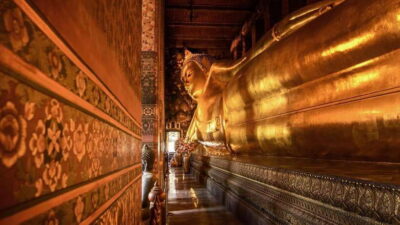
Grand Palace, Wat Pho, and Wat Arun Guided Tour
Read our review →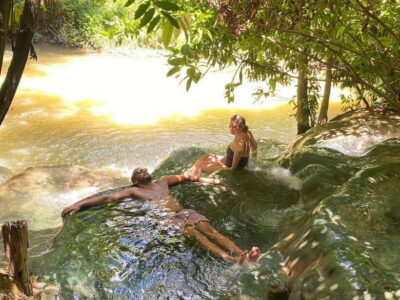
Tiger Cave Temple, Emerald Pool and Hot Springs Tour
Read our review →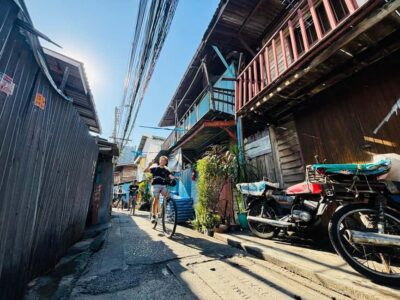
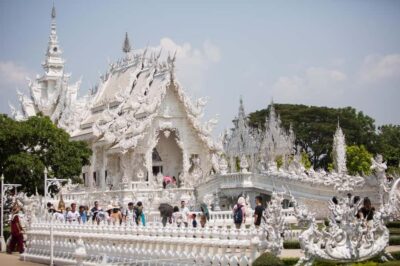
Chiang Rai White Temple and Blue Temple Day Tour
Read our review →Browse the lists this tour appears in