
Reviewed · ELEPHANT SANCTUARY TOURS
Chiang Mai Untouched Elephant: Nature Walk & Waterfall Trek
Elephants set the day’s schedule here. This Chiang Mai outing appeals to me for two clear reasons: you help prepare and feed rescued elephants, and you share a home-cooked meal with a local family rather than eating at a standard tourist restaurant. The main drawback is the transport. The mountain journey can take close to two hours, and the final ride may be in an open-air truck.
The elephant care feels natural and respectful, with no riding, chains, hooks, or forced performances. I also like the quiet village setting and the chance to walk with elephants through the forest before bathing them at the river. Still, you should allow more than the advertised five hours, since one past booking ran about seven hours from pickup to return.
In This Review
- Key points to know before booking
- Leaving Chiang Mai for the mahout village
- Meeting elephants that are treated as family
- Preparing food and feeding by hand
- Walking through the jungle without saddles
- Mud, river water, and elephant bathing
- A home-cooked lunch in the village
- Mae Wang Waterfall for the final hour
- What the $51 price really covers
- Who will enjoy this Chiang Mai experience?
- Should you book the elephant walk and waterfall trek?
- FAQ
- How long does the Chiang Mai elephant experience last?
- Is hotel pickup included?
- Can I ride the elephants?
- Will I be able to bathe the elephants?
- What should I bring?
- Is lunch included, and can dietary needs be accommodated?
Key points to know before booking
- Rescued elephants, no riding: Elephants are not chained, hooked, or made to perform. Activities depend on what they choose to do.
- A real mahout routine: You prepare elephant food, feed by hand, walk with the animals, and help with a mud bath and river washing.
- Rural village setting: The experience takes place in a secluded hill tribe community, not a polished city attraction.
- Transport takes time: Pickup is in Chiang Mai, followed by mountain roads and a switch to a roofed 4×4 truck or open-air pickup.
- Mae Wang Waterfall adds variety: After the elephant program, you get about an hour at the waterfall for walking and free time.
- Good value at $51: Hotel transport, an English-speaking guide, drinking water, lunch, and the elephant program are included.
Leaving Chiang Mai for the mahout village
Pickup is available from hotels in and around Chiang Mai Old Town, with free transfers within roughly five kilometers of the Old City. You should wait in the lobby from ten minutes before the scheduled time. If you stay farther away, expect a transport surcharge.
The journey is part of the day, not a quick transfer. Depending on the vehicle and route, you may begin in a 12-seat air-conditioned van or an open-air pickup truck, then change to a roofed 4×4 truck for the final road to the sanctuary. Mountain roads and rural tracks help explain the travel time, but they can be tiring.
One practical warning deserves more attention than it usually gets: the open-air truck is not ideal for everyone. A past booking described the ride as uncomfortable, and another noted that the trip took about two hours each way. If you are older, have back trouble, or simply dislike rough transport, ask about the vehicle before paying.
The upside is that the long ride carries you away from Chiang Mai’s urban center and into a quieter part of the province. This is not a quick elephant photo stop beside the city. You are heading to a place where elephant care is tied to family life and village work.
More Elephant Sanctuary Tours in Chiang Mai
- Chiang Mai: Elephant Sanctuary, Waterfall & Bamboo Rafting
★ 4.9 · 9,160 reviews - Chiang Mai: Elephant Sanctuary & Waterfall Group Tour
★ 4.9 · 5,780 reviews - Chiang Mai: Elephant Sanctuary Feeding Program Half-Day Tour
★ 4.8 · 4,527 reviews
Meeting elephants that are treated as family
At the local care park, you meet the mahouts and the elephants. The central idea is simple: you spend time around animals that have been rescued and now live under human care, without turning the visit into a performance show.
There are no chains or hooks at the park, and elephants are not forced to take part in the activities. That matters. The day may not unfold in a neat order, because the animals’ mood and behavior guide what happens next. If an elephant wants to eat, walk, rest, or remain near its caretakers, that choice takes priority.
This setup makes the experience less polished than a standard attraction. You may not receive a tightly timed sequence of elephant tricks or staged photo moments. Instead, you get a closer look at the ordinary tasks that keep the animals healthy and content.
The role of mahout is presented as a day of participation, not as a claim that you become a trained elephant keeper in five hours. You help with simple care under supervision. That distinction is useful because it keeps expectations realistic.
Preparing food and feeding by hand
Your first hands-on task is preparing food for the elephants using traditional methods. The supplied information does not specify every ingredient or tool, so you should expect a practical introduction rather than a formal cooking class.
Feeding comes next. Hand-feeding lets you notice the different temperaments of the elephants, and it turns the encounter into more than a quick photograph. You may find that the animals are calm, curious, hungry, or ready to move on. Their reactions help you understand why patience is part of elephant care.
This is one of the strongest parts of the outing for anyone who cares about animal welfare. You are not being invited to make an elephant dance or sit for a picture. You are helping with a basic daily need, while the caretakers remain responsible for the animals.
The activity still requires common sense. Listen closely to the guide and mahouts, keep your movements calm, and follow instructions around food and close contact. The experience is hands-on, but it is not a free-for-all.
Walking through the jungle without saddles
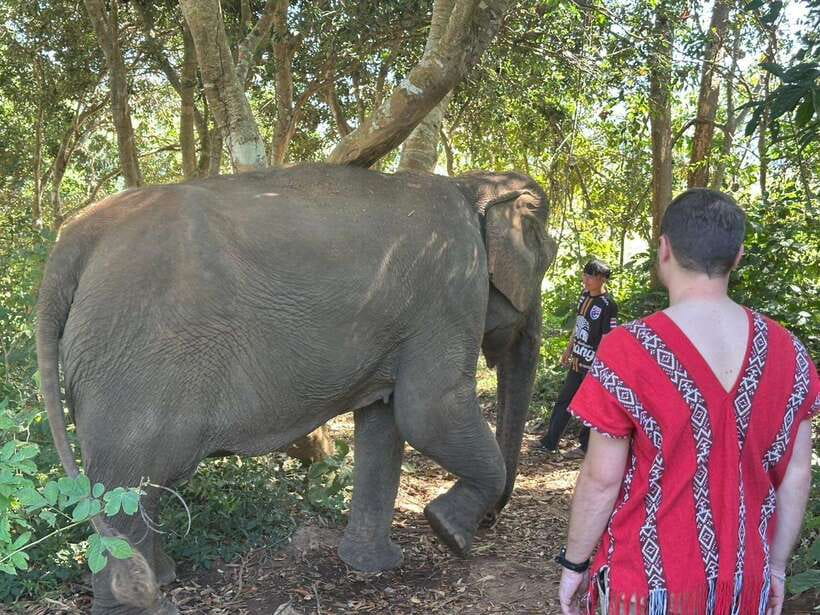
After feeding, you walk with the elephants through the surrounding forest. There are no saddles, and the animals are not led through a forced performance routine. The point is to observe them as they move and interact with their surroundings.
This walk may feel slower and less dramatic than you expect. That is part of its value. Instead of rushing from one photo opportunity to the next, you watch the elephants choose their pace and direction under the care of the mahouts.
You should bring comfortable shoes and be ready for outdoor conditions. The walk contributes to the moderate fitness requirement, along with the waterfall section and the route to the river. Mud, heat, insects, and uneven ground are all possible in a rural setting, even though the exact trail conditions are not specified.
The forest walk also helps explain the difference between this program and a riding camp. You are beside the elephants, not on them. The experience focuses on feeding, walking, and care rather than control.
More Hiking and Trekking in Chiang Mai
- 3-in-1: Doi Inthanon Tour, Elephant Sanctuary, and Trekking Trail
★ 5.0 · 1,087 reviews - Chiang Mai: Doi Inthanon Trip with Pha Dok Siew Guided Trek
★ 4.6 · 910 reviews - Chiang Mai: Doi Inthanon Park with Kew Mae Pan Hike Day Trip
★ 4.7 · 841 reviews - Chiang Mai: Doi Inthanon Park and Pha Dok Siew Trail Trek
★ 4.6 · 752 reviews
Mud, river water, and elephant bathing
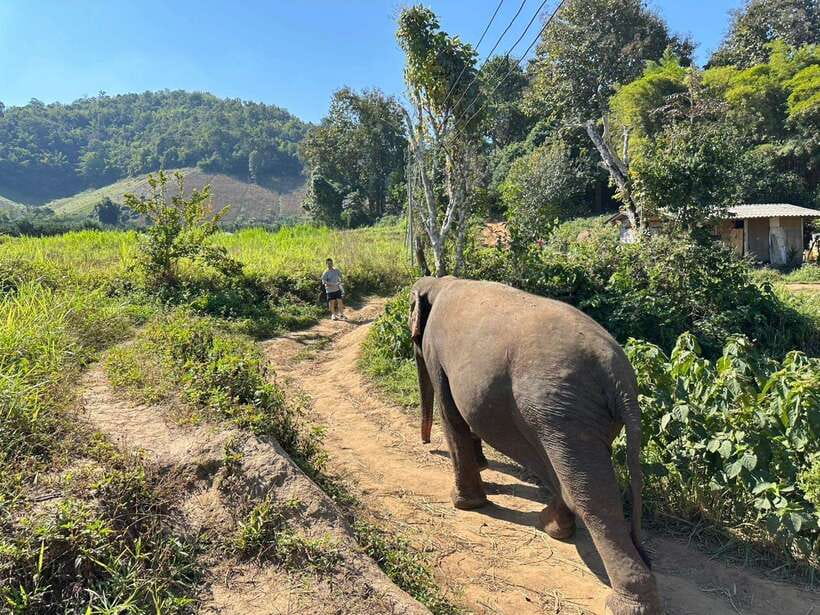
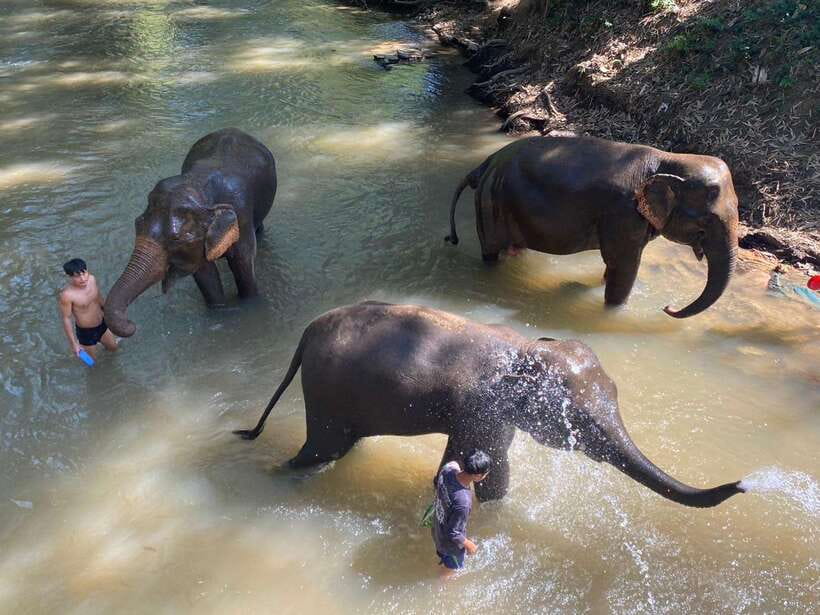
Later, the group follows the elephants to a river for a mud spa and bath. You can splash, scrub, and wash alongside them, creating the most playful part of the day.
This is also the point where preparation matters. The official packing advice lists sunglasses, a sun hat, sunscreen, and insect repellent, but past experience suggests bringing a swimsuit, towel, and a full change of clothes. Those items are especially important if you plan to get properly wet.
Do not expect a guaranteed bathing session at a precise time. The program has no rigid schedule, and the elephants are not forced to join in. If the animals prefer another activity that day, the caretakers follow their needs.
That flexibility is both the charm and the tradeoff. You get a more honest animal encounter, but you give up the certainty of a timed attraction. People who need every minute planned may find this frustrating. People who enjoy a slower day will likely appreciate it.
A home-cooked lunch in the village
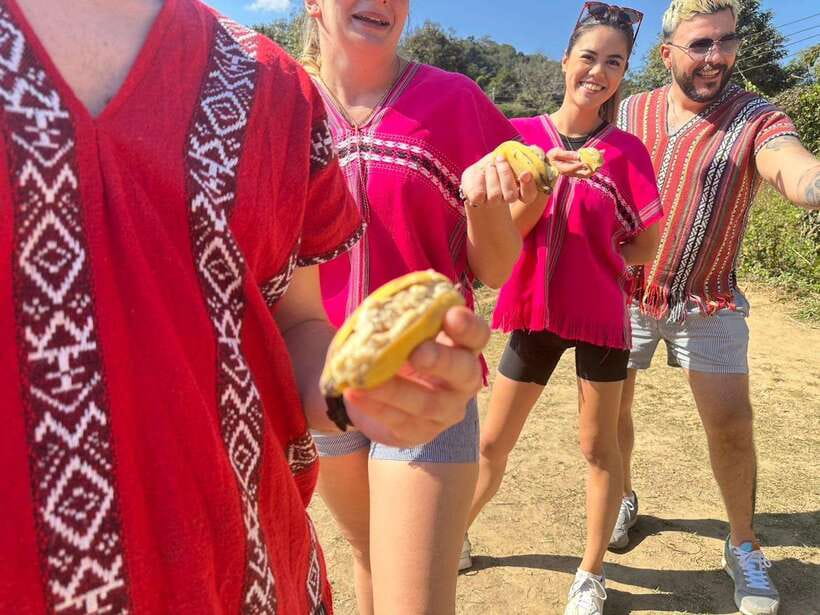
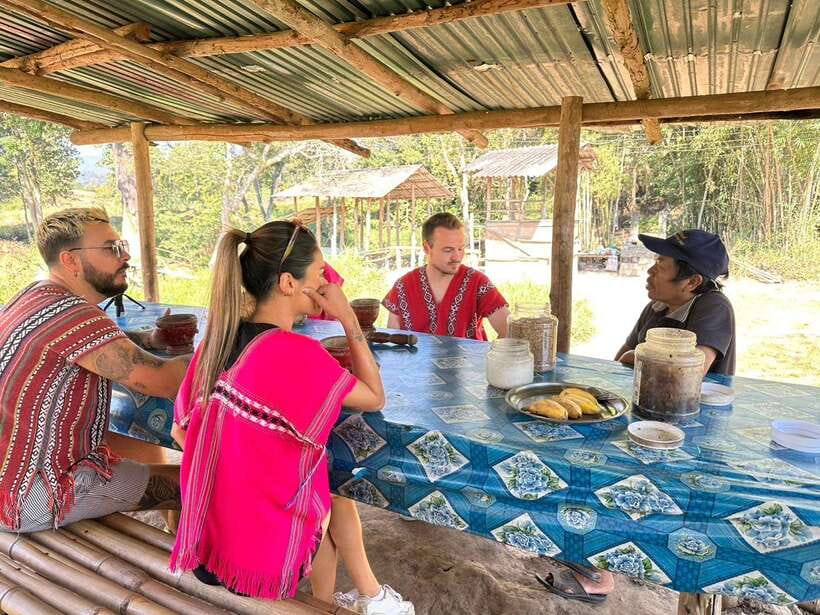
After the morning with the elephants, you return to the village for a local meal. Lunch is included, and the food is prepared by local families using fresh ingredients. Several past bookings praised the meal, with one calling it delicious and another specifically praising the food and the friendly staff.
A village lunch adds context that a packaged restaurant meal cannot. You are not only watching elephant care, you are seeing how the activity fits into the daily life of the community. The setting is likely simple rather than polished, which is exactly what many people want from this outing.
The food is not guaranteed to suit every diet, so tell the operator about dietary restrictions in advance. One past booking found the chips cold, a small reminder that a home-style rural meal will not have the consistency of a hotel buffet.
After lunch, the pace becomes less formal. You may relax, help with small daily tasks, or simply sit and enjoy the village routine. There is no promise of a long list of organized activities, and that is intentional.
Mae Wang Waterfall for the final hour
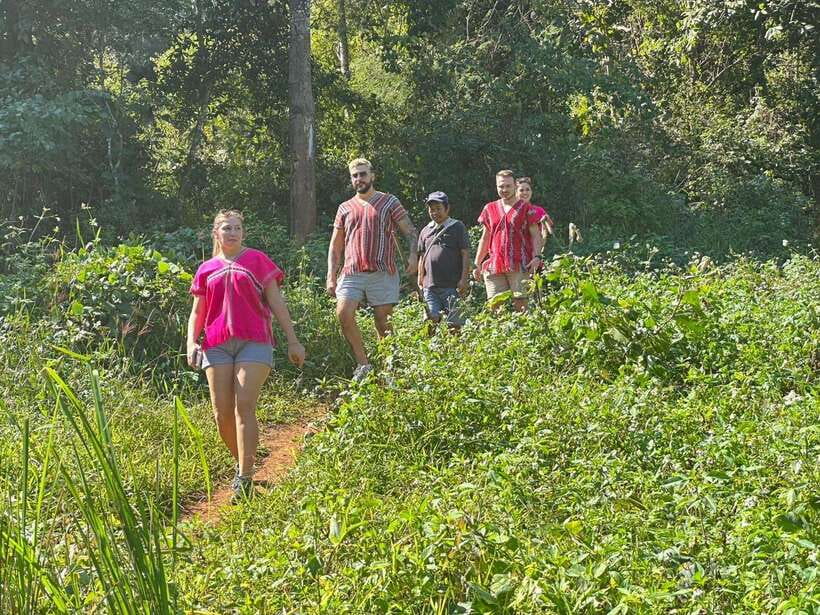
The last major stop is Mae Wang Waterfall, where you have about an hour to walk and enjoy free time. It gives the day a change of pace after the elephant care and village meal.
The waterfall may be crowded, especially at popular times. One past booking found both the waterfall and parts of the elephant visit busier than expected, so do not book this outing expecting complete solitude from start to finish.
Even so, the stop works well as a short outdoor break. You can stretch your legs, take in the water, and enjoy a different part of Chiang Mai Province before returning to the city. It is best viewed as an added nature stop, not the main reason to book the tour.
If your schedule is tight, keep the waterfall and return journey in mind. The stated duration is five hours, but one past booking lasted about seven hours and caused problems with another planned activity. Avoid scheduling an important evening commitment too soon after the expected return.
What the $51 price really covers
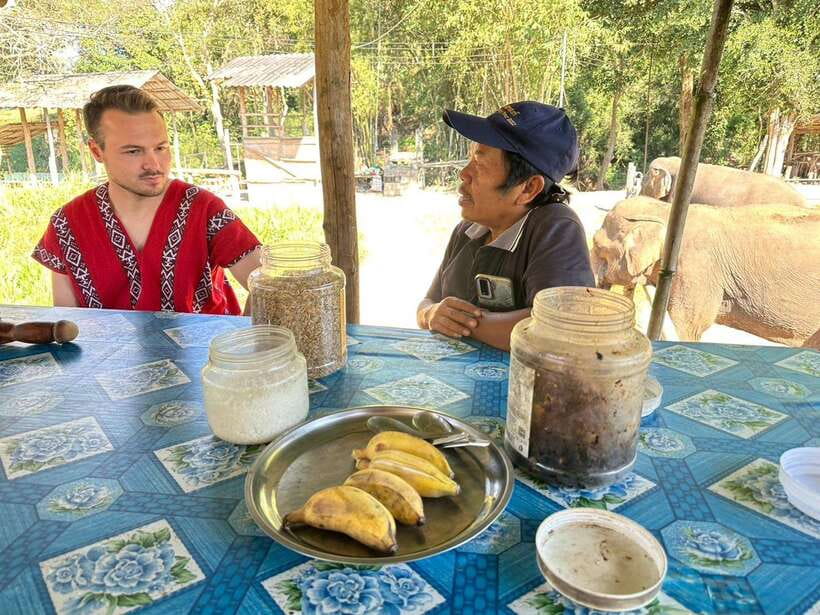
At $51 per person, the price is strong if you want several services in one day. Hotel pickup and return, an English-speaking guide, transport to a remote area, drinking water, lunch, elephant care, and the waterfall stop are included.
The value comes mainly from the animal program and the transport. Reaching a secluded village independently would require more planning, and you would still need to arrange local guidance and food. The included meal also keeps the day’s extra costs low.
The price does not buy a luxury outing. You should expect basic rural facilities, changing transport, a long road journey, and a schedule shaped by the elephants. The lower price makes sense alongside those limits.
The overall rating is 4.7 from 77 bookings, and the strongest praise centers on the elephants, kind staff, good food, and the feeling that the encounter is calm and sincere. One person singled out Jimmy as a brilliant guide. Another described the conservation team as genuinely caring for the animals.
There are also clear cautions. Transport comfort was the most repeated weak point, and the stated duration may not match the full door-to-door day. The word untouched should not make you expect a completely empty site. You may still encounter a group setting and other people at the waterfall.
Who will enjoy this Chiang Mai experience?
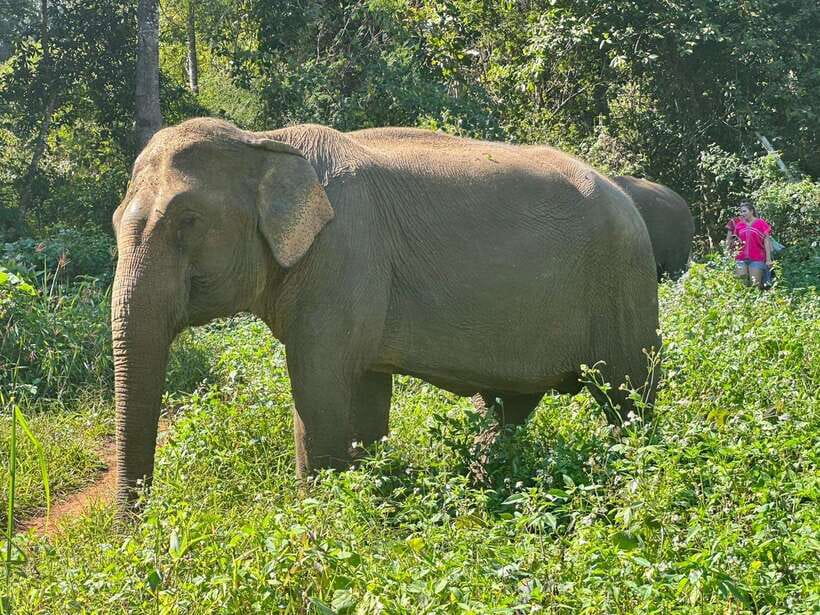
I would recommend this outing to you if animal welfare matters more than polished entertainment. It suits people who want to feed elephants, walk near them, and see how caretakers handle ordinary daily needs.
It is also a good fit if you like village meals, rural scenery, flexible plans, and outdoor activity. A moderate level of fitness is needed, and you should be comfortable walking, getting muddy, and managing heat and insects.
You may want another option if you need a short, exact five-hour program. The road time can be long, the vehicle may be uncomfortable, and the schedule can stretch. It may also disappoint you if you expect a fully private encounter or a carefully staged sequence of activities.
Families should consider the age and comfort of everyone in the group, especially for the open-air vehicle and river activities. The supplied information does not give a minimum age, so ask the operator directly if you are booking with young children.
Free cancellation up to 24 hours before the start and reserve-now, pay-later terms make the booking less risky for a changing Chiang Mai schedule. Those policies are useful, but they do not solve the main issue: you still need to protect enough time for the long transfer.
Should you book the elephant walk and waterfall trek?
Book it if you want a hands-on, non-commercial elephant day and can accept a basic, flexible setup. The feeding, forest walk, river bath, and village lunch create a meaningful sequence, and the lack of riding or forced performances is an important ethical strength.
Skip it if comfort, privacy, and strict timing matter most. My practical advice is to wear clothes that can get wet, pack a towel and spare outfit, bring sun and insect protection, and leave your evening open.
For the right person, $51 buys more than a photo with an elephant. It gives you a look at the work, patience, and routine behind elephant care, with a waterfall added at the end.
FAQ
How long does the Chiang Mai elephant experience last?
The advertised duration is five hours, but the full day can run longer because of hotel pickup, mountain roads, and changing vehicles. One past booking lasted about seven hours, so avoid scheduling another important activity immediately afterward.
Is hotel pickup included?
Yes. Pickup and drop-off are included for hotels in and around Chiang Mai Old Town, with free transfer within about five kilometers of the Old City. Transport from farther away may cost extra.
Can I ride the elephants?
No. Elephant riding is not included. The elephants are not forced to perform, and the park states that there are no chains or hooks.
Will I be able to bathe the elephants?
The program includes a river visit where you may join the elephants for mud bathing and washing. The exact activities depend on what the elephants want to do that day, so bathing is not presented as a forced or guaranteed performance.
What should I bring?
Bring sunglasses, a sun hat, sunscreen, and insect repellent. You should also pack a swimsuit, towel, and change of clothes because the river activity can get you wet.
Is lunch included, and can dietary needs be accommodated?
A complimentary local meal is included. You should tell the operator about dietary restrictions in advance so they can plan appropriately.
Just added in Chiang Mai
- Full Day Doi Saket Hiking Tour★ 5.0 · 14 reviews
- Pha Dok Siew Nature Trail & Doi Inthanon National Park From Chiang Mai★ 4.0 · 23 reviews
- One day Elephants in Nature Experience & Grand Canyon Jumping★ 5.0 · 31 reviews
- Chiang Mai to White & Blue Temple, Black Museum & Golden Triangle★ 4.0 · 52 reviews
- One day Doi Inthanon National Park & Trekking on Kew Mae Pan★ 5.0 · 12 reviews
- Private Tour 2 Difference Trails Trekking at Doi Inthanon National Park★ 5.0 · 19 reviews
- One Day Hiking and Elephant experience by Chiang Mai Elephant Home★ 5.0 · 75 reviews
- Half day Long Neck hill tribe and Hmong hill tribe village★ 5.0 · 21 reviews
Elephant Sanctuary Tours, compared.
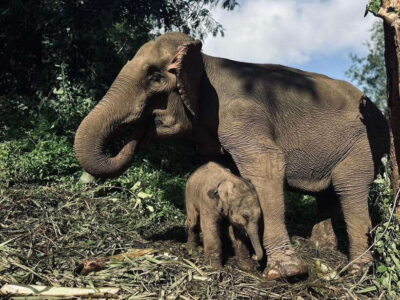
Elephant Sanctuary, Waterfall & Bamboo Rafting
Read our review →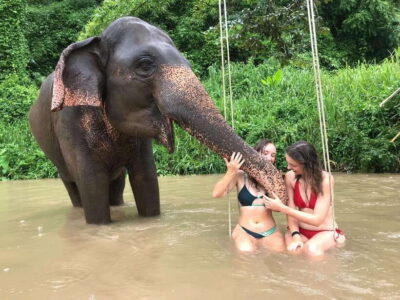
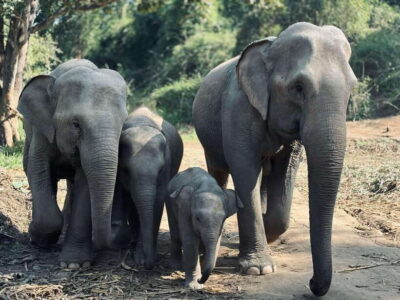
Elephant Sanctuary Feeding Program Half-Day Tour
Read our review →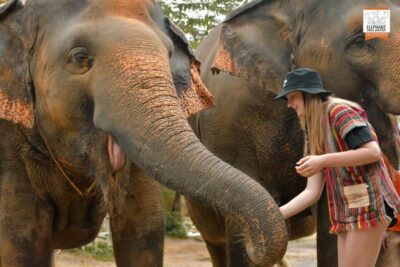
Elephant Jungle Sanctuary Ethical Feeding Experience
Read our review →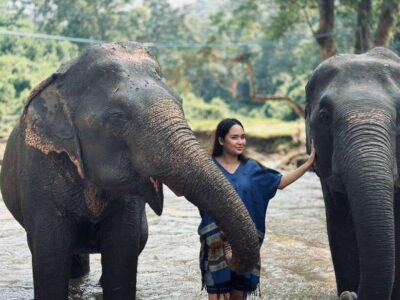
Elephant Sanctuary, Long Neck & Sticky Waterfall
Read our review →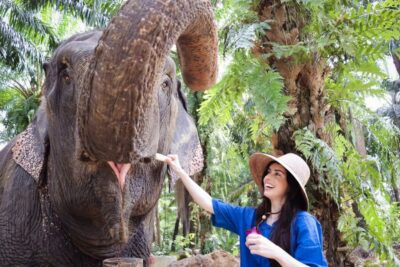
Elephant Bathing Session at Krabi Elephant Shelter
Read our review →
Elephant Sanctuary Guided Tour with Hotel Transfers
Read our review →
Browse the lists this tour appears in