
Reviewed · HISTORICAL TOURS
Chiang Mai: Historical and Culture Exploration Walking Tour
Old Chiang Mai makes a fine first lesson. This small-group walk links the Three Kings Monument, Wat Phra Sing, and Wat Chedi Luang while explaining how Lanna beliefs still shape daily life. I especially like the small groups of up to eight and the fact that temple entry tickets, water, insurance, and an English-speaking guide are included. The main drawback is the schedule: the tour information lists both 3 minutes and about 2.5 hours, so you should confirm the start time and duration before booking.
I also like the chance to hear about Chiang Mai from guides with a personal connection to the city. Bim, who led several highly praised departures, was noted for her Lanna heritage and for taking photos, while Emmy, Farm, Amy, and Bin were also singled out for clear and friendly guidance. You will walk between sites, so comfortable shoes and modest clothing matter more than fancy gear.
In This Review
- Key points at a glance
- Why this walk works as a Chiang Mai introduction
- Meeting the Three Kings at the center of the old city
- Wat Phra Sing, woodwork, murals, and a sacred pagoda
- Walking to Wat Chedi Luang
- Wat Chedi Luang and the old city’s great ruins
- The guide makes the difference
- Is the 5pm departure the smartest choice?
- What the $15 price includes
- Dress, walking, and temple manners
- Who should book this experience?
- Should you book the Chiang Mai history walk?
- FAQ
- Where does the tour begin?
- Where does the tour finish?
- How long does the tour last?
- Which places are visited?
- Are temple entrance tickets included?
- What languages are available?
- How large is the group?
- What should I wear?
- Is the tour suitable for wheelchair users?
Key points at a glance
- Three major old-city sights: Begin at the Three Kings Monument, then visit Wat Phra Sing and Wat Chedi Luang.
- A useful introduction to Lanna culture: The tour connects temple art, Buddhist practice, royal history, and local traditions.
- A genuinely small group: The maximum group size is eight, with some departures operating with only two people.
- Temple tickets are included: You do not need to budget separately for the listed entrance fees.
- Late-afternoon timing can help: A 5pm departure was praised for cooler conditions and golden-hour light.
- A walking tour with one important limit: The route is not suitable for wheelchair users, and shorts and short skirts are not allowed.
Why this walk works as a Chiang Mai introduction
Chiang Mai can look easy to understand. The old city is compact, its moat helps define the center, and many temples sit within walking distance of one another. But the city makes more sense once you know the story of the Lanna Kingdom, the northern Thai kingdom founded by King Mangrai in the late 13th century.
This tour gives you that framework without asking you to spend a full day on a bus. You start in the heart of the old town and finish at Wat Chedi Luang, visiting two of Chiang Mai’s best-known temples along the way. That makes the experience useful on your first day, when you want context before exploring the city on your own.
I like the balance here. You get important monuments, but the focus is not only on dates and royal names. The guide explains spiritual life, Buddhist rituals, temple design, art, and the Lanna way of life. That connection is valuable because Chiang Mai’s temples are not just old buildings. They remain places of worship and community life.
The group limit of eight should help keep the walk personal. You can ask questions without shouting across a large crowd, and the guide can adjust explanations to the group. One departure had only two people, which allowed the guide to answer questions as they arose. That sort of flexibility is hard to get on a large city tour.
More Walking Tours in Chiang Mai
- Chiang Mai: 3 Hour Old City and Temples Guided Walking Tour
★ 4.6 · 1,568 reviews - Chiang Mai: Historic Temples and City Guided Walking Tour
★ 4.7 · 650 reviews - Chiang Mai: Temple And City Walking Tour Part I
★ 4.7 · 244 reviews
Meeting the Three Kings at the center of the old city
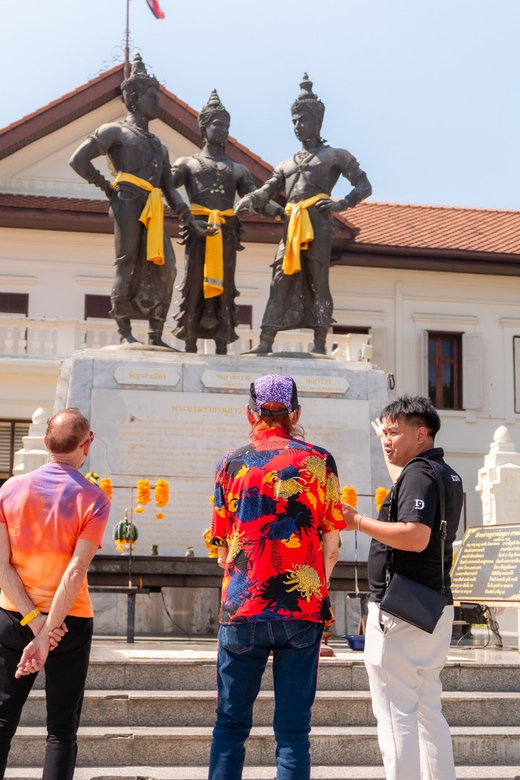
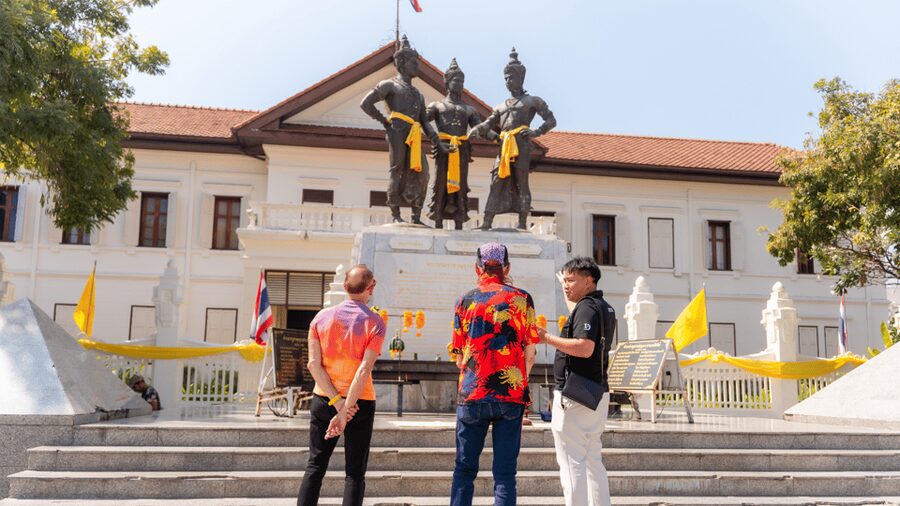
The tour begins at the Three Kings Monument. Your guide meets you here, gives a safety briefing, and introduces King Mangrai, the first king of the Lanna Kingdom and the founder of Chiang Mai.
This is a sensible starting point. Before you enter a temple, you learn why Chiang Mai exists and why the old city developed as it did. The monument also gives you a clear place to get your bearings. If you have just arrived, it is a useful anchor in the historic center.
The scheduled visit lasts about 30 minutes. That gives your guide time to explain the monument and its connection to the city rather than treating it as a quick photo stop. Pay attention to the way the tour frames Chiang Mai as a former royal center and a continuing religious city.
You should arrive on time. There is no hotel pickup or drop-off, and the meeting point is fixed at the monument. Since the route finishes at Wat Chedi Luang, you do not return to your hotel automatically. Plan your next stop from there.
Wat Phra Sing, woodwork, murals, and a sacred pagoda
From the monument, you walk about 20 minutes to Wat Phra Sing. The walk is part of the experience, but it is also one of the practical details to consider. Chiang Mai can be hot, and the route includes time outdoors between the temples. Comfortable shoes, light clothing that still meets temple rules, and water are sensible choices.
Wat Phra Sing is described as the second most revered temple in Chiang Mai. The scheduled visit lasts about 40 minutes, enough time for the guide to point out the details that are easy to miss when you wander in alone.
The temple is known for intricate woodcarving and northern Thai-style murals. These features help you see the difference between a quick temple visit and a guided one. A guide can explain why certain halls matter, what the paintings show, and how northern Thai design differs from the temple styles you may have seen elsewhere in Thailand.
The Lai Kam Assembly Hall is a key part of the stop. Its woodwork and murals provide a direct look at Lanna artistic traditions. You should take time to look closely rather than rushing toward the next photo. The visual details are central to the visit.
The pagoda also carries a particular meaning for people born in the Year of the Dragon. That detail gives the tour a personal angle. It shows how temple symbols can connect with individual identity and local tradition, not just with formal religious history.
The entrance ticket is included, which keeps the visit simple. Your guide can take you through the grounds, explain Buddhist practices, and give context for what you are seeing. The strongest part of this stop is likely to be the combination of visual detail and cultural explanation.
Walking to Wat Chedi Luang
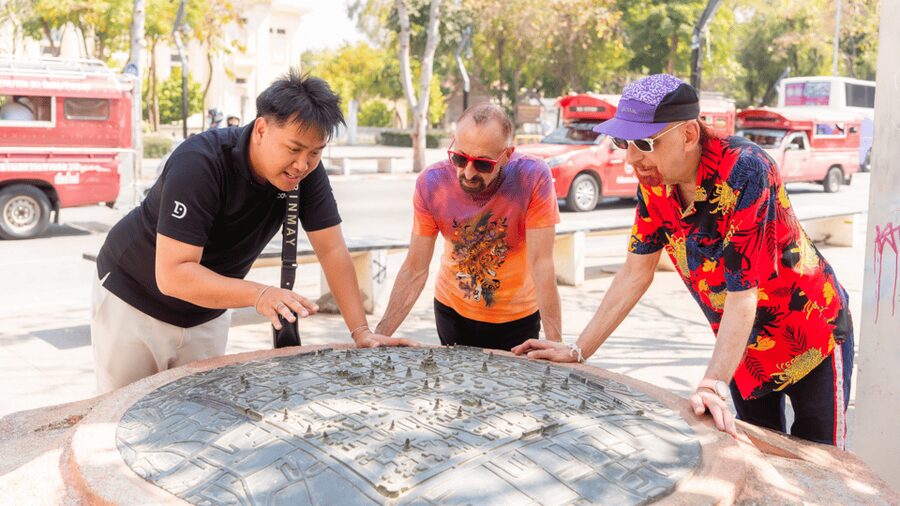
The route then continues on foot for about 15 minutes to Wat Chedi Luang. This is a short transfer, but it adds to the total walking time and can feel different depending on the weather.
The tour is not a point-to-point vehicle excursion. That is good news if you want to experience the old city at street level, but less appealing if you have difficulty walking or are looking for a cool, air-conditioned ride. The information specifically says the experience is not suitable for wheelchair users.
One review described tuk-tuk rides being arranged during a particular departure, but the standard tour details present this as a walking tour and do not promise transport. I would treat any tuk-tuk assistance as departure-specific rather than something to count on.
A completely different kind of day out:
- Half-Day Thai Cooking Class at Organic Farm in Chiang Mai
★ 5.0 · 19,087 reviews - Chiang Mai: Elephant Sanctuary, Waterfall & Bamboo Rafting
★ 4.9 · 9,160 reviews - Chiang Mai: Doi Inthanon National Park Eco-Friendly Tour
★ 4.6 · 6,667 reviews - Chiang Mai: Elephant Sanctuary & Waterfall Group Tour
★ 4.9 · 5,780 reviews
Wat Chedi Luang and the old city’s great ruins
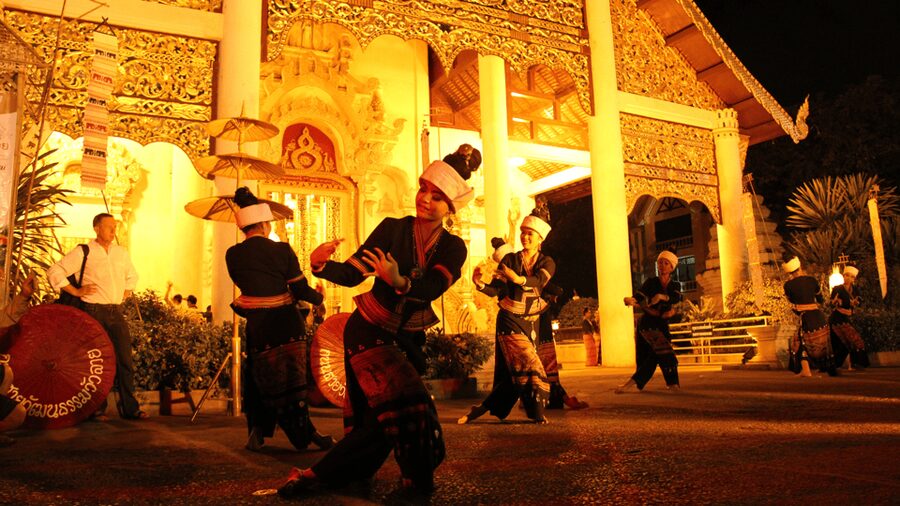
Wat Chedi Luang receives about 45 minutes, making it the longest stop. The site is linked to King Mangrai and includes a 600-year-old chedi with striking ruins. This is where the tour’s history and religious themes come together most clearly.
The chedi gives you a sense of age and scale that smaller temple details cannot provide. Its weathered form helps you picture Chiang Mai as an old kingdom rather than simply a modern Thai city with attractive temples. The guide can explain the site’s place in the story of the Lanna capital and point out the Buddha inside the temple.
The stop also includes time to listen to talks by monks. That is an important feature because it moves the experience beyond architecture. You can hear about Buddhist life from people connected to the tradition, although the exact format and availability of a monk talk may depend on the departure.
The tour finishes here. That is convenient if you want to continue exploring the old city on foot, visit nearby sights, or find a meal afterward. It also means you should think about your evening plans before setting out. There is no return transfer included.
The guide makes the difference
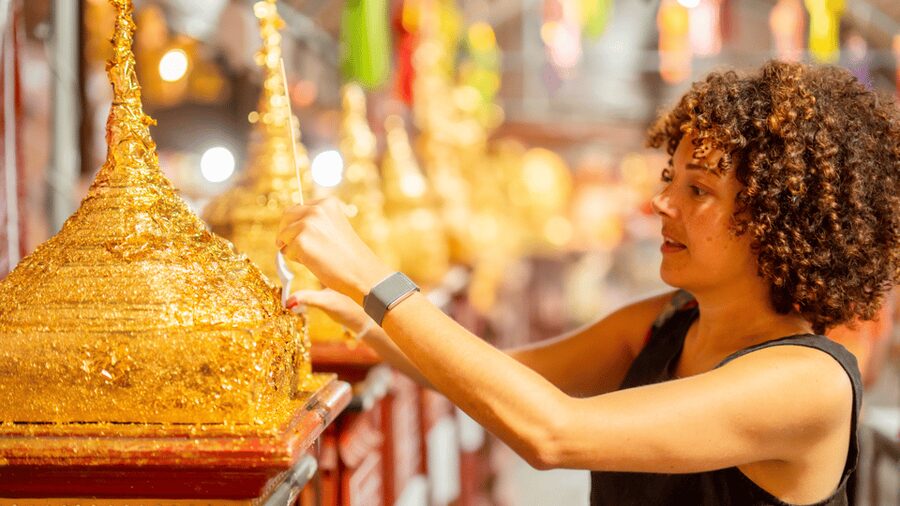
The guide is the most important variable in a cultural walking tour. The descriptions of Bim, Emmy, Farm, Amy, and Bin point to a consistent strength: friendly presentation paired with clear explanations of history, art, culture, tradition, and Buddhist rituals.
Bim received especially warm praise for her kindness, personal approach, and Lanna heritage. That background can add depth to a tour about northern Thai identity. A local connection does not replace historical accuracy, but it can make customs and traditions feel less like museum material.
Bim was also praised as an excellent photographer. That may matter if you are traveling alone or want a few photographs from the walk. It is not listed as a formal inclusion, so think of it as a pleasant possibility rather than a guaranteed service.
The small group format gives the guide room to respond to your interests. You can ask about temple symbols, local traditions, royal history, or Buddhist rituals as you encounter them. If your group is full, the experience may be less personal than a two-person departure, but eight participants is still a manageable limit.
The tour is available in English and Thai. If you need very detailed historical discussion, the quality of the explanation may depend on the individual guide and the questions you ask. The feedback points to strong guide performance, but no walking tour can provide an academic lecture at every stop.
Is the 5pm departure the smartest choice?
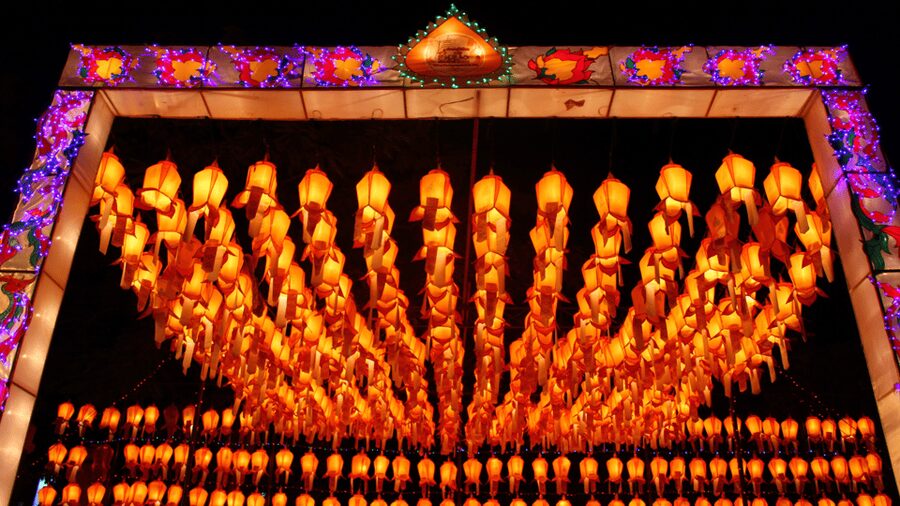
One participant found a 5pm departure ideal for avoiding the heat and seeing the temples in golden-hour light. That is useful advice, especially if you are visiting during a hot period or prefer softer evening photographs.
A later start may also make the walk more comfortable between the monument and temples. Still, you should check the available starting times when booking because the tour information is inconsistent about duration and lists availability as something to confirm.
The tour itself is described as about 2.5 hours. The itinerary adds up to 30 minutes at the monument, 20 minutes walking, 40 minutes at Wat Phra Sing, 15 minutes walking, and 45 minutes at Wat Chedi Luang. That totals 150 minutes, or 2.5 hours.
The separate 3-minute duration line is clearly at odds with that schedule. Do not plan your day around a three-minute activity. Check the actual departure time and expected length before you pay.
What the $15 price includes
At $15 per person, this is priced as an accessible introduction rather than an all-day cultural program. The value is strongest if you want entry to the main temples and a guide to explain what you are seeing.
The price includes an English-speaking guide, all listed entrance tickets, water, and tour insurance. Those inclusions remove several small expenses and make the final cost easier to predict. You will still need to arrange your own way to the Three Kings Monument and onward from Wat Chedi Luang.
I consider the price fair for a small-group tour with three major historic stops. A private guide would usually offer more control, but this option gives you personal attention without private-tour pricing. The value is also better if this is your first visit and you want a clear introduction before returning to the temples independently.
The tour is not the best choice if you want transport, a full-day route, or a broad survey of Chiang Mai beyond the old city. It concentrates on three central sights. That focus is a strength for first-time orientation, but a limitation for anyone seeking mountain temples, markets, or countryside.
Dress, walking, and temple manners
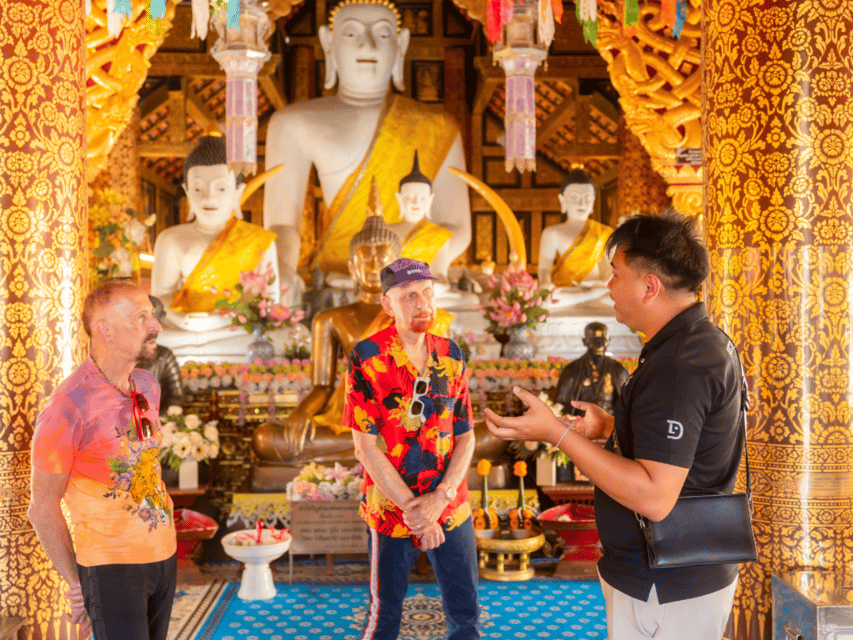
The clothing rules are simple and important. Shorts and short skirts are not allowed, so wear clothing that covers your knees. Comfortable clothes and shoes are recommended, and you should bring a camera if photography matters to you.
You receive water, but I would still prepare for a warm walk. The tour includes two transfers on foot, plus time standing and moving around temple grounds. If you have mobility concerns, note that the activity is not suitable for wheelchair users.
Temple visits call for a calm and respectful approach. Your guide will explain the spiritual side of the sites, but you should be ready to follow local instructions and behave appropriately inside religious buildings.
A camera is welcome, but it should not become the whole point of the visit. The best moments may come from listening to the guide explain a mural, a ritual, or the meaning attached to the Year of the Dragon pagoda.
Who should book this experience?
I would recommend this walk to first-time visitors who want a quick, structured introduction to Chiang Mai’s old city. It suits people who enjoy history, temple art, Buddhist culture, and walking between major sights.
It is also a good fit if you are traveling alone or as a couple and prefer a small group over a large coach tour. The guide can answer questions, and the route is short enough to leave much of the day free.
You should think twice if you cannot walk comfortably, need wheelchair access, or dislike fixed meeting points. The lack of hotel pickup also means you must reach the Three Kings Monument yourself.
This tour is less suitable for repeat visitors who already know Wat Phra Sing and Wat Chedi Luang well. In that case, you may want a more specialized experience. But for a first look at Lanna culture, the route is well chosen and the $15 price is sensible.
Should you book the Chiang Mai history walk?
Book it if you want the old city explained rather than simply photographed. The combination of the Three Kings Monument, Wat Phra Sing, and Wat Chedi Luang gives you a strong foundation in Chiang Mai’s royal, artistic, and spiritual story.
I would choose a late-afternoon departure if available, since the 5pm timing was praised for cooler conditions and golden light. Confirm the actual duration, wear temple-appropriate clothing, and arrive at the monument on time.
Skip it if you need hotel transport, wheelchair access, or a broad tour of the whole province. For everyone else, this is an affordable, focused way to get oriented, with the guide’s warmth and local insight likely to shape the experience more than any single monument.
FAQ
Where does the tour begin?
The tour begins at the Three Kings Monument in Chiang Mai’s old city.
Where does the tour finish?
The tour finishes at Wat Chedi Luang. Hotel drop-off is not included.
How long does the tour last?
The detailed schedule describes a 2.5-hour tour. The supplied activity information also displays a 3-minute duration, so you should confirm the correct timing when checking availability.
Which places are visited?
The route includes the Three Kings Monument, Wat Phra Sing, and Wat Chedi Luang.
Are temple entrance tickets included?
Yes. All listed entrance fees are included in the tour price.
What languages are available?
The live tour guide is available in English and Thai.
How large is the group?
The tour is limited to eight participants.
What should I wear?
Wear comfortable clothes and shoes. Shorts and short skirts are not allowed at the temples.
Is the tour suitable for wheelchair users?
No. The activity is listed as unsuitable for wheelchair users.
More Historical Tours in Chiang Mai
- Chiang Mai: Historic Old City Bike Tour – Morning or Night
★ 4.7 · 263 reviews - Chiang Mai: Historic Old City Bike Tour – Morning or Night
★ 5.0 · 202 reviews - Chiang Mai: Private Historic Old City Bike Tour – Night
★ 4.7 · 143 reviews - 1 Day Sukhothai Historical Park from Chiang Mai Private Tour
★ 5.0 · 29 reviews
Just added in Chiang Mai
- Full Day Doi Saket Hiking Tour★ 5.0 · 14 reviews
- Pha Dok Siew Nature Trail & Doi Inthanon National Park From Chiang Mai★ 4.0 · 23 reviews
- One day Elephants in Nature Experience & Grand Canyon Jumping★ 5.0 · 31 reviews
- Chiang Mai to White & Blue Temple, Black Museum & Golden Triangle★ 4.0 · 52 reviews
- One day Doi Inthanon National Park & Trekking on Kew Mae Pan★ 5.0 · 12 reviews
- Private Tour 2 Difference Trails Trekking at Doi Inthanon National Park★ 5.0 · 19 reviews
- Half day Long Neck hill tribe and Hmong hill tribe village★ 5.0 · 21 reviews
- One Day Tour Chiang Rai(White Temple , Blue Temple, Black House) Private Tour★ 5.0 · 63 reviews
Historical Tours, compared.
UNESCO’s Ayutthaya Historical Park: Full-Day Tour from Bangkok
Read our review →
Historical City of Ayutthaya – Unesco Full Day Tour From Bangkok
Read our review →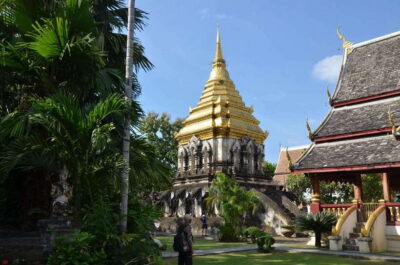
Private Excursion to Floating Market and Ayutthaya World Heritage
Read our review →
Private Excursion to Ayutthaya, UNESCO World Heritage site with Boat Tour
Read our review →Browse the lists this tour appears in