Reviewed · CHIANG MAI TOURS
3D2NTrek Adventure at Chiang Mai Mea Wang Including Overnight at Karen Hilltribe
Get ready for three days of muddy shoes. This Mae Wang adventure combines jungle trekking and waterfalls with bamboo rafting, a Karen village stay, meals, transport, and close time with elephants. I like the small group limit of 10 and the way the tour packs several northern Thai experiences into one trip. My main caution is that the accommodation and guide arrangements can vary, and the advertised hill tribe experience may not match every traveler’s expectation.
I also like the careful route planning, with a licensed English-speaking guide, truck transfers, accident insurance, and a backpack supplied for the trek. The waterfall swims, especially after a long walk, give the trip a welcome reward. Still, you need moderate fitness, patience with basic sleeping conditions, and a clear understanding that this is a working village visit, not a staged long-neck Karen attraction.
In This Review
- Key points before you book
- What this three-day Mae Wang trip is really like
- Day 1: From Chiang Mai to bamboo rafting
- Sleeping in the village: meaningful but basic
- Day 2: A full walking day and a waterfall swim
- Day 3: The final trek and elephant center
- How hard is the trekking?
- Guides, group size, and the value of local knowledge
- Is $162.76 good value?
- What to pack and what to confirm
- Who should book this Mae Wang trek?
- Should you book it?
- FAQ
- Where does the tour start?
- What time does pickup begin?
- Where does the tour finish?
- How long is the experience?
- How many people can join the group?
- Is bamboo rafting included?
- Is accommodation included?
- Are meals included?
- Is elephant food included?
- How fit do I need to be?
- Can I cancel for a refund?
Key points before you book
- Three days in Mae Wang: You spend most of the trip walking forest trails rather than simply stopping for photographs.
- Bamboo rafting lasts about 40 minutes: It is a pleasant introduction to the area, though some visitors found it shorter than expected.
- Karen village overnight: The stay offers a chance to sleep in a hill community, but facilities are basic and the exact sleeping setup deserves confirmation.
- Waterfalls break up the hiking: You have time to eat, rest, and swim during the route.
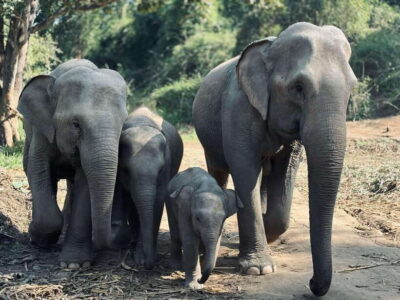
- Elephant feeding and bathing: The final day includes food for the elephants and time to feed, play with, and bathe them.
- Small group transport: Pickup is at the Duangtawan Hotel in Chiang Mai at 9:00 a.m., with return to the same meeting point.
What this three-day Mae Wang trip is really like
This is not a gentle sightseeing outing. It is a compact jungle trek with truck rides between sections, simple accommodation, local meals, and several active stops. You will walk for roughly three hours on the first day, about four and a half hours on the second, and around three hours on the third, not counting time at the waterfalls and elephant center.
The route is in Mae Wang, outside central Chiang Mai. A guide leads the walking portions, handles the route, and helps the group move between villages, forest paths, waterfalls, and activity areas. One guide named Witoon received especially warm praise for pointing out small animals and plant life and explaining the local area.
The group size is capped at 10, which matters on narrow forest paths. You will not be part of a huge coach group, and the small number should make meals, rafting, and village arrangements easier. The quality of the experience still depends heavily on which guide and support team are working that day.
A few more options to weigh up in Chiang Mai
- Half-Day Thai Cooking Class at Organic Farm in Chiang Mai
★ 5.0 · 19,087 reviews - Chiang Mai: Elephant Sanctuary, Waterfall & Bamboo Rafting
★ 4.9 · 9,160 reviews - Chiang Mai: Doi Inthanon National Park Eco-Friendly Tour
★ 4.6 · 6,667 reviews
Day 1: From Chiang Mai to bamboo rafting
Pickup is scheduled between 9:00 and 9:30 a.m. at the Duangtawan Hotel, 132 Loi Kroh Road in Chiang Mai. You begin in a truck and stop for food after about an hour, then continue for another hour to the bamboo rafting camp.
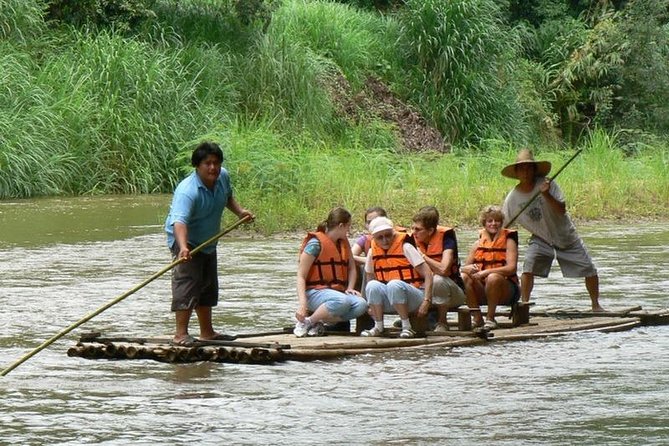
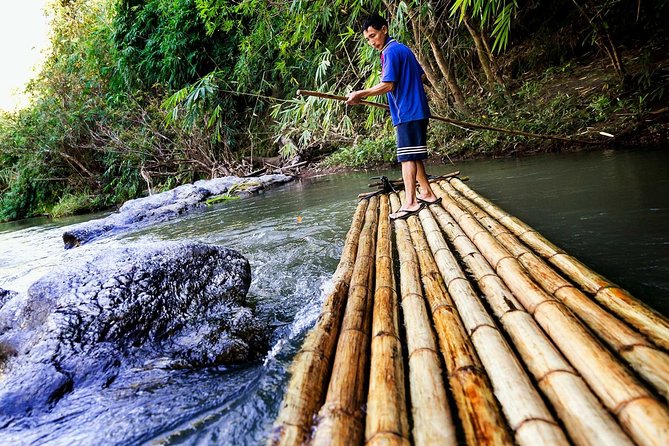
The rafting section takes about 40 minutes. Bamboo rafts are a simple, low-tech way to see the river area, and the pace gives you time to watch the banks rather than rush through a large attraction. I would treat this as a scenic opening activity, not the main event. One account found the rafting enjoyable but wished it lasted longer than 30 minutes, so the actual duration may feel brief if you arrive expecting a long river trip.
After rafting, a truck carries you for about 20 minutes to the hiking point. The first walk leads to a waterfall, where lunch is served. This is a smart point for the meal because the water and shade give you a chance to cool down before the longer afternoon section.
After lunch, you walk for about three hours through the jungle toward the Karen village. The route is the heart of the first day. You should expect uneven ground, changing slopes, and the need to keep your pace steady. The tour does not promise a soft trail or an easy stroll, so proper shoes matter more than fashionable clothes.
The village stay is presented as an overnight with the Karen community. That can be one of the most memorable parts of the trip because you are not simply looking at a village from a vehicle. You have the chance to spend the evening in the same setting where the local hosts live.
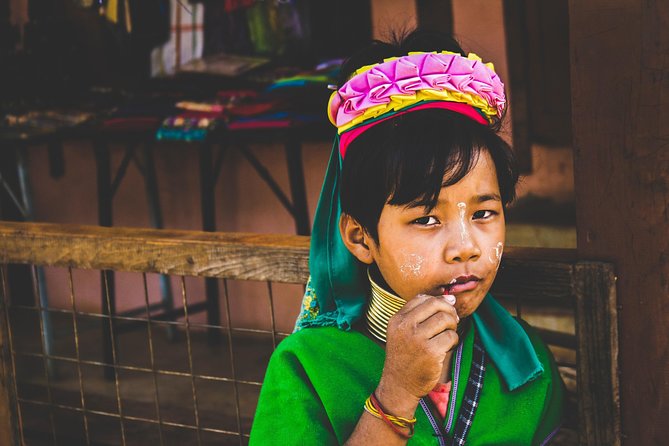
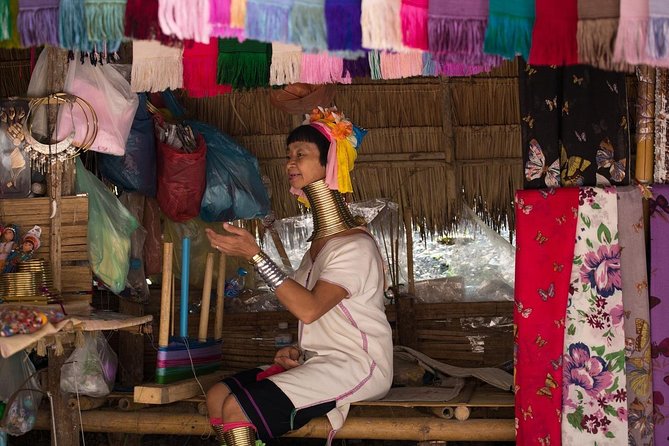
There is an important distinction here. The stop is not a guaranteed visit to a long-neck Karen community. The tour has been criticized for photographs and descriptions that created that expectation, while the actual visit included a few women selling goods. If seeing long-neck women is your main reason for booking, this is the wrong tour to choose.
Sleeping in the village: meaningful but basic
The overnight stay is part of the appeal, but you should prepare for village-level accommodation rather than hotel comfort. Bedding and sleeping arrangements have drawn mixed reactions. One particularly unhappy account described dirty bedding, spiders, thin mats, and towels used as blankets. Other accounts described the village and hut stay as a memorable part of the trip.
That wide range of reactions is useful information. It suggests that you should pack a lightweight sleeping liner, a warm layer, and personal toiletries. You should also ask the operator to confirm the exact sleeping arrangement before departure, especially if clean bedding and a proper mattress are important to you.
The included meals are dinner on the first night, breakfast on the second and third mornings, and three lunches. Food is prepared during the trip, with one guide praised for both guiding and cooking. Do not expect restaurant service or a wide menu. The value lies in having meals arranged in remote areas, where buying food independently would be difficult.
Day 2: A full walking day and a waterfall swim
Breakfast is scheduled for 8:30 a.m. After eating, you walk in the jungle for around two and a half hours before stopping for lunch in the forest. Eating along the route keeps the group moving and avoids a long transfer back to a town.
The second walk lasts about two more hours before reaching a waterfall. Here, the schedule slows down. You can relax and swim, which is especially welcome after a full morning on foot. The waterfall is not just a quick photo stop. The itinerary allows time to sit by the water and cool off.
The attraction of Day 2 is its rhythm: walk, eat, walk, then rest. If you enjoy being outdoors for most of the day, this is likely the strongest section of the experience. If you prefer frequent stops, short walks, or predictable paving, you may find the day tiring.
English-language support may not be identical during every portion of the route. One account praised a very good guide but noted that an English-speaking guide was missed on two walks. This is worth clarifying when you book. The tour includes a licensed English-speaking guide, but the practical experience can depend on how the group is staffed and divided.
The overnight arrangements on this portion also need confirmation. The main description centers on a Karen village stay, while one account describes sleeping near an elephant center and seeing elephants walk past the hut in the morning. That sounds appealing, but it should not be treated as a guaranteed part of every departure unless the operator confirms it directly.
A completely different kind of day out:
- Chiang Mai: Elephant Sanctuary & Waterfall Group Tour
★ 4.9 · 5,780 reviews - Chiang Mai: Chiang Rai Temples, Karen Tribe and Hot Springs
★ 4.7 · 5,401 reviews - Chiang Mai: Cooking Class, Market & Thai Herbs Garden Tour
★ 4.9 · 4,824 reviews - Chiang Mai: Authentic Cooking Class with Market & Farm Visit
★ 4.9 · 4,546 reviews
Day 3: The final trek and elephant center
Breakfast is scheduled between 8:30 and 9:00 a.m. You then walk for about three hours, with another chance to rest and swim at a waterfall before continuing to the meeting point.
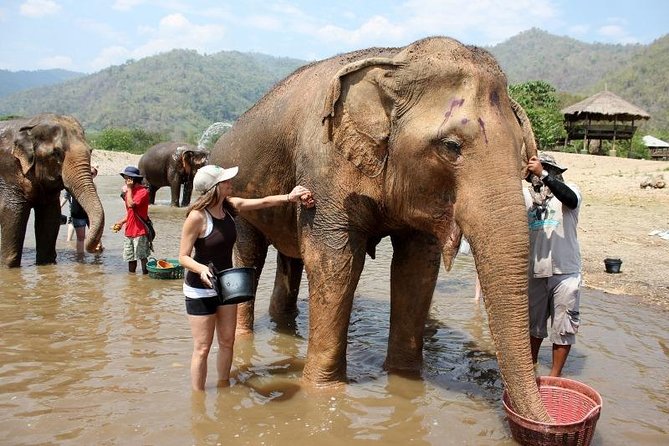
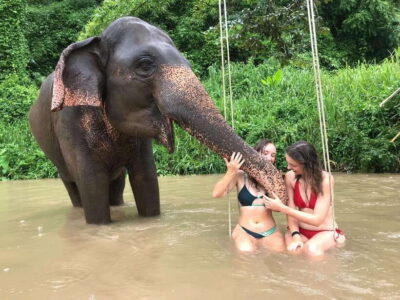
A truck takes the group from there to the elephant center. Lunch is served at the center, and elephant food is included. The activities involve feeding, playing with, and bathing the elephants, giving you more direct contact than a standard viewing stop.
This is likely the emotional high point for many people. You are close enough to help with feeding and bathing rather than simply watching from a platform. One very positive account described spending the evening and morning around elephants, including seeing them pass near the hut. Again, confirm the overnight location if that particular setup matters to you.
I would also approach the elephant portion with sensible questions. The supplied details confirm feeding, play, and bathing, but they do not explain the center’s animal-care standards, group rules, or whether riding is offered. Ask what the elephants’ daily routine is and how much choice they have in taking part. A responsible center should put the animals first.
After lunch and the elephant activities, the trip returns to the original meeting point in Chiang Mai. The third day lasts about nine hours, so it is not a quick morning add-on. Plan to keep your evening flexible.
How hard is the trekking?
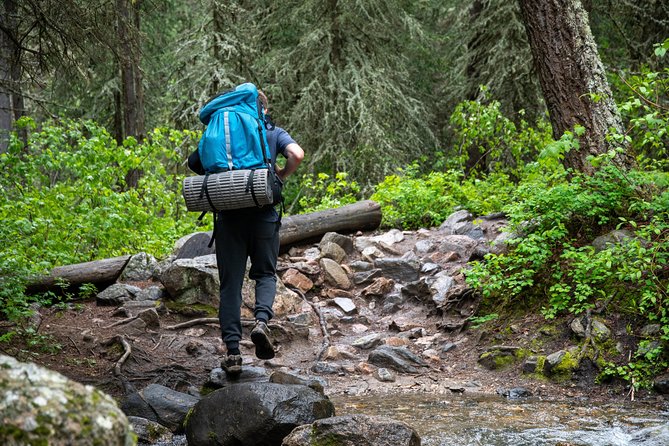
The tour requires a moderate level of physical fitness. That wording should be taken seriously. The walking is spread over three days, with several hours in the jungle each day, plus heat, wet ground, hills, and the need to carry your own small items.
You do not need to be an expert hiker based on the information provided, but you should be comfortable walking for multiple hours. The supplied trekking backpack helps, though you still need to pack lightly. Bring secure walking shoes, insect repellent, swimwear, a quick-drying towel, sun protection, a change of clothes, and a waterproof bag for electronics.
The waterfalls create a useful break, but swimming does not erase the effort of the trail. I would not book this trip immediately after a flight if you are already worn out, and I would not choose it if you have trouble with uneven ground.
Guides, group size, and the value of local knowledge
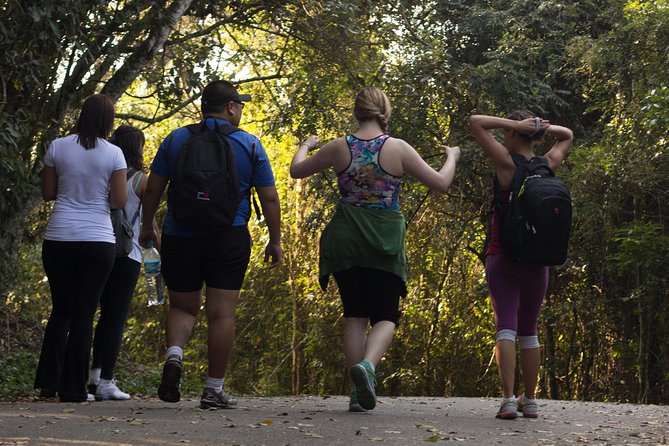
The strongest guide feedback centers on Witoon, who was praised for spotting small wildlife and plants and explaining what the group was seeing. That detail matters. A jungle walk is far more interesting when the guide helps you notice the small things, not just the next bend in the trail.
The tour includes a licensed English-speaking guide, but the experience may involve more than one guide or support person. One account specifically praised the guide who cooked for the group while also noting inconsistent English guidance on some walks. You should ask whether one English-speaking guide will stay with your group throughout the full route.
The maximum group size of 10 is a real advantage. It allows a more personal pace than a large bus excursion and reduces crowding at the village and waterfall. Group discounts may improve the price for friends or families booking together, although the physical demands still make this better suited to active adults and older children who can manage long walks.
Is $162.76 good value?
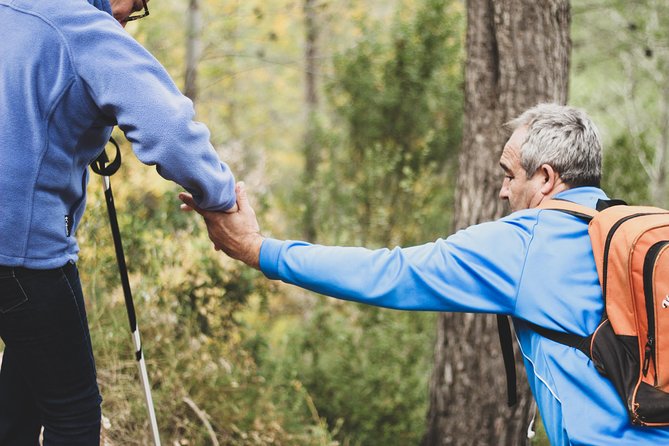
At $162.76 per person, the price includes far more than transportation from Chiang Mai. You receive truck transfers, accommodation, dinner, two breakfasts, three lunches, bamboo rafting, a trekking backpack, accident insurance, a licensed English-speaking guide, elephant food, and the activities across three days.
If you tried to arrange each part independently, transport between remote points, meals, a village overnight, rafting, and an elephant center would take time and careful coordination. The package price is reasonable for someone who wants an organized route and has limited time in Chiang Mai.
The value is less convincing if you want polished accommodation, long rafting, or a tightly managed English-language program. The sleeping conditions may be very basic, and the rafting is short. You are paying for access and convenience, not comfort.
I see this as a good-value adventure for a flexible person who values local contact and outdoor activity. I would not call it a good deal for someone who mainly wants a comfortable three-day holiday.
What to pack and what to confirm
Pack as if the weather may change and your clothes may get wet. The tour requires good weather, but jungle conditions can still be damp, and waterfall swims make a dry change of clothing useful.
Bring:
- Sturdy shoes with good grip
- Lightweight clothes for walking
- Swimwear and a quick-drying towel
- Insect repellent and sun protection
- A waterproof pouch for your phone
- A warm layer for basic overnight accommodation
- A sleeping liner if you are particular about bedding
- Personal medication and toiletries
Before paying, I would confirm four points: the exact overnight location, the bedding provided, whether the same English-speaking guide stays with the group, and the elephant center’s activities and animal-care rules. These questions address the main areas where the experience appears to vary.
Pickup is offered at the Duangtawan Hotel, and the tour ends back at that meeting point. Confirmation is provided when you book. Free cancellation is available until 24 hours before the 9:00 a.m. start, while late cancellations and late changes are not accepted. Poor weather can lead to a different date or a full refund.
Who should book this Mae Wang trek?
I would recommend it to you if you want a packed outdoor trip with jungle walks, simple village accommodation, waterfalls, rafting, and elephant contact. It suits people who enjoy a little disorder, do not need luxury, and want more than a half-day excursion from Chiang Mai.
I would be cautious if clean bedding is essential, if you expect a long-neck Karen visit, or if you need a guide who speaks English during every single walking section. The trip also may not suit anyone with limited walking fitness.
Should you book it?
Book this Mae Wang trek if the combination of long jungle walks and local village lodging appeals to you more than comfort. The waterfalls, small group format, bamboo rafting, and elephant activities create a varied three-day program, and the price covers the main costs.
Skip it if you are choosing it mainly for long-neck Karen culture, hotel-quality beds, or a long rafting trip. Before booking, get written confirmation about the sleeping arrangements, guide coverage, and elephant center. With realistic expectations, this can be a memorable northern Thailand adventure. With the wrong expectations, the same basic conditions may feel like a serious flaw.
FAQ
Where does the tour start?
The tour starts at the Duangtawan Hotel, 132 Loi Kroh Road, Chiang Mai.
What time does pickup begin?
Pickup begins at 9:00 a.m., with the stated departure window running from 9:00 to 9:30 a.m.
Where does the tour finish?
The activity ends back at the starting meeting point at the Duangtawan Hotel.
How long is the experience?
The experience lasts approximately three days and includes two overnight stays.
How many people can join the group?
The tour has a maximum group size of 10 travelers.
Is bamboo rafting included?
Yes. Bamboo rafting is included and lasts about 40 minutes according to the schedule.
Is accommodation included?
Yes. Accommodation is included, with an overnight stay connected to the Karen hill tribe portion of the trip.
Are meals included?
Yes. The package includes dinner, two breakfasts, and three lunches.
Is elephant food included?
Yes. Food for feeding the elephants is included.
How fit do I need to be?
You should have a moderate level of physical fitness because the trip includes several hours of jungle trekking across all three days.
Can I cancel for a refund?
You can cancel at least 24 hours before the start time for a full refund. Cancellations made less than 24 hours before the start are not refunded.
Just added in Chiang Mai
- Full Day Doi Saket Hiking Tour★ 5.0 · 14 reviews
- Pha Dok Siew Nature Trail & Doi Inthanon National Park From Chiang Mai★ 4.0 · 23 reviews
- One day Elephants in Nature Experience & Grand Canyon Jumping★ 5.0 · 31 reviews
- Chiang Mai to White & Blue Temple, Black Museum & Golden Triangle★ 4.0 · 52 reviews
- One day Doi Inthanon National Park & Trekking on Kew Mae Pan★ 5.0 · 12 reviews
- Private Tour 2 Difference Trails Trekking at Doi Inthanon National Park★ 5.0 · 19 reviews
- One Day Hiking and Elephant experience by Chiang Mai Elephant Home★ 5.0 · 75 reviews
- Half day Long Neck hill tribe and Hmong hill tribe village★ 5.0 · 21 reviews
Chiang Mai Tours, compared.
Half-Day Thai Cooking Class at Organic Farm in Chiang Mai
Read our review →
Elephant Sanctuary, Waterfall & Bamboo Rafting
Read our review →
Chiang Rai Temples, Karen Tribe and Hot Springs
Read our review →
Cooking Class, Market & Thai Herbs Garden Tour
Read our review →Authentic Cooking Class with Market & Farm Visit
Read our review →