
Reviewed · HIKING AND TREKKING
Private Tour: 2-Day Authentic Hill Tribe Villages and Karen Hill Tribe Homestay
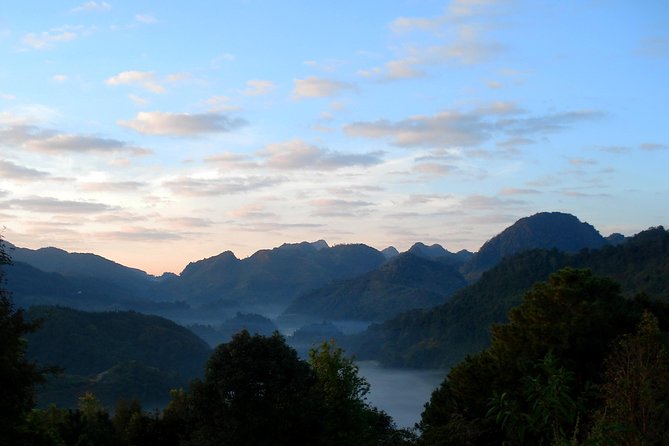
Trade traffic for mountain paths. This private Chiang Mai trip takes you into Karen and Hmong communities with a local hill-tribe guide, rather than keeping you on a fixed sightseeing loop. I like the bamboo-stilt homestay and the chance to cook with a host family, and I also like the freedom to adjust the day around village life. The main catch is that the accommodation is genuinely basic, with no electricity, no hot shower, and bedding on the floor.
You can shape the outing around gentle walks, village visits, food, waterfalls, or optional activities. That personal pace is a real strength, especially for families or photographers. Plan carefully for cash, though: fuel, the homestay, food outside the homestay, entrance fees, and optional activities are not included in the headline price.
In This Review
- Key points at a glance
- Why this Chiang Mai hill-tribe trip feels different
- Day one: From Chiang Mai to the mountain villages
- Meeting Karen and Hmong families respectfully
- The Karen homestay: simple, warm, and very basic
- Food, fuel, and the real cost of the trip
- Optional stops for families and active visitors
- What the flexible schedule means in practice
- Who will enjoy this overnight village experience
- Practical preparation before the 9 a.m. pickup
- Should you book this Karen homestay tour?
- FAQ
- Is this tour really two days and one night?
- What is included in the tour price?
- How much does the Karen homestay cost?
- Are meals included outside the homestay?
- What are the homestay conditions?
- What should I bring?
Key points at a glance
- Sleep in a Karen bamboo stilt home: Expect a simple floor mattress, mosquito net, basic bedding, no electricity, and no hot shower.
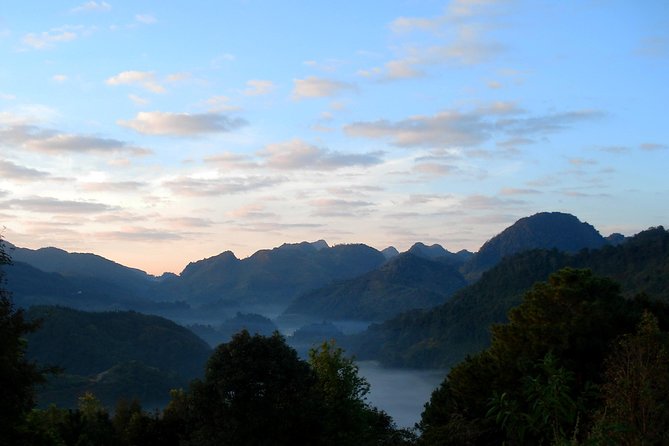
- Meet several northern communities: The route can include Karen, Hmong, Lahu, and Lisu villages, depending on local conditions and your interests.
- Travel with only your own group: Private transport and a local guide make it easier to stop, ask questions, and change plans.
- Let village life set the schedule: The program is an outline, not a tightly timed series of attractions.
- Budget for cash extras: Fuel is listed at about 2,200 baht, while the homestay costs 500 baht per adult and 300 baht for children aged 3 to 8.
- Choose your level of activity: Only gentle walks are required, with options such as an elephant camp, bamboo rafting, and village guiding.
Why this Chiang Mai hill-tribe trip feels different
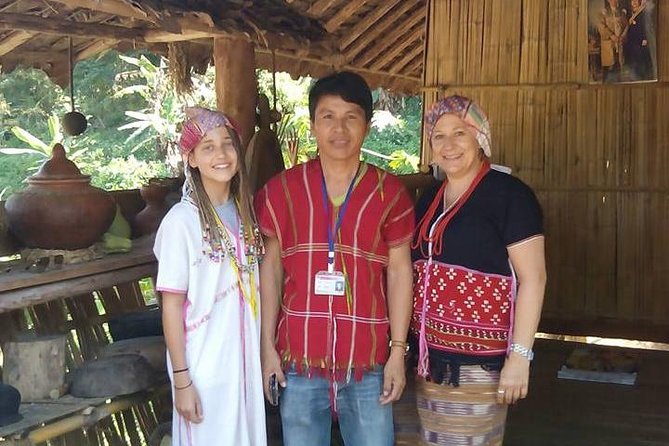
Many excursions from Chiang Mai reduce mountain communities to a quick stop, a posed photograph, and a return to town. This experience is designed around time and conversation. You travel with a guide from a hill-tribe community who can introduce you to local people and help you enter homes in a respectful way.
That distinction matters. You are not promised a staged performance or a fixed list of sights. The guide may arrange a village visit, point out daily work, or respond to something happening locally. The company is clear that no one can guarantee exactly what you will see or do. For some people, that uncertainty is the point. For others, it may feel less polished than a standard day tour.
The private format helps. You do not have to match the pace of a large bus group, and you can discuss the plan with your guide. Past trips have been led by guides including Bee, Pat, Hanee, and Surachai, with drivers such as Win, Boy, and Phechr mentioned in accounts of the experience. Guide assignments can change, so treat these names as examples rather than a promise.
More Hiking and Trekking in Chiang Mai
- 3-in-1: Doi Inthanon Tour, Elephant Sanctuary, and Trekking Trail
★ 5.0 · 1,087 reviews - Chiang Mai: Doi Inthanon Trip with Pha Dok Siew Guided Trek
★ 4.6 · 910 reviews - Chiang Mai: Doi Inthanon Park with Kew Mae Pan Hike Day Trip
★ 4.7 · 841 reviews
Day one: From Chiang Mai to the mountain villages
Pickup begins at about 9 a.m. The exact route is flexible, but you should expect private transport from Chiang Mai toward the northern mountain communities. The included vehicle and driver make this much easier than trying to link remote villages by public transport.
Your first stops may focus on Karen or Hmong life, or the guide may take you farther afield to Lahu and Lisu communities. The experience provider describes the tour as customizable, so you can discuss your priorities before setting out. You might want more time with village life, a waterfall stop, local food, photography, or a gentle walk.
The important word here is might. The itinerary can change because of weather, local events, road conditions, or the natural rhythm of village life. A village may be quiet when you arrive. A family may be working. A planned activity may not be possible that day. Those limits are not a flaw in an ordinary sightseeing sense, but they are part of visiting living communities rather than an attraction built for visitors.
The hill-tribe guide is the key to making this work. You will have the chance to meet villagers, enter homes, and see how people live, but you should follow the guide’s lead. Ask before photographing people or private spaces, and accept a slower pace. The best moments may come from a short conversation or an invitation into a home, not from checking off a landmark.
Meeting Karen and Hmong families respectfully
The tour’s strongest appeal is the access to everyday life. Karen and Hmong communities have distinct identities, traditions, and ways of living, and a local guide can explain details that you would probably miss on your own.
Do not expect a museum-style lesson with every fact arranged in order. The guide may explain what you are seeing as you walk, introduce you to a family, or answer questions about local customs. This feels more personal than a scripted talk, but it also means you should come ready to listen and avoid treating the village as a photo set.
The company says the tour cannot guarantee what you will see. That honest warning deserves attention. You may meet villagers and be welcomed into homes, but there is no promise of a particular craft demonstration, ceremony, or activity. The experience works best if you value contact and context more than a guaranteed spectacle.
For photographers, the flexible format can be useful. One account describes a nine-day private photography trip with Pat that focused on village life, people, temples, and mountain scenery. This two-day trip is not presented as a dedicated photography tour, but the same stop-and-look approach may suit anyone who prefers time for observation instead of rushing from place to place.
The Karen homestay: simple, warm, and very basic
The overnight stay is the heart of the trip. You sleep in a bamboo home raised on stilts in a Karen village. This is not a boutique lodge with a rustic theme. The conditions are basic: no electricity, no hot shower, simple bedding on the floor, and mosquito nets provided.
You should pack for that reality. Bring insect repellent, sunscreen, a towel, and thin long sleeves and trousers to protect yourself from insects. A change of clothes and a swimsuit are sensible if you plan to play near a waterfall.
The homestay costs 500 baht per adult and 300 baht for children aged 3 to 8. Children under 3 stay free. The stated homestay cost includes meals at the homestay, and you pay the host directly. That direct payment is a useful part of the arrangement because the money goes to the household receiving you.
You may help cook dinner with your hosts, which gives the evening more meaning than simply arriving at a room and eating alone. The description also notes that dinner is at your own expense, so clarify with the guide or host how ingredients and meals will be handled. The listed homestay price says meals are included, while the general description says you cook dinner with your hosts at your own expense. Asking before the meal avoids confusion.
The host family named in accounts of the trip is Mai Su, also written as Misu. Her family welcomed visitors into a bamboo hut and prepared a home-cooked meal. Hosts can vary, but this gives you a useful sense of the evening: shared food, basic surroundings, and a chance to experience village hospitality without a resort layer between you and the community.
If sleeping on the floor or going without a shower sounds miserable, ask about the alternative local guesthouse. The company says you can request one instead. You may lose some of the homestay character, but a guesthouse could be the better choice if comfort or mobility is a concern.
More Private Tours in Chiang Mai
- Chiang Rai Temples: Private Tour from Chiang Mai
★ 5.0 · 1,267 reviews - Doi Inthanon Private Tour with Trek & Lunch from Chiang Mai
★ 5.0 · 622 reviews - Best of Chiang Mai: Private Tour in a Day
★ 5.0 · 196 reviews - Highlights & Hidden Gems With Locals: Best of Chiang Mai Private Tour
★ 5.0 · 177 reviews
Food, fuel, and the real cost of the trip
The advertised price is $228.12 per person. For a private two-day outing with a driver, private vehicle, guide, drinking water, and trip insurance, that can be reasonable, particularly if the cost is shared among several people. The value depends heavily on the final group size and how many extras you add.
The listed exclusions deserve a close look:
- Petrol is about 2,200 baht, paid at the pump.
- The homestay is 500 baht per adult, 300 baht for children aged 3 to 8, and free for children under 3.
- Meals outside the homestay are extra. When you eat with the guide and driver at a local restaurant, the customary amount is 50 baht per person.
- An elephant camp costs 1,500 baht per adult.
- Bamboo rafting costs 1,500 baht for two people.
- A village guide costs 600 baht for two people.
- The Siam Insect Zoo costs 200 baht per adult and 150 baht per child.
- Poo Poo Park costs 150 baht per person, with children aged 0 to 4 free.
Carry Thai baht in cash. The experience provider specifically warns that most places accept only cash. Fuel is a group expense worth clarifying before departure, since the quoted amount is not explained as a per-person charge.
The low local restaurant amount is useful, but do not assume every meal will cost exactly 50 baht. That figure is the stated customary amount for meals taken outside the homestay. Ask your guide before ordering if you want to keep spending predictable.
Optional stops for families and active visitors
The base experience requires only gentle walking. That makes it approachable for many people who do not want a strenuous trek, though the basic homestay and mountain roads may still be tiring for some.
You can add an elephant camp, bamboo rafting, or a village guide. These options change the character and cost of the day. If your main goal is cultural contact, you may prefer to keep the schedule open rather than add every paid activity.
Families have extra choices. The Siam Insect Zoo and Poo Poo Park can provide a break from village visits, especially for children. They are not included, so decide in advance how much time you want to spend on attractions compared with village life.
Waterfall play is also mentioned as a possible activity, but it depends on local conditions and the day’s plan. Bring suitable clothing if you want to be ready. The guide can adjust the route around weather and events, but no particular waterfall stop is guaranteed.
What the flexible schedule means in practice
The flexibility is one of the tour’s best features, but you need to use it well. Before leaving Chiang Mai, tell the guide what matters most to you. If you want time for photography, say so. If you are bringing children, explain their limits. If you care more about meeting families than adding paid attractions, make that clear.
Past accounts describe guides stopping at little-visited temples, mountain viewpoints, and interesting places noticed along the way. One two-night trip was praised for random stops and for not following a cookie-cutter route. That kind of discovery is possible because the itinerary is an outline rather than a rigid timetable.
The tradeoff is less certainty. You may not know every stop at breakfast, and the order can change. You should not book this if you need a precisely timed program with guaranteed attractions. You should book it if you enjoy allowing the day to develop.
The tour is described in places as lasting from one hour to one day, while the product name and main description refer to two days and one night. That is a clear inconsistency in the supplied timing information. Confirm the exact duration and overnight plan before paying, especially if your schedule is tight.
Who will enjoy this overnight village experience
I would recommend it most strongly to you if you want local contact, a private guide, and a night far from standard Chiang Mai sightseeing. Couples, families with adaptable children, small groups, and photographers are a good match.
It also suits people who can handle modest discomfort. The homestay has no electricity or hot shower, and you sleep on the floor under a mosquito net. You will need to carry cash and accept that village life does not operate on a tourist timetable.
You may want to skip the overnight version if you need hotel comforts, dislike uncertain schedules, or want a tour built around famous, guaranteed sights. In that case, requesting the local guesthouse is a sensible compromise, although the experience may feel less intimate.
The private setup is especially valuable for families. You can pause, shorten a walk, or adjust the plan without asking a busload of strangers to wait. Most people can participate, and service animals are allowed according to the provided information.
Practical preparation before the 9 a.m. pickup
Pack light, but bring the right things. Insect repellent and sun protection are essential, while long, thin clothing helps with insects and offers respectful coverage in village settings.
A towel, swimsuit, and spare clothes cover possible waterfall or water activities. Carry enough cash for petrol, the homestay, outside meals, entrance fees, and any options you select.
Wear shoes suitable for gentle walks and uneven village paths. No strenuous hiking is required, but the setting is rural and the ground may not be as smooth as a city pavement.
Keep your expectations flexible. The guide opens cultural doors, but you still need to behave like a respectful visitor. Ask before taking photographs, listen when the guide explains local etiquette, and remember that a quiet village day is still a real village day.
The booking is confirmed within 48 hours, subject to availability. The experience is non-refundable and cannot be changed after booking, so confirm the date, duration, homestay choice, and extra costs before committing.
Should you book this Karen homestay tour?
Book it if you want an authentic northern Thailand experience built around people, flexibility, and a simple overnight stay. The chance to share food with a Karen family, sleep in a bamboo stilt home, and visit Karen and Hmong communities is far more personal than a quick roadside stop.
I especially like the private vehicle, local guide, and direct homestay payment. Those details make the trip feel more connected to the communities you visit. The reported satisfaction is high, with 95 percent recommending the experience and a 4.8 rating from 40 reviews, but the conditions still demand an honest match with your expectations.
Skip it if you want a polished hotel, hot water, electricity, or a guaranteed list of attractions. If you can accept basic sleeping conditions, carry cash, and let the mountain day unfold at its own pace, this is a strong choice for seeing a side of northern Thailand that is difficult to reach independently.
FAQ
Is this tour really two days and one night?
The experience is presented as a two-day tour with one night in a Karen village, but the supplied duration information also says one hour to one day approximately. Confirm the exact schedule and overnight arrangement before booking.
What is included in the tour price?
The price includes a professional local guide and driver, private vehicle transport, drinking water, and trip insurance.
How much does the Karen homestay cost?
The homestay costs 500 baht per adult and 300 baht for children aged 3 to 8. Children under 3 are free. Meals at the homestay are included in that stated homestay cost.
Are meals included outside the homestay?
No. Meals taken outside the homestay cost extra. The customary amount listed for eating with the guide and driver at a local restaurant is 50 baht per person.
What are the homestay conditions?
The bamboo homestay has no electricity, no hot shower, and simple bedding on the floor. Bedding and mosquito nets are provided. You can request an overnight stay at a local guesthouse instead.
What should I bring?
Bring insect repellent, sunscreen, a towel, thin long clothing, and a swimsuit or change of clothes if you want to play near a waterfall. Carry cash for petrol, the homestay, outside meals, entrance fees, and optional activities.
Just added in Chiang Mai
- Wat Phra That Doi Suthep & Wat Pha lat Evening Tour & Guide★ 4.5 · 89 reviews
- Walk With Monks Collecting Alms(meeting point maybe change)★ 4.9 · 8 reviews
- Chiang Mai: Doi Inthanon Park Day Trip with Kiw Mae Pan Hike★ 4.6 · 75 reviews
- Chiang Mai Airport Private Transfer – Hotel or Airport★ 4.5 · 51 reviews
- Trek to a Jungle Waterfall★ 5.0 · 14 reviews
- Zipline+Sticky waterfall+Long Neck Village Private Tour★ 5.0 · 22 reviews
- Chiang Mai Zipline White Water Rafting and Elephant Sanctuary★ 4.0 · 11 reviews
- Team Aim Thai Cooking School (#1 Cooking Class in Chiang Mai)★ 5.0 · 36 reviews
Hiking and Trekking, compared.
3-in-1: Doi Inthanon Tour, Elephant Sanctuary, and Trekking Trail
Read our review →
Doi Inthanon Trip with Pha Dok Siew Guided Trek
Read our review →Doi Inthanon Park with Kew Mae Pan Hike Day Trip
Read our review →
4-Hour Doi Suthep & Hmong Hill Tribe Village from Chiang Mai
Read our review →
Doi Inthanon Private Tour with Trek & Lunch from Chiang Mai
Read our review →Browse the lists this tour appears in