
Reviewed · ELEPHANT SANCTUARY TOURS
Phuket: Eco Guided Tour at Elephant Sanctuary
Elephants deserve better than a show. This short Phuket visit focuses on quiet observation and humane care, with a guide explaining how captive elephants live and how their mahouts look after them. You also prepare herbal vitamin balls, then offer the treats to the elephants yourself.
I like the clear ban on forced bathing and mud play, and I like the personal food-preparation session. The main drawback is the 30-minute activity time, which is enough for an introduction but not a full sanctuary day. If you want a long walk or hours beside the animals, this will feel brief.
In This Review
- Key points to know before you book
- Why this Phuket elephant visit feels different
- The opening briefing sets the tone
- Making herbal vitamin balls by hand
- Meeting and feeding the elephants
- Learning the mahout’s daily role
- What the 30-minute schedule really means
- Is $32 good value?
- Who should choose this experience?
- Practical tips for a calmer visit
- Should you book the Hill Tribe Elephant Village visit?
- FAQ
- How long does the elephant sanctuary activity last?
- What is included in the experience?
- Are meals included?
- Can I take photographs?
- What should I bring?
- Is the activity conducted in English?
- Can I cancel for a refund?
- Does the sanctuary force elephants to bathe or play in mud?
Key points to know before you book
- No forced bathing or mud play: The sanctuary lets elephants follow their own natural behavior instead of staging contact for visitors.
- Hands-on herbal food preparation: You make vitamin balls from natural ingredients before feeding them to the elephants.
- A useful introduction to mahouts: The guide explains the daily work and close relationship between elephants and their caretakers.
- Linked to Mae Wang traditions: Hill tribe families from Mae Wang, Chiang Mai, have settled in Patong and continue traditional elephant-care practices.
- Short, easy-to-fit visit: The activity lasts 30 minutes, with optional round-trip transfers from selected Phuket locations.
- Strong early feedback: The experience holds a 4.8 rating from 13 reviews, with special praise for the warm guide Mayya and the educational approach.
Why this Phuket elephant visit feels different
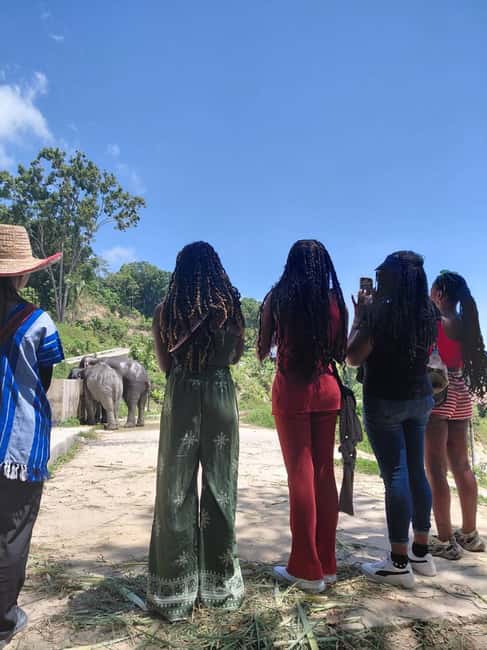
Phuket offers many animal encounters, and the important question is not simply Can I feed an elephant? It is How is the elephant treated while I am there? This program gives you a useful answer before you get close to the animals.
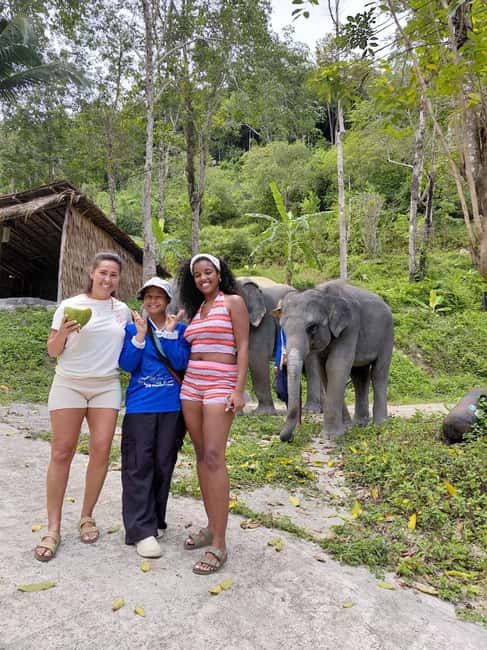
The sanctuary does not allow forced bathing or mud play. That matters because these activities can turn an elephant’s routine into a performance built around human contact. Here, the stated approach is simpler: let the elephant enjoy the day on its own terms, then allow feeding and observation without forcing interaction.
That does not make this a wild-elephant encounter. These are captive elephants, and the tour explains the difference. You learn why captive elephants depend on human care, how their diets are managed, and what mahouts do each day.
The setting is tied to Hill Tribe Elephant Village in Patong, Phuket. Families from Mae Wang in Chiang Mai have settled in Phuket while continuing their traditional elephant-care practices. This gives the visit more context than a quick photo stop, since you hear about the people who work with the elephants as well as the animals themselves.
The experience has earned a 4.8 rating from 13 reviews. The strongest praise centers on the friendly, educational tone. One particularly warm response gives guide Mayya credit for making the visit feel like a 10 out of 10 experience. That is useful to know if you value a guide who can make a short program feel personal rather than mechanical.
More Elephant Sanctuary Tours in Phuket
- Phuket: Elephant Jungle Sanctuary Ethical Feeding Experience
★ 4.8 · 4,359 reviews - Phuket: Elephant Sanctuary Guided Tour with Hotel Transfers
★ 4.8 · 2,020 reviews - A Morning with the Elephants at Phuket Elephant Sanctuary
★ 5.0 · 1,693 reviews
The opening briefing sets the tone
Your visit begins with a briefing from an English-speaking guide. You are introduced to the elephants you will meet, then given an explanation of their daily care and the role of the mahouts.
This first section is not just filler before the feeding. It helps you understand what you are looking at. A captive elephant has different needs from a wild elephant, and the guide explains those differences in plain terms.
You also hear about elephant nutrition, digestion, and general health. That information becomes more useful a few minutes later, when you prepare the food yourself. Instead of simply handing over a basket of treats, you get a basic explanation of why the ingredients are suitable.
The briefing also covers behavior around elephants. You are expected to remain respectful and quiet, and forced interaction is not allowed. Follow that rule closely. Elephants are large, powerful animals, and calm behavior is better for everyone.
Because the whole activity lasts only 30 minutes, the guide needs to keep this opening focused. You should expect an introduction rather than a long lecture. It works best for someone who wants a clear starting point before meeting the elephants, not for someone looking for a full wildlife seminar.
Making herbal vitamin balls by hand
The most distinctive part of the session is the herbal food preparation. You help make herbal vitamin balls from natural ingredients, described as a favorite food for the elephants and a support for digestion and health.
This is a small activity, but it gives you a better sense of daily care. Feeding an elephant can otherwise become a quick exchange: hold out food, take a photograph, repeat. Preparing the food makes you pause and think about what the animal needs.
You should expect a hands-on task rather than a cooking class. The supplied details do not list the exact ingredients, so you should not arrive expecting a particular recipe or a long demonstration. The point is to take part in a simple care routine, then see the elephants respond to food you helped prepare.
I like this feature because it puts the animal’s welfare ahead of spectacle. The focus is not on teaching an elephant a trick or getting it to perform. You are helping prepare something connected to its diet, then offering it in a controlled way.
The activity is also practical for families and first-time elephant visitors, although children still need to follow the guide’s instructions. The sanctuary requires quiet and respectful behavior, so this is not the place for shouting, sudden movements, or trying to touch an elephant without permission.
Meeting and feeding the elephants
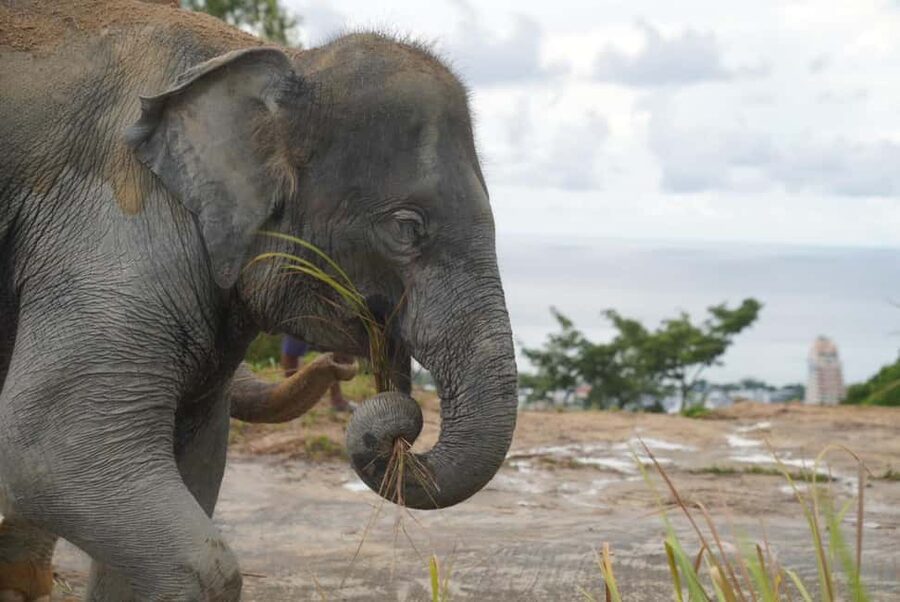
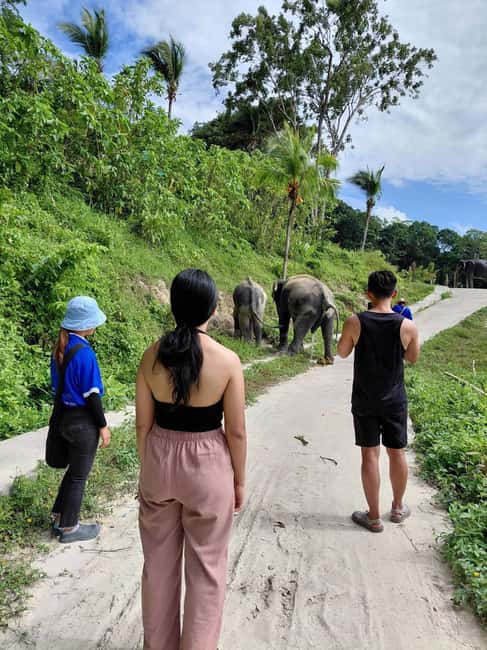
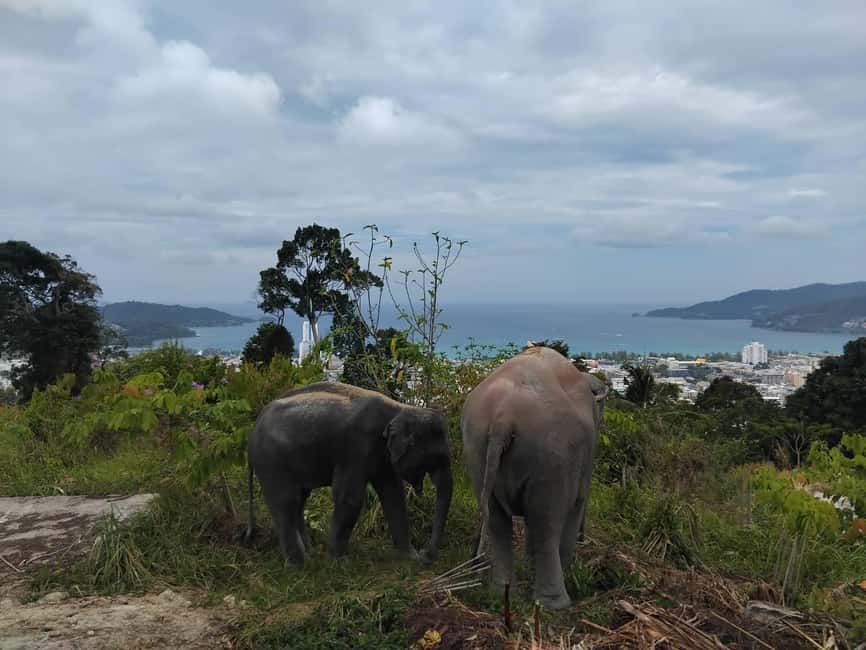
After preparing the herbal treats, you walk through the sanctuary to meet and feed the elephants. The animals are presented in a natural setting, and the team shares more about their nutrition, care, and bond with their mahouts.
This is the emotional center of the visit. You get close enough to offer food and watch the elephants eat, but the program does not promise unlimited handling or constant contact. That restraint is a positive feature, not a missing attraction.
The wording around the experience is important: forced interactions are not allowed. You should treat feeding as an invitation, not a command. If an elephant does not want to approach at a particular moment, the ethical response is to wait and let the animal choose.
Do not expect the sanctuary to create a staged bath, mud session, or playful scene for your camera. Those popular activities are specifically excluded. The result may look less dramatic in a photograph, but it gives you a more honest look at an elephant-care setting.
Flash photography is forbidden. Bring a camera if you wish, but use it without flash and keep the animal’s comfort first. A hat, sunscreen, insect repellent, and comfortable walking shoes are sensible choices for the short walk through the sanctuary.
A completely different kind of day out:
- Phang Nga Bay Sea Cave Canoeing & James Bond Island by Big Boat
★ 5.0 · 4,666 reviews - From Phuket: Phang Nga Bay and Canoeing Tour by Big Boat
★ 4.7 · 3,528 reviews - Phi Phi Islands Adventure Day Trip w/ Seaview Lunch by V. Marine
★ 5.0 · 3,295 reviews - Phuket: Paradise Trip ATV Jungle Adventure
★ 4.8 · 3,250 reviews
Learning the mahout’s daily role
The mahout is more than a person who leads an elephant from one visitor activity to the next. The tour introduces the daily relationship between mahouts and the animals under their care.
You learn how caretakers manage food, health, and routine. You also hear about the traditions carried from Mae Wang, Chiang Mai, to Patong. That link is one of the most interesting details in the program because it connects the Phuket visit to a longer cultural practice.
The tour does not present the mahout relationship as a simple tourist performance. Instead, the guide explains the work and responsibility involved in caring for captive elephants. That helps you see why ethical tourism must consider the people who depend on elephant care for their livelihoods as well as the animals themselves.
I would listen closely during this part. The feeding is the obvious highlight, but the explanation of mahout life gives the activity its meaning. Without it, you would leave with a few photographs and a handful of elephant facts. With it, you gain a better idea of why care practices matter.
What the 30-minute schedule really means
Thirty minutes is both the attraction and the limitation. It makes the visit easy to add to a Phuket day, but it leaves little room for a slow, extended encounter.
The stated itinerary includes a 30-minute van segment and a 30-minute guided tour. The van time relates to the transfer arrangement and can vary with your selected option and pickup point. The activity itself is listed as 30 minutes, so check the timing carefully when you book.
Pickup and drop-off choices include Kata Beach, Karon Beach, Bang Tao Beach, Rawai Beach, Panwa Beach, Ao Po Pier, Laem Hin Lagoon Pier, the ferry crossing for The Village Coconut Island, Hill Tribe Elephant Village, and Phuket. Round-trip transfers are included only if you select an option that includes them.
This matters when you plan your day. If you are staying near one of the listed areas, a transfer option may make the visit straightforward. If you arrange your own transport, confirm the meeting point after booking because the exact details are provided then.
The short format suits you if you want one thoughtful elephant experience before leaving Phuket. It is also useful for a tight schedule, a shore excursion, or a morning when you have other plans. It will not suit you if you want a half-day sanctuary program with extended walking, bathing, or a long observation period.
Is $32 good value?
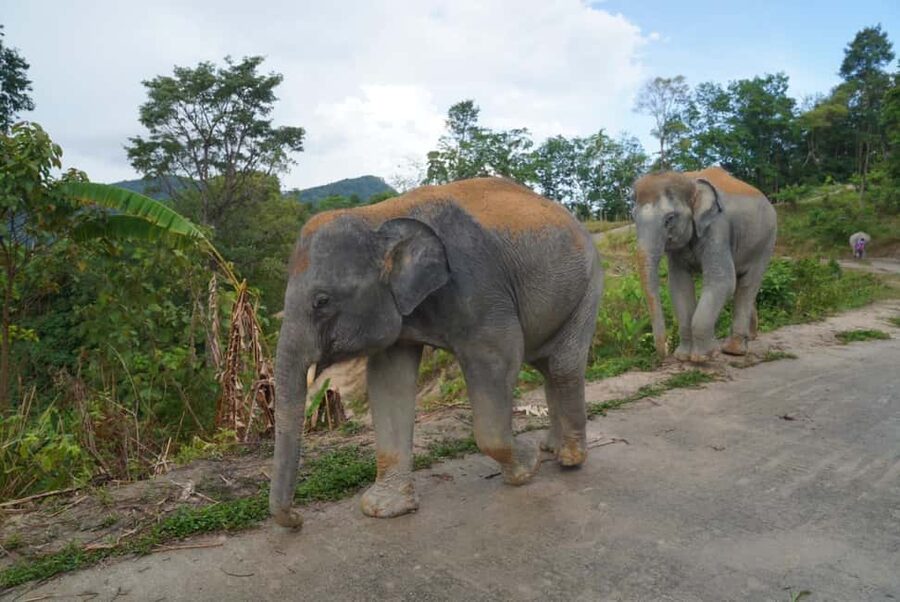
At $32 per person, the price is reasonable for a short guided animal-care visit, especially when you value ethical practices and a small hands-on activity. You are paying for a guide, the herbal preparation, elephant feeding, drinking water, insurance, and round-trip transport if that option is chosen.
The value depends on your expectations. If you judge the price by time alone, 30 minutes is not generous. If you judge it by the quality of the interaction, the no-forced-contact policy, and the educational explanation, it becomes easier to justify.
Transport can change the calculation. A transfer from a selected Phuket pickup point may save you the trouble of arranging a taxi or finding the village yourself. The details vary by option, so compare the transport choice before paying rather than assuming every $32 booking includes a van.
There is no meal included. That should not be a problem because the visit is short, but plan food separately if this activity forms part of a longer outing.
Free cancellation is available up to 24 hours before the activity for a full refund. You can also reserve now and pay later, which helps if your Phuket schedule is still shifting.
Who should choose this experience?
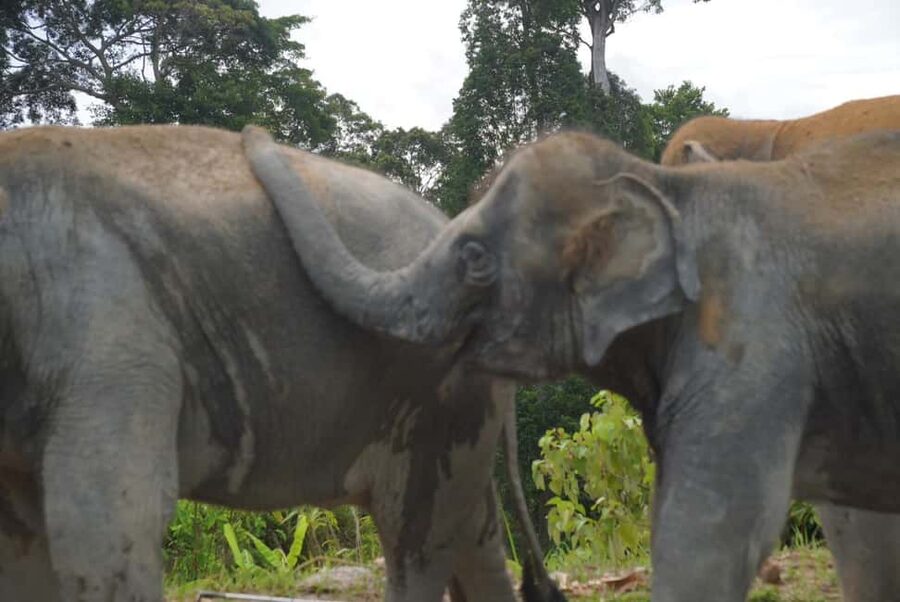
I would recommend it to you if you want a short, gentle introduction to elephant care and do not need a full-day sanctuary visit. It is a good match for people who care about animal welfare, enjoy guided explanations, and like taking part in a simple practical activity.
It also suits you if you want to support a form of elephant tourism that rejects forced bathing and mud play. The sanctuary’s approach gives you a chance to see elephants without asking them to perform a human-designed routine.
The program may work well for adults, couples, families with older children, and people fitting an activity between beach time and other Phuket plans. The English-speaking guide helps keep the information accessible.
You should reconsider it if you are pregnant, have a mobility impairment, or have animal allergies. The activity is listed as wheelchair accessible, but it is also marked as unsuitable for people with mobility impairments, so confirm your needs before booking. Comfortable walking shoes are required for the sanctuary route.
You should also skip it if your main goal is a bathing experience, mud play, extensive touching, or dramatic elephant photographs. Those are not what this visit provides, and the sanctuary intentionally avoids forced contact.
Practical tips for a calmer visit
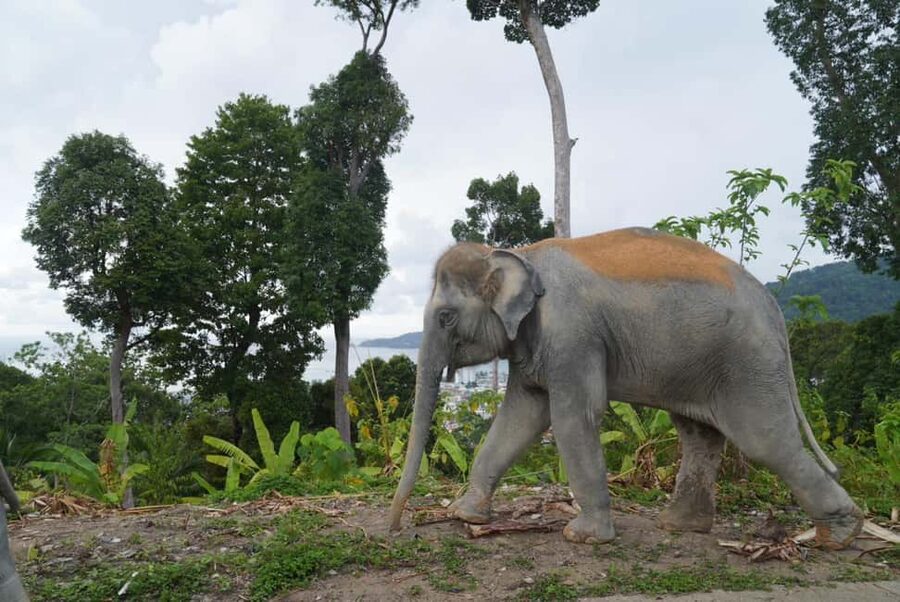
Wear light, comfortable clothing and shoes suitable for walking. A hat, sunscreen, and insect repellent are specifically recommended, and you should bring a camera without using its flash.
Drinking water is included, but you are asked to bring a reused bottle. That is a small way to reduce single-use plastic during the visit.
Keep your voice low around the elephants. Do not reach toward an animal that is moving away, and do not try to create your own interaction. The guide and mahouts control the safe distance and explain how feeding should work.
If you have a strict schedule, allow more time than the 30-minute activity itself for the van journey. Pickup locations and transport depend on the option you select. Meeting point details arrive after booking, so check them before setting out.
The program is conducted in English. If that works for you, you can follow the care explanations and ask questions during the visit. No meal is provided, so combine the experience with your own food plans.
Should you book the Hill Tribe Elephant Village visit?
Book it if you want an ethical, compact elephant encounter with a clear focus on care rather than performance. The herbal vitamin balls, the explanation of mahout traditions, and the ban on forced bathing give the program a thoughtful purpose.
Do not book it expecting hours with the elephants. The 30-minute format is quick, and the experience is best understood as an introduction. At $32, it offers fair value when transport and the educational element fit your plans, but a longer sanctuary program may suit you better if time beside the animals is your priority.
The warm response to guide Mayya and the overall 4.8 rating suggest that the human side of the visit is a major strength. If you want a short activity that leaves you with more respect for elephants and the people who care for them, this is a sensible Phuket choice.
FAQ
How long does the elephant sanctuary activity last?
The guided sanctuary activity lasts 30 minutes. Transfer time can add another 30 minutes depending on the selected option and pickup arrangements.
What is included in the experience?
The activity includes herbal food preparation, elephant feeding, drinking water, and insurance. Round-trip transfers are included only with options that specify transfers.
Are meals included?
No. A meal is not included.
Can I take photographs?
Yes, cameras are allowed. Flash photography is not permitted.
What should I bring?
Bring comfortable walking shoes, a hat, sunscreen, insect repellent, and a camera if desired. You should also bring a reused bottle for drinking water.
Is the activity conducted in English?
Yes. A live English-speaking guide leads the experience.
Can I cancel for a refund?
You can cancel up to 24 hours in advance for a full refund. Reserve now and pay later is also available.
Does the sanctuary force elephants to bathe or play in mud?
No. The sanctuary does not allow forced bathing or mud play. It respects the elephants’ natural behavior and does not permit forced interactions.
Just added in Phuket
- The Upside Down House: Phuket’s Must-See Attraction★ 4.7 · 13 reviews
- Simon Cabaret Phuket Show Included Tickets and Transfer★ 4.4 · 155 reviews
- Siam Niramit Phuket Admission Ticket with Transfer Option★ 4.6 · 49 reviews
- Phuket: White Water Rafting, ATV, and Zipline Adventure★ 3.1 · 35 reviews
- Phuket: Zipline Flying Higher than a Hawk with ATV Option★ 4.7 · 33 reviews
- Phuket:City Tour,Big Buddha, Forest Safari Tiger Park Canopy★ 3.6 · 15 reviews
- Phuket: Fully Customized Night Market Tour★ 4.2 · 18 reviews
- Phuket: Big Buddha View Wat Chalong, Old Town Guided Tour★ 3.6 · 38 reviews
Elephant Sanctuary Tours, compared.
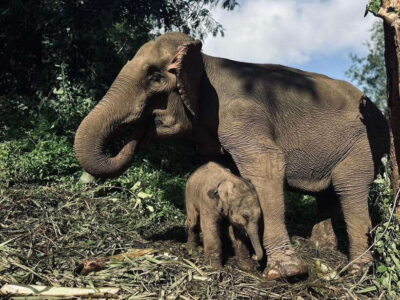
Elephant Sanctuary, Waterfall & Bamboo Rafting
Read our review →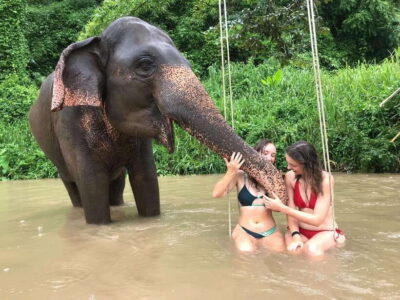

Elephant Sanctuary Feeding Program Half-Day Tour
Read our review →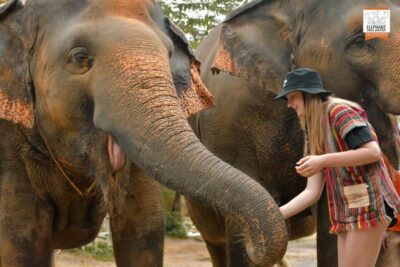
Elephant Jungle Sanctuary Ethical Feeding Experience
Read our review →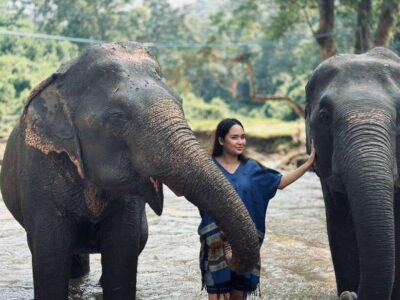
Elephant Sanctuary, Long Neck & Sticky Waterfall
Read our review →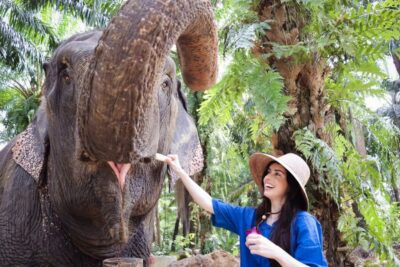
Elephant Bathing Session at Krabi Elephant Shelter
Read our review →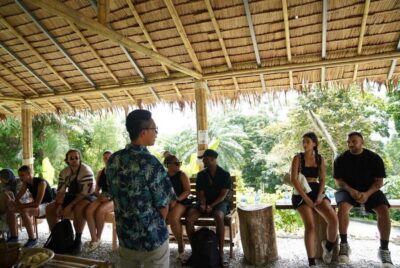
Elephant Sanctuary Guided Tour with Hotel Transfers
Read our review →
Browse the lists this tour appears in