
Reviewed · ELEPHANT SANCTUARY TOURS
Phuket: Bukit Elephant Park Sanctuary Walk and Feed Tour
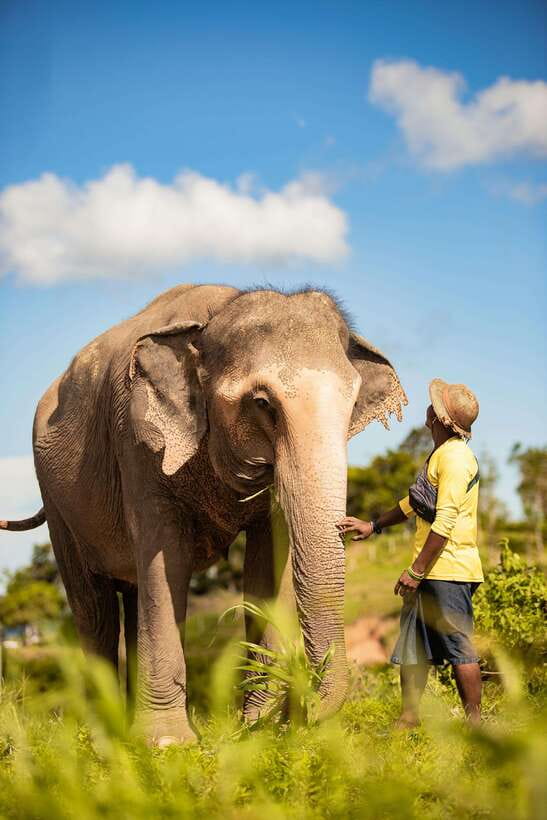
Elephants set the pace here. What makes Bukit Elephant Park appealing is its gentle approach: you feed rescued elephants, watch them walk and eat, and learn about their past without riding or bathing them. I like the chance to prepare fruit-filled rice balls, and I like that the elephants can choose when to approach people. The main consideration is that the first banana-feeding session can feel crowded and hurried.
This is a short, focused experience rather than a full-day outing. For $51 per person, you receive hotel pickup, a live English-speaking guide, two feeding activities, a sanctuary walk, and time for photographs. I also appreciate that the staff explain elephant behavior and allow some animals to remain untouched when that is what they prefer.
The sanctuary’s future location may change because development is planned on the current site. If ethical elephant care matters to you, confirm the feeding program and location before booking, especially if your visit is after March 2026.
In This Review
- Key details at a glance
- Why Bukit’s approach matters
- Pickup from Phuket hotels
- Arrival, drinks, and the sanctuary setting
- First feeding: bananas and elephant manners
- Walking with the elephants and hearing their stories
- Making rice balls with fruit
- What makes the experience ethical, and what remains complicated
- Price, timing, and who gets good value
- The guide makes the difference
- Should you book Bukit Elephant Park?
- FAQ
- How long does the Bukit Elephant Park tour last?
- Is hotel pickup included?
- Can I ride the elephants?
- Can I bathe with the elephants?
- What can I feed the elephants?
- Is the tour suitable for children?
- What should I bring?
Key details at a glance
- Two hands-on feeding moments: Give elephants bananas first, then prepare rice balls mixed with fruit and feed them.
- No riding or bathing: The animals are not used for rides or forced into water activities.
- A 90-minute visit: The advertised guided portion is short, though some people have spent longer at the park.
- Seven pickup zones: Transfers cover Phuket Town, Patong, Karon, Kata, Rawai, Panwa, Kamala, Bang Tao, Koh Sirey, and nearby areas.
- Rescued elephants with individual stories: Guides introduce the animals and explain their former working lives and personalities.
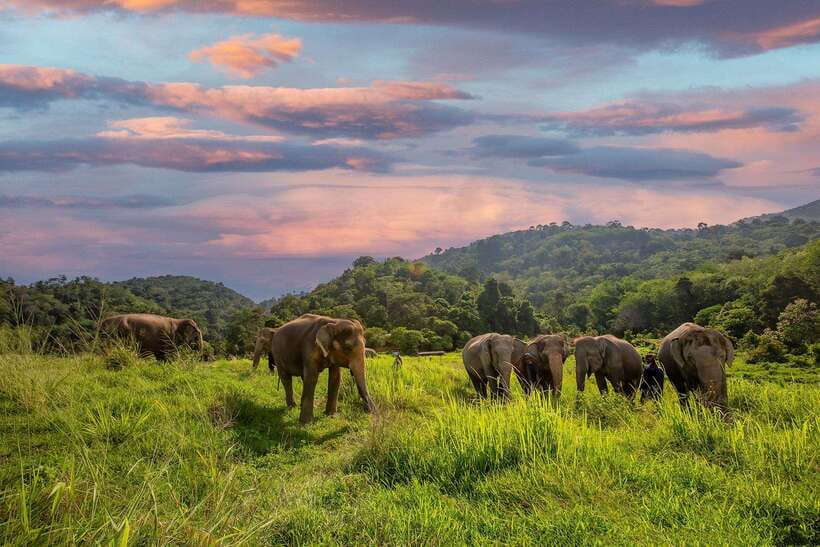
- A calm, welfare-first setting: The elephants roam freely, and touching is allowed only when an animal is comfortable with it.
Why Bukit’s approach matters

Thailand has many elephant activities, but the label sanctuary does not always tell you how the animals are treated. At Bukit Elephant Park, the stated rules are simple: no hurting, no riding, and no bathing with elephants. That gives you a clear ethical framework before you arrive.
I like the fact that the activity is built around watching normal behavior. The elephants eat, walk, and choose how close they want to come. You may see one bathe on its own, but you are not asked to scrub it, pose on it, or turn the animal into a prop.
The guides and mahouts have more than 20 years of experience working with elephants. Their job is not just to bring the animals close for photographs. They explain body language, feeding habits, and each elephant’s background, helping you understand why one animal may welcome contact while another keeps its distance.
That distinction matters. A large animal can look gentle while still needing space. The best part of this visit is that the animal’s comfort comes first, even if that means you only watch from a short distance.
More Elephant Sanctuary Tours in Phuket
- Phuket: Elephant Jungle Sanctuary Ethical Feeding Experience
★ 4.8 · 4,359 reviews - Phuket: Elephant Sanctuary Guided Tour with Hotel Transfers
★ 4.8 · 2,020 reviews - A Morning with the Elephants at Phuket Elephant Sanctuary
★ 5.0 · 1,693 reviews
Pickup from Phuket hotels
Hotel transport is included from a wide range of Phuket areas. The listed pickup choices include Phuket Town, Cape Panwa, Patong Beach, Karon Beach, Koh Sirey, Bang Tao Beach, and Kamala Beach. Additional timing information covers Surin, Ao Por Pier, Kalim, Laem Hin Pier, Kata, Rawai, Nai Harn, and Chalong.
Pickup runs in several time windows. The earliest listed times begin around 7:50 to 8:00 in some areas, with later departures around 9:50 to 10:00 and 12:50 to 13:00. Your exact time depends on your hotel area.
You need to wait in the hotel lobby before the stated time. This is a joined van, so the driver may leave if you are late. Give the operator a WhatsApp number, Thai phone number, or email address so the team can reach you.
The shared van is a practical choice for a 90-minute activity. It keeps the price reasonable and means you do not need to arrange a taxi across Phuket. The tradeoff is that pickup can take longer than a private transfer because other hotels are included.
Several people found the transport punctual and comfortable, with good communication before the tour. One complaint concerned an unsafe-feeling driver on the outward journey, so transport quality may depend on the individual driver. If you are prone to motion sickness, sit where you feel most secure and allow extra time around the pickup window.
Arrival, drinks, and the sanctuary setting
At the park, you may receive tea or coffee before the guided visit begins. Umbrellas and, in wet weather, raincoats and boots have also been provided. These are small touches, but they matter in Phuket, where sun and sudden rain can both shape your day.
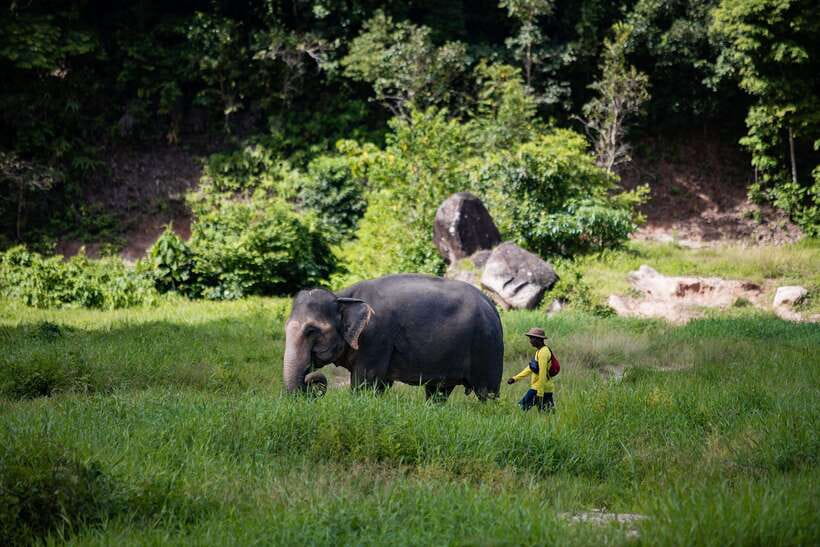
The sanctuary is described as a large, peaceful area where the elephants roam freely. One account refers to about 45 acres, while another describes the park as having no fence in the usual sense. The important point for you is that the animals are not kept in small display pens during the visit.
The setting gives the walk a more natural feel, though this is still a managed visitor experience. Groups gather, guides organize the order of activities, and photographs are part of the program. One person found the arrival scene crowded and the process slightly orchestrated, even while considering the visit worthwhile.
That is a fair expectation. You are not wandering alone through an empty forest. You are joining a scheduled group at a working sanctuary. The value comes from seeing how the animals are cared for and learning their stories, not from pretending you have found a completely private encounter.
First feeding: bananas and elephant manners
The first major activity is feeding each elephant a basket of bananas. This is the most direct way to get close, and it is likely to be the part children remember best.
The guide explains how to hold the food and how to stand near the animals. Elephants may use their trunks to take the bananas, and you can observe how differently each one behaves. Some are eager and direct, while others may be calmer or more reserved.
This is also where the group format matters most. With several people feeding at once, the moment can become busy. One person felt the banana feeding was rushed and that people became a little frantic as they tried to offer food.
I would treat this as a brief introduction rather than the centerpiece of the tour. Keep your hands calm, listen to the guide, and avoid pushing forward for a photograph. The staff’s instructions are there to protect both you and the elephant.
The reward is seeing the animals respond on their own terms. You are close enough to notice the trunk, ears, skin, and movement, but the experience does not ask you to climb onto the elephant or force a pose.
A completely different kind of day out:
- Phang Nga Bay Sea Cave Canoeing & James Bond Island by Big Boat
★ 5.0 · 4,666 reviews - From Phuket: Phang Nga Bay and Canoeing Tour by Big Boat
★ 4.7 · 3,528 reviews - Phi Phi Islands Adventure Day Trip w/ Seaview Lunch by V. Marine
★ 5.0 · 3,295 reviews - Phuket: Paradise Trip ATV Jungle Adventure
★ 4.8 · 3,250 reviews
Walking with the elephants and hearing their stories

After feeding, you walk through the sanctuary while the elephants continue their routine. This is the most thoughtful part of the experience because the animals are not simply brought out for a single trick or photo session.
The guide introduces individual elephants and explains how they arrived at the sanctuary. Many were rescued from difficult working conditions, captivity, abuse, or exploitation. Their previous lives can be upsetting to hear about, but those stories explain why a safe home matters.
Guides also describe the elephants’ personalities. That personal detail changes the way you see them. Instead of one anonymous group of animals, you begin to notice that each has different habits and boundaries.
You may watch them eat, wander, or bathe by themselves. If an elephant does not want to be touched, you are expected to respect that. This is an important test of the sanctuary’s values, and it is one reason I prefer this format to activities that promise constant physical contact.
The scenery provides good photo opportunities, but you should bring patience as well as a camera. The best image may come when an elephant is simply walking, reaching for food, or standing quietly in the trees. Flash photography is not allowed.
Making rice balls with fruit
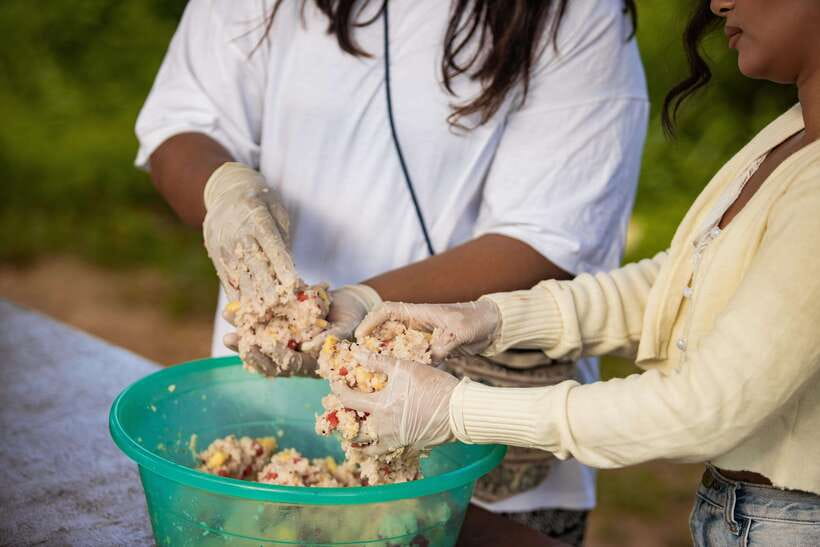
The second feeding activity involves preparing rice balls mixed with the elephants’ favorite fruits. You make the food, then offer it directly to an elephant’s mouth under staff supervision.
This is a more playful activity than the banana baskets. Children often enjoy the preparation because it gives them something to do, and one family specifically found the rice-ball activity fun for a seven-year-old.
It also gives the guide another chance to explain what elephants eat and how to approach them safely. You are not just handing over a snack. You are learning how caretakers use food as part of daily care while keeping the animal’s choice and comfort in mind.
The rice balls are fed by hand, so follow the instructions closely. Keep your fingers together and wait for the elephant to take the food. Do not rush the animal or try to force contact for a picture.
One important note needs attention: a visit in late 2025 included information that the feeding activity could close by March 2026 because it was considered unethical. The current tour description still includes bananas and rice balls, but programs can change. If feeding is the main reason you want to go, confirm what will operate on your date.
What makes the experience ethical, and what remains complicated
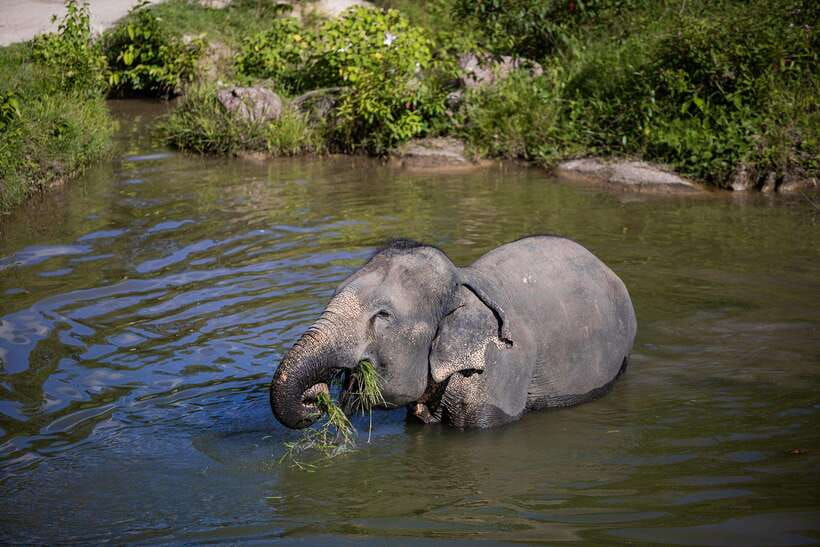
The strongest feature is the refusal to offer riding or bathing with elephants. These activities may look harmless in holiday photos, but they can require control, training, and repeated human contact that do not reflect natural elephant behavior.
Here, you watch the elephants bathe if they decide to do so. You do not enter the water with them. You may touch an elephant that welcomes contact, but some animals are kept at a respectful distance.
That approach does not erase every ethical question. The sanctuary depends on tourism to support its work, and organized feeding still brings people close to the animals. One account says the park is funded only through tourism, while another explains that it is trying to rescue more elephants as suitable land becomes harder to find.
The sanctuary is also facing a major challenge because a hotel is planned for the current site. The elephants may need to move elsewhere. Your ticket can help support the rescue work, but you should check the latest site details before booking.
I would not describe the visit as untouched wilderness. It is a visitor program with a timetable, a group, and planned activities. Still, the welfare rules are stronger than those found at many elephant attractions, and the staff appear to put the animals’ needs ahead of guaranteed physical contact.
Price, timing, and who gets good value
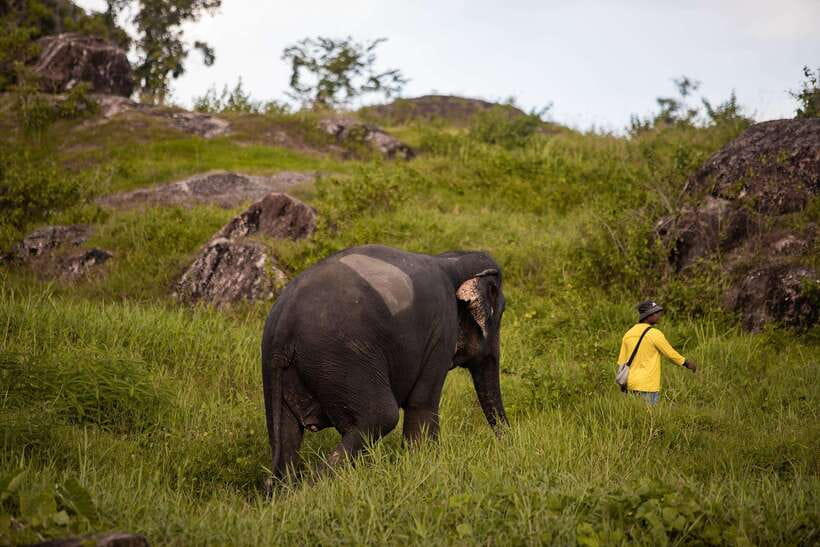
At $51 per person, this is not the cheapest way to spend 90 minutes in Phuket. The price becomes easier to justify when you include hotel transport, a live guide, the banana basket, rice-ball preparation, and support for a rescue facility.
You are also paying for staff who understand the animals and can manage a safe encounter. That matters more than a long list of activities. A cheap elephant photo can carry a high welfare cost, while this visit aims to make your money support care instead.
The advertised duration is 90 minutes, but some people have stayed longer than expected. You should still treat the listed time as the safe planning figure, especially if you have a dinner reservation or another excursion afterward.
This suits you best if you:
- Want an ethical alternative to riding and bathing
- Have children who enjoy supervised animal feeding
- Prefer a short activity with hotel pickup
- Want to learn individual elephant stories
- Care more about observation than constant touching
- Have only a few hours available after arriving in Phuket
It may not suit you if you want a private encounter, dislike group scheduling, or expect a full meal at the park. A cafe or dining facility is not included, so bring water and consider eating before or after the visit.
Pregnant women are listed as unsuitable for this activity. Baby strollers, drones, electric wheelchairs, alcohol, drugs, and intoxication are not allowed. Wear comfortable shoes, bring a sun hat, insect repellent, water, and a camera.
The guide makes the difference
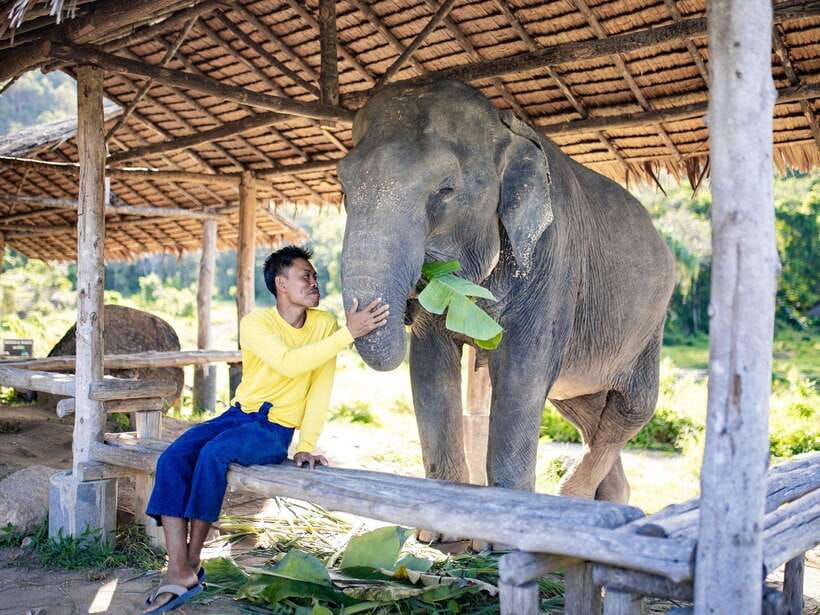
The guide is central to the visit. A good explanation turns feeding into a lesson about elephant behavior rather than a quick photo stop.
Several guides have been praised by name. Siri is described as friendly and well informed about the elephants, while Jamie is credited with explaining how the animals reached the park. Other visitors found the female guides warm, clear, and willing to answer questions.
The tour is offered in English. You can expect information about elephant habits, past treatment, individual personalities, and rules for safe interaction. Ask questions as you go, especially if you want to understand why one elephant can be touched while another cannot.
The mahouts and caretakers also help keep the encounter calm. Their role is especially important during feeding, when visitors may become excited. Listen to them rather than focusing only on getting the closest photograph.
Should you book Bukit Elephant Park?
I would book this tour if your priority is seeing elephants in a setting that rejects riding and forced bathing. The two feeding activities make it accessible for families, while the guided walk and personal stories give adults something more meaningful than a quick animal encounter.
Go with realistic expectations. The first banana feeding may feel busy, the visit is organized for groups, and the current sanctuary site may be changing. Confirm the location and whether feeding remains part of the program if you are booking after March 2026.
For $51, you receive a short but purposeful visit with transport and a clear welfare policy. If you want to support rescued elephants while allowing them to walk, eat, and choose their own level of contact, Bukit is a strong Phuket option.
FAQ
How long does the Bukit Elephant Park tour last?
The guided activity lasts 90 minutes. Some people have spent longer at the sanctuary, but you should plan around the advertised 1.5-hour duration.
Is hotel pickup included?
Yes. Pickup is included from listed Phuket areas such as Phuket Town, Patong Beach, Karon Beach, Cape Panwa, Koh Sirey, Bang Tao Beach, Kamala, Kata, Rawai, Nai Harn, and Chalong.
Can I ride the elephants?
No. Elephant riding is not offered and is specifically prohibited as part of the activity.
Can I bathe with the elephants?
No. Bathing with elephants is not included. You may see an elephant bathe independently, but visitors do not enter the water with the animals.
What can I feed the elephants?
You receive a basket of bananas and later prepare rice balls mixed with fruit. Feed the elephants only as directed by the guide.
Is the tour suitable for children?
The experience has been enjoyed by families, including children aged three and six. Children must follow staff instructions around the elephants.
What should I bring?
Bring comfortable shoes, a sun hat, water, insect repellent, and a camera. Flash photography is not allowed. A raincoat or boots may be supplied if the weather is wet.
Just added in Phuket
- The Upside Down House: Phuket’s Must-See Attraction★ 4.7 · 13 reviews
- Simon Cabaret Phuket Show Included Tickets and Transfer★ 4.4 · 155 reviews
- Siam Niramit Phuket Admission Ticket with Transfer Option★ 4.6 · 49 reviews
- Phuket: White Water Rafting, ATV, and Zipline Adventure★ 3.1 · 35 reviews
- Phuket: Zipline Flying Higher than a Hawk with ATV Option★ 4.7 · 33 reviews
- Phuket:City Tour,Big Buddha, Forest Safari Tiger Park Canopy★ 3.6 · 15 reviews
- Phuket: Fully Customized Night Market Tour★ 4.2 · 18 reviews
- Phuket: Big Buddha View Wat Chalong, Old Town Guided Tour★ 3.6 · 38 reviews
Elephant Sanctuary Tours, compared.
Elephant Sanctuary, Waterfall & Bamboo Rafting
Read our review →
Elephant Sanctuary Feeding Program Half-Day Tour
Read our review →
Elephant Jungle Sanctuary Ethical Feeding Experience
Read our review →
Elephant Sanctuary, Long Neck & Sticky Waterfall
Read our review →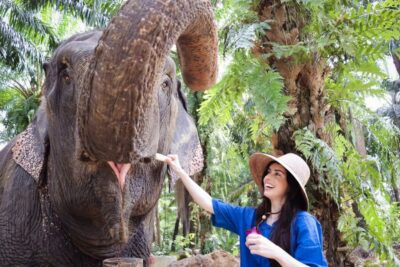
Elephant Bathing Session at Krabi Elephant Shelter
Read our review →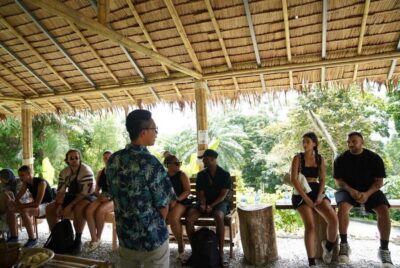
Elephant Sanctuary Guided Tour with Hotel Transfers
Read our review →
Browse the lists this tour appears in