
Reviewed · THAI COOKING CLASSES
Krabi: Traditional Thai Cooking Class
Thai food begins with the right balance. This Krabi class helps you find it, one curry paste and wok at a time. I like the small groups of up to eight and the freedom to choose dishes, especially when you want to focus on Pad Thai, green curry, mango sticky rice, or something less familiar. The class is also practical: you eat what you cook and receive recipes for home. The main consideration is heat, since the cooking stations can feel warm in Thailand, and the number of dishes may vary by time slot.
You get roughly three and a half hours with an English-speaking instructor who explains the herbs, spices, and basic methods behind Thai cooking. I also like that vegetarian and non-spicy versions are available. Come hungry, though. The portions can add up quickly, and you may find yourself packing food for later.
In This Review
- Key points at a glance
- Why this Krabi cooking class is worth your morning or evening
- The ride from Ao Nang to the cooking school
- Morning cooking: curry, soup, and classic wok dishes
- Afternoon cooking: curry pastes, som tam, and mango sticky rice
- The 2:00 PM class for a flexible late lunch
- Evening cooking: an easy start to Thai cuisine
- What the cooking itself feels like
- Choosing dishes without creating too much food
- The food, portions, and take-home recipes
- Price, group size, and overall value
- Who should book this class
- Should you book the Krabi Thai cooking class?
- FAQ
- Where does the cooking class take place?
- Is hotel pickup included?
- How long does the experience last?
- How many dishes can I choose?
- Can the dishes be vegetarian or non-spicy?
- What dishes are available?
- What should I bring?
Key points at a glance
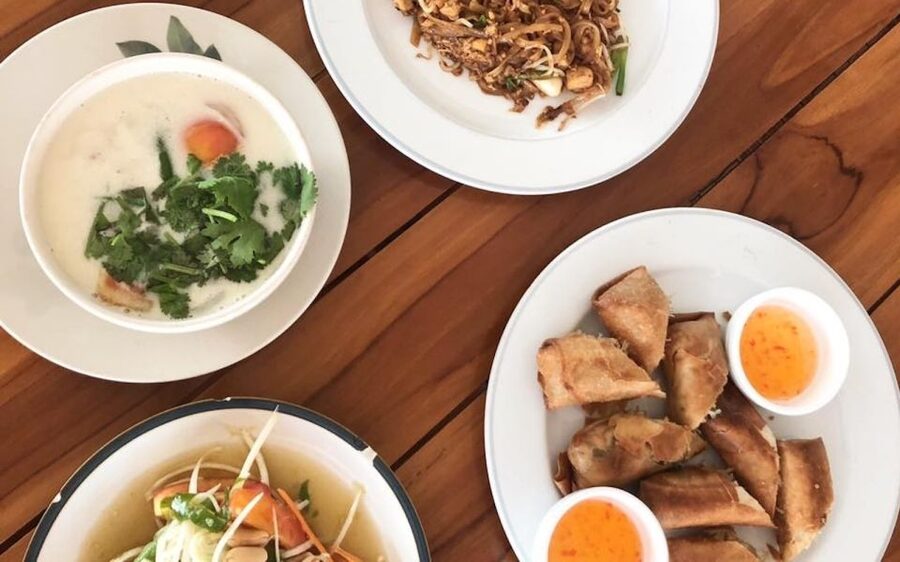
- Choose your own menu: Select from curries, noodles, salads, stir-fries, soups, and desserts, with the choices changing by class time.
- Cook at your own station: Individual gas-fired woks give you hands-on control rather than a demonstration-only lesson.
- Learn the ingredients: The instructor explains the herbs, curry pastes, spices, and flavor balance used in Thai food.
- Small-group setting: With no more than eight participants, the class feels personal and avoids a crowded kitchen.
- Useful take-home value: You receive recipe guidance, and some sessions also provide a cookbook with additional dishes.
- Ao Nang pickup included: Hotel transfer is included from Ao Nang hotels, while Klong Muang, Tubkaek, and Railay require an extra fee.
Why this Krabi cooking class is worth your morning or evening
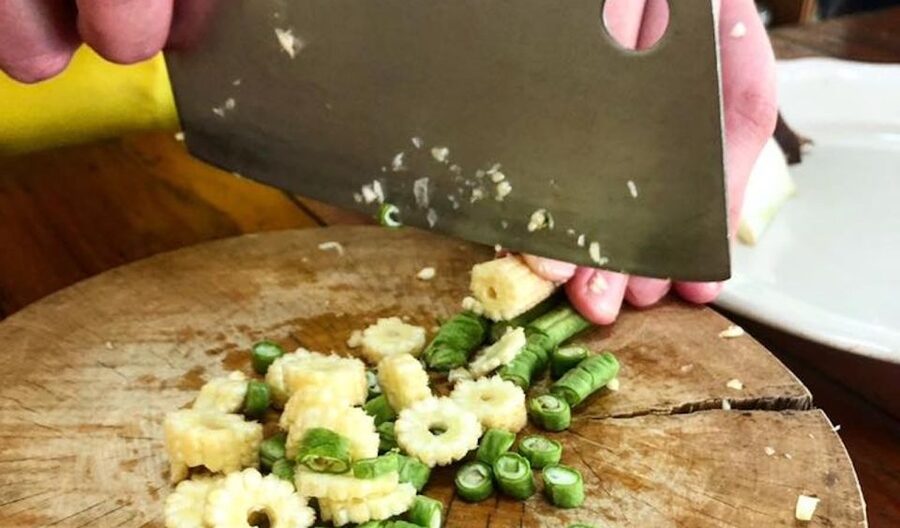
A Thai cooking class is a good break from the usual Krabi routine of beaches, boat trips, and sunset drinks. You still get a distinctly local experience, but the focus is active. You are not simply watching someone prepare a meal. You are chopping, seasoning, stirring, tasting, and learning what each ingredient contributes.
The strongest part of this class is its balance between instruction and freedom. The teacher guides you through each dish, but you choose what you want to prepare from a menu. That matters because Thai cooking covers a wide range of flavors. You can choose creamy coconut curries, sharp papaya salad, sweet mango sticky rice, fiery soup, or familiar Pad Thai.
The class also makes Thai food feel less mysterious. Ingredients such as curry paste, Thai basil, coconut milk, mint, morning glory, and the herbs used in tom yam can seem difficult to handle at home. Here, the instructor explains what they do and how they fit together. You leave with techniques that are more useful than a single meal.
More Thai Cooking Classes in Krabi
- Krabi: Traditional Thai Cooking Class with Local Chef
★ 4.9 · 537 reviews - Krabi: Cooking Class at Thai Charm Cooking School with Meal
★ 4.9 · 430 reviews - Ao Nang: Authentic Thai Local Cooking Class
★ 4.8 · 291 reviews
The ride from Ao Nang to the cooking school
The experience begins with pickup from an Ao Nang hotel. The listed pickup areas include Nong Thale, 102 Panurat, and Ao Nang, followed by a car ride to the cooking class and a return transfer afterward.
Included pickup is specifically for hotels in Ao Nang. If you are staying in Klong Muang, Tubkaek, or on Railay, you should expect an additional charge. One participant arranged collection from Tubkaek for 600 baht, which gives you a useful idea of how extra transfers may be handled, but confirm the current fee before booking.
The transfer is not the star of the experience, but it removes a practical nuisance. You do not need to find the school yourself, and a return ride is included for the main Ao Nang pickup area. Bring comfortable clothes and shoes, not luggage or a large bag. This is a working kitchen, not a place to store bulky belongings.
Morning cooking: curry, soup, and classic wok dishes
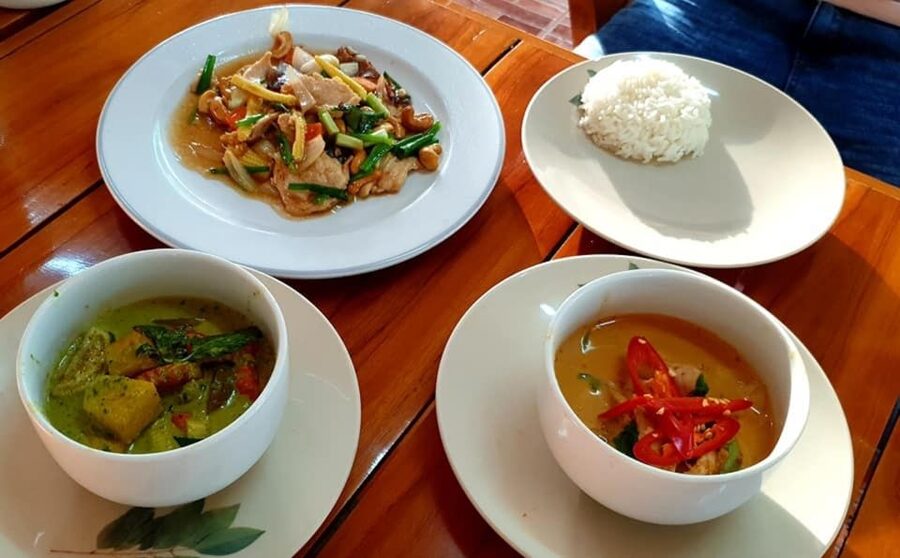
The 9:00 AM class offers a particularly good menu for anyone who wants a broad introduction to Thai cooking. The choices include Massaman curry, red curry chicken with vegetables, spicy prawn soup, chicken mint salad, Pad Thai, chicken with cashew nuts, sweet and sour chicken or vegetables, and fried rice with chicken or vegetables.
I would choose this time slot if you want to understand several different cooking styles. Massaman curry introduces a mellow, aromatic curry profile, while red curry brings a stronger chili character. Tom yam goong, the spicy prawn soup, shows how Thai food can balance hot, sour, salty, and fragrant notes in one bowl.
Pad Thai and fried rice are familiar starting points, but they are still useful dishes to learn in Thailand. The real lesson is often in timing and seasoning, not in complicated equipment. Stir-fried chicken with cashew nuts and sweet and sour vegetables give you two more simple home-cooking options.
The morning schedule does not include mango sticky rice, green curry, Panang curry, or tom kha kai. If one of those dishes is your main goal, choose a later session instead. The menu can vary slightly, so check the available choices for your date.
Afternoon cooking: curry pastes, som tam, and mango sticky rice
The 1:00 PM class has one of the widest menus. You can choose spring rolls, mango sticky rice, curry pastes, green curry, Panang curry, Pad Thai, tom kha kai, Thai basil chicken, papaya salad, or stir-fried morning glory.
This is a strong choice if dessert matters to you. Mango sticky rice is not difficult to appreciate, but making it yourself helps you understand the sweet coconut flavor and the texture of the rice. It also gives the class a pleasant finish after the savory dishes.
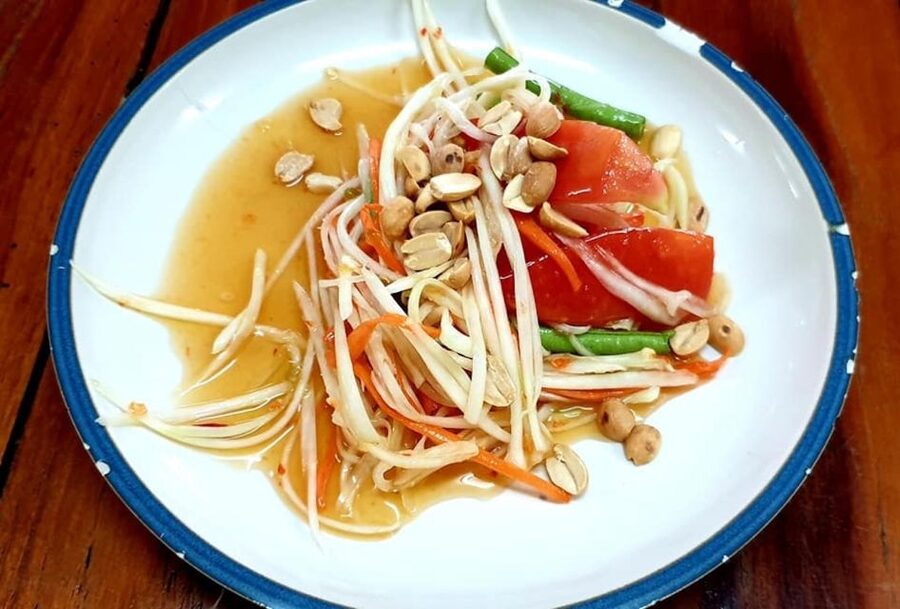
The menu covers several essential Thai categories. Green curry and Panang curry are both coconut-based, but they offer different flavor directions. Tom kha kai, chicken in coconut milk, is gentler and creamier than tom yam. Som tam adds crunch, acidity, and chili, while morning glory makes a fast vegetable dish.
Spring rolls are another useful choice for home cooking, though you should consider how much food you want to prepare. Participants often cook more food than they can finish during the session. The instructor may provide containers for leftovers, but this is not guaranteed in the formal inclusions, so think of that as a possible convenience rather than a promise.
A completely different kind of day out:
- Krabi: Premium 4-Island Day Trip by Longtail Boat with Lunch
★ 4.5 · 4,812 reviews - Krabi: Hong Islands Day Trip by Speedboat with Lunch
★ 4.5 · 3,952 reviews - Krabi: Tiger Cave Temple, Emerald Pool and Hot Springs Tour
★ 4.8 · 3,616 reviews - Krabi: 7 Islands Sunset Tour with Buffet Dinner & Snorkeling
★ 4.3 · 2,916 reviews
The 2:00 PM class for a flexible late lunch
The late afternoon session begins at 2:00 PM and includes curry pastes, green curry, Panang curry, Pad Thai, som tam, tom kha kai, and Thai basil chicken.
This schedule is a good fit if you want to keep your morning free for the beach or another Krabi activity. It is also a smart choice for people who prefer a later meal. The class lasts about three and a half hours, so you should plan your day around a substantial late lunch and early dinner.
The menu is smaller than the 1:00 PM selection. You will not find spring rolls, mango sticky rice, or morning glory listed for this time. If you want a dessert or vegetable side, check the exact menu before paying.
One practical tip: do not eat a large meal just before this class. You will be tasting and eating throughout the session, and the food output can be surprisingly generous. A light breakfast is a better plan.
Evening cooking: an easy start to Thai cuisine
The 6:00 PM class includes curry pastes, green curry, Panang curry, Pad Thai, papaya salad, tom kha kai, Thai basil chicken, stir-fried morning glory, and mango sticky rice.
This is the best option if you want a cooking activity after a day of sightseeing. It also has a pleasing menu balance. You can prepare a curry, noodle dish, salad, vegetable dish, and dessert in the same class, depending on your choices.
The evening menu does not include the morning class specialties such as Massaman curry, tom yam goong, or chicken with cashew nuts. It leans toward well-known Thai favorites and dishes that are practical to recreate at home.
Because the class runs into the evening, the heat from the wok may feel less intense than it would earlier in the day, though the cooking area can still be warm. Fans are available, but wear light, comfortable clothing and shoes that you can stand in safely.
What the cooking itself feels like
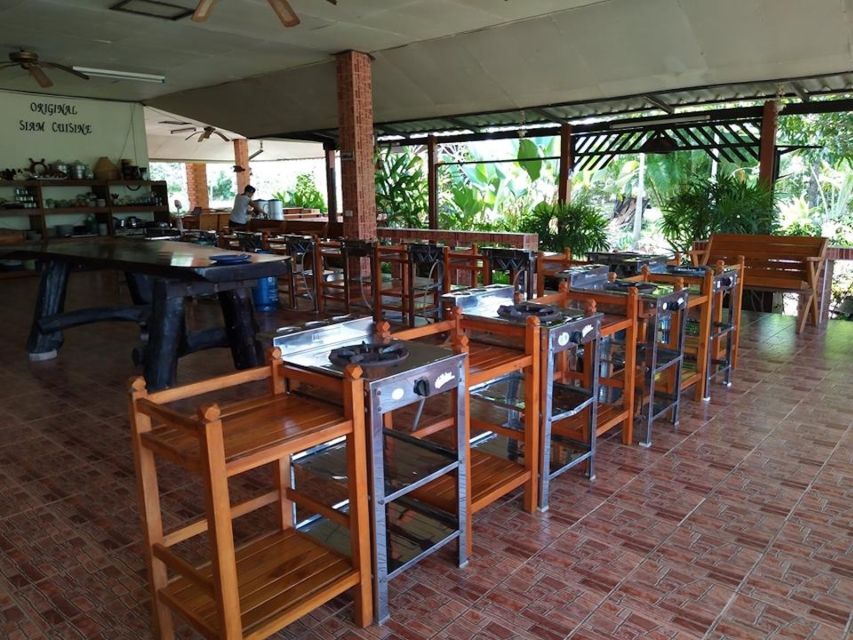
The class is hands-on. Each participant works at an individual gas-fired wok station, which gives you more control than standing behind a single shared cooking area. You can see how ingredients react to heat and learn when to add each component.
That setup also keeps the class organized. With a maximum of eight people, the instructor can explain the steps without making you wait too long for attention. It is not a private lesson by default, but the group is small enough to ask questions and get help.
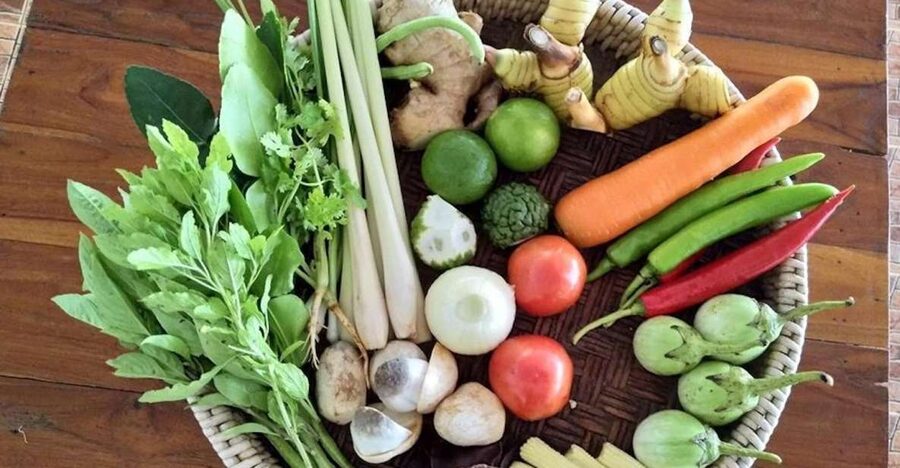
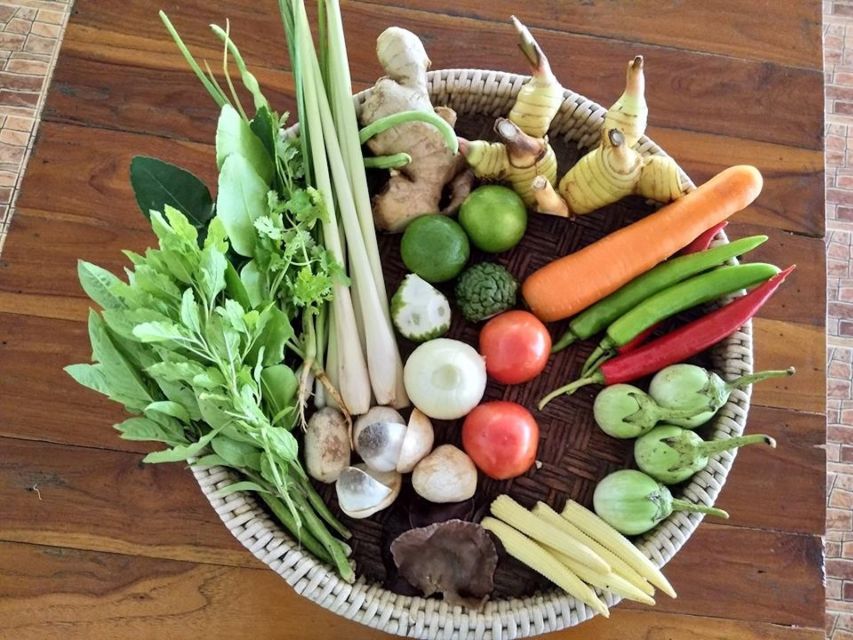
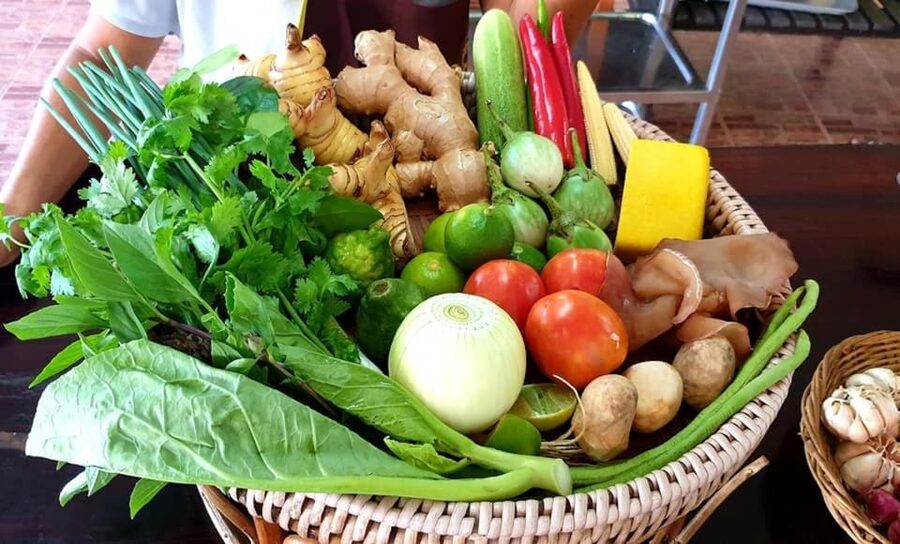
The instructor covers Thai herbs, spices, and ingredients before guiding you through the recipes. This is where the experience gains much of its value. A recipe may tell you to add curry paste or Thai basil, but a teacher can explain how much to use, what flavor to expect, and what substitutions work.
English is the teaching language. The instruction has been described as clear and easy to follow, even when the pace is brisk. If Siam is leading your class, you can expect a lively, friendly teaching style and clear explanations. The exact instructor may differ by date and time.
The cooking kitchen is kept clean and well stocked, according to the experience details provided. Aprons, cooking equipment, and raw ingredients are included, so you do not need to bring supplies.
Choosing dishes without creating too much food
The formal description says you choose four dishes per person. Several participants have prepared six dishes, so the actual number may depend on the session, group arrangements, or the current format.
That difference is worth checking before you book. If you are excited to cook as much as possible, a six-dish session offers excellent value. If you want a slower lesson, four dishes may be more comfortable, especially in Thailand’s heat.
You may be able to choose vegetarian versions of the dishes, and all dishes can be made non-spicy. Tell the instructor your preferences early. Thai food is not automatically hot, but chili can easily become the loudest flavor if you do not set your preferred heat level.
The best strategy is to build a varied menu. For example, choose one curry, one stir-fry, one noodle or salad dish, and one dessert if the schedule permits. Avoid choosing four dishes that all use similar techniques, unless you are specifically trying to master curries or wok cooking.
The food, portions, and take-home recipes
You eat your own creations during the class, which makes the meal part of the lesson. You can taste the result while the steps are still fresh in your mind and see how small changes affect the final dish.
Portions are generous enough that you may not finish everything. Some participants have taken food back to their hotel in takeaway containers. Again, that depends on what the class provides, but you should not arrive after a heavy breakfast or lunch.
A recipe booklet is one of the most useful extras. In some sessions, it includes the dishes you prepared as well as additional Thai recipes. That turns the class into something more than a one-time meal. You can use the booklet to recreate the dishes for friends and family after returning home.
The recipes are described as manageable for home cooks. You may need to find substitutes for certain herbs or vegetables at home, but the lesson about flavor balance still carries over. The instructor also gives practical preparation tips, which are often more valuable than exact measurements.
Price, group size, and overall value
At $57 per person, this is not the cheapest meal you will buy in Krabi. It is also not simply a meal. You are paying for transport from Ao Nang, ingredients, equipment, an apron, instruction, several prepared dishes, and recipes to take home.
The value improves if you take full advantage of the class. Choose dishes you genuinely want to learn, ask about unfamiliar ingredients, and pay attention to the techniques rather than rushing toward the eating part. If you only want to sample Thai food, a local restaurant will cost less. If you want a useful activity and a skill you can carry home, the price is reasonable.
The small group helps justify the cost. A class capped at eight feels more personal than a large demonstration, and individual cooking stations give you real practice. Private classes may sometimes happen when few people book, but you should treat that as luck, not a guaranteed feature.
Free cancellation is available up to 24 hours before the start time, and you can reserve now and pay later. Those terms help if your Krabi plans are still shifting.
Who should book this class
I would recommend it most strongly to adults and older children who enjoy cooking or want a break from passive sightseeing. Children under 12 are not permitted, so families with younger children should choose another activity.
It suits beginners because the instructor gives clear step-by-step guidance. You do not need to arrive with cooking experience. It also suits confident home cooks because you can ask about curry pastes, ingredient substitutions, and ways to reproduce the dishes outside Thailand.
Vegetarians and people who prefer mild food can take part. The instructor can adapt every dish to be vegetarian or non-spicy, though you should communicate those needs clearly before cooking begins.
This may be less suitable if you dislike heat, standing at a cooking station, or eating a large meal in the middle of an activity. The class is practical rather than polished. Expect food preparation, warmth from the woks, and a full stomach.
Should you book the Krabi Thai cooking class?
Book it if you want to understand why Thai food tastes the way it does, not just eat another plate of Pad Thai. The small group, individual woks, flexible menu, friendly English instruction, and recipe booklet make this one of the better hands-on food activities around Ao Nang.
Before booking, check the menu for your preferred start time and confirm whether your class includes four or six dishes. If you stay outside Ao Nang, ask about the transfer fee. With those details settled, this is a practical, filling, and good-value experience for anyone who wants to bring a little Thai cooking home.
FAQ
Where does the cooking class take place?
The experience takes place in Krabi Province, Thailand. Pickup locations include Nong Thale, 102 Panurat, and Ao Nang, followed by transport to the cooking class.
Is hotel pickup included?
Pickup and drop-off are included from hotels in Ao Nang. An additional fee applies for pickup from Klong Muang, Tubkaek, and hotels on Railay.
How long does the experience last?
The cooking class lasts approximately three and a half hours. Available starting times include 9:00 AM, 1:00 PM, 2:00 PM, and 6:00 PM, depending on availability.
How many dishes can I choose?
The class information says each person chooses four dishes. Some class sessions have prepared six dishes, so confirm the current format and menu for your selected time.
Can the dishes be vegetarian or non-spicy?
Yes. All dishes can be prepared as vegetarian or non-spicy options to suit your preference.
What dishes are available?
The menus can include Pad Thai, green curry, Panang curry, Massaman curry, red curry, tom yam goong, tom kha kai, papaya salad, Thai basil chicken, stir-fries, spring rolls, curry pastes, and mango sticky rice. Options vary by time slot.
What should I bring?
Wear comfortable shoes and comfortable clothes. Luggage and large bags are not allowed.
Just added in Krabi
- Krabi: Railay Beach Bioluminescent Plankton Ferry Cruise★ 3.7 · 60 reviews
- Railay: Hands-On Thai Cooking Class at Railay Beach★ 4.9 · 30 reviews
- Krabi:Day Trip 4 Islands by Premium Longtail Boat with Lunch★ 4.2 · 12 reviews
- Krabi: Zipline, ATV & Top Rope Climbing Experience★ 4.9 · 78 reviews
- Krabi: Ya’s Cookery Late Afternoon Thai Cooking Class★ 4.7 · 35 reviews
- Krabi: Unveiling Thai Flavors by Night at Smart Cook School★ 4.8 · 9 reviews
- Krabi: Ultimate Phi Phi & Maya Bay Ascent by Speedboat★ 4.2 · 16 reviews
- Krabi: Ziplining with Abseiling and Rock Climbing Options★ 4.9 · 147 reviews
Thai Cooking Classes, compared.
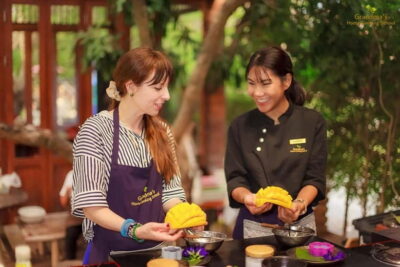
Half-Day Thai Cooking Class at Organic Farm in Chiang Mai
Read our review →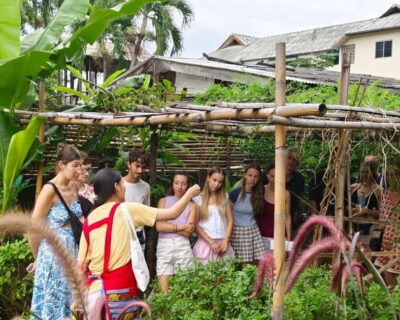
Cooking Class, Market & Thai Herbs Garden Tour
Read our review →Authentic Cooking Class with Market & Farm Visit
Read our review →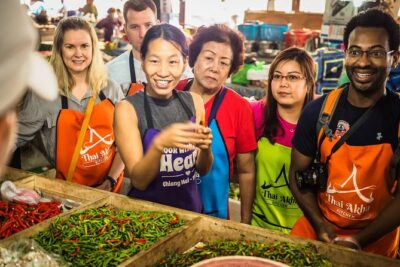
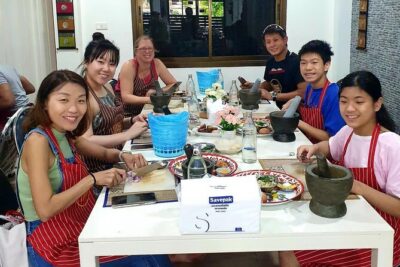
Phuket Thai Cooking Class with Market Tour Option
Read our review →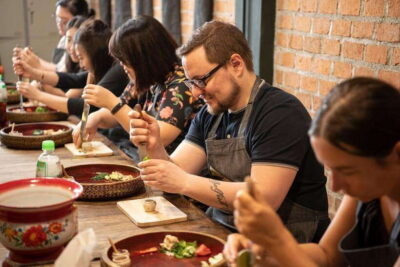

Tingly Thai Cooking School Half-Day Cooking Class
Read our review →Browse the lists this tour appears in