
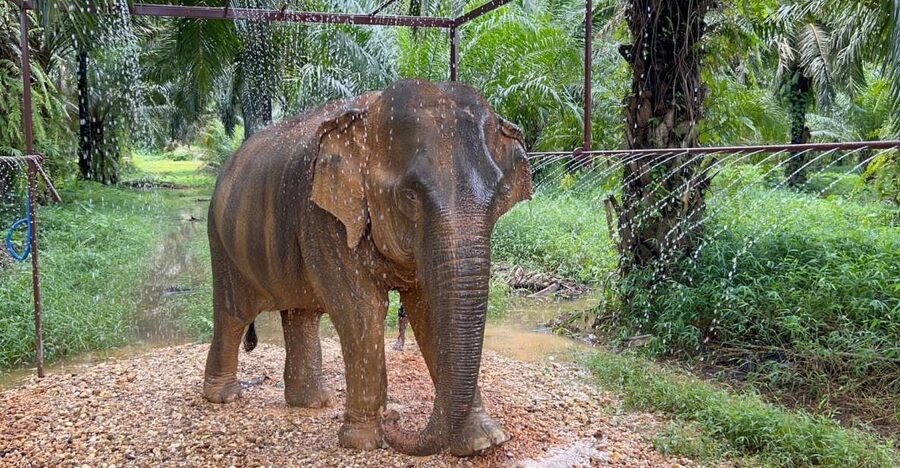
Reviewed · ELEPHANT SANCTUARY TOURS
Khao Sok: Ethical Elephant Sanctuary Visit
Elephants set the pace here. This two-hour visit near Khao Sok focuses on preparing food, watching the animals behave naturally, and learning why elephant welfare matters. I especially like the hands-on nutrition lesson and the chance to scratch an elephant’s back only when it is comfortable. The $41 price also includes transport from the Khao Sok area, water, and the elephant activities.
The main consideration is time. The advertised visit lasts two hours, but some programs have run closer to three and a half hours when feeding, walking, bathing, and river cleaning were included. Pickup is limited to the Khao Sok area, so you cannot use this service as a day trip from Phuket. Bring a sun hat, sunscreen, sunglasses, and a towel or swimsuit if you hope to enter the water.
In This Review
- Key points at a glance
- What this Khao Sok elephant visit is really about
- Cutting banana and orchard plants for elephant food
- Feeding elephants and learning their behavior
- Quiet time in the shade
- Mud bathing and river cleaning
- Meeting Dan and hearing the conservation story
- Is two hours enough?
- Transport and where this activity works best
- What the $41 price buys you
- Who should book this experience?
- Practical tips for a better visit
- Should you book the Khao Sok Ethical Elephant Sanctuary Visit?
- FAQ
- How much does the Khao Sok elephant sanctuary visit cost?
- How long does the elephant visit last?
- Is transportation included?
- Where is pickup available?
- Can I be picked up from my Phuket hotel?
- Is lunch included?
- What languages are available?
- What should I bring?
- Can I cancel the booking?
Key points at a glance
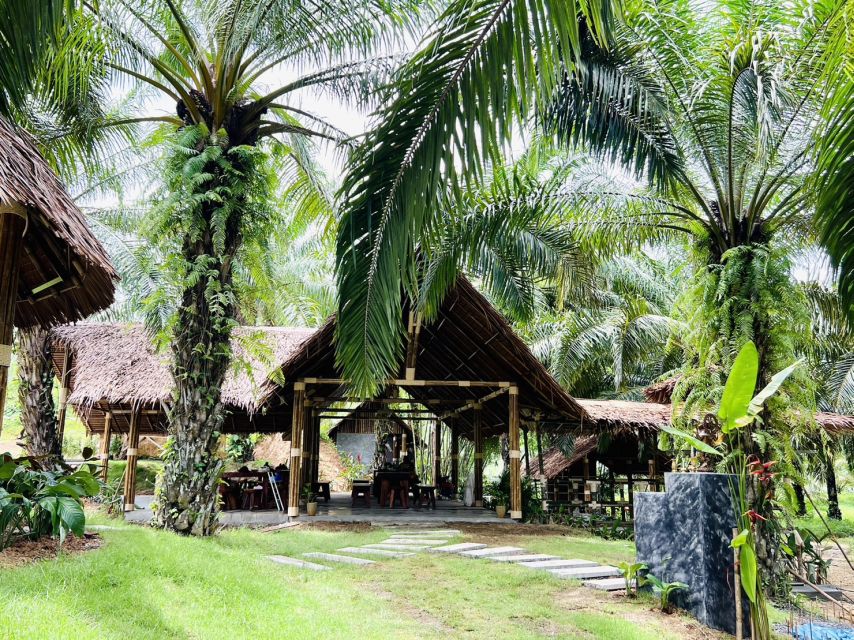
- Food starts with the forest and orchard: You help cut banana and orchard plants used to prepare food for the elephants.
- The elephants are allowed to choose: The care team explains that animals are not forced to walk, bathe, or interact.
- A small-group feel is possible: One visit had only four people, giving each person more time with the elephant.
- Hands-on care has a purpose: Feeding, scratching, mud bathing, and river cleaning are presented as care rather than tricks.
- Dan adds personal context: The owner explains his family’s elephant background and the center’s conservation aims.
- The setting rewards patience: You spend time watching the elephants play from a shaded area, not only posing for photos.
What this Khao Sok elephant visit is really about
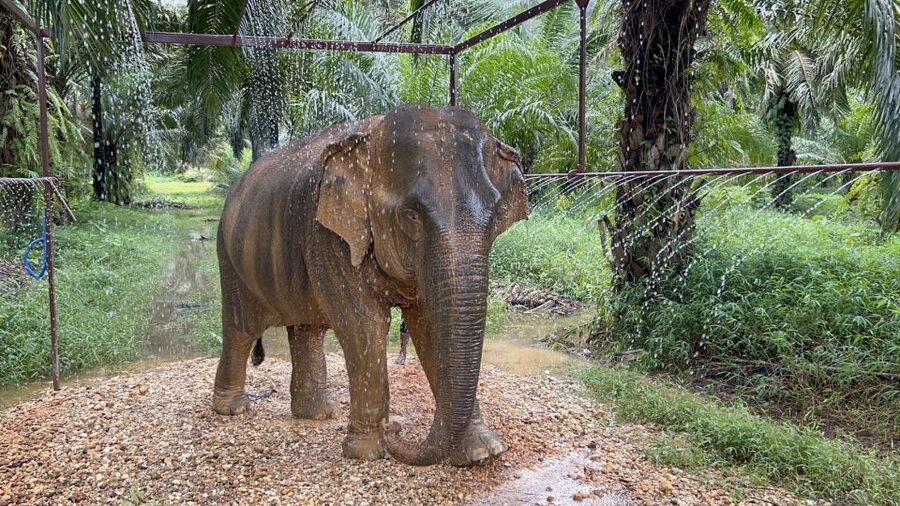
This is not a standard elephant show. There are no performances listed, and the focus is not on riding. Instead, you help prepare food, feed the elephants, watch their behavior, and learn about the problems facing domesticated elephants in Thailand.
That difference matters. An elephant encounter can look gentle on the surface while still asking an animal to perform on command. Here, the stated approach is to let the elephants move at their own pace. The staff explain that an elephant may choose whether to walk, bathe, or take part in close contact.
I like that the visit makes you slow down. You are not simply handed a basket of bananas, given a quick photograph, and sent away. The food preparation gives you a small window into daily care, while the quiet observation period lets you watch the elephants doing ordinary elephant things.
The program is offered by Bigcountry Andaman and costs $41 per person. For Khao Sok, that is a fair price if you value a short, guided conservation visit with transport and hands-on activities. It is less attractive if you are looking only for a quick photo opportunity, since the educational side takes up much of the experience.
More Elephant Sanctuary Tours in Thailand:
- Chiang Mai: Elephant Sanctuary, Waterfall & Bamboo Rafting
★ 4.9 · 9,160 reviews - Chiang Mai: Elephant Sanctuary & Waterfall Group Tour
★ 4.9 · 5,780 reviews - Chiang Mai: Elephant Sanctuary Feeding Program Half-Day Tour
★ 4.8 · 4,527 reviews
Cutting banana and orchard plants for elephant food
The visit begins with a practical task: collecting food. You help sustainably cut banana and orchard trees, with ingredients coming either from the orchard or a nearby community forest.
That detail gives the activity a useful local link. The food is not treated as a prop for tourists. It comes from sources connected to the center and nearby residents, with the aim of contributing income to the local community. You also learn that feeding an elephant is not just a matter of offering any fruit within reach. Healthy nutrition is part of proper care.
This first step may sound simple, but it changes how you see the rest of the visit. When you later offer bananas, sugar cane, or prepared treats, you understand that food is one part of a larger care routine.
The food preparation can include protein balls for the elephants. That is a fun activity, but it also gives the guide a reason to explain what a healthy elephant diet looks like. I would pay close attention here, since this is one of the parts that separates an educational visit from a quick animal encounter.
You should expect outdoor conditions. The supplied advice is sensible: wear sunscreen, sunglasses, and a sun hat. Thailand’s heat can make a short activity feel longer, especially when you are standing near open feeding areas.
Feeding elephants and learning their behavior
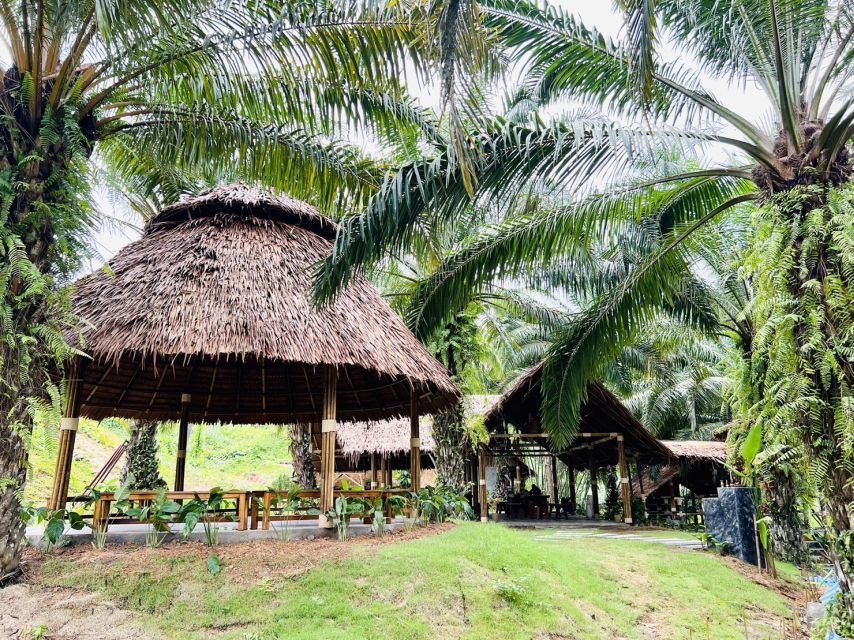
Once the food is ready, you get closer to the elephants. Feeding is one of the clearest highlights, and you may offer bananas and sugar cane directly to an elephant.
The best part is not simply holding out food. It is learning how the animals behave before you approach. The guide explains what the elephants need, how they respond, and when to give them space. That information helps you avoid treating the animal like a large, friendly household pet.
Some visits allow you to walk with an elephant. The important point is that the animal is meant to lead the interaction. If it wants to pause, wander, or ignore the group, that is part of the experience. You should not expect a perfectly timed animal encounter.
One past group had only four people, which created more personal time with the elephant. Group size may vary, so I would not assume every departure will be that small. Still, the activity is designed around direct contact rather than watching from a distant platform.
You may also get to scratch an itchy place on an elephant’s back. This sounds like a small moment, but it is a good example of contact with a practical purpose. The animal cannot easily reach every part of its body, so gentle scratching can be useful when the elephant accepts it.
Quiet time in the shade
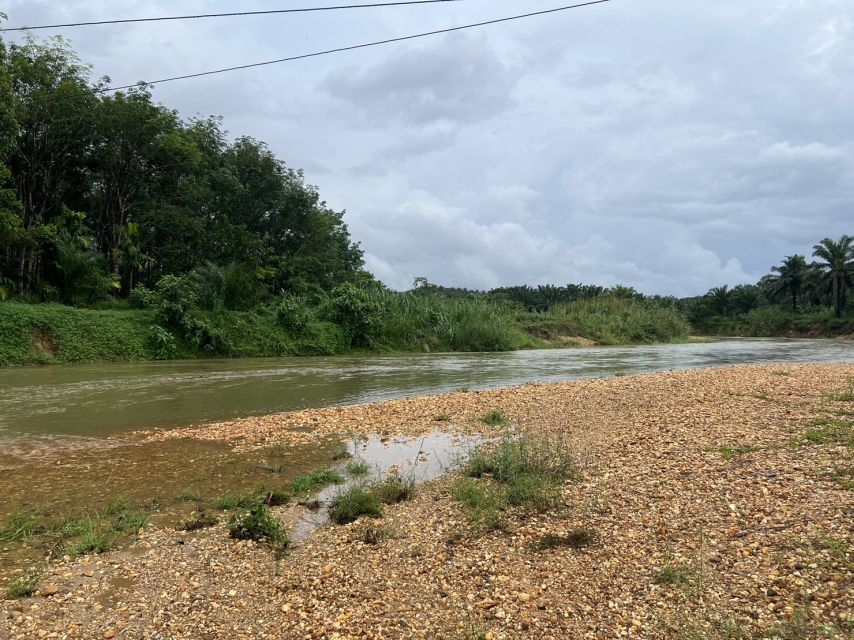
Not every meaningful moment involves touching an elephant. The program includes time to sit in the shade and watch the animals play.
I consider this one of the strongest features. Many animal attractions keep people moving from one photo stop to the next. Here, the slower pause gives you time to notice how the elephants interact, move, and react to one another.
The shaded break is also welcome in the heat. You can rest while the elephants carry on nearby, rather than spending the full two hours standing in the sun. Bring water, although water is included in the price.
This part may feel less exciting to children or anyone expecting constant action. For me, that is exactly why it has value. If you are willing to watch quietly, you get a better sense of the elephants as animals with their own habits, not as performers waiting for instructions.
A few more options to weigh up in Thailand
- Koh Samui: Phetch Buncha Boxing Stadium Muay Thai Ticket
★ 4.8 · 789 reviews - Samui Zipline FLY & Fun Tree Bridge Jungle Cafe & Waterfall
★ 4.8 · 686 reviews - Koh Samui: 4×4 Sightseeing Safari & Elephant Sanctuary Tour
★ 4.5 · 364 reviews - Koh Samui Day and Night Fishing Experience
★ 4.4 · 37 reviews
Mud bathing and river cleaning
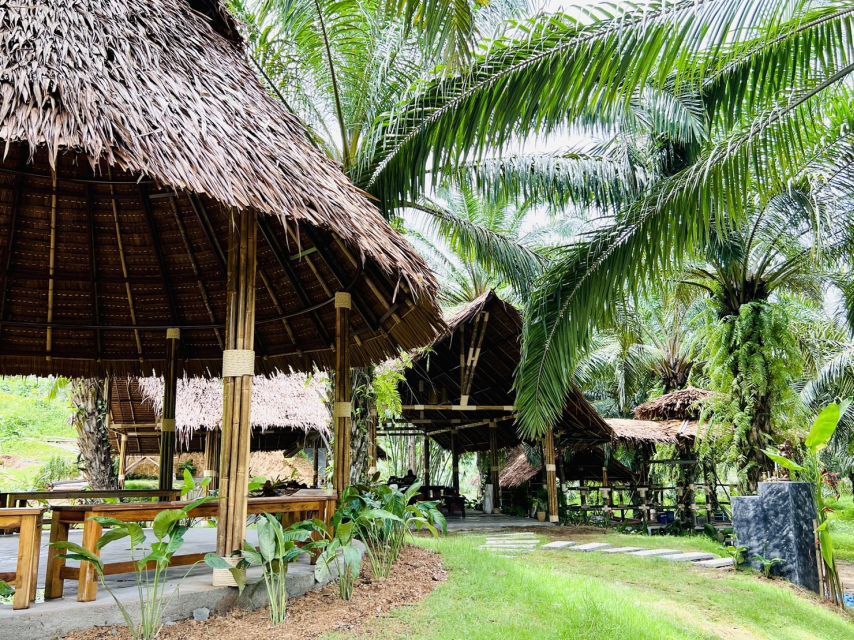
The basic description highlights feeding, food preparation, scratching, and observation. Experiences described from the center also include walking, a mud bath, and cleaning the elephants in a river when the animal chooses to take part.
These activities should not be treated as guaranteed steps on a rigid schedule. The center’s stated approach is that the elephants are not forced to do anything they do not want to do. If an elephant does not want a bath, you may watch instead.
When bathing does happen, it gives you a more active role. You may help scrub the elephant in muddy water, then clean it in the river. One practical tip is easy to miss: bring a swimsuit and towel if you want to enter the water. You should also expect to get dirty.
The river cleaning is appealing because it is framed as animal care, not as a staged trick. Still, I would keep your expectations flexible. The elephant’s choice comes first, and that is a positive feature even if it means your preferred activity does not happen.
Meeting Dan and hearing the conservation story
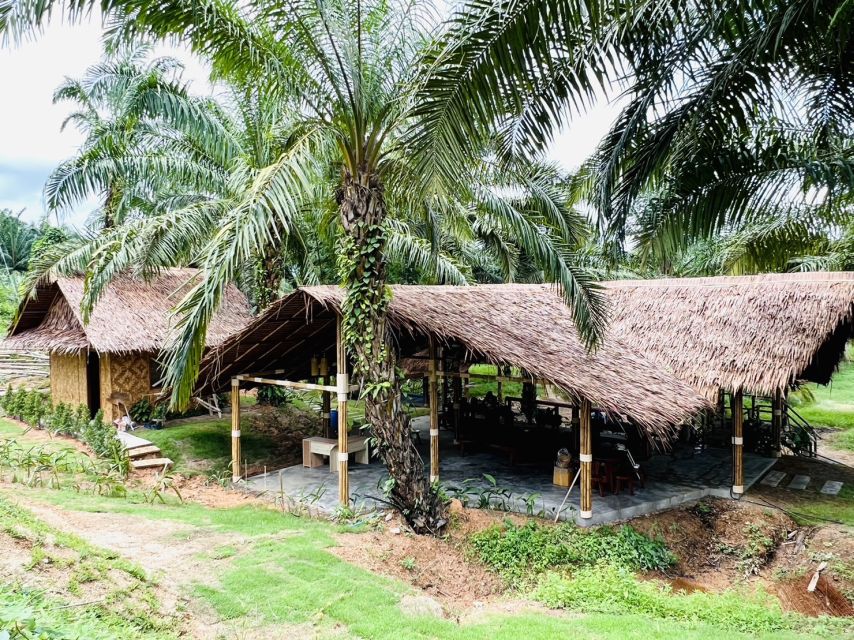
A major part of the visit is the explanation of elephant life in Thailand. Dan, the owner, speaks about his family’s history with elephants and his commitment to keeping them safe and healthy.
That personal background adds weight to the conservation message. You are not only hearing general statements about sustainability. You get context about why the center exists, what it hopes to achieve, and the wider situation facing domesticated elephants in Thailand.
The program also presents itself as a nonprofit conservation center. The supplied information does not provide a full financial breakdown, so I would not assume exactly how every part of the $41 fee is used. Still, the stated goals include supporting elephant welfare and helping local community income through food sources from the orchard and nearby forest.
The staff are described as friendly and willing to answer questions. One solo participant also received help with photos and videos during the visit. That can be useful if you are visiting alone and want a record of the experience without constantly holding your phone.
The English-language guiding is another practical plus. You can ask questions about the animals, their diet, and the center’s approach without relying only on gestures or a short scripted talk.
Is two hours enough?
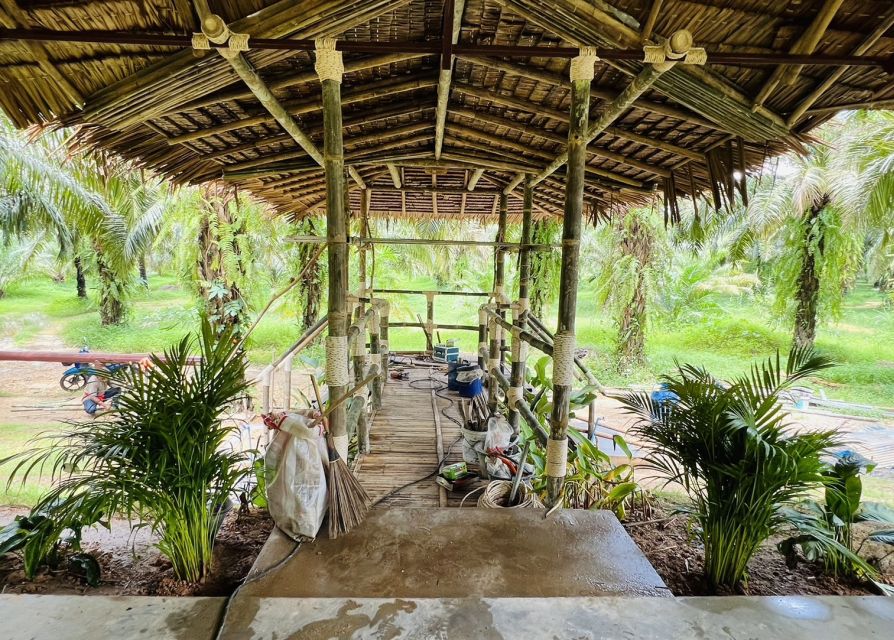
The official duration is two hours. That works if you want a compact activity that fits around other Khao Sok plans.
However, the actual time can be longer when the program includes feeding, walking, mud bathing, and river cleaning. One person felt the experience should be listed as three and a half hours rather than two. I would leave extra room in your day, especially if you have a transfer, a boat trip, or another timed activity afterward.
The difference may come from the elephants setting the pace. A rushed schedule would conflict with the center’s stated welfare approach. If an elephant stops, wanders, or takes longer at the river, the group may need to wait.
For a short visit, the two-hour format is convenient. For a fuller animal-care session, you should treat the listed duration as a guide rather than a hard promise. Ask the local supplier for the current pickup and drop-off details before booking.
Transport and where this activity works best
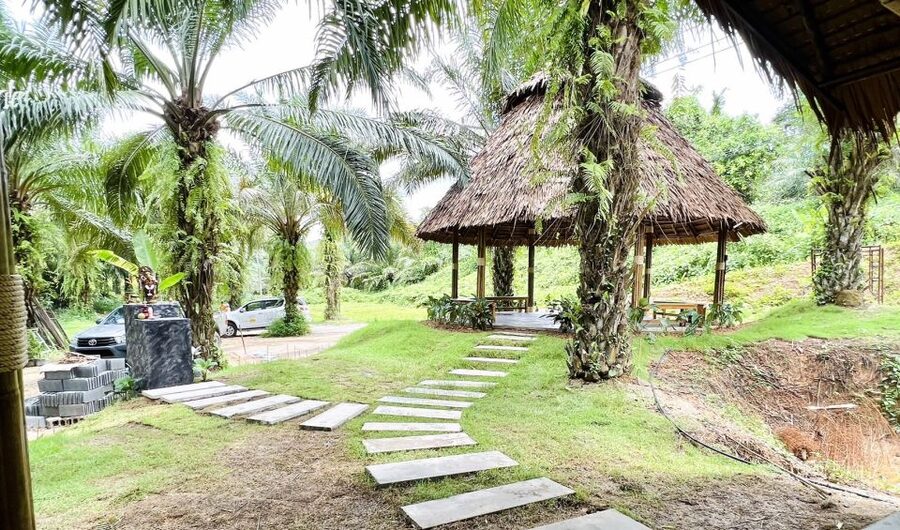
Round-trip transportation is included from a meeting point in the Khao Sok area. Pickup and drop-off are available around one to two kilometers from the National Park entrance, with exact details handled by the local supplier.
This is useful if you are staying near Khao Sok and do not want to arrange a separate taxi. Transport received a 91 percent perfect score, which suggests it is one of the more dependable parts of the experience.
The important limitation is location. Pickup at a Phuket hotel is not available. If you are based in Phuket, you will need to arrange your own way to the Khao Sok area, and this activity should not be treated as a simple Phuket excursion.
The visit fits best into a Khao Sok stay. Pair it with your other plans in the area, but allow extra time in case the elephant activities run beyond the advertised two hours.
What the $41 price buys you
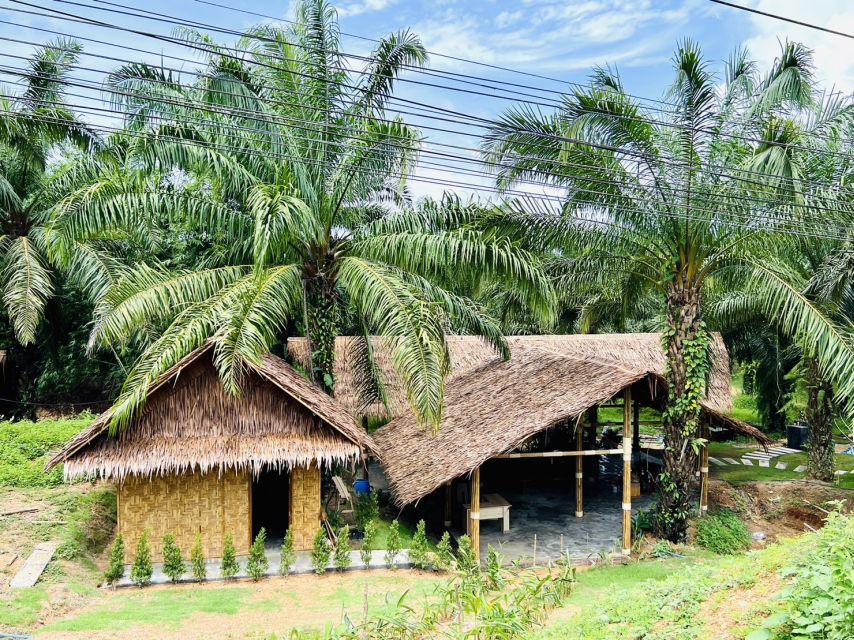
At $41 per person, the cost includes round-trip transport from the Khao Sok area, elephant activities, and water. Lunch is not included.
I think the value is good for the right kind of visitor. You are paying for more than feeding an elephant. The fee covers staff time, food preparation, educational guidance, transport, and an approach built around animal choice.
The value is weaker if you want a long full-day outing. Two hours is relatively short, and there is no lunch or broader Khao Sok sightseeing included. You should also budget for your own meals and any transport needed to reach the local pickup point.
The conservation message is a key part of the price. You are supporting an activity that presents elephant welfare, local food sourcing, and sustainability as central goals. I cannot verify the center’s full finances from the available information, so I would still ask questions if ethical sourcing is especially important to you.
Free cancellation up to 24 hours before the activity and reserve-now, pay-later booking make the commitment easier. Those policies are useful when your Khao Sok plans depend on weather or changing transport.
Who should book this experience?
I would recommend it to you if you want close contact with elephants but do not want riding or forced performances. It suits people who are happy to follow the animal’s lead and spend time listening to an English-speaking guide.
It is also a good fit for solo visitors, couples, families with older children, and anyone interested in conservation. The food preparation, nutrition lesson, and owner’s talk give the visit more substance than a simple feeding stop.
You should think twice if you have limited mobility. The activity is not suitable for people with mobility impairments or pregnant women. Outdoor walking, uneven ground, animal contact, and possible river bathing may make the visit uncomfortable.
I would also avoid booking it if you need a tightly timed schedule. The official two-hour duration may stretch when the elephants are active and the group takes part in more care activities.
Practical tips for a better visit
- Wear clothes and shoes that can handle mud and water.
- Bring a swimsuit and towel if you want to scrub elephants in the river.
- Use sunscreen and bring sunglasses and a sun hat.
- Keep your phone protected from water during bathing activities.
- Let the elephant decide how close you get.
- Expect to spend some time watching quietly in the shade.
- Ask for pickup details if you are staying outside the immediate Khao Sok area.
- Do not plan lunch as part of the $41 price.
- Leave spare time after the two-hour schedule.
Should you book the Khao Sok Ethical Elephant Sanctuary Visit?
Yes, if your goal is a respectful, educational elephant encounter near Khao Sok. I like the way the visit connects food, local community income, elephant behavior, and conservation. The chance to feed, walk with, scratch, and possibly bathe an elephant feels more meaningful when the animal is allowed to choose what happens.
Book it with flexible timing and realistic expectations. The elephants are not there to perform on schedule, the visit may last longer than two hours, and Phuket pickup is not available. If those limits suit your plans, the $41 cost is a sensible way to spend part of a Khao Sok day.
FAQ
How much does the Khao Sok elephant sanctuary visit cost?
The activity costs $41 per person.
How long does the elephant visit last?
The listed duration is two hours. Some visits have lasted about three and a half hours when feeding, walking, bathing, and river cleaning were included.
Is transportation included?
Yes. Round-trip transportation from the meeting point is included.
Where is pickup available?
Pickup and drop-off are available in the Khao Sok area, around one to two kilometers from the National Park entrance. Check with the local supplier for exact details.
Can I be picked up from my Phuket hotel?
No. Hotel pickup in Phuket is not available.
Is lunch included?
No. Lunch is not included, but water is provided.
What languages are available?
The activity is offered in English, with an English-speaking host or greeter.
What should I bring?
Bring sunglasses, a sun hat, and sunscreen. If you want to enter the water to scrub the elephants, bring a swimsuit and towel.
Can I cancel the booking?
Yes. You can cancel up to 24 hours in advance for a full refund. You can also reserve now and pay later.
Just added in Thailand
- Full Day Doi Saket Hiking Tour★ 5.0 · 14 reviews
- Pha Dok Siew Nature Trail & Doi Inthanon National Park From Chiang Mai★ 4.0 · 23 reviews
- One day Elephants in Nature Experience & Grand Canyon Jumping★ 5.0 · 31 reviews
- Private Tour 2 Difference Trails Trekking at Doi Inthanon National Park★ 5.0 · 19 reviews
- Chiang Mai to White & Blue Temple, Black Museum & Golden Triangle★ 4.0 · 52 reviews
- One day Doi Inthanon National Park & Trekking on Kew Mae Pan★ 5.0 · 12 reviews
- Half day Long Neck hill tribe and Hmong hill tribe village★ 5.0 · 21 reviews
- One Day Tour Chiang Rai(White Temple , Blue Temple, Black House) Private Tour★ 5.0 · 63 reviews
Elephant Sanctuary Tours, compared.
Elephant Sanctuary, Waterfall & Bamboo Rafting
Read our review →

Elephant Sanctuary Feeding Program Half-Day Tour
Read our review →
Elephant Jungle Sanctuary Ethical Feeding Experience
Read our review →
Elephant Sanctuary, Long Neck & Sticky Waterfall
Read our review →
Elephant Bathing Session at Krabi Elephant Shelter
Read our review →
Elephant Sanctuary Guided Tour with Hotel Transfers
Read our review →
Browse the lists this tour appears in