
Reviewed · THAI COOKING CLASSES
Half-Day Thai Cooking Class with organic ingredients
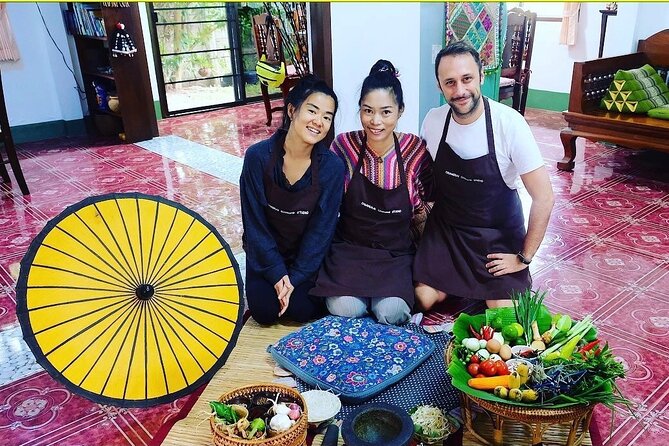
Fresh food tells the story. This Chiang Rai class turns that story into lunch, beginning at an organic market and ending with four Thai dishes you cook yourself. I like the small maximum of eight people, and I like having a personal cooking station rather than simply watching a demonstration. The one thing to consider is the 9:30 AM start, especially if you prefer a slow breakfast.
Suwannee leads the class with warmth, clear instruction, and a useful eye for timing, flavor, texture, and color. I also appreciate the practical flexibility: spice levels can be adjusted, and the group can work out a menu together. At $56.66 per person, this is not the cheapest meal in Chiang Rai, but it covers a market visit, ingredients, teaching, cooking, and lunch, which makes the price reasonable for a hands-on half-day.
In This Review
- Key points at a glance
- Starting at Chiang Rai’s Old Clock Tower
- Shopping for ingredients at an organic market
- Cooking papaya salad with control over the heat
- Building tom yum soup from the basics
- Preparing chicken green curry as a group
- Finishing with a banana dessert
- Eating what you prepared together
- Why the small group matters
- Assessing the $56.66 price
- Who should book this Chiang Rai class
- Booking and cancellation details
- Should you book it?
- FAQ
- Where does the Thai cooking class begin?
- What time does the activity run?
- Where does the activity end?
- How many people can join the class?
- What dishes will I cook?
- Does the class include a market visit?
- Are drinks included?
- Can I cancel for a full refund?
- Are service animals allowed?
Key points at a glance
- The morning starts at Chiang Rai’s organic market, where Suwannee explains the ingredients before you buy what you will cook.
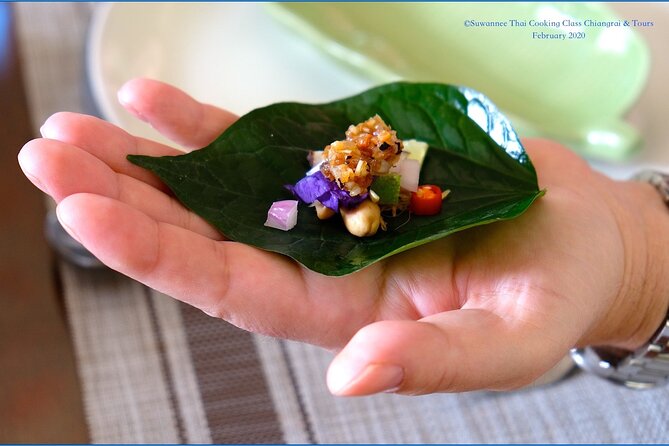
- You cook four dishes yourself: papaya salad, tom yum soup, chicken green curry, and a banana dessert.
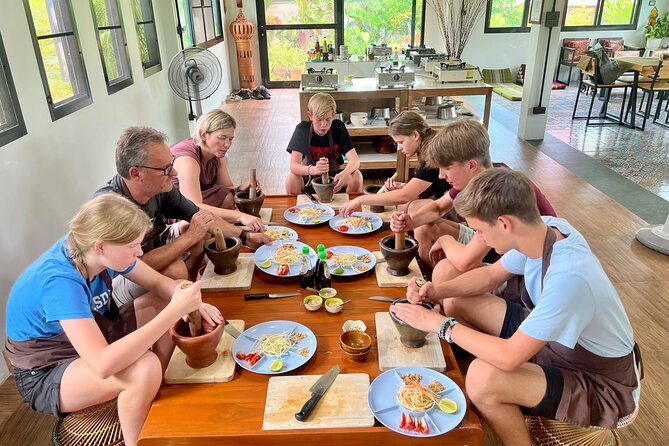
- A maximum of eight people keeps the class personal, with room for questions and help at your own station.
- Spice levels can be adjusted, making the class workable for different tastes.
- You eat the meal you prepare, along with complimentary water, snacks, seasonal fruit, and a refreshing towel.
- The activity runs about four and a half hours, from 9:30 AM to roughly 2:00 PM, and returns to the Old Clock Tower meeting point.
Starting at Chiang Rai’s Old Clock Tower
The class begins at the Old Clock Tower on Suk Sathit in central Chiang Rai. The listed meeting point is WR6J+46F, Suk Sathit, Tambon Wiang, Amphoe Mueang Chiang Rai, Chiang Rai 57000. You should plan to arrive ready for a morning that moves from shopping to food preparation without much idle time.
The timing is set from 9:30 AM to 2:00 PM, although the stated duration is approximately four hours and 30 minutes. That makes this a useful choice for a half-day in Chiang Rai. You still have much of the afternoon free, but you should not schedule an early lunch elsewhere. Your lunch is the class.
A mobile ticket makes arrival simple. Confirmation is provided when you book, and the activity ends back at the starting point. The information does not list hotel pickup, so you should arrange your own way to the Old Clock Tower and avoid assuming that transport is included.
More Thai Cooking Classes in Chiang Rai:
- Chiang Rai:Lanna Home Cooking Class at Give Green Farm House
★ 5.0 · 61 reviews - Half-Day Thai Cooking Class at Organic Farm in Chiang Mai
★ 5.0 · 19,087 reviews - Chiang Mai: Cooking Class, Market & Thai Herbs Garden Tour
★ 4.9 · 4,824 reviews
Shopping for ingredients at an organic market
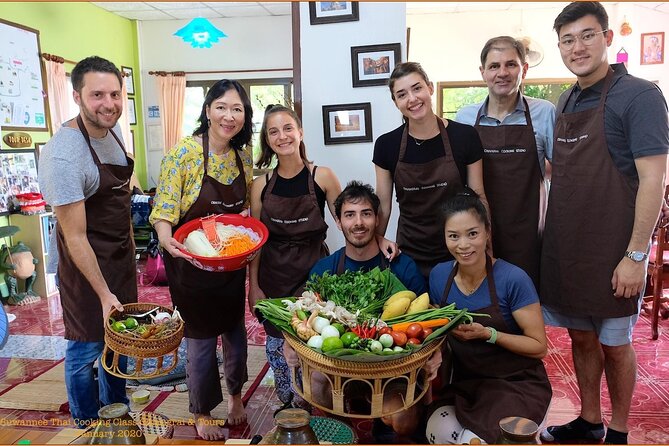
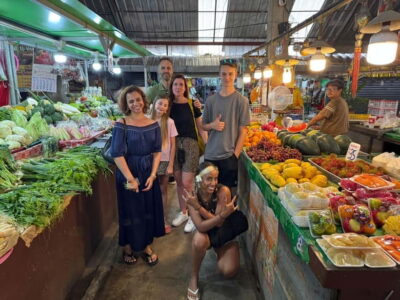
The market visit is more than a quick shopping stop. Suwannee uses it to explain the ingredients that give Thai food its familiar balance of heat, sourness, sweetness, salt, fragrance, and fresh texture.
You shop for the ingredients needed for the menu, rather than receiving a premeasured box of food. That small change matters. You see what the ingredients look like before they are chopped and cooked, and you get a better sense of how Thai meals begin with fresh produce and herbs.
I especially like this part for people who want more than a cooking demonstration. A recipe can tell you to use papaya, curry ingredients, or soup aromatics, but a market visit helps you connect those words to real food. Suwannee explains the ingredients as you go, making the shopping itself part of the lesson.
The market also gives the class a local setting before you move into the kitchen. You are not simply sitting down in a room designed for tourists and waiting for food to appear. You are helping choose what will become your meal.
There is one practical point to keep in mind. The class description calls the ingredients organic, but it does not provide a detailed certification or a separate explanation of how every item is sourced. If organic sourcing is a strict requirement for you, ask the provider for clarification before booking. For most people, the useful takeaway is that the class centers on fresh market ingredients rather than packaged shortcuts.
Cooking papaya salad with control over the heat
Papaya salad is one of the four dishes on the menu, and it gives you an early lesson in balancing strong flavors. The dish is fresh, sharp, and spicy, so it also shows why the class does not need to be intimidating for anyone who avoids very hot food.
Suwannee adjusts the spice level to suit the people in the class. That is a major advantage over a fixed cooking demonstration, where everyone receives the same heat whether they want it or not. You can learn the basic character of the dish without turning lunch into a test of endurance.
At your own station, you get to take part in the preparation rather than merely observe. That hands-on format helps you remember the method later. You are more likely to recall how the ingredients come together when you have handled and mixed them yourself.
Papaya salad also works well as part of a shared meal. Its crisp, bright character contrasts with the warmer soup and curry that follow. The class is not just teaching four unrelated recipes. It is building a meal with different textures and flavors.
Building tom yum soup from the basics
Tom yum soup is another chance to see how Thai cooking depends on balance. It is a useful dish for learning how sour, spicy, salty, and aromatic elements work together.
One of the class’s strongest teaching points is that Suwannee explains the thinking behind the food. She covers taste, texture, color, and timing, rather than treating each recipe as a list of steps with no explanation. That approach helps you make sensible adjustments at home.
Timing matters in soup. Some ingredients need enough time to flavor the broth, while others are best added with care so they retain their character. The available information does not give a precise recipe or cooking sequence, so you should treat the class as the place to learn those details directly instead of expecting a printed formula from this description.
If you have cooked Thai food before, you may appreciate the chance to refine your technique. If you are new to it, the teacher’s focus on why the ingredients work together should make the dish easier to understand.
A few more options to weigh up in Chiang Rai
- Chiang Rai: Guided Highlights Guided Tour with Buffet Lunch
★ 4.9 · 1,532 reviews - Chiang Rai: Iconic Temples & 7 Major Sites—River View Buffet
★ 4.9 · 692 reviews - Chiang Rai: White, Blue, Red Temples, Long Neck Tour
★ 4.8 · 652 reviews - Sightseeing Join Tour Chiang Rai / PICK UP ONLY IN CHIANG RAI
★ 4.5 · 398 reviews
Preparing chicken green curry as a group
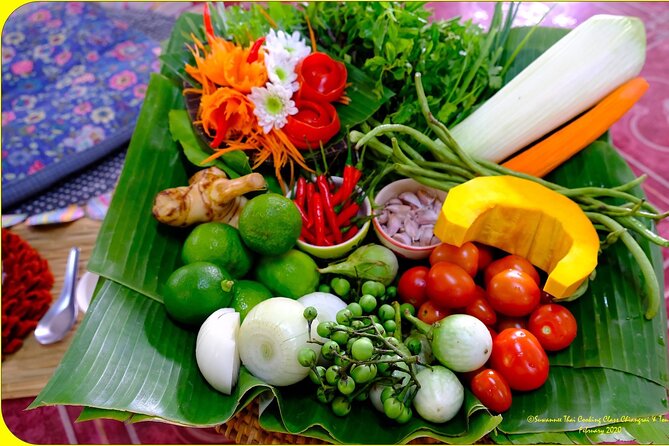
Chicken green curry gives the class its richest and most substantial dish. It is also where group coordination becomes useful, since everyone works toward a shared meal while cooking at an individual station.
The class does not force every person into a different menu. The group can choose menu items together and cook in unison. That is a smart format. It avoids the confusion that can happen when several people are preparing unrelated dishes at different speeds.
You still get personal instruction, but the room has a shared rhythm. You can ask about your own preparation while seeing how the same dish comes together around you. With no more than eight people, this setup should feel manageable rather than crowded.
The green curry also gives Suwannee a chance to talk about taste and texture. A good curry is not only about adding ingredients in order. The final result depends on how the sauce, chicken, herbs, and seasoning work together. The class places emphasis on planning for a meal that looks and tastes balanced.
You should not expect a restaurant-style plated tasting menu. The appeal is the food you make, served as a communal meal after the work is finished. For people who enjoy learning by doing, that is a better reward than being handed a polished dish.
Finishing with a banana dessert
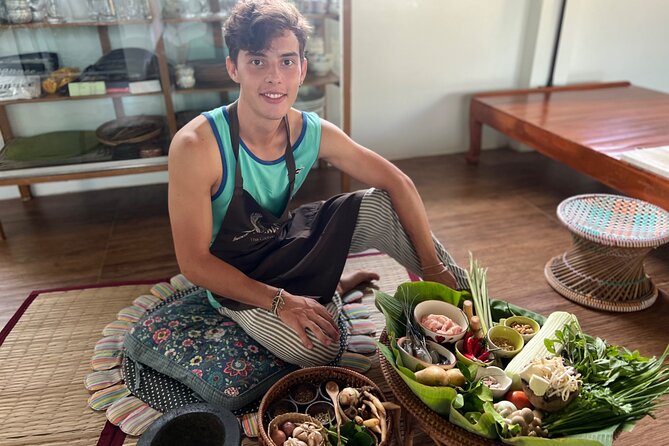
The banana dessert closes the menu with something sweet and simple. It gives you a different kind of cooking task after the sharper flavors of papaya salad, tom yum, and green curry.
Including dessert makes the class feel like a complete meal rather than a lesson focused only on savory dishes. You get a chance to see how Thai cooking handles sweetness and how a final course changes the pace of lunch.
The description does not specify the exact style of banana dessert. That is worth noting if you are hoping to learn one particular recipe. You will know the class includes a banana-based sweet, but the precise preparation should be confirmed with Suwannee if that detail matters to you.
Eating what you prepared together
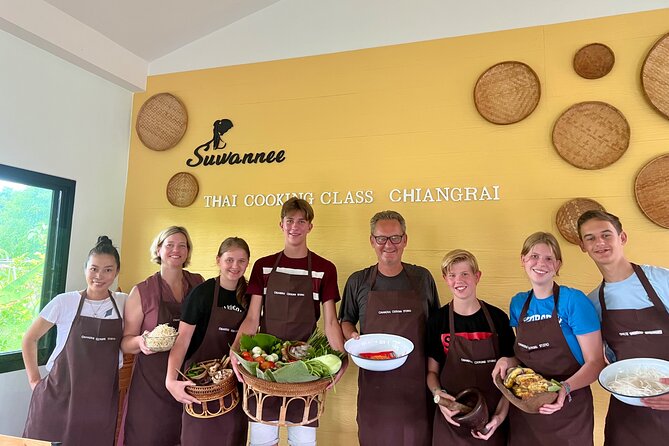
The best part of this format is the meal at the end. After shopping, chopping, seasoning, and cooking, you sit down to eat the food you prepared with the rest of the class.
That shared meal gives the four-hour experience a clear purpose. You can taste how small changes in spice or seasoning affect the finished dishes, and you can compare the different roles of salad, soup, curry, and dessert in one sitting.
Complimentary drinking water, snacks, seasonal fruit, and a refreshing towel are included. Soda and alcoholic drinks are not included, so plan to pay separately if you want either. The extra water and fruit are useful during a food-focused morning, especially if you are not used to starting the day with kitchen work.
One useful tip comes directly from the structure of the day: eat a light breakfast. You will be shopping, preparing food, and then eating a full meal. Arriving hungry is sensible, but arriving without eating anything at all may leave you uncomfortable during the market and cooking portions.
Why the small group matters
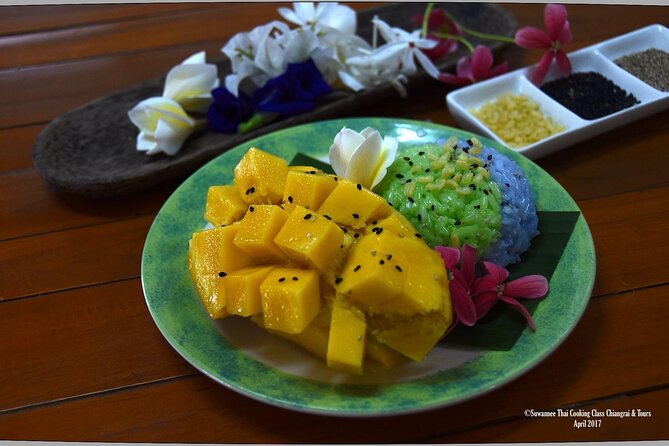
A maximum of eight people is one of the clearest reasons to choose this class. Cooking requires attention. You need to see what the instructor is doing, reach your ingredients, and ask questions without competing with a large crowd.
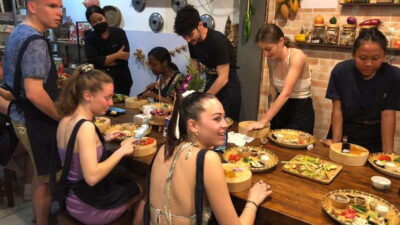
The individual cooking stations make the lesson more active. You are not standing at the back of a room trying to see a single pan. At the same time, the shared menu keeps the group together and prevents the kitchen from becoming chaotic.
Suwannee’s teaching style is another strong point. She is described as organized, flexible, and willing to adjust the plan to the group. She also explains the science behind the food, including taste, texture, color variety, and timing. That is valuable for cooks of every level.
The class also suits people who normally avoid cooking. You do not need to arrive with advanced skills. The format breaks the meal into manageable steps, and the teacher’s flexibility allows the group to adapt the spice level and menu choices.
Assessing the $56.66 price
At $56.66 per person, this class costs more than simply ordering the same dishes at a local restaurant. That comparison, however, misses what you are buying.
The price includes a market tour, organic ingredients, a personal cooking station, instruction, four dishes, and the meal you prepare. It also includes water, snacks, seasonal fruit, and a refreshing towel. You are paying for several hours of activity and teaching, not only for lunch.
I consider the value strongest if you want skills and context you can carry home. The market explanation can help you recognize ingredients later, while the cooking lesson gives you a clearer sense of how Thai flavors are built. If you only want to eat Thai food, a restaurant will be cheaper and faster.
The small group improves the value further. A large class might offer the same menu, but it would not necessarily offer the same access to the teacher or the same hands-on time. Here, the eight-person limit supports a more personal lesson.
Drinks are a small extra cost if you want soda or alcohol, since those are excluded. Still, the included water and fruit cover basic refreshment.
Who should book this Chiang Rai class
I would recommend this experience to you if you enjoy food, local markets, and practical cultural activities. It works especially well for couples, friends, solo participants, and families who want to share a meal after working together.
It is also a good fit if you are a beginner. The class is not presented as a test of cooking ability, and the teacher adjusts spice levels. People who claim they cannot cook may find the guided format more approachable than expected.
Experienced home cooks should not dismiss it. Suwannee’s focus on flavor planning, texture, color, and timing adds more than simple recipe copying. The market visit can also sharpen your understanding of ingredients you may have used without knowing much about them.
You may want to skip it if you dislike group activities, prefer a private lesson, or have no interest in cooking your own meal. It may also be a poor match if you need a late-morning start, since the class begins at 9:30 AM.
Service animals are allowed. The supplied details do not specify other accessibility arrangements, so contact Suwannee Thai Cooking Class Chiangrai in advance if you have mobility, dietary, or equipment needs that require confirmation.
Booking and cancellation details
The activity accepts mobile tickets, and confirmation arrives at the time of booking. It is often booked about eight days ahead, so reserving early is sensible if your Chiang Rai schedule is fixed.
Free cancellation is available up to 24 hours before the local start time for a full refund. Cancellations or changes made within 24 hours are not accepted for a refund. The class also requires a minimum number of participants, and if that minimum is not met, you will be offered another date or experience, or receive a full refund.
Should you book it?
Book this class if you want Chiang Rai food knowledge you can use after your holiday, not just another meal. The organic market visit, small group, personal station, adaptable spice level, and four-course menu give the morning real substance.
I would choose it for the market context and Suwannee’s teaching as much as for the food. Just remember the early start, the four-and-a-half-hour commitment, and the fact that drinks beyond water are extra. If those points suit your plans, $56.66 is a fair price for a friendly, practical introduction to Thai cooking.
FAQ
Where does the Thai cooking class begin?
The class begins at the Old Clock Tower, WR6J+46F, Suk Sathit, Tambon Wiang, Amphoe Mueang Chiang Rai, Chiang Rai 57000, Thailand.
What time does the activity run?
The listed hours are 9:30 AM to 2:00 PM, Monday through Sunday. The approximate duration is four hours and 30 minutes.
Where does the activity end?
The class ends back at the Old Clock Tower meeting point.
How many people can join the class?
The activity has a maximum of eight participants.
What dishes will I cook?
You will make papaya salad, tom yum soup, chicken green curry, and a banana dessert.
Does the class include a market visit?
Yes. The class includes a market tour where you shop for the ingredients used in the cooking lesson.
Are drinks included?
Complimentary drinking water is included, along with snacks, seasonal fruit, and a refreshing towel. Soda and alcoholic drinks are not included.
Can I cancel for a full refund?
Yes. You can cancel at least 24 hours before the local start time for a full refund. Cancellations within 24 hours are not refundable.
Are service animals allowed?
Yes. Service animals are allowed on this activity.
Just added in Chiang Rai
- Trekking with Lunch cooked by Bamboo in the Chiang Rai jungle★ 5.0 · 12 reviews
- Private Choui Fong and Golden Triangle Explorer from Chiang Rai★ 4.0 · 27 reviews
- Chiang Rai White and Black and Blue Temple★ 5.0 · 15 reviews
- Half Day Cycling Tour to the White temple★ 5.0 · 61 reviews
- Full Day Cycling Amazing Chiangrai countryside and the White temple★ 5.0 · 53 reviews
- From Chiang Rai: 3 Temples, Golden Triangle Tour, Tea Plantation★ 5.0 · 12 reviews
- Full Day Group Tour in Chiang Rai★ 5.0 · 112 reviews
- Chiang Rai: Guided Full-Day Highlights tour with Lunch★ 5.0 · 30 reviews
Thai Cooking Classes, compared.
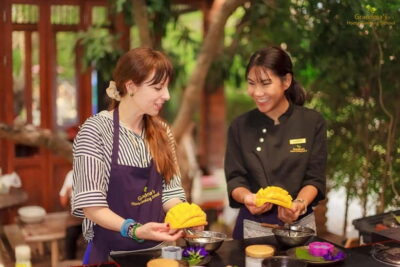
Half-Day Thai Cooking Class at Organic Farm in Chiang Mai
Read our review →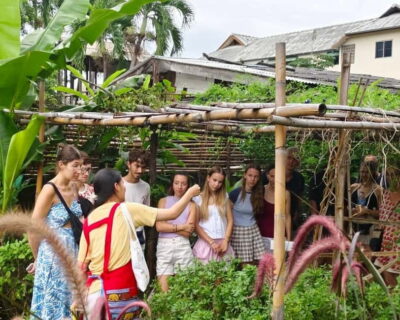
Cooking Class, Market & Thai Herbs Garden Tour
Read our review →Authentic Cooking Class with Market & Farm Visit
Read our review →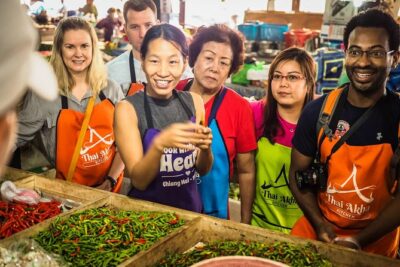
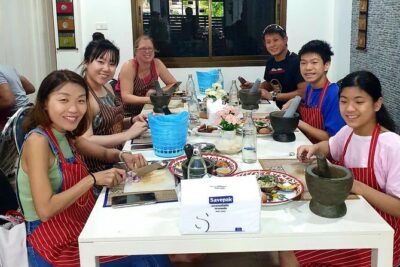
Phuket Thai Cooking Class with Market Tour Option
Read our review →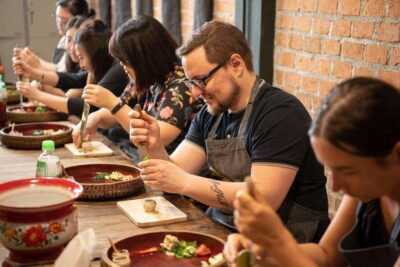
Tingly Thai Cooking School Half-Day Cooking Class
Read our review →Browse the lists this tour appears in