
Reviewed · ELEPHANT SANCTUARY TOURS
Ethical Elephant Sanctuary Experience in Khao Lak
Elephants set the schedule here. This three-hour Khao Lak experience takes a careful, observation-first approach, with rescued domestic elephants, experienced mahouts, and no riding or forced performances. I especially like the calm elephant-led walking and the thoughtful Thai activities, though anyone hoping for close contact or guaranteed bathing should read the rules closely.
The $56 price includes hotel transport, sanctuary admission, guides, drinks, and several hands-on cultural activities. The main consideration is that this is not a traditional feed-and-bathe encounter, despite some older guest accounts describing feeding, mud bathing, or washing elephants. The current program promises no touching, no bathing, and no forced interaction, so you should book it for respectful watching rather than guaranteed physical contact.
In This Review
- Key Points Before You Book
- A Better Kind of Elephant Encounter in Khao Lak
- The 30-Minute Ride From Khao Lak
- The Sanctuary Introduction Sets the Rules
- Preparing the Herbal Supplement for the Elephants
- Meeting the Elephants as Individuals
- The Observation Walk and the Creek Platform
- Thai Herbal Inhalers and Khanom Krok
- What the $56 Price Really Covers
- Who Will Enjoy This Three-Hour Visit?
- Weather, Clothing, and Practical Details
- Should You Book the Khao Lak Elephant Sanctuary Tour?
- FAQ
- How long does the Khao Lak elephant sanctuary experience last?
- Does the tour include hotel pickup and drop-off?
- Can I ride or bathe an elephant?
- What language is the tour conducted in?
- Is food included?
- What should I bring?
- Can I cancel the booking?
Key Points Before You Book
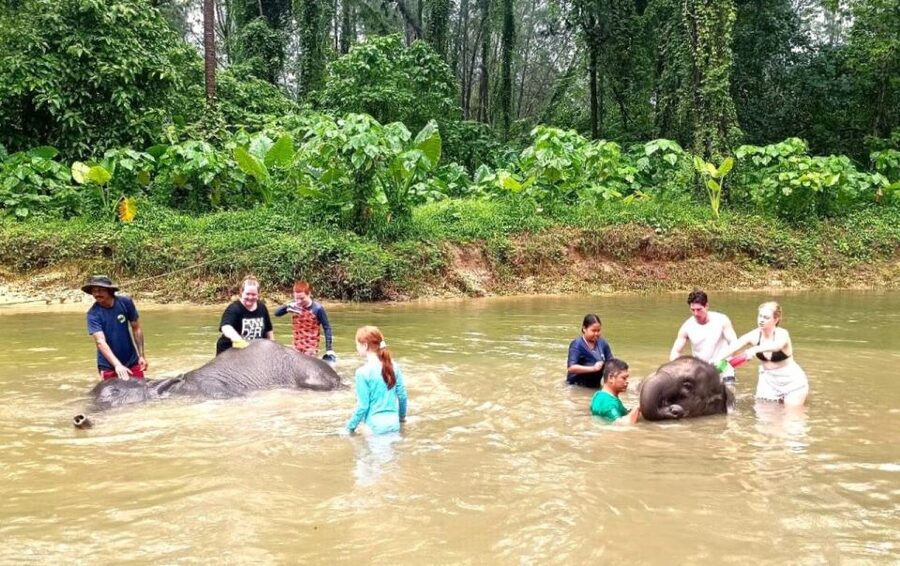
- Elephants choose the pace: You follow behind them while mahouts supervise, rather than leading or controlling them.
- Observation replaces staged shows: There is no riding, scheduled performance, or guaranteed mud bath.
- Three hours is a useful length: You get transport, an introduction, elephant care activities, and Thai cultural workshops without losing a full day.
- The cultural program adds real value: You make an elephant herbal supplement, a Thai herbal inhaler, and Khanom Krok coconut pancakes.
- Guides make a strong impression: Names noted in guest feedback include Didi, Winnie, Lala, Bond, Shane, Tin, Ron, and Iris.
- Pack for heat and wet conditions: Bring sun protection, insect repellent, a towel, and spare clothes.
A Better Kind of Elephant Encounter in Khao Lak
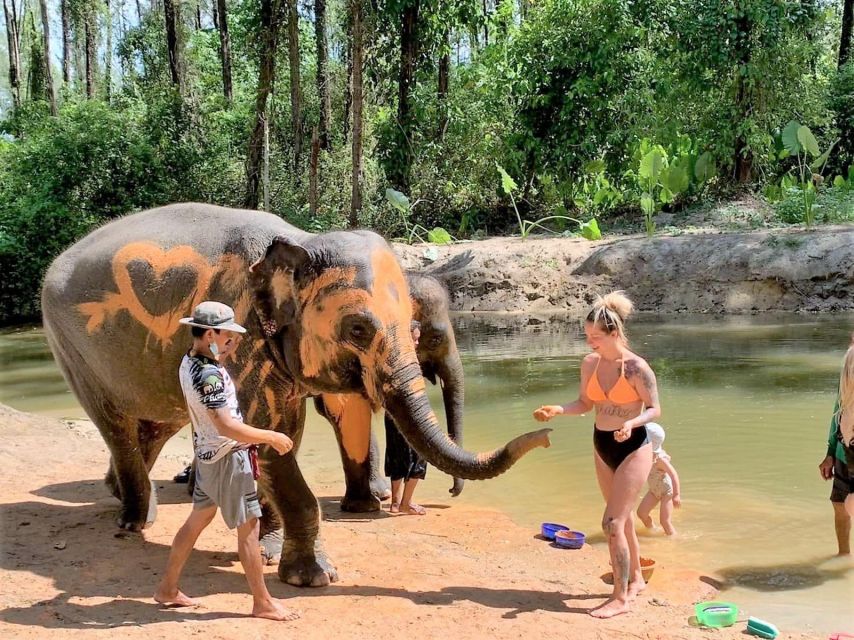
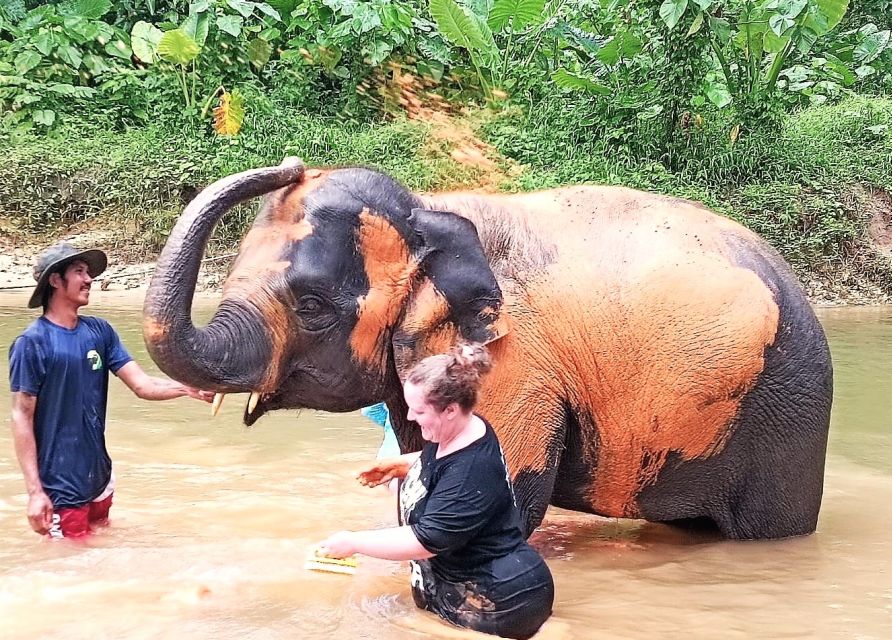
Elephant tourism in Thailand can be confusing. A tour may use the word ethical while still offering riding, bathing, tricks, or constant close contact. This Khao Lak program takes a much clearer position: the elephants remain in charge, and you watch from a safe distance.
That choice changes the mood. You are not given a checklist of animal behaviors to collect. An elephant may walk, forage, play in mud, or enter the creek. It may also ignore the planned viewing area entirely. That is not a flaw in the experience. It is the point.
I like the way the program gives you context before you meet the animals. A pre-recorded visual and audio presentation covers Thailand’s cultural connection with elephants, the problems facing domestic elephants today, and the sanctuary’s approach to care. It is available in 40 languages, while the live tour assistance is in English.
You also learn that these are rescued domestic elephants, not wild animals brought in for display. The sanctuary presents each elephant as an individual, with a background, age, personality, and relationship with its mahout. That personal detail helps you see the animal as more than a photo opportunity.
More Elephant Sanctuary Tours in Khao Lak
- Khao Lak: Elephant Bathing and Turtle Center Visit
★ 4.9 · 490 reviews - Khaolak: Elephant Sanctuary Guided Tour with Hotel Transfers
★ 4.7 · 226 reviews - 2-Hour Guided Eco-Tour & Transfer to Khaolak Elephant Sanctuary
★ 5.0 · 91 reviews
The 30-Minute Ride From Khao Lak
The tour begins with hotel pickup within the designated Khao Lak area. You should wait in the lobby 10 minutes before your scheduled pickup and show your mobile confirmation when the guide or driver arrives. The vehicle is air-conditioned, which matters in Thailand’s heat, and transport receives a strong rating, with 89 percent of transport scores reported as perfect.
The drive to Khao Lak Elephant Conservation takes about 30 minutes. That is long enough to leave the resort area but short enough that the tour still fits neatly into a morning or afternoon.
Guide quality appears to be one of the program’s best features. Didi is praised for being friendly, helpful, and good at taking photos. Winnie is described as calm and clear, while Lala is noted for answering questions, sharing local tips, and helping with photos and videos. Other named guides include Bond, Shane, Ron, Tin, Iris, Otto, and Shenr.
You should not assume you will receive a particular guide, but the pattern is encouraging. The guide is more than a person who points toward an elephant. The best ones explain what is happening, introduce the sanctuary’s welfare rules, and help you understand why doing less can be better for the animals.
The Sanctuary Introduction Sets the Rules
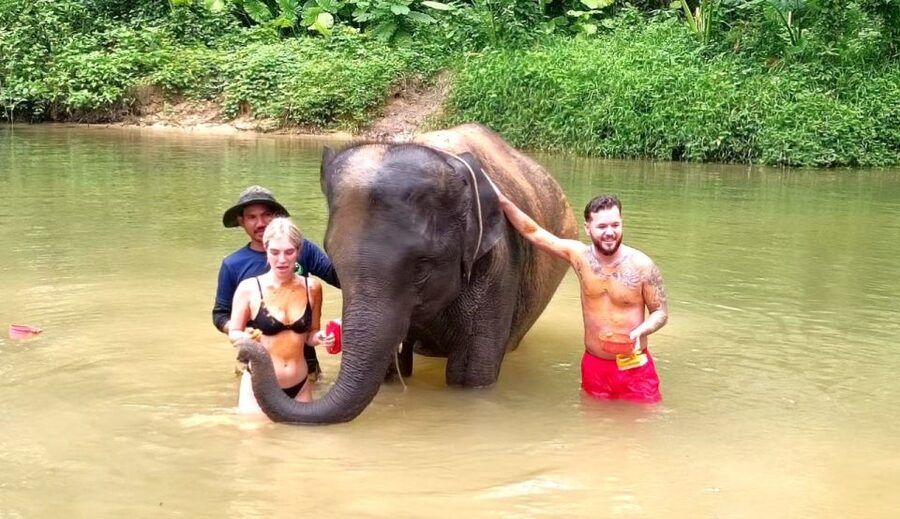
On arrival, you receive welcome drinks such as water or cola, along with coffee, tea, and local snacks. Before entering the elephant area, you watch and listen to the sanctuary introduction.
This part may feel less exciting than seeing an elephant right away, but it earns its place. You learn about Asian elephants, Thailand’s domestic elephant population, and the welfare problems linked to traditional tourism. The explanation gives you a useful test for the rest of the visit: are the elephants being asked to perform for you, or are you being asked to behave responsibly around them?
The sanctuary’s stated rules are firm:
- No riding
- No bathing
- No touching
- No leading or controlling
- No forced interaction
- No scheduled animal performance
The official program also says the tour follows internationally recognized welfare principles and responsible tourism standards. You can judge the experience through those visible practices, such as keeping distance, allowing natural choices, and placing mahouts in control of elephant care.
Preparing the Herbal Supplement for the Elephants
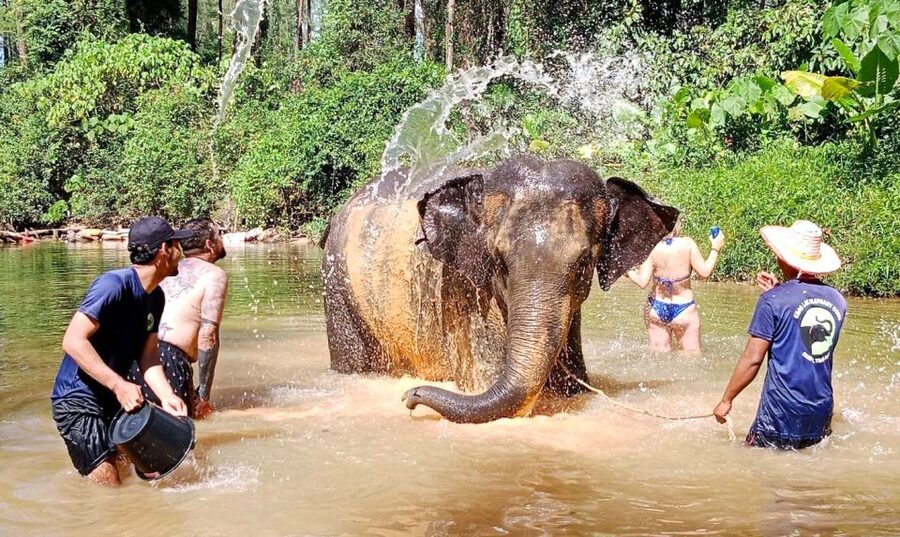
Before the observation walk, you help prepare a traditional herbal health supplement for the elephants. This is a hands-on activity, but it does not involve handling the elephants themselves.
The supplement reflects local knowledge about elephant care. After you prepare it, the caretakers offer it to the elephants according to their own feeding practices. That distinction matters. You take part in a meaningful task, but the mahouts remain responsible for deciding how and when food is given.
Some feedback describes the food as protein balls or a protein-fuelled meal. The precise preparation may vary, but the idea is consistent: you learn something about daily care rather than simply buying a basket of fruit for a quick feeding photo.
For families, this is a useful change of pace. Children can make something, ask questions, and learn why food is prepared in a certain way. Parents should still explain that the sanctuary’s main rule is observation, not petting.
A completely different kind of day out:
- Thai Cooking Class in Khao Lak by Amazon Prime Series Chef
★ 5.0 · 661 reviews - Khaolak: Bamboo Rafting, Waterfalls, and Turtle Conservation
★ 4.7 · 622 reviews - Khao Lak: Little Amazon Canoe Ride & Tam Nang Waterfall Tour
★ 4.5 · 442 reviews - Khaolak: Phang Nga Bay, Tapu Island, and Panyi Village Tour
★ 4.6 · 358 reviews
Meeting the Elephants as Individuals
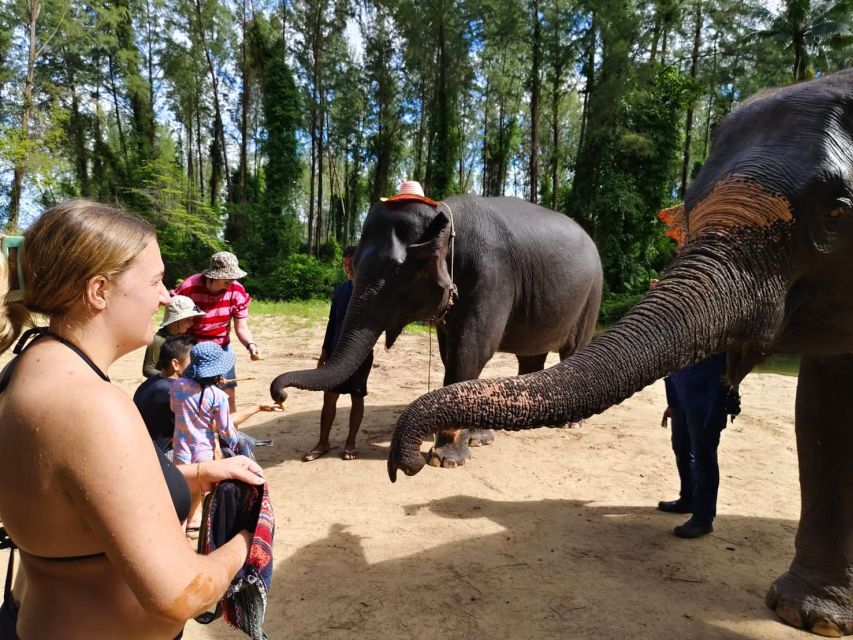
The first sight of the elephants is likely to be the emotional center of the visit. You meet them inside a defined sanctuary area while the mahouts explain how they arrived, how they are cared for, and what their lives are like now.
The emphasis on individual stories makes the encounter more personal. One elephant may be young, another older, and each may have different habits or quirks. The program presents them as rescued domestic elephants with their own histories, rather than as interchangeable animals waiting for tourists.
You may see the elephants moving freely within the managed area. You could watch them walk, forage, socialize, or simply stand around. The lack of a fixed performance means the experience can feel quiet and unhurried, but it also means there is no promise of a dramatic moment.
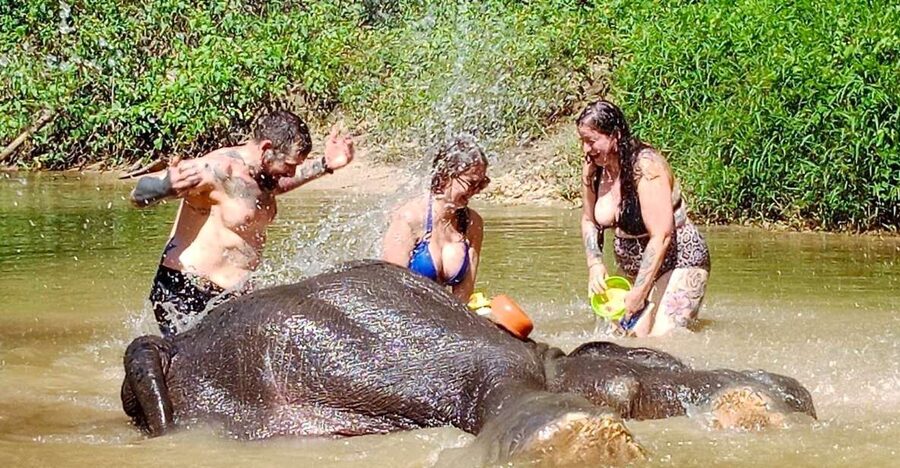
This is where expectations matter most. Some guest accounts from different dates describe feeding, touching, washing, or bathing elephants. The current description specifically says observation-only, with no touching and no bathing. Treat that policy as the reliable guide when deciding whether the tour suits you.
The Observation Walk and the Creek Platform
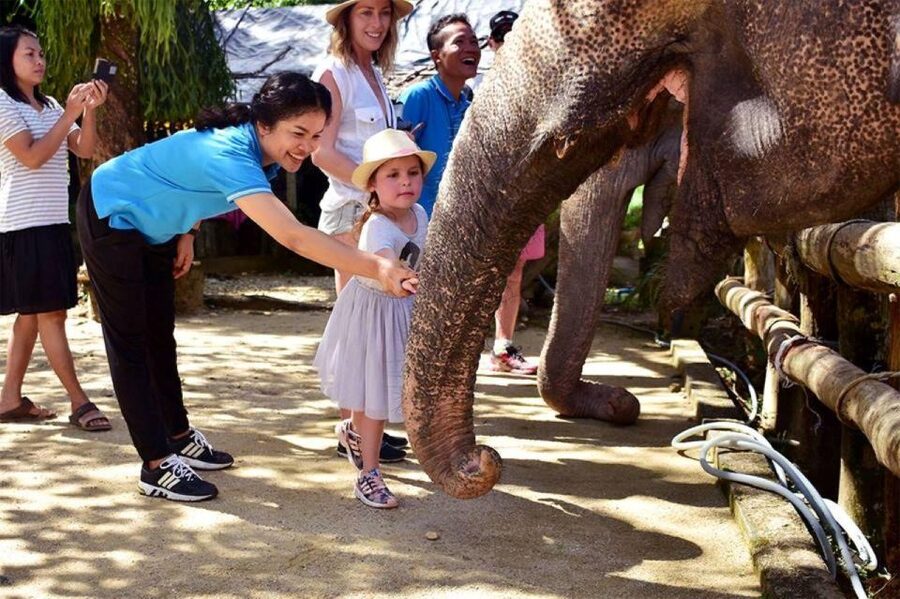
The guided walk follows behind the elephants at a respectful distance. You do not lead them, direct them, or decide where they go. The mahouts supervise while you watch the animals set the pace.
That may sound simple, but it is a meaningful contrast to tours where an elephant is positioned beside every person for a staged photograph. Here, you need patience. The elephant might pause, turn, wander, or show no interest in the group at all. You are there to observe, not to make the animal cooperate.
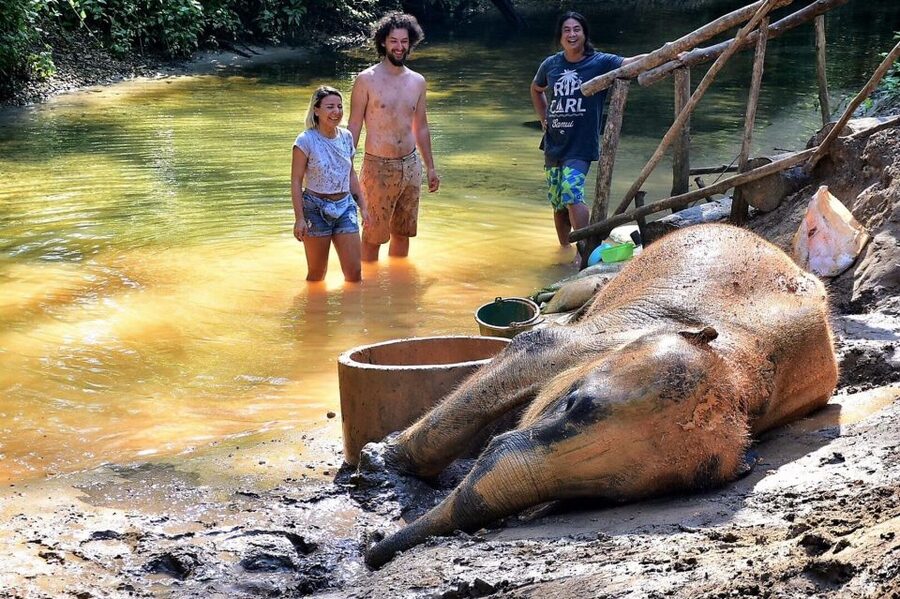
The walk leads toward a designated viewing platform near a natural creek. From there, you may see an elephant bathe or play in mud if it chooses to do so. There is no bathing timetable, and no elephant is expected to perform on cue.
This is one of the strongest ethical features of the experience, but it is also the main tradeoff. If you want to get into the water with an elephant, this is the wrong tour. If you want to see natural behavior without being part of the scene, it makes much more sense.
Bring a towel and a change of clothes anyway. The information advises doing so, and Khao Lak’s heat, humidity, rain, mud, or splashing can make spare clothing useful even when you are not bathing an elephant.
Thai Herbal Inhalers and Khanom Krok
The elephant program is followed by two cultural activities. First, you make a Thai herbal inhaler called Ya Dom.
Ya Dom is a common Thai wellness item used in everyday life. Making one gives you a small, practical connection to local culture, and you can take the finished inhaler home. It is a more useful souvenir than another generic elephant magnet, especially because you made it during the visit.
Then comes Khanom Krok, often described as Thai coconut pancakes. You prepare this popular street snack in a relaxed setting and enjoy it with a drink. It is a simple activity, but it helps the three-hour visit feel like more than an animal viewing stop.
There is no full meal included. The snack, local refreshments, water, and cola are part of the program, but you should not arrive expecting lunch. One account refers to lunch afterward, yet the stated inclusions list only the snack activity and beverages. If you need a proper meal, plan one separately.
These workshops also spread the attention across the visit. When the elephants are resting or moving away, you are not left standing around waiting for an animal to do something. The cultural elements give the tour a stronger connection to Thailand itself.
What the $56 Price Really Covers
At $56 per person, the tour is not the cheapest way to see elephants in Khao Lak. It is also more than a short admission visit. The price includes pickup and drop-off within the designated area, air-conditioned transport, sanctuary entry, an English-speaking guide, accident insurance, the elephant welfare introduction, the herbal supplement activity, the Ya Dom workshop, Khanom Krok preparation, refreshments, and the observation walk.
For me, the value comes from the combination. You are paying for transport and access, but also for a structured explanation of responsible elephant care. The cultural workshops help fill the three hours, and the small group atmosphere described in guest accounts appears to allow personal attention from the guide.
The tour makes especially good financial sense if you want a half-day activity rather than a full-day excursion. You get a meaningful animal encounter without giving up an entire day at the beach or another Khao Lak attraction.
The value is weaker if your main goal is physical interaction. You may find cheaper programs that advertise feeding, bathing, or washing, but those activities are exactly what this experience avoids. Pay for the ethics and the educational approach, not for guaranteed contact.
Who Will Enjoy This Three-Hour Visit?
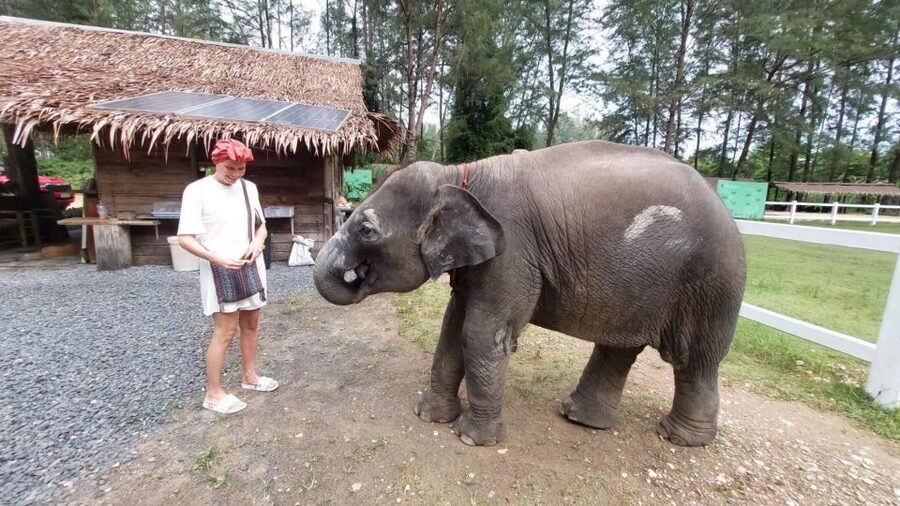
I would recommend this experience to you if you want to see elephants without riding them or watching a staged show. It suits adults, couples, families, and people who feel uneasy about elephant tourism but still want to learn about rescued domestic elephants.
The three-hour length works well for families. One family account described it as a good fit for two adults and children aged six and eleven. The cultural workshops provide activities beyond simply standing near the elephants, though very young children may need close supervision around the sanctuary grounds.
You should think twice if you have limited mobility. The program is not suitable for people with mobility impairments, and it involves transport, sanctuary walking, and outdoor observation. It is also listed as unsuitable for pregnant women.
This is not the right choice if you want to swim with elephants, scrub them, or pose in close contact. Some older accounts describe those activities, but the present rules say no. A responsible operator should be judged by the current welfare policy, not by an appealing anecdote from a different version of the program.
Weather, Clothing, and Practical Details
The tour runs in all weather conditions. Khao Lak can be hot, wet, muddy, or humid, so dress for outdoor conditions rather than polished resort wear.
Bring:
- Sun hat
- Sunscreen
- Insect repellent
- Towel
- Change of clothes
- Passport or identity card, with a copy accepted
Wear shoes and clothes you can walk in comfortably. You will spend time outside, and the creek viewing area may be damp or muddy even when you are only watching.
Pickup is included only within the designated Khao Lak area. Drivers wait no longer than five minutes after the scheduled pickup time, so be ready in the lobby. Free cancellation is available up to 24 hours in advance, and you can reserve now and pay later, which helps if your plans depend on weather or other day trips.
Should You Book the Khao Lak Elephant Sanctuary Tour?
Book it if you want an observation-first elephant experience with clear welfare rules, a short transfer, and useful Thai cultural activities. The strongest parts are the calm pace, the elephant-led behavior, the explanations from the mahouts, and the chance to make Ya Dom and Khanom Krok.
I would book it for a family or first-time visitor who wants a thoughtful half-day outing. I would also choose it if I cared more about avoiding harmful tourism practices than about getting the closest possible photo.
Skip it if touching, bathing, or riding is essential to your idea of an elephant day. The program may be less theatrical than other options, but that restraint is its central value. You are not promised a performance. You are promised a chance to watch, learn, and leave the elephants in control.
FAQ
How long does the Khao Lak elephant sanctuary experience last?
The activity lasts three hours, including approximately 30 minutes of transport each way between Khao Lak and Khao Lak Elephant Conservation.
Does the tour include hotel pickup and drop-off?
Yes. Pickup and drop-off are included for hotels within the designated Khao Lak area. You should wait in the hotel lobby 10 minutes before pickup.
Can I ride or bathe an elephant?
No. The stated program has no riding, no bathing, no touching, and no forced interaction. Elephant bathing or mud play can only be observed if the elephants choose to do it.
What language is the tour conducted in?
The live tour guide and staff assistance are in English. The introductory visual and audio presentation is pre-recorded and available in 40 languages.
Is food included?
A full meal is not included. The program includes Khanom Krok preparation, local snacks, water, cola, and other welcome drinks such as coffee or tea.
What should I bring?
Bring a sun hat, sunscreen, insect repellent, a towel, a change of clothes, and a passport or identity card. A copy of the passport or ID is accepted.
Can I cancel the booking?
You can cancel up to 24 hours in advance for a full refund. The activity also offers a reserve-now-and-pay-later option.
Just added in Khao Lak
- Khaolak Half Day: Phang Nga Bay, Tapu Island & Panyi Village★ 4.9 · 19 reviews
- Khao Sok: Ethical Elephant Experience & Nature Walk★ 4.6 · 10 reviews
- Khaolak: Elephant Sanctuary Guided Tour with Hotel Transfers★ 4.8 · 56 reviews
- Khao Lak: Waterfall,Sea Turtle,Elephant Care,Meal & Transfer★ 4.6 · 52 reviews
- Khao Sok: Private Night Safari Adventure w/ Hotel Transfer★ 4.5 · 207 reviews
- Khao Lak Guided Nature Walk & Elephant Experience★ 4.7 · 19 reviews
- Khao Lak Pui’s Authentic Thai Cooking Class★ 5.0 · 17 reviews
- Phang-nga: Khao Lak Boxing Stadium Muay Thai★ 4.7 · 171 reviews
Elephant Sanctuary Tours, compared.
Elephant Sanctuary, Waterfall & Bamboo Rafting
Read our review →
Elephant Sanctuary Feeding Program Half-Day Tour
Read our review →
Elephant Jungle Sanctuary Ethical Feeding Experience
Read our review →
Elephant Sanctuary, Long Neck & Sticky Waterfall
Read our review →
Elephant Bathing Session at Krabi Elephant Shelter
Read our review →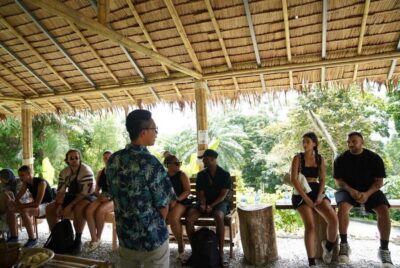
Elephant Sanctuary Guided Tour with Hotel Transfers
Read our review →
Browse the lists this tour appears in