
Reviewed · TEMPLE TOURS
Chiang Mai Temples Visit Walking Tour with Ex-Monk Guide Part 2
Chiang Mai’s temples reward patient eyes. I like this tour for its ex-monk guide and its carefully chosen route through four very different Buddhist sites, from Wat Chiang Man to Wat Lok Molee. I also like that the guide invites questions, including the sort of questions families may have about Buddhist practice. The main consideration is simple: three and a half hours of walking in the afternoon may feel long in hot or wet weather.
This is not just a quick parade of temple courtyards. Katoon, the guide named in several guest accounts, explains temple customs, Buddhist ideas, and his former monastic life with care and patience. The group can include up to 20 people, so the experience may feel less personal at full capacity, and bottled water is not included.
In This Review
- Key points to know before you book
- Why an ex-monk changes the temple visit
- Starting at Three Kings Monument at 1 p.m.
- Wat Chiang Man, Chiang Mai’s first temple
- Wat Pa Pao and the Tai Yai connection
- Wat Chiang Yuen and its Burmese colonial gate
- Wat Lok Molee and traditional Lanna design
- The value of $25.92 for three and a half hours
- What to bring for an afternoon walk
- Who will enjoy this Chiang Mai temple walk
- How this experience compares with visiting alone
- Should you book the ex-monk temple tour?
- FAQ
- Where does the Chiang Mai temple tour begin?
- Where does the tour end?
- How long does the temple walking tour last?
- Which temples are included?
- Is the tour available in English?
- Is bottled water included?
Key points to know before you book
- An ex-monk leads the walk: Katoon brings personal experience to explanations of Buddhism, temple life, and respectful behavior.
- Four temples show different sides of Chiang Mai: You visit Wat Chiang Man, Wat Pa Pao, Wat Chiang Yuen, and Wat Lok Molee.
- The route begins at Three Kings Monument: Meet at 1:00 p.m. for a short introduction before setting off.
- The tour suits curious families: Children as young as two and seven joined one reported booking, and the guide welcomed questions.
- The price is modest for a guided half-day: At $25.92 per person, you pay for interpretation and access to sites that otherwise can be hard to understand.
- Plan for weather and water: The tour requires good weather, and you should bring your own bottle.
Why an ex-monk changes the temple visit
Many temple tours give you dates, names, and a few facts about architecture. That can be useful, but Buddhism is also a lived practice, and this walk has a guide who can explain it from personal experience.
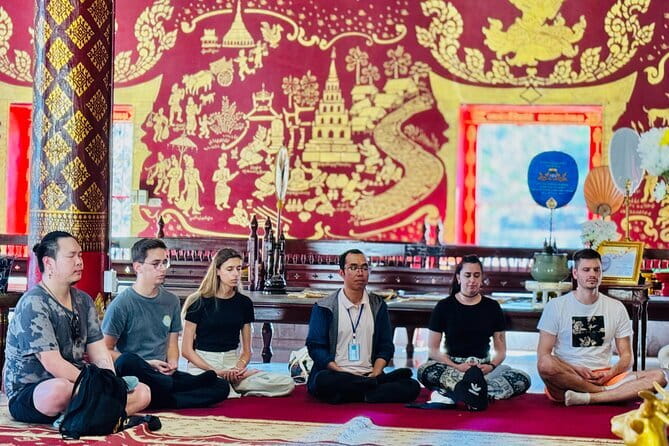
Katoon is described as an ex-monk who answers questions about his former life with patience. That makes the experience different from a standard sightseeing walk. You can ask about temple behavior, Buddhist ideas, and the meaning behind actions that may otherwise look mysterious.
One especially useful detail is the distinction between praying and Buddhist practice. During the tour, Katoon teaches visitors how to show respect in a temple while explaining that the action is not simply prayer in the way many Western visitors understand it. That kind of clarification can prevent awkward mistakes and help you look at Buddhist customs with more care.
I like the fact that the guide encourages questions rather than delivering a fixed speech and moving on. A family of two adults and three children found that he answered what they asked and added more context. Another family with children aged seven and two appreciated his friendly, patient manner.
Of course, the quality of a walking tour depends heavily on the guide assigned that day. Katoon is the guide specifically praised in the available accounts, but the booking information allows for an English or Chinese-speaking guide with a Tourism Authority of Thailand license. If having Katoon matters to you, confirm the guide when booking rather than assuming it is guaranteed.
More Temple Tours in Chiang Mai
- Chiang Mai: Chiang Rai Temples, Karen Tribe and Hot Springs
★ 4.7 · 5,401 reviews - Chiang Rai White Temple and Blue Temple Day Tour
★ 4.6 · 3,366 reviews - Chiang Mai: White, Red/Black & Blue Temples Tour with Lunch
★ 4.2 · 2,017 reviews
Starting at Three Kings Monument at 1 p.m.
The walk begins at Three Kings Monument in the old city, on Prapokklao Road. This is more than a pin on a map. It gives the guide a natural place to introduce Chiang Mai and explain how the afternoon will work before you enter the first temple.
The opening lasts about 10 minutes and has no admission charge. Use that time to settle in, ask early questions, and make sure you have water with you. Since the tour starts at 1:00 p.m., the sun may still be strong, so light clothing, comfortable shoes, and sun protection are sensible choices.
The meeting point is near public transportation, and the tour ends back there. That return is helpful if you are planning dinner, another old-city visit, or a simple walk back to your hotel.
The group limit is 20 people. That is not a tiny private walk, but it is small enough to remain manageable if everyone stays close. At the maximum size, you may need to move nearer to the guide when he is explaining details in a courtyard or hall.
Wat Chiang Man, Chiang Mai’s first temple
The first temple is Wat Chiang Man, built in 1296. It is regarded as the first temple constructed in Chiang Mai, which gives this stop unusual importance at the beginning of the route.
You spend about 45 minutes here, the longest scheduled visit. That makes sense. Wat Chiang Man provides the historical and religious starting point for understanding the city, rather than serving as a quick photo stop.
The value of a guide is clear here. A date such as 1296 is easy to remember, but it does not explain why the temple matters or how it fits into Chiang Mai’s beginnings. Katoon can connect the site to Buddhism, local history, and temple customs in a way a sign cannot.
Expect this stop to set the tone for the rest of the afternoon. You are not simply checking off a famous building. You are learning how to read a temple, how to behave inside one, and how to ask better questions at the next three sites.
The possible drawback is that a 45-minute explanation can feel slow if you mainly want photographs. This tour is best for you if you want meaning and context, not just a collection of attractive buildings.
Wat Pa Pao and the Tai Yai connection
The second temple, Wat Pa Pao, offers a different angle. It is described as the first temple of the Ngiaw, or Tai Yai, community in Chiang Mai and was constructed in 1883 during the reign of Prachao Intawichayont. Lady Bua Lhai, a Tai Yai concubine of the king, is credited with its construction.
That story gives the temple a strong community focus. You are not only looking at Buddhist architecture. You are also learning how Chiang Mai’s religious life has been shaped by different cultural groups.
The scheduled visit lasts about 30 minutes. That is enough time for a focused explanation without making the stop feel heavy. It also keeps the afternoon moving, which matters on a walking route with four temples.
I like this inclusion because it prevents the tour from becoming a greatest-hits circuit. Wat Chiang Man is tied to the city’s early foundation, while Wat Pa Pao opens a window onto Tai Yai identity and local religious history.
The available information does not specify every building or artwork you will see here, so you should not expect a detailed list of features in advance. The strength of the stop is its cultural context, explained on site.
More Walking Tours in Chiang Mai
- Chiang Mai: 3 Hour Old City and Temples Guided Walking Tour
★ 4.6 · 1,568 reviews - Chiang Mai: Historic Temples and City Guided Walking Tour
★ 4.7 · 650 reviews - Chiang Mai: Temple And City Walking Tour Part I
★ 4.7 · 244 reviews - Chiang Mai: Local Food and Markets Guided Walking Tour
★ 4.3 · 175 reviews
Wat Chiang Yuen and its Burmese colonial gate
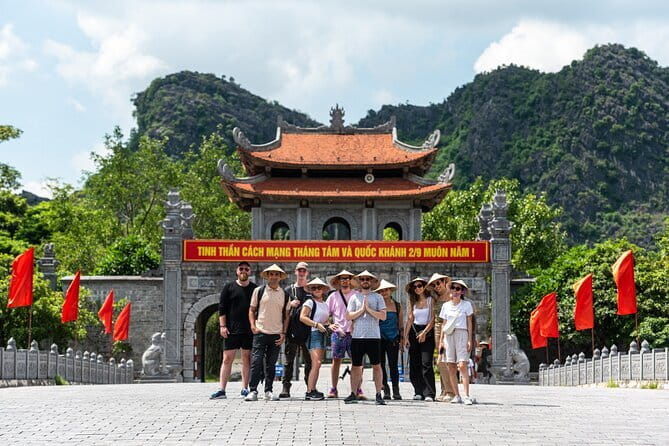
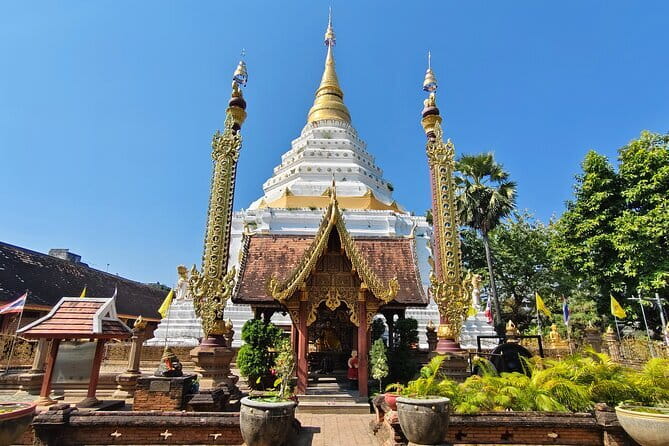
Wat Chiang Yuen is scheduled for another 30-minute visit. Its best-known features include an ancient Burmese colonial gate and a beautiful pavilion, along with other distinctive details linked to the Lanna kingdom.
This is where the route adds architectural variety. You have already seen an old foundation temple and a Tai Yai religious site. Wat Chiang Yuen gives you a chance to notice Burmese influence and the wider connections that shaped northern Thailand.
A guide can make a gate more than a backdrop. You may find that the details around an entrance, pavilion, or courtyard tell you about artistic influence, royal connections, or the way a temple functions. The supplied description points to the site’s unique attributes, but the full value comes from asking Katoon what you are looking at and why it matters.
The half-hour limit is sensible for a walking tour. It gives you time to look around without leaving you standing in the afternoon heat for too long. Still, anyone who likes to linger over architectural details may want more time here.
Wat Lok Molee and traditional Lanna design
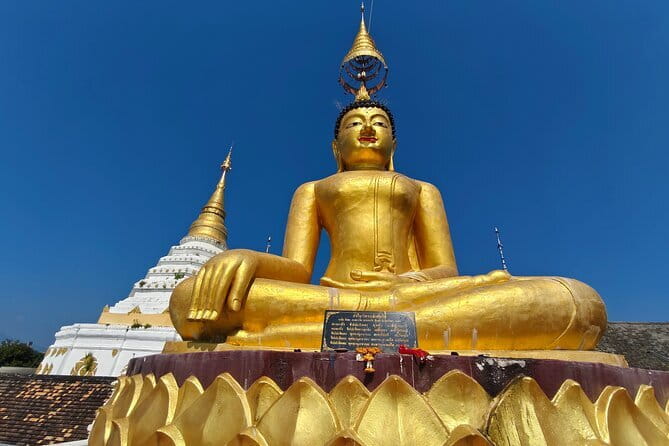
The final temple is Wat Lok Molee, with about 45 minutes set aside for the visit. Its wooden chanting hall and traditional Lanna architecture provide a fitting close to the route.
This stop shifts attention toward design and religious use. A chanting hall is not just a decorative wooden building. It points to the sounds, gatherings, and daily practices that make a temple a living place of worship.
The Lanna style is central to northern Thai identity, and this is a useful place to connect architecture with the region. You can compare what you have seen earlier in the afternoon with the lines, materials, and forms of this traditional wooden hall.
I appreciate that the tour saves another longer visit for the end. By this point, you have enough background to ask sharper questions. You may also have a better sense of how each temple differs, rather than treating every roof and statue as part of one blurry sequence.
As with Wat Chiang Man, the 45-minute stop may feel too long if your interest is limited to taking pictures. If you want a calm explanation of temple design and practice, it gives the guide room to finish the walk properly.
The value of $25.92 for three and a half hours
At $25.92 per person, this is priced as an affordable guided activity rather than a luxury private tour. The important question is not simply how many temples you see. It is what you would understand without a guide.
Admission tickets are listed as free at the scheduled stops, so the price is mainly paying for the guide’s time, language service, route planning, and interpretation. That is good value if you want to understand Buddhist customs and local history instead of reading a few signs on your own.
The tour lasts approximately three hours and 30 minutes. Four temple visits, a starting introduction, and the walk between sites create a substantial afternoon activity. You get a focused cultural experience without committing to a full-day excursion.
The value is strongest for first-time visitors to Chiang Mai, families who want explanations in plain language, and anyone curious about Buddhism. It is less compelling if you already know the temples well or prefer to explore at your own pace.
The guide speaks English or Chinese and holds a TAT license. That is useful for visitors who want clear communication, though the listing does not promise both languages on every departure. Check the language offered at your chosen time.
What to bring for an afternoon walk
Bottled water is not included, so bring your own. That is the most practical point to remember, especially because the tour begins at 1:00 p.m. and includes several outdoor walks between stops.
Wear shoes you can comfortably use for three and a half hours. The supplied details do not state the walking distance or provide a formal dress code, so I would avoid assuming that the route is effortless or that every surface will be the same.
Good weather is required. If poor weather cancels the activity, you are offered another date or a full refund. You can also cancel for a full refund up to 24 hours before the local start time. Changes or cancellations inside that window are not accepted.
Most people can participate, and the activity is near public transportation. The information does not give specific accessibility details, so anyone who needs step-free access or has mobility concerns should confirm the route before booking.
Who will enjoy this Chiang Mai temple walk
I would recommend this experience to you if you want the religious side of Chiang Mai explained with care. The ex-monk perspective is the main reason to choose it, especially if you have questions about Buddhist practice rather than only architecture.
Families are another good fit. The guide is described as patient with children and willing to answer questions from the whole group. That matters because children may ask direct questions that a rushed guide ignores. Here, curiosity is part of the experience.
This is also a good match for visitors who prefer a small cultural activity over a packed sightseeing schedule. You see four temples, but the tour gives each one a purpose and a different cultural connection.
You may want to skip it if you dislike walking, afternoon heat, or scheduled visits. The group can reach 20 people, and the tour returns to its starting point rather than ending near another major attraction.
The tour is also not designed as a meditation retreat. The description focuses on Buddhist history, philosophy, practices, sacred sites, and mindfulness themes, but the scheduled program centers on temple visits and guided discussion. Book it for learning and observation, not for a long silent session.
How this experience compares with visiting alone
You can visit Chiang Mai temples independently, and admission is free at the listed stops. Going alone gives you freedom to stay longer, leave sooner, or wander without a timetable.
What you lose is interpretation. Wat Chiang Man’s 1296 foundation, Wat Pa Pao’s Tai Yai connection, Wat Chiang Yuen’s Burmese colonial gate, and Wat Lok Molee’s Lanna chanting hall become much more meaningful when someone explains how they fit together.
The personal angle also matters. An ex-monk can answer questions about monastic life and Buddhist customs in a way a printed guide may not. That does not make the guided walk the only good choice, but it gives the $25.92 fee a clear purpose.
I would use an independent visit if you already know Buddhism and northern Thai architecture. For a first visit, I think the guided route offers better understanding for a modest price.
Should you book the ex-monk temple tour?
Book this tour if you want four Chiang Mai temples explained through Buddhism, local culture, and personal experience. The strongest reasons are Katoon’s patient teaching style, the chance to ask honest questions, and a route that includes less obvious cultural connections such as the Tai Yai history of Wat Pa Pao.
Bring water, prepare for an afternoon walk, and allow the full three and a half hours. If the weather is uncertain, the flexible cancellation policy provides some protection, but you still need to cancel at least 24 hours ahead for a full refund.
I would choose it for curious adults, families, and first-time visitors. I would not choose it for a fast photo tour or a private, completely flexible temple visit. At $25.92, it is a sound buy when understanding matters as much as seeing.
FAQ
Where does the Chiang Mai temple tour begin?
The tour begins at Three Kings Monument on Prapokklao Road in Chiang Mai. The meeting point has free admission, and the start time is 1:00 p.m.
Where does the tour end?
The activity ends back at Three Kings Monument, the same place where it begins.
How long does the temple walking tour last?
The tour lasts approximately three hours and 30 minutes.
Which temples are included?
The route includes Wat Chiang Man, Wat Pa Pao, Wat Chiang Yuen, and Wat Lok Molee.
Is the tour available in English?
The tour includes an English or Chinese-speaking guide who holds a TAT license. Confirm the available language when booking.
Is bottled water included?
No. Bottled water is not included, so bring your own.
Just added in Chiang Mai
- One day Elephants in Nature Experience & Grand Canyon Jumping★ 5.0 · 31 reviews
- Full Day Doi Saket Hiking Tour★ 5.0 · 14 reviews
- Pha Dok Siew Nature Trail & Doi Inthanon National Park From Chiang Mai★ 4.0 · 23 reviews
- Chiang Mai to White & Blue Temple, Black Museum & Golden Triangle★ 4.0 · 52 reviews
- One day Doi Inthanon National Park & Trekking on Kew Mae Pan★ 5.0 · 12 reviews
- Private Tour 2 Difference Trails Trekking at Doi Inthanon National Park★ 5.0 · 19 reviews
- Half day Long Neck hill tribe and Hmong hill tribe village★ 5.0 · 21 reviews
- One Day Tour Chiang Rai(White Temple , Blue Temple, Black House) Private Tour★ 5.0 · 63 reviews
Temple Tours, compared.
Chiang Rai Temples, Karen Tribe and Hot Springs
Read our review →
City Highlights Temple and Market Walking Tour
Read our review →
Bangkok by Night: Temples, Markets and Food Tuk-Tuk Tour
Read our review →
Grand Palace, Wat Pho, and Wat Arun Guided Tour
Read our review →
Tiger Cave Temple, Emerald Pool and Hot Springs Tour
Read our review →
Chiang Rai White Temple and Blue Temple Day Tour
Read our review →Browse the lists this tour appears in