
Reviewed · MARKETS AND FLOATING MARKETS
Chiang Mai: Local Food and Markets Guided Walking Tour
Eat Chiang Mai one small stall at a time. This 150-minute walking tour links family-run food stops, Warorot Market, and Ton Lamyai’s flower stalls without the guesswork of ordering alone. I like the mix of sweet and savory bites, especially the peanut-filled Khao Kriab Pak Moh and Hakka-style noodles. I also like the local guide’s role: guides such as Koi, Patty, Nom, and Banana have been praised for explaining food customs and helping with orders.
The main drawback is simple: food is not included in the $48 price, so you must carry cash and pay at each stop. The route can also feel quick, with about four or five main tastings. If you want a long food crawl with a dozen dishes, this is not it. If you want an easy introduction to Chiang Mai’s market food, it makes good sense.
In This Review
- Key points to know before you book
- Why this short food walk works in Chiang Mai
- Meeting at Khua Khaek beside the flower market
- First taste: Khao Kriab Pak Moh at Lung Khajohn Wat Ket
- Ton Lamyai Flower Market adds color without adding much fuss
- The dinosaur-shaped pa thong go at Go Neng
- Warorot Market is the tour’s main food lesson
- Mango sticky rice supplies the sweet middle course
- The final bowl at Thana Ocha
- Is $48 good value when tastings cost extra?
- Timing, pace, and who should book
- Should you book the Chiang Mai food walk?
- FAQ
- How long does the Chiang Mai food tour last?
- What is the meeting point?
- Where does the tour finish?
- What foods can I try?
- Is food included in the $48 price?
- Which languages are available?
- Is a vegan option available?
- Is the afternoon departure a good choice?
- Can I cancel the booking?
Key points to know before you book
- The route begins at Chansom Memorial Bridge, also called Khua Khaek, opposite Ton Lamyai Flower Market.
- You taste four signature foods, including steamed rice skin dumplings, pa thong go, mango sticky rice, and Hakka-style noodles.
- Morning departures are the safest choice, since some restaurants close by early afternoon.
- Warorot Market gives you more than food, with produce, clothing, snacks, herbs, and everyday local shopping.
- The walking is real exercise, with one person estimating roughly 2.5 miles over the course of the tour.
- The $48 fee covers the guide and walking tour, but all tastings are extra.
Why this short food walk works in Chiang Mai
Chiang Mai is easy to enjoy badly. You can eat at familiar tourist restaurants, visit the same night market stalls, and leave without learning much about northern Thai food. This tour gives you a better first step: follow someone who knows the food streets, ask questions as you go, and try dishes you might pass by on your own.
The route focuses on the area around the Ping River and Warorot Market. It is not a grand city tour, but you get small pieces of local life along the way. You may pass market vendors, flower sellers, food stalls, temples, and shops serving Thai and Chinese-influenced dishes.
I especially like the balance between planned stops and guide flexibility. One stop may be closed, a stall may be too crowded, or a dish may not be available. Guides have adjusted the route in those situations, sometimes adding another food stall or a nearby cultural stop. That flexibility matters in Chiang Mai, where opening hours and daily market conditions can change.
The group size is not specified, and it can vary. Some departures have been small enough for only one or two people. A smaller group makes it easier to ask questions and keep pace in crowded market lanes, but you should not book assuming you will have a private tour.
More Markets and Floating Markets in Chiang Mai
- Chiang Mai: Cooking Class, Market & Thai Herbs Garden Tour
★ 4.9 · 4,824 reviews - Chiang Mai: Authentic Cooking Class with Market & Farm Visit
★ 4.9 · 4,546 reviews - Chiang Mai: Cooking Class with Market and Pickup
★ 4.9 · 1,365 reviews
Meeting at Khua Khaek beside the flower market
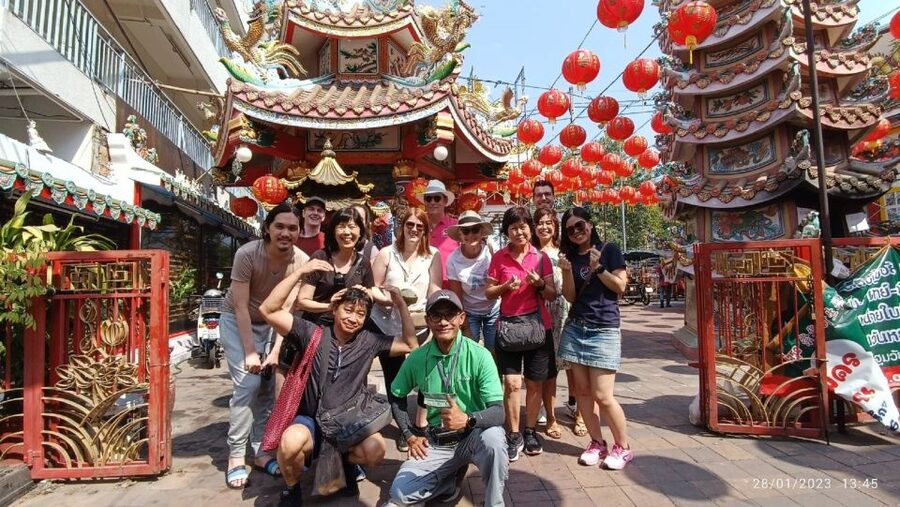
The meeting point is Chansom Memorial Bridge, known locally as Khua Khaek, opposite Ton Lamyai Flower Market. The tour begins on Praisanee Road and finishes at Ton Lam Yai Market, so you are not being driven from one isolated restaurant to another. The food stops are connected by foot.
You should arrive about 10 minutes early. Look for the guide holding a TripGuru sign. The operator sends an email the evening before with the confirmed meeting time and point, so check your inbox before setting out.
Morning traffic can be slow and unpredictable. Navigation apps may give an optimistic arrival time, so leave a buffer. The guide can wait only 10 minutes after the scheduled start.
Wear shoes that are comfortable for a brisk walk. Chiang Mai can be hot, and market floors may be uneven or damp. Sunglasses, a hat, sunscreen, insect repellent, and a camera are sensible. Keep some Thai baht in an easy-to-reach pocket because food costs are paid separately at the stops.
First taste: Khao Kriab Pak Moh at Lung Khajohn Wat Ket
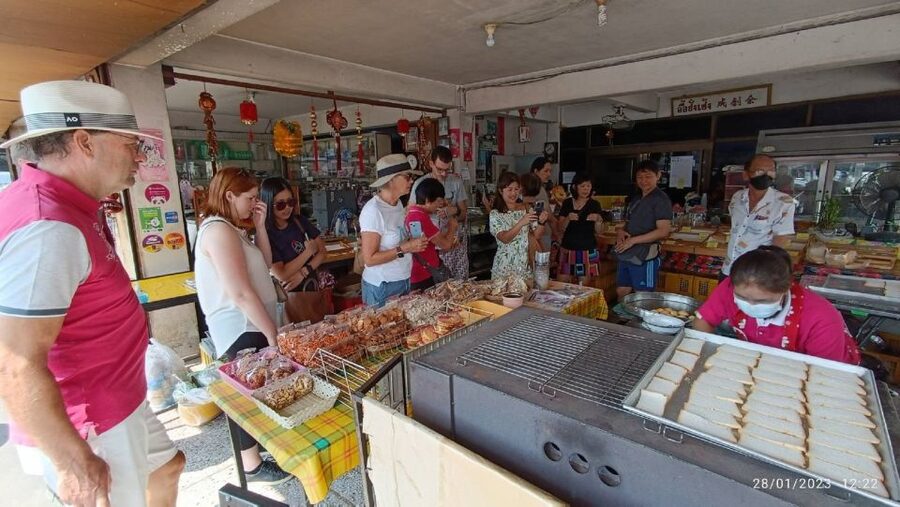
The first stop is Lung Khajohn Wat Ket, known for Khao Kriab Pak Moh. These are sweet steamed rice skin dumplings, usually filled with peanuts. The soft outer layer and sweet filling make them a gentle beginning, especially if you are still adjusting to the range of Thai flavors.
This is the kind of snack that can be hard to identify when you are looking at a crowded food counter. A guide can explain what you are eating, how it is made, and why it is popular. That explanation is part of the value here. You are not simply handed a mystery dumpling and moved along.
Several people have singled out the first stop as one of the best parts of the route. It is also a useful reminder that Chiang Mai food is not limited to spicy curry and noodle soup. Small steamed snacks deserve attention too.
The timing may affect what you receive. Food availability can change with the weather, restaurant schedules, and the day’s supply. The advertised dishes are possible tasting choices, not a guaranteed fixed menu.
Ton Lamyai Flower Market adds color without adding much fuss
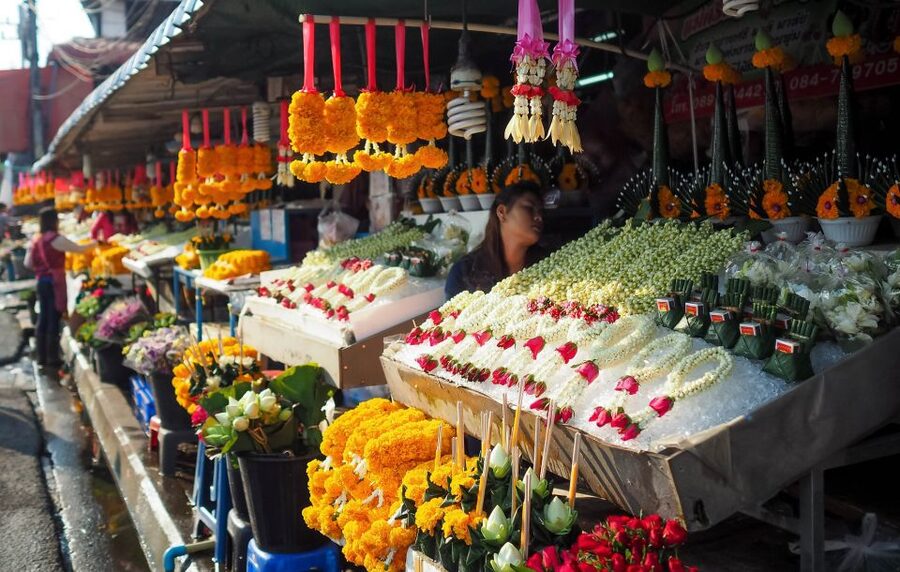
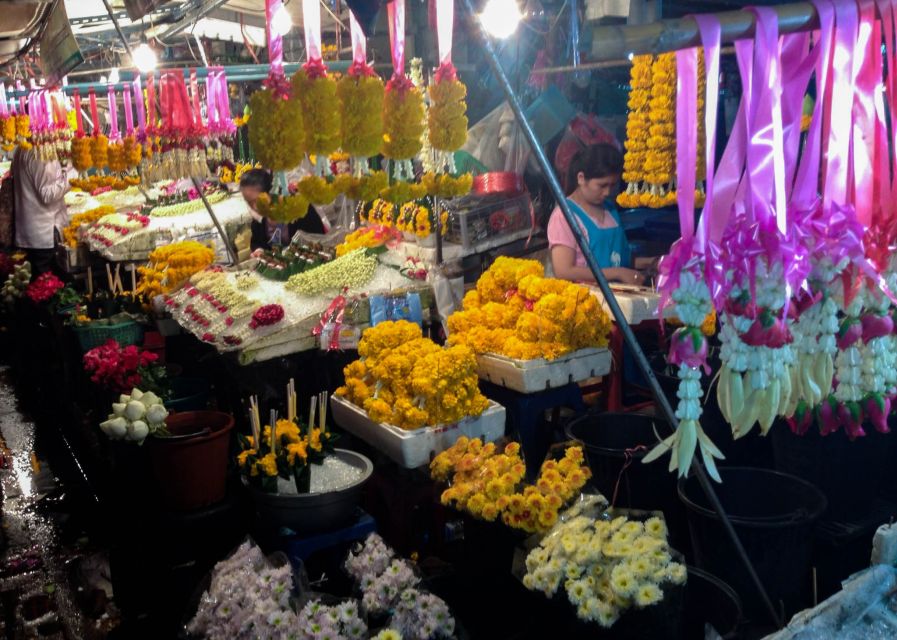
After the first snack, you pass through Ton Lamyai Flower Market. This is a visual break from eating, with fresh flowers, herbs, and market activity close to the river.
The flower market is not presented as a separate workshop or lengthy guided visit. Think of it as part of the walking route, a chance to see the raw ingredients and decorative plants that fill local stalls. It also gives your stomach a short rest before the next bite.
I like this stop because it prevents the tour from becoming a procession of plates. You get a look at shopping culture, not just prepared food. Bring your camera, but stay aware of shoppers and vendors in the narrow areas.
The finish is also listed at Ton Lam Yai Market, while the meeting point is opposite the flower market. Your guide should clarify the exact end point on the day, particularly if market conditions cause a small route change.
More Walking Tours in Chiang Mai
- Chiang Mai: 3 Hour Old City and Temples Guided Walking Tour
★ 4.6 · 1,568 reviews - Chiang Mai: Historic Temples and City Guided Walking Tour
★ 4.7 · 650 reviews - Chiang Mai: Temple And City Walking Tour Part I
★ 4.7 · 244 reviews - Chiang Mai: Historical and Culture Exploration Walking Tour
★ 4.6 · 40 reviews
The dinosaur-shaped pa thong go at Go Neng
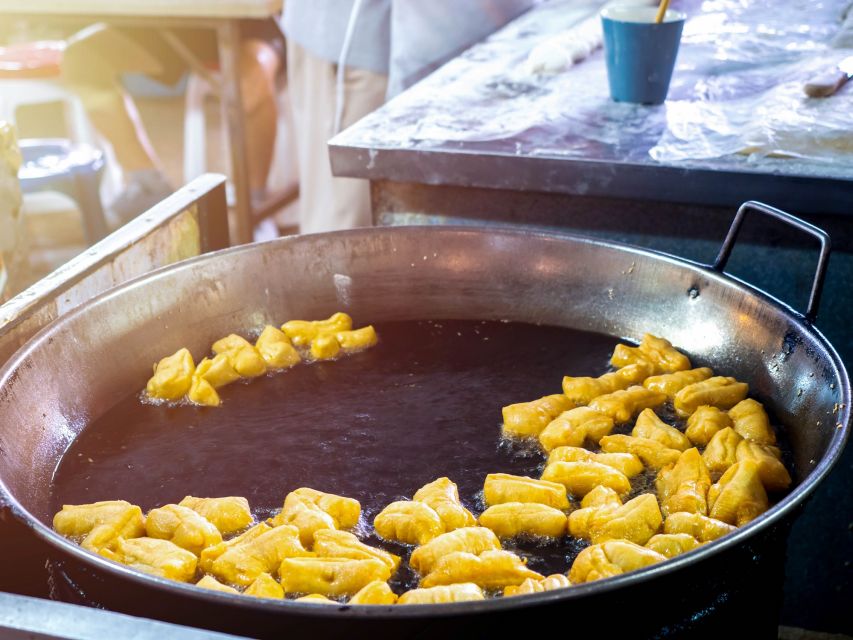
At Go Neng, you try pa thong go, Chinese-style deep-fried dough sticks. Some pieces are shaped in amusing forms that have been compared to dinosaurs. The shape is part of the fun, but the real appeal is the crisp, fried dough and its popularity as a local snack.
This is a good stop for people who enjoy trying familiar ingredients in a different form. It is not a complex dish, but it is tied to the everyday rhythm of breakfast and snack stalls. You may also find soy milk or similar breakfast pairings, depending on the guide’s chosen stop and what is available.
One caution: fried dough is filling. If you arrive after a large breakfast, you may already feel full before reaching the noodle stop. The best strategy is to eat a little at each place rather than treating every portion as a full meal.
The tour moves at a fairly quick pace between stops. One account described a fast walk through the market area, and another estimated about 2.5 miles overall. If you have mobility limits, heart or respiratory problems, or are pregnant, this experience is not recommended.
Warorot Market is the tour’s main food lesson
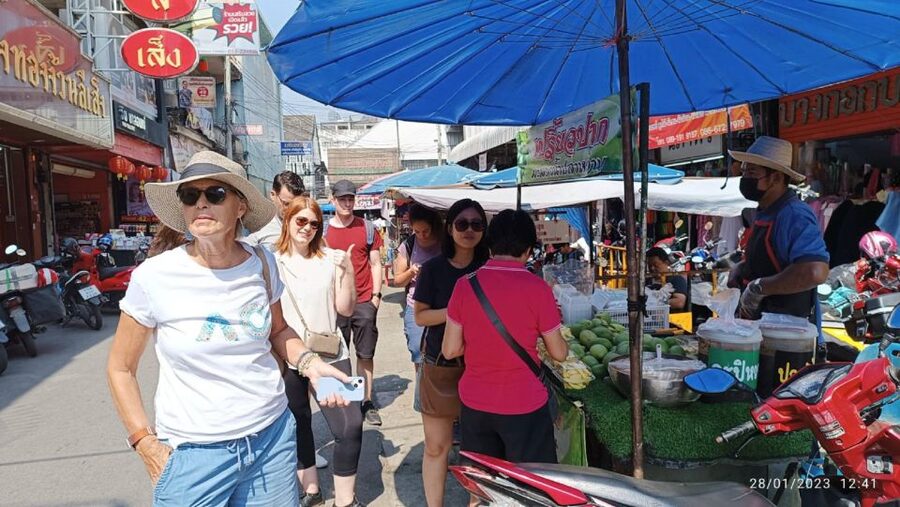
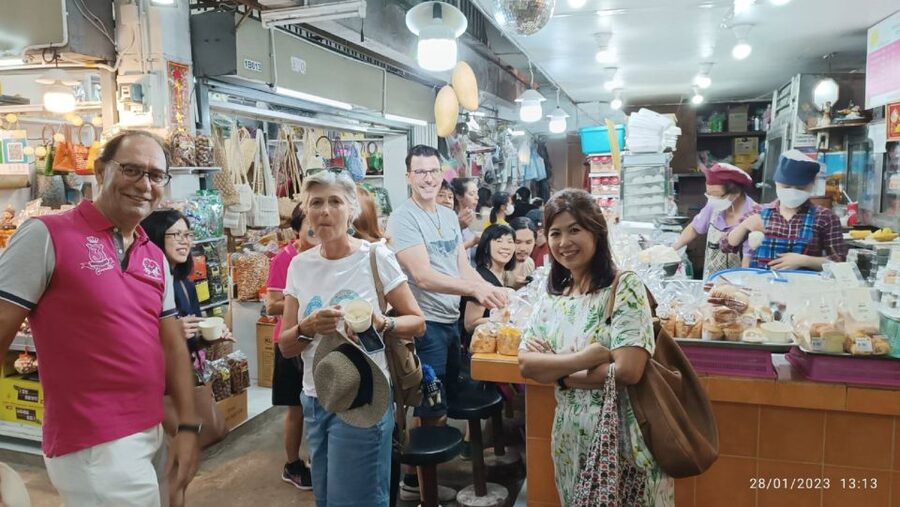
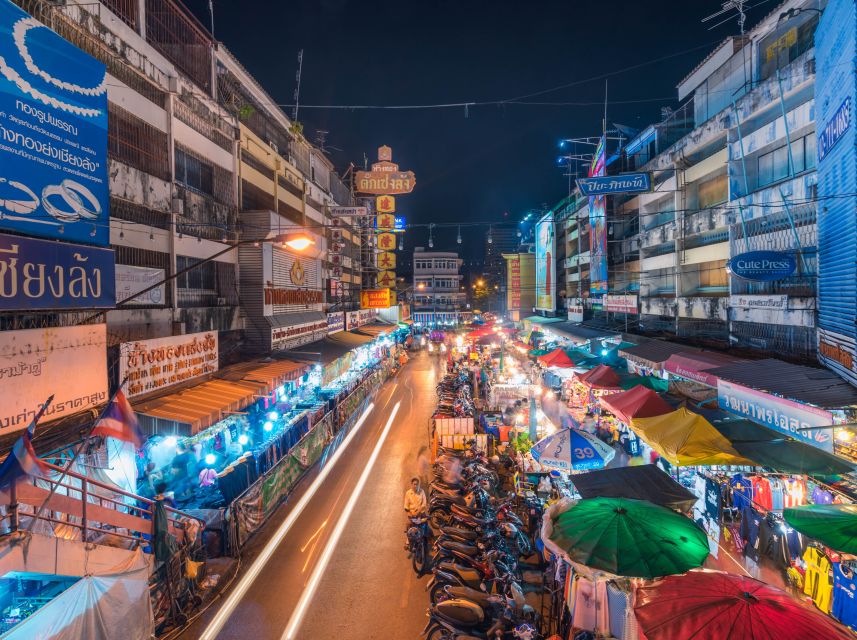
Warorot Market is the heart of the route. It sells snacks, produce, clothing, and much more, so your guide has room to explain both food and daily shopping habits.
This is where the tour becomes more than a list of tastings. You can ask about unfamiliar ingredients, regional snacks, herbs, spice combinations, and the difference between foods made for quick eating and foods bought to take home. Guides have also pointed out buildings, temples, and local customs along the way, giving the walk a small city-tour element.
You may want to buy food or packaged snacks here. If so, bring extra cash and leave room in your bag. The tour fee does not cover shopping, and the guide may help you understand what you are buying, but you remain responsible for payment.
The market can be crowded, especially at peak times. Stay close enough to hear the guide, and do not expect to stop at every stall. The value comes from having someone select a few useful stops instead of trying to inspect the entire market in 20 minutes.
Mango sticky rice supplies the sweet middle course
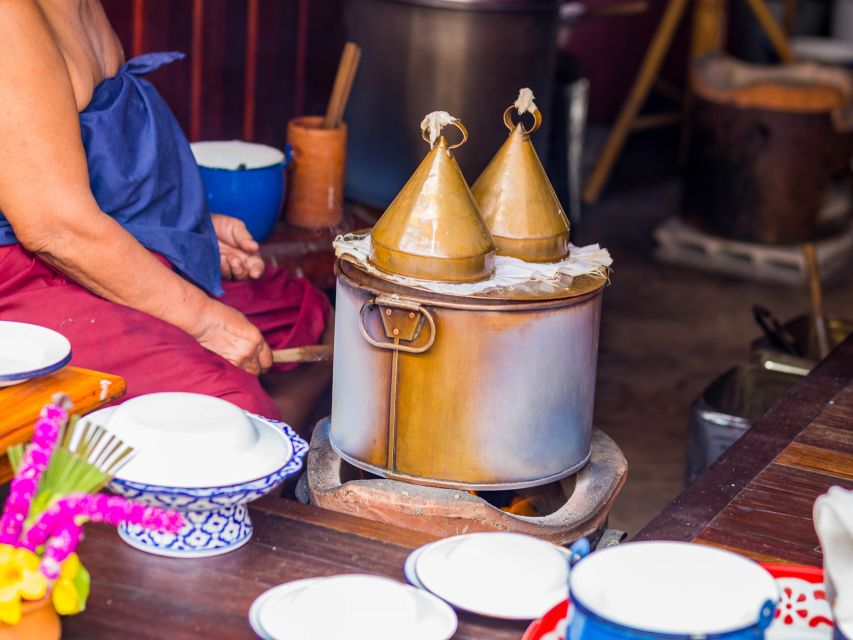
The guide leads you to a stall selling mango sticky rice. This is a familiar Thai dessert, but it tastes different when the mango is fresh and the sticky rice is properly prepared.
It is also a practical choice for the route. After dumplings and fried dough, you get something softer and fruit-based before the final savory dish. The exact serving size and mango quality can vary with the season and the stall’s supply.
One useful point from the route design is that dessert does not come at the very end. The walking order can feel a little zigzagged because food stops are arranged around the market, but the spacing gives you time to digest. You will appreciate that by the time you reach the noodles.
If you are vegan, this tour is not suitable. No vegan option is available. Vegetarians should ask the operator or guide about the day’s alternatives rather than assume every dish can be changed.
The final bowl at Thana Ocha
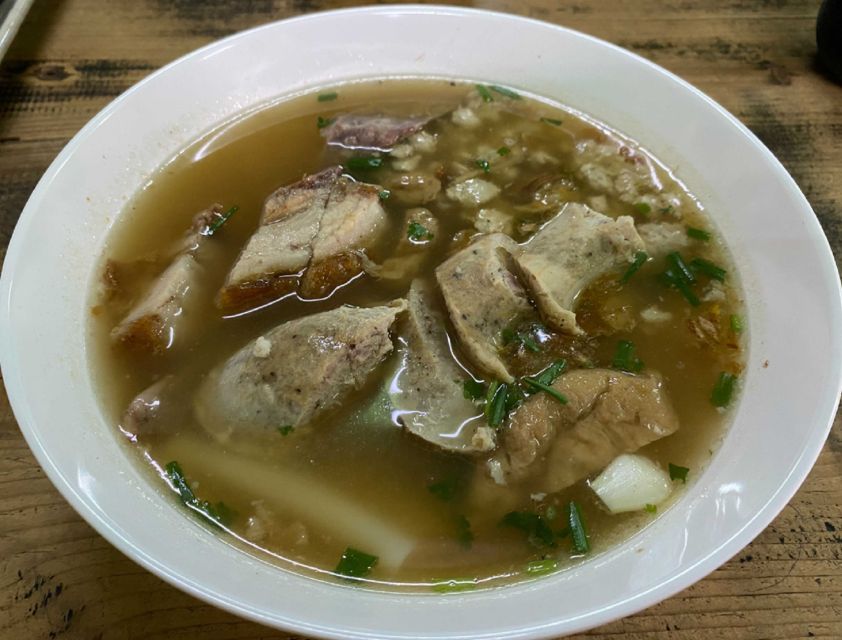
The last planned stop is Thana Ocha, known for Hakka-style noodles served with Hakka stuffed tofu, fish sausage, and wontons. This is the most substantial dish on the route and a fitting finish after several snacks.
The bowl reflects Chiang Mai’s Chinese food influences. You are not limited to one narrow idea of Thai cuisine. The meal brings together noodles, stuffed tofu, sausage, and wontons in one savory serving, giving you a fuller sense of the area’s mixed food traditions.
This stop received especially strong praise from people who enjoyed the first dumplings and the final noodle soup most. It is also where the advice to skip a heavy breakfast matters most. By the end, you may be comfortably full rather than merely sampling.
The restaurant may be closed or unavailable on a particular day. In that case, the guide can take you to another local food stall. For the 2:30 pm departure, alternative stops are particularly likely because many restaurants close by early afternoon. Book a morning time if you want the best chance of following the named route.
Is $48 good value when tastings cost extra?
At $48 per person, this is not a bargain if you judge it only by the amount of food. The tastings are paid separately, and the route includes only a handful of main stops. You could spend less by exploring Warorot Market alone.
The better question is what the guide saves you from. You do not need to identify unfamiliar stalls, work out how to order, or guess which foods are worth trying. You also receive explanations about ingredients, customs, and the places you pass. Guides have helped with ordering, found seats, carried shopping bags, and changed the plan when a business was closed.
That makes the price more reasonable for a first day in Chiang Mai, particularly if you want help getting your bearings. It is less attractive for an experienced Thailand visitor who already knows the markets and speaks enough Thai to order confidently.
The carbon emissions offset credits and GSTC-certified approach may also matter to you. This is a low-impact walking activity rather than a tour requiring a private vehicle between every stop. The certification does not change the food, but it gives the tour a more responsible operating framework.
Timing, pace, and who should book
I would choose a morning departure. Markets are active, food stalls are more likely to be open, and you avoid the risk of rushing through the route before restaurants close. A lunchtime slot can work well if you want the tour to serve as your main meal, but arrive hungry.
The 2:30 pm option offers flexibility, though it carries the greatest chance of changed stops. Guides are expected to use alternatives, but you should not select that time if eating at every named restaurant is your main reason for booking.
This tour suits:
- First-time visitors who want an introduction to Chiang Mai food
- People who prefer tasting small portions instead of ordering full meals
- Couples and small groups who enjoy walking and asking questions
- Families with adaptable older children, though the pace and food choices may not suit every child
- Anyone who wants market recommendations for the rest of a Chiang Mai stay
It is a poor fit for vegans, people with mobility impairments, pregnant people, and anyone with heart or respiratory problems. It is also not ideal if you want a slow, seated food seminar.
The guides are a major part of the experience. Names praised for friendly service and clear English include Koi, Patty, Nom, Banana, Nancy, Sunny, Nana, and Mia Nana. The assigned guide will vary, but the pattern is clear: a good guide can turn four food stops into a useful lesson about Chiang Mai.
Should you book the Chiang Mai food walk?
Book it if you want a short, guided introduction to local snacks and markets, especially early in your stay. The strongest reasons are the easy ordering, the food explanations, the flower market, and the chance to reach stalls you might not find alone.
Skip it if you want a large number of tastings, a slow pace, included food, or a fully fixed itinerary. You should also budget for each dish and choose comfortable shoes.
My practical call: choose a morning slot, eat only a light breakfast, bring cash, and treat the $48 as payment for access and guidance rather than a prepaid meal. With those expectations, this is a useful and tasty way to get your first sense of Chiang Mai’s food streets.
FAQ
How long does the Chiang Mai food tour last?
The activity lasts 150 minutes, or about two and a half hours.
What is the meeting point?
Meet at Chansom Memorial Bridge, locally called Khua Khaek, opposite Ton Lamyai Flower Market.
Where does the tour finish?
The tour finishes at Ton Lam Yai Market.
What foods can I try?
Possible tastings include Hakka-style noodles, mango sticky rice, pa thong go deep-fried dough sticks, and Khao Kriab Pak Moh steamed rice skin dumplings.
Is food included in the $48 price?
No. The price includes the guide, walking tour, and carbon emissions offset credits. Food and tastings must be paid for separately.
Which languages are available?
The tour is offered with a live guide in English or Thai.
Is a vegan option available?
No vegan option is available, and vegans are listed as unsuitable for this activity.
Is the afternoon departure a good choice?
The 2:30 pm departure can work, but many restaurants close by early afternoon. The guide may use alternative street food stalls, so morning departures are recommended if you want the planned stops.
Can I cancel the booking?
You can cancel up to 24 hours in advance for a full refund. Reserve now and pay later is also available.
Just added in Chiang Mai
- Full Day Doi Saket Hiking Tour★ 5.0 · 14 reviews
- Pha Dok Siew Nature Trail & Doi Inthanon National Park From Chiang Mai★ 4.0 · 23 reviews
- One day Elephants in Nature Experience & Grand Canyon Jumping★ 5.0 · 31 reviews
- Chiang Mai to White & Blue Temple, Black Museum & Golden Triangle★ 4.0 · 52 reviews
- One day Doi Inthanon National Park & Trekking on Kew Mae Pan★ 5.0 · 12 reviews
- Private Tour 2 Difference Trails Trekking at Doi Inthanon National Park★ 5.0 · 19 reviews
- One Day Hiking and Elephant experience by Chiang Mai Elephant Home★ 5.0 · 75 reviews
- Half day Long Neck hill tribe and Hmong hill tribe village★ 5.0 · 21 reviews
Markets and Floating Markets, compared.
Damnoen Saduak Market and Maeklong Railway Market
Read our review →
The Old Siam: Damnoen Saduak and Maeklong Railway Market
Read our review →Train Market & Floating Market with Boat Ride
Read our review →
Ayutthaya & Ayothaya Floating Market Day Trip
Read our review →
Cooking Class, Market & Thai Herbs Garden Tour
Read our review →
Authentic Cooking Class with Market & Farm Visit
Read our review →
City Highlights Temple and Market Walking Tour
Read our review →Browse the lists this tour appears in