
Reviewed · THAI COOKING CLASSES
Bangkok: Half-Day Thai Cooking Class in Bangrak District
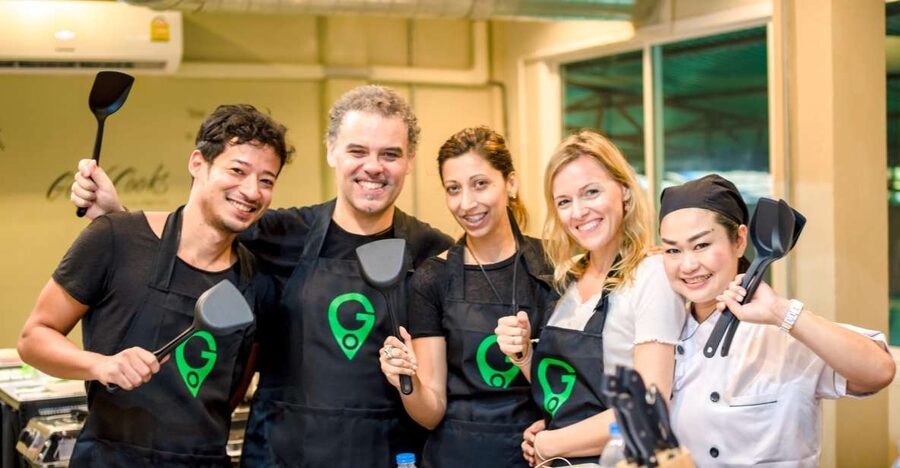
Come hungry, leave with recipes. This four-hour class offers a tasty way to meet Bangkok through its ingredients, cooking methods, and everyday food culture. I especially like the morning market visit, where Chef Sarin or another instructor can point out the fresh produce, noodles, tofu, spices, and sauces used in Thai kitchens. I also like the hands-on format: you do not simply watch a chef cook five dishes, you prepare them and sit down to eat the results.
The main drawback is that the menu changes daily, so you cannot count on making Pad Thai, curry, or mango sticky rice on your chosen date. The meeting point can also vary by booking option, and one past participant found the location hard to find. Plan extra arrival time and check the exact directions carefully.
In This Review
- Key Points
- Why This Bangkok Cooking Class Works
- Starting at the Bangrak Cooking School
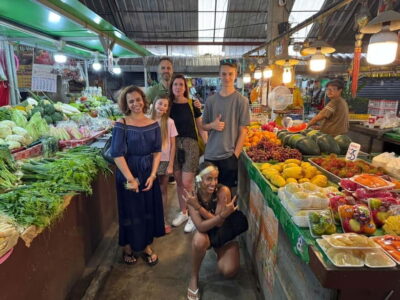
- The Morning Market Visit
- Preparing Five Thai Dishes
- The Dishes: What You May Cook
- Eating What You Cook
- The Chefs Make the Difference
- Who Should Book This Class
- Practical Details Before You Go
- Is the Bangrak Cooking Class Worth $45?
- FAQ
- How long does the Bangkok Thai cooking class last?
- How many Thai dishes will I prepare?
- Is the market tour included in every session?
- Does the menu stay the same every day?
- Is the class suitable for beginners?
- Can the class accommodate dietary preferences?
- What languages does the instructor speak?
- Are drinks included?
- Is transportation from my hotel included?
- Should You Book It?
Key Points
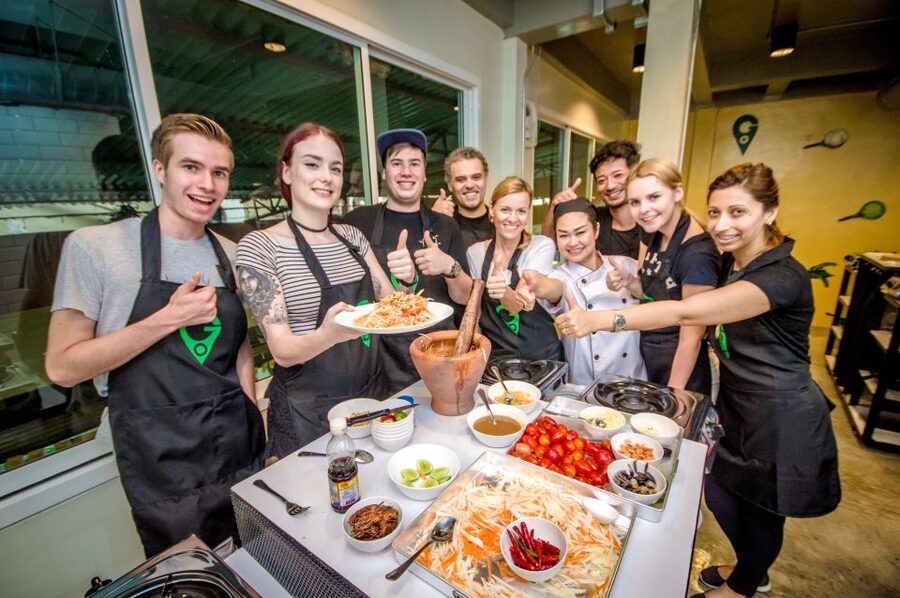
- Five dishes in four hours: You prepare and eat five Thai recipes, with the menu changing from day to day.
- Choose the morning for the market: The morning session includes a visit to the nearby fresh market, while the later class does not.
- Small-group feel: Some sessions have had only two students, allowing plenty of time for questions and personal adjustments.
- Friendly, skilled instructors: Chefs including Sarin, Natcha, Kimmy, and Natang have earned strong praise for clear explanations, humor, and patience.
- Good for dietary needs: Vegetarian and halal cooking is supported, and seafood-free or pescatarian menus have been arranged.
- Useful take-home material: You receive the recipes and class pictures by email, making it easier to repeat the dishes at home.
Why This Bangkok Cooking Class Works
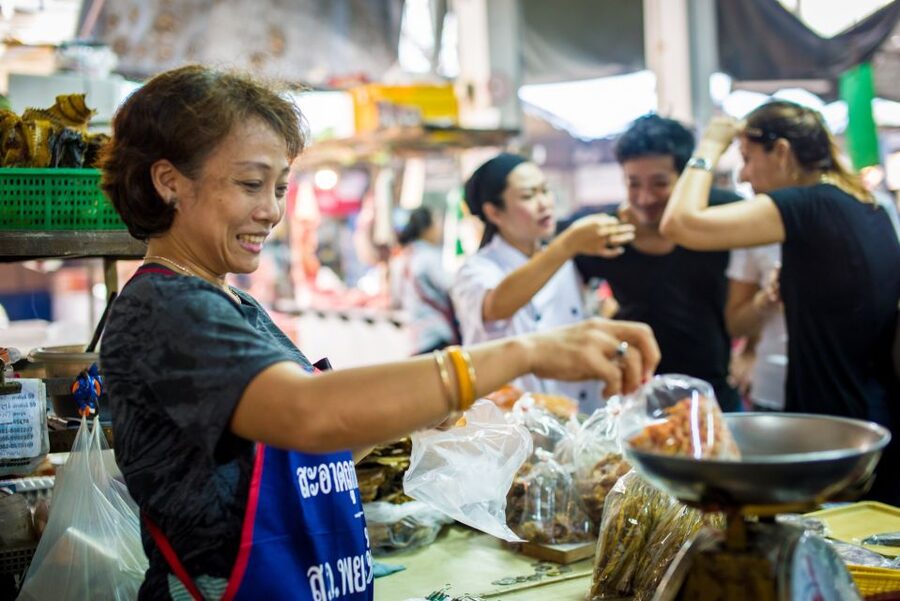
Bangkok can be a lot to take in during a first visit. Temples, traffic, shopping streets, river boats, and food stalls all compete for your attention. A cooking class gives you a quieter way to understand the city, one ingredient at a time.
This class takes place in the Bangrak District, in central Bangkok, near a fresh market. That location matters. You are not learning Thai food in a sealed hotel kitchen far from daily life. If you book the morning session, you begin by seeing where ingredients are bought and how they appear before they reach a restaurant wok or home kitchen.
I like this kind of experience because it connects the plate to the place. You learn that Thai cooking is not just about adding heat. It is about balancing sweet, sour, salty, spicy, fragrant, creamy, and crisp elements. The chef explains what each ingredient does, so the recipes make more sense when you try them at home.
At $45 per person, the price is fair for a four-hour class that includes five dishes, ingredients, instruction, the market tour on the morning option, drinks, recipes, and pictures. It is not the cheapest meal you will eat in Bangkok, but it gives you a meal, a lesson, and practical skills in one package.
More Thai Cooking Classes in Bangkok
- Bangkok: Hands-on Thai Cooking Class and Market Tour
★ 4.9 · 1,614 reviews - Bangkok: Tingly Thai Cooking School Half-Day Cooking Class
★ 4.9 · 1,191 reviews - Bangkok: Maliwan Thai Cooking Class with Market Tour
★ 4.9 · 1,133 reviews
Starting at the Bangrak Cooking School
You meet at the cooking school, with the exact meeting point depending on the option you book. The school sits on a local road beside a fresh market, so I would not treat arrival as a quick walk from a major sight unless you have checked the directions first.
One participant arrived confused and needed help from people in the market. That turned into a friendly local interaction, but it is better not to rely on luck. Save the meeting instructions on your phone, allow extra time, and confirm which session and meeting point you purchased.
The class is taught in Thai and English. Past instructors have included Chef Sarin, Natcha, Kimmy, and Natang. Their teaching styles vary, but the strongest pattern is clear instruction paired with a relaxed mood. Students have described the chefs as patient, funny, kind, and willing to answer questions.
The class is aimed at beginners. You do not need advanced knife skills or professional kitchen experience. The recipes use familiar cooking methods and straightforward ingredients, though the pace can still feel lively because five dishes are prepared in four hours.
The Morning Market Visit
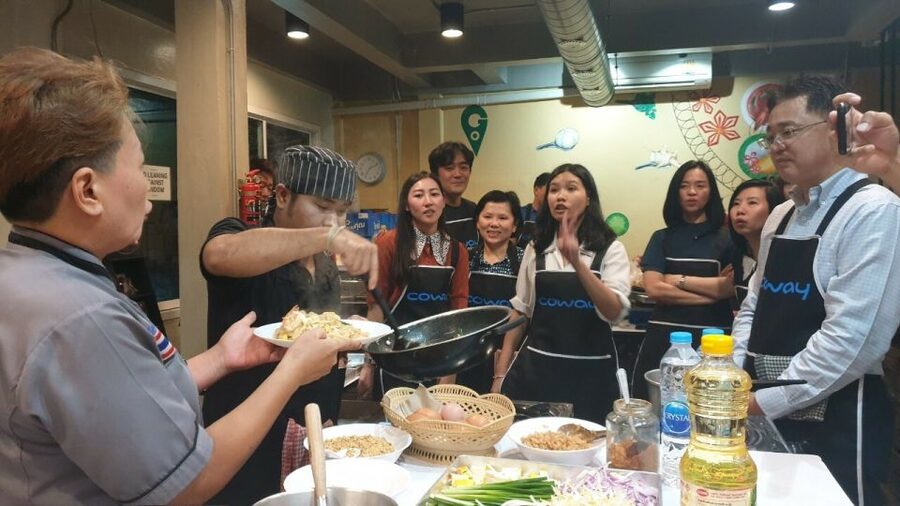
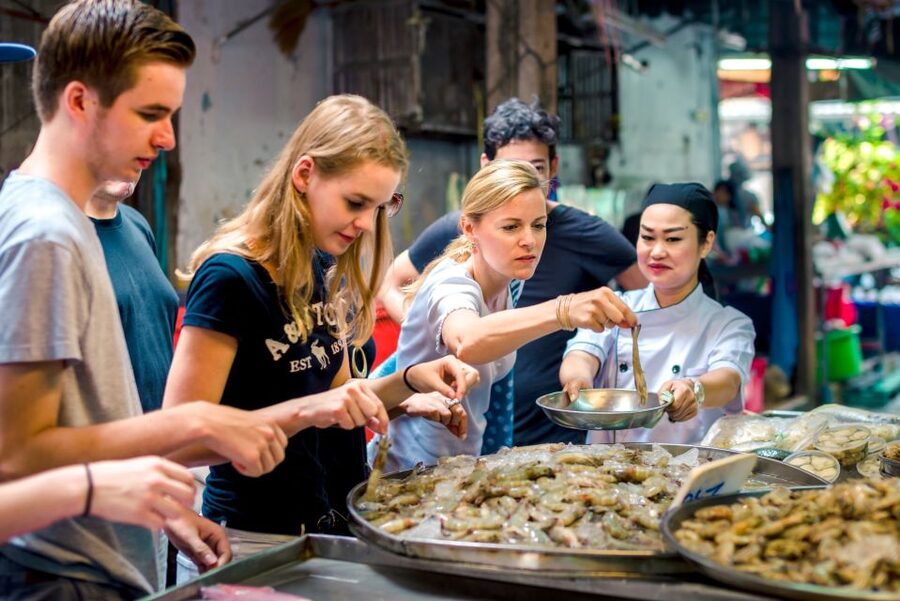
If you can choose your timing, I would book the morning class. The market visit is one of the best parts because it gives you a direct look at the ingredients used in the lesson.
Your chef shows you where fresh produce and other food supplies are purchased. Depending on the day, you may see ingredients such as noodles, tofu, vegetables, herbs, curry components, and sauces. The supplied details do not promise a fixed market route or set tasting list, so expect the exact visit to change with the day’s menu.
This is not a sightseeing market stop with a long list of attractions. Its value comes from seeing ordinary food shopping in action. Chef Natcha, for example, has been praised for explaining the purpose of ingredients, including whether they add flavor, texture, consistency, or balance. She has also shared substitutions for cooks who need to use ingredients available in their own country.
The market makes the cooking lesson easier to understand. A jar of paste on a recipe sheet can seem abstract. Seeing ingredients in their original setting, then using them a short time later, gives you a better sense of how Thai meals are built.
The morning option may also be a good first-day activity in Bangkok. One couple used it as their introduction to the city and found the market, food, and cultural discussion a useful start. You get a local orientation without spending the whole morning on a formal city tour.
Preparing Five Thai Dishes
After the market, the chef brings the ingredients into the kitchen and guides you through five dishes. The menu changes daily. That is both a strength and a limitation.
The strength is variety. You might prepare Pad Thai, fragrant curry, crispy hand-rolled spring rolls, Tom Kha, Massaman curry, or mango sticky rice. One class included blue sticky rice with mango, while another featured Tom Kha and mango sticky rice that left a lasting impression.
The limitation is simple: you cannot assume your favorite dish will be on the menu. One student hoped for Pad Thai but found it was scheduled for another day. If one particular recipe matters to you, ask about the menu before booking rather than expecting a fixed list.
The work is practical. You prepare the dishes yourself with the chef’s help, rather than watching a demonstration and receiving a small sample at the end. Students have learned techniques used in Thai homes, such as how ingredients contribute to taste and texture and how to build a dish in the right order.
The chef works through each recipe and then gives you time to eat while the kitchen is prepared for the next dish. That rhythm keeps the class active without forcing you to swallow everything at once. Still, the portions add up. Several people specifically advised arriving hungry and skipping a large breakfast.
You may finish the session extremely full. One participant said the first dish arrived after about ten minutes and that food kept coming for the rest of the class. If you are attending in the morning, have only a light breakfast or none at all.
A completely different kind of day out:
- Bangkok: Damnoen Saduak Market and Maeklong Railway Market
★ 4.5 · 26,723 reviews - The Old Siam: Damnoen Saduak and Maeklong Railway Market
★ 4.5 · 10,992 reviews - From Bangkok: Ayutthaya Temples Guided Tour with Lunch
★ 4.7 · 10,535 reviews - Bangkok: Train Market & Floating Market with Boat Ride
★ 4.7 · 9,547 reviews
The Dishes: What You May Cook
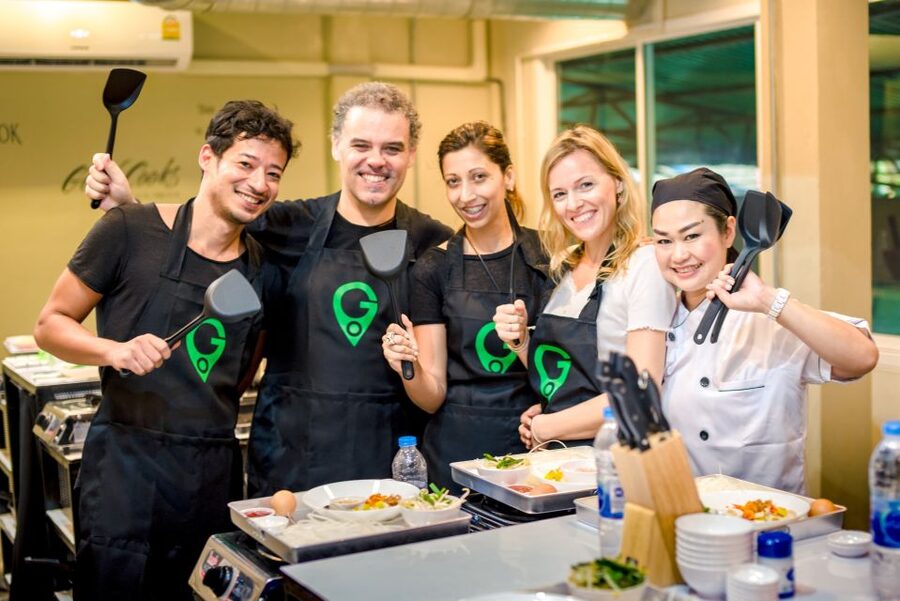
The menu is not fixed, but the possible dishes give you a good idea of the class.
Pad Thai is one of the most useful recipes to learn at home because it is familiar, flexible, and easy to compare across restaurants. If it appears on your day, you get to see how the sauce and noodles are balanced rather than simply ordering the finished dish.
Curry offers a closer look at Thai flavor building. A fragrant curry or Massaman curry can show how spice pastes, coconut, herbs, and seasonings work together. The chef’s explanation matters here because the dish is more than a list of ingredients.
Tom Kha provides a different lesson in fragrant, creamy, sour, and spicy flavors. One pescatarian student made it for the first time in class and found the homemade version better than restaurant examples later on. That is a strong reason to pay attention to the technique instead of rushing through the recipe.
Spring rolls bring a crisp, hands-on element to the session. Rolling them yourself makes the dish more memorable, and you can see how much preparation goes into a snack that often arrives at a restaurant looking effortless.
Mango sticky rice is the sweet finish many people hope for. The class may use regular or blue sticky rice, depending on the day. It is a simple dessert in appearance, but the rice texture and sweet coconut balance are worth learning properly.
The school can adjust dishes for some dietary preferences. Seafood-free, pescatarian, vegetarian, and halal-friendly arrangements are possible according to the supplied information and past class experiences. Tell the operator about allergies before the class. Do not wait until you are standing over a hot pan.
Eating What You Cook
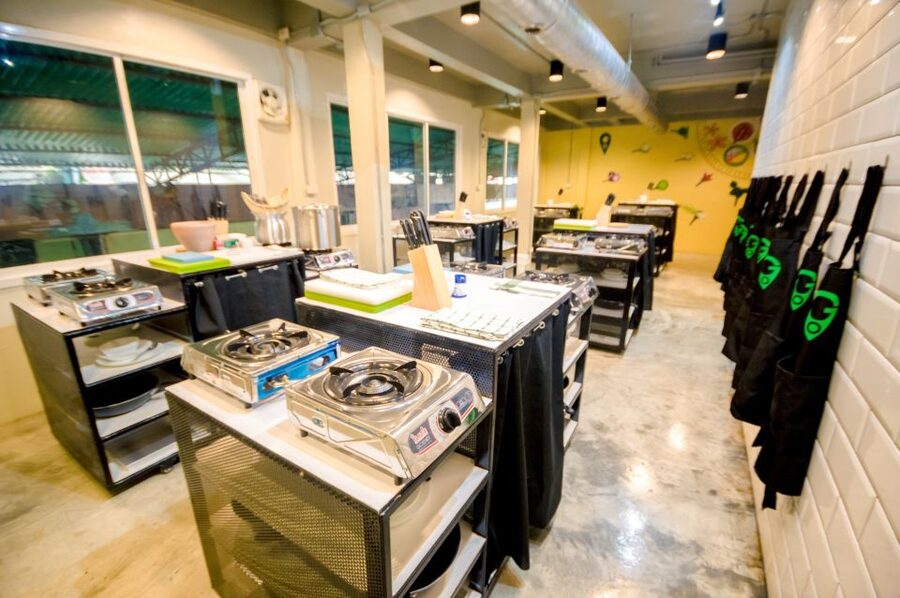
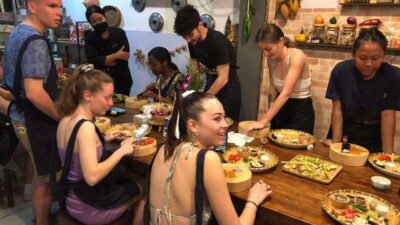
The meal at the end is not a token tasting. You eat the five dishes prepared during the class, usually with the group. This makes the session feel like both a lesson and a shared lunch.
I like the social side, especially for solo visitors or couples who want an activity with some conversation. The class can be small, and several sessions have ended up with only two people. That creates more room for questions and individual help, though group size can vary.
The food is also a useful test of your new skills. You can taste the results while the chef is nearby to explain what worked and what could be adjusted. If a curry is too spicy or a sauce needs more balance, this is the moment to ask.
You are welcome to buy beer. You may also bring your own alcohol without a corkage charge. Water, coffee, and tea are included. Those details make the long session more comfortable, particularly when the weather is hot and the food keeps arriving.
Some students had enough food left over to take away. That appears to depend on the group and how much is eaten, so do not book this expecting a guaranteed takeaway meal. It is a pleasant possibility, not a core feature.
The Chefs Make the Difference
The strongest part of this experience is the instruction. The class depends heavily on the chef, and the feedback about the teaching has been unusually consistent.
Chef Sarin has been praised for a funny, friendly manner and for tailoring menus to personal tastes. She has adjusted dishes for people who do not eat seafood and explained Thai groceries during the market visit.
Chef Natcha has received similar praise for her humor, patience, and broad cooking knowledge. She explains why ingredients are used, not just what to do with them. She has also shared practical substitutions for cooks outside Thailand, which is valuable when you return home and discover that your local shop does not stock every Thai herb or paste.
Kimmy has been described as enthusiastic and eager to teach. One class included a stop to buy sweet chili paste to take home. Natang was praised for stories, cultural explanations, and careful guidance through the recipes.
The names may change with the schedule, and you should not book solely for one chef unless the operator confirms that person. What you can reasonably expect is an instructor who speaks Thai and English and guides you through the cooking process.
Who Should Book This Class
I would recommend it to anyone who enjoys Thai food and wants more than a restaurant meal. It is particularly good for first-time visitors who want an approachable introduction to Bangkok’s food culture.
It suits couples, friends, solo visitors, and small groups. The beginners’ level means a reluctant cook can take part without feeling out of place. One person booked it for a partner who rarely cooked, and both ended up enjoying the class.
It is also a smart choice for people who like to bring a travel skill home. The school emails the complete recipe list and class pictures after the session. You can use the recipes to recreate dishes for friends and family, though ingredient substitutions may be needed outside Thailand.
The class is less suitable if you dislike group activities, cannot eat a full meal, or need a rigid menu. It is also not suitable for children under 12 or people with mobility impairments. Participants must be at least 12 years old and 140 centimeters tall.
Practical Details Before You Go
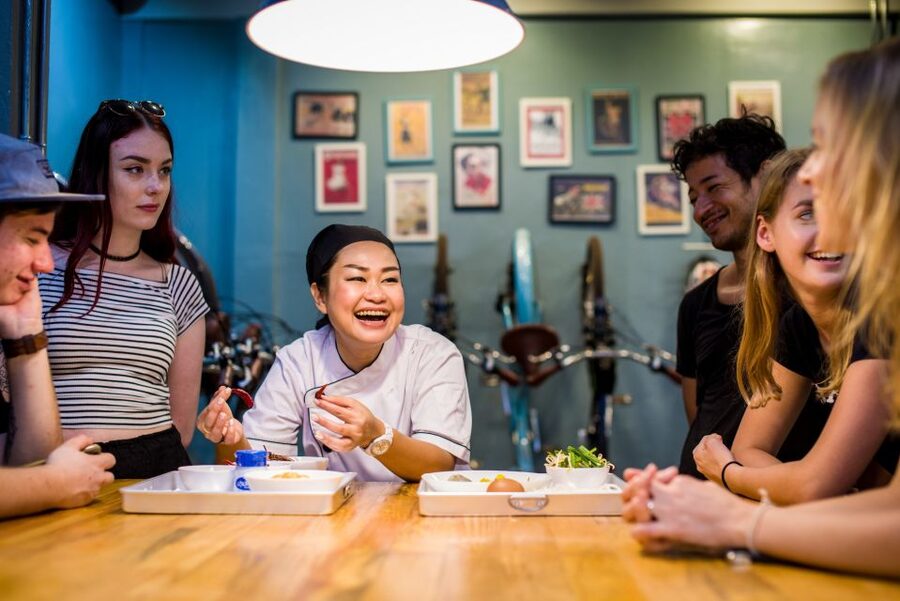
Set aside four hours. This is not a quick demonstration followed by a single plate of food. You will have the market visit if you book the morning option, preparation for five dishes, eating time, and conversation with the chef.
Wear something comfortable and arrive ready to cook. The provided information does not specify a dress code, so avoid anything you would be unhappy wearing around food and cooking heat.
Tell the operator about allergies in advance. Vegetarian and halal-friendly arrangements are available, and past classes have handled pescatarian and seafood-free preferences well, but the chef needs notice.
Transport to and from your hotel is not included. You are responsible for reaching the meeting point, which can vary by booking option. Free cancellation is available up to 24 hours before the class, and you can reserve now and pay later if that option is offered for your booking.
The experience has a 4.9 rating from 96 reviews, including one four-star assessment. That is a strong record, but the practical cautions still matter: confirm the menu if you want a specific dish, check the location, and arrive hungry.
Is the Bangrak Cooking Class Worth $45?
For most people, yes. Five dishes, ingredients, instruction, drinks, recipes, pictures, and a morning market visit make $45 a solid value. You are paying for an activity that fills half a day and leaves you with something useful beyond photographs.
The value is strongest in the market session and the personal instruction. If you choose the later option, you lose the market visit, so the morning class is the better pick when your schedule allows.
I would not choose this class if your only goal is to make Pad Thai. The menu changes daily, and there is no promise that any one dish will appear. I would choose it if you want to understand Thai cooking, eat a lot, ask questions, and return home with recipes you can actually use.
FAQ
How long does the Bangkok Thai cooking class last?
The class lasts four hours.
How many Thai dishes will I prepare?
You will prepare five Thai dishes and eat the food you make.
Is the market tour included in every session?
No. The market tour is included with the morning session only.
Does the menu stay the same every day?
No. The menu changes daily, so specific dishes such as Pad Thai, curry, Tom Kha, spring rolls, or mango sticky rice are not guaranteed.
Is the class suitable for beginners?
Yes. The cooking skills are described as beginner level, and the chef guides you through the preparation.
Can the class accommodate dietary preferences?
The class is vegetarian and halal-friendly. Seafood-free and pescatarian menus have also been accommodated. You should tell the operator about allergies in advance.
What languages does the instructor speak?
Instruction is available in Thai and English.
Are drinks included?
Unlimited drinking water, coffee, and tea are included. Beer is available to buy, and you may bring your own alcohol without a corkage charge.
Is transportation from my hotel included?
No. Transport to and from your hotel is not included, and the meeting point may vary depending on the option booked.
Should You Book It?
Book this class if you want an active, food-focused half day with a real connection to Bangkok’s daily cooking culture. Choose the morning option for the market, skip a heavy breakfast, and give the school advance notice about allergies or dietary needs.
I would pass only if you need a fixed menu, have mobility limits, or prefer to spend your time simply eating rather than cooking. For everyone else, this is a friendly and practical way to turn five Thai dishes into five recipes you can carry home.
Just added in Bangkok
- Wonderful Pearl Dinner Cruise★ 3.5 · 27 reviews
- re:leaf spa and massage★ 4.0 · 10 reviews
- White Orchid Sunset Dinner Cruise Calypso Ladyboy Cabaret Show★ 4.0 · 10 reviews
- Yoga in the Park Thailand★ 5.0 · 12 reviews
- Visit Wat Pho and Wat Arun with Local Expert★ 4.0 · 14 reviews
- Visit temples in and around Bangkok with a former monk of 10 years★ 5.0 · 30 reviews
- 3-Hour Bangkok Walking Tour: Wat Pho and Wat Arun★ 5.0 · 102 reviews
- Miracle Bangkok Airport Lounges – Relax Before You Fly★ 3.0 · 32 reviews
Thai Cooking Classes, compared.
Half-Day Thai Cooking Class at Organic Farm in Chiang Mai
Read our review →
Cooking Class, Market & Thai Herbs Garden Tour
Read our review →Authentic Cooking Class with Market & Farm Visit
Read our review →
Phuket Thai Cooking Class with Market Tour Option
Read our review →
Tingly Thai Cooking School Half-Day Cooking Class
Read our review →Browse the lists this tour appears in