
Reviewed · HIKING AND TREKKING
Jungle Wisdom Survival Trek
Trade your hotel room for a jungle camp. This two-day trip near Chiang Mai gives you a close look at Karen life and traditional mountain skills, from finding water in bamboo to making simple tools. I like the hands-on focus, and I also like that your spending supports sustainable, women-operated tourism through Chai Lai Sisters. The main thing to consider is comfort: you will hike, get wet and sweaty, and sleep away from modern conveniences.
I especially like the way the tour connects practical skills with cultural exchange. You are not just looking at a village from a distance. You share meals, learn from a Karen guide, and spend the night in the setting where these skills have real meaning. The pace and activities require moderate physical fitness, so this is not the right pick if you want a soft adventure with plenty of indoor comfort.
In This Review
- Key points to know before you book
- What the $81 price really covers
- Starting near Mae Wang, about an hour from Chiang Mai
- Mae Wang Waterfall and the first jungle lessons
- Wat Luang Khun Win, a 700-year-old wooden temple
- Sleeping at the jungle camp with a Karen community
- Mae Wang National Park and the Karen village
- Bamboo rafting on the Mae Wang River
- What the guide and group format mean
- The practical drawbacks you should weigh
- Who will get the most from this trip?
- Should you book the Jungle Wisdom Survival Trek?
- FAQ
- Where does the Jungle Wisdom Survival Trek start?
- What time does the tour begin?
- How long does the tour last?
- Does the tour return to the starting point?
- Is the tour private?
- What meals are included?
- Is a vegetarian meal available?
- Do children need an adult with them?
- What level of fitness is required?
Key points to know before you book
- The trip starts at 8:00 a.m. from Chai Lai Orchid Eco Lodge and Cafe, about one hour from Chiang Mai in Mae Wang District.
- You learn useful jungle skills, including traditional plant medicine, finding water in bamboo, preparing food, making bamboo utensils, and building shelter.
- Guide Kham receives special praise for his kindness and practical teaching, though the spelling of the name may vary.
- The overnight camp is part of the cultural experience, with dinner, breakfast, lunch, bottled water, coffee, and tea included.
- Day two includes bamboo rafting on the Mae Wang River, along with a visit to a Karen village in Mae Wang National Park.
- Bring extra clothes and a bathing suit, because the combination of hiking, river activity, and jungle conditions can leave you wet and sweaty.
What the $81 price really covers
At about $81, this is a strong-value overnight trip if you want more than a short photo stop in the hills. The price includes accommodation, meals, bottled water, coffee or tea, admission fees, local taxes, and transport arrangements connected with the activity. Alcohol is not included, but you can buy it separately.
The value comes from the length and personal nature of the program. A standard day trip may show you a waterfall or hill village, then return you to Chiang Mai before dinner. Here, you have two days to learn skills, eat with the community, sleep at the camp, and continue the program the next morning.
The activity is private, so only your group takes part. That matters if you prefer to ask questions, work at your own pace, or have a more direct exchange with the guide. The tour also lists group discounts, so a small group may find the price even more appealing.
Still, do not judge the cost by comfort. This is not a resort stay with a jungle theme. The point is to spend time in a simple setting and learn how people have used local materials, plants, and water sources. If you want air conditioning, polished facilities, or a predictable indoor schedule, your money may be better spent elsewhere.
More Hiking and Trekking in Northern Thailand:
- 3-in-1: Doi Inthanon Tour, Elephant Sanctuary, and Trekking Trail
★ 5.0 · 1,087 reviews - Chiang Mai: Doi Inthanon Trip with Pha Dok Siew Guided Trek
★ 4.6 · 910 reviews - Chiang Mai: Doi Inthanon Park with Kew Mae Pan Hike Day Trip
★ 4.7 · 841 reviews
Starting near Mae Wang, about an hour from Chiang Mai
Your meeting point is Chai Lai Orchid Eco Lodge and Cafe in Mae Wang District. The listed start time is 8:00 a.m., and the activity returns to this same meeting point at the end of day two.
Mae Wang is in the mountains south of Chiang Mai. The setting gives the trip a clear change of pace from the city. You are heading toward forest, waterfalls, villages, and the Mae Wang River rather than spending the day moving between busy attractions.
I would plan to arrive ready for the outdoors. Wear clothes that can get dirty and wet, and keep valuables to a minimum. The most useful packing advice comes directly from the nature of the program: bring a couple of changes of clothes and a bathing suit. You may not need every item on every hour of the trip, but you will be glad to have dry clothes after the river and jungle activities.
Children must be accompanied by an adult. The tour allows service animals, and a vegetarian meal is available if you request it when booking. Since the activity requires moderate fitness, think about your comfort with walking, uneven ground, outdoor heat, and hands-on work before reserving.
Mae Wang Waterfall and the first jungle lessons
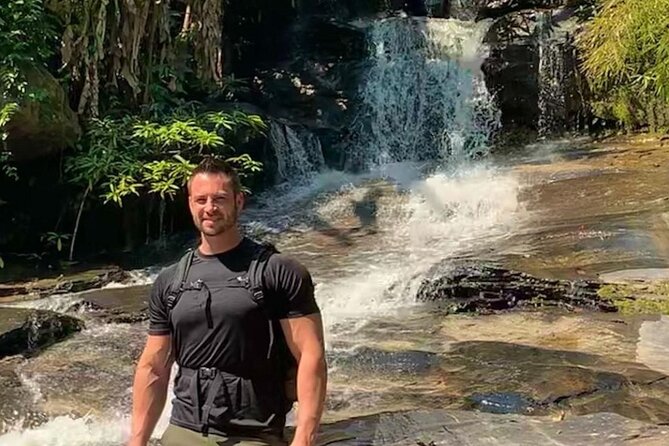
The first major stop is Mae Wang Waterfall, where you spend about three hours learning basic survival skills from a Karen guide. This is the heart of day one.
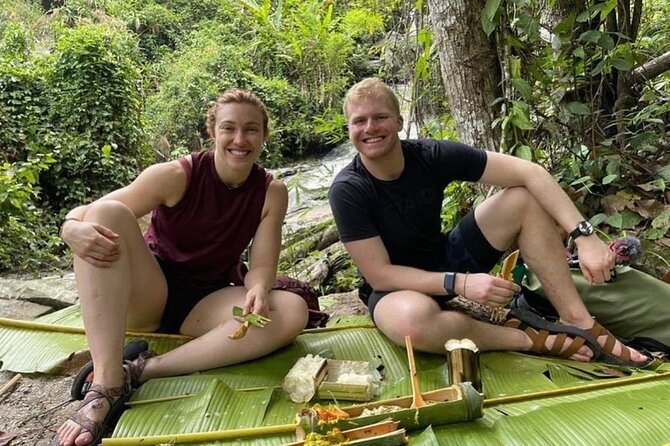
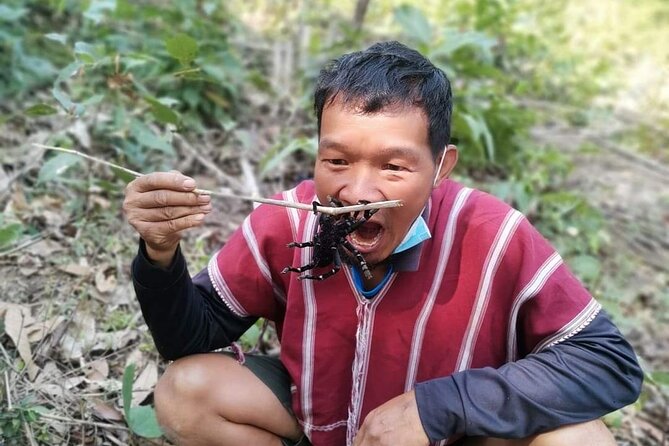
The lessons cover traditional jungle medicine, edible plants, finding water inside bamboo, using a slingshot, making bamboo utensils, and other ways of working with materials found around you. You may also learn about cooking and shelter building as the day develops.
What I like here is the practical focus. You are not simply told that a plant has a use or that bamboo is important. You get a chance to see how ordinary forest materials can serve several jobs. Bamboo can hold water, become a tool, or help with camp life. That makes the knowledge easier to remember than a lecture in a visitor center.
Guide Kham is praised for being kind and very good at explaining how wildlife and plants can be used for food or medicine. The guide’s role matters a great deal on a trip like this. The forest itself is only part of the experience. The quality of the exchange depends on whether your guide can explain local practice clearly and help you take part safely.
You should expect a wet and active morning rather than a gentle walk with a few stops for photographs. The waterfall setting adds beauty, but the real purpose is learning. If you want the best value from this section, ask questions and take your time with each task instead of treating the skills as quick demonstrations.
The safety side also deserves attention. The tour teaches ways to stay safe in the mountains, but you should still follow the guide closely and avoid handling plants or wildlife on your own. A traditional use does not mean every plant is safe for every person.
Wat Luang Khun Win, a 700-year-old wooden temple
After the waterfall program, the group visits Wat Luang Khun Win for about an hour. This wood temple complex sits in the jungle and is described as 700 years old.
The temple gives the day a welcome change of rhythm. After hands-on work at the waterfall, you have time to look at a place shaped by faith, craft, and forest surroundings. The wooden buildings make this different from the large, brightly painted temples you may see in Chiang Mai itself.
Admission is included at no extra charge. The stop is fairly short, so you should treat it as a focused visit rather than a long temple tour. It works best as a quiet cultural pause between the outdoor lessons and the overnight camp.
As with any sacred site, dress and behavior should be respectful. The supplied details do not specify a formal dress code, so it is sensible to choose practical clothing that also covers you appropriately for a temple visit. You will be carrying the needs of an outdoor trip, but that does not mean the temple should feel like another equipment stop.
A completely different kind of day out:
- Only 9 pax/trip! Sunrise in Phangnga & No-crowd James Bond visit
★ 5.0 · 176 reviews - Phuket to Phi Phi Islands by Speedboat
★ 4.0 · 136 reviews - Nagi of Mekong cruise
★ 5.0 · 95 reviews - Chiang Mai Half-Day River Tubing & Elephant Observation
★ 5.0 · 73 reviews
Sleeping at the jungle camp with a Karen community
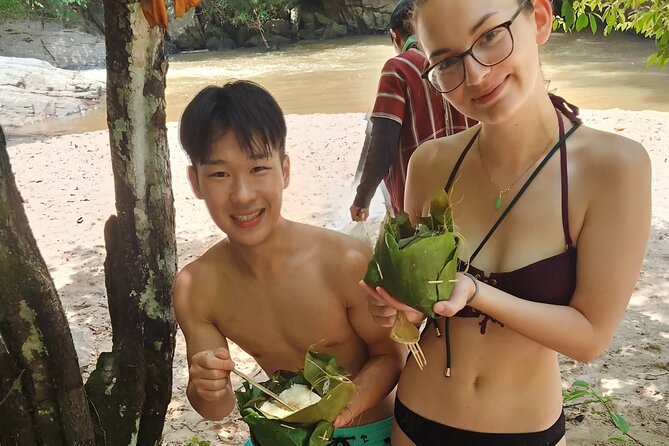
The overnight stay is what gives the tour its character. You spend the night at a jungle camp and share meals with tribe members rather than returning to a city hotel.
The sleeping arrangements are described as overnight accommodation, but the information does not promise a specific room type, bed style, or private bathroom. I would book this with an open mind and expect a simple camp setting. The lack of polished detail is not a flaw here, but it is an important part of the decision.
Dinner is included, described as a two-course meal, along with breakfast, lunch, bottled water, coffee, and tea as part of the package. Food becomes part of the learning. The trip includes lessons in cooking, so you are likely to connect what you eat with the local setting and available materials.
One particularly appealing part is the chance to share time with Karen community members. The exchange helps you understand the village as a living community rather than a staged attraction. The program also supports sustainable tourism operated by women, giving the money you spend a wider purpose than a simple sightseeing ticket.
You should not expect a performance built for an audience. The supplied details emphasize learning, shared meals, and daily life. That suggests a quieter exchange, with the value coming from conversation and participation. Be curious, polite, and willing to accept that the schedule may not feel as tightly controlled as a city tour.
Mae Wang National Park and the Karen village
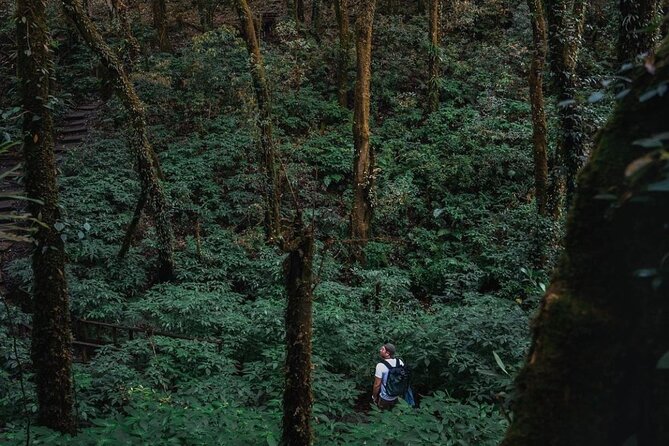
Day two continues in Mae Wang National Park, with about four hours devoted to the Karen village and the Mae Wang River.
In the village, you see traditional Karen houses and learn how residents raise animals, grow crops, and manage rural life. This section gives useful context to the jungle skills from day one. You begin to see how shelter, food, farming, and daily work fit together instead of viewing survival techniques as isolated tricks.
I like this connection between the forest and the village. A bamboo utensil or a lesson about plants makes more sense when you also see how people organize their homes, crops, and animals. The visit can help you understand that traditional skills are not just emergency tools. They are part of a broader way of living.
You may find the village visit more observational than the waterfall section. The information provided promises a look at houses, farming, animals, and rural life, but it does not list a formal workshop for every part of the stop. If you want to learn more, ask the guide about what you see and how the activities connect to Karen customs.
Bamboo rafting on the Mae Wang River
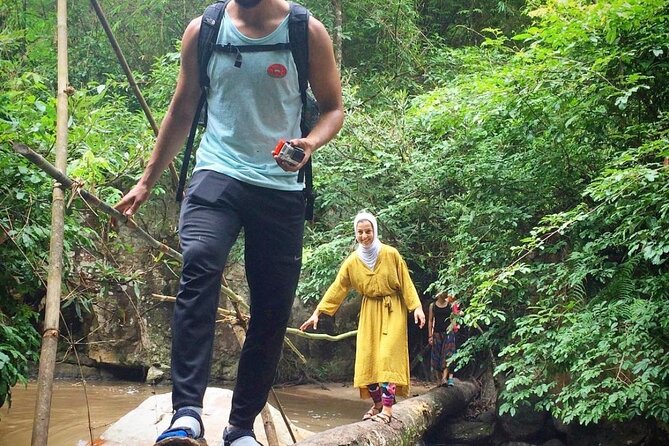
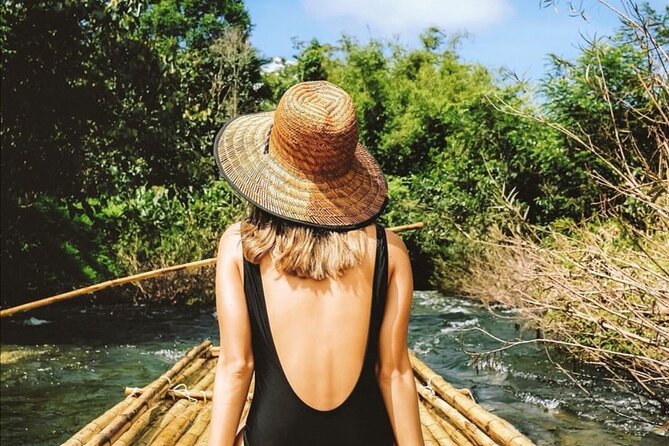
The river section brings a playful finish to the trip. You go bamboo rafting on the Mae Wang River, with the chance to cool off after time in the mountains.
The raft is part of the learning, too. The program says you learn how to steer a bamboo raft, so this is not only a ride while someone else handles everything. Expect to take part and get wet. That is why a bathing suit and spare clothes are more than casual packing suggestions.
The river adds a physical element without changing the tour into a high-adrenaline activity. No rapids, safety equipment, or rafting difficulty level are specified, so you should not assume a white-water trip. The safer expectation is a traditional bamboo raft experience in a natural river setting, guided by the local team.
This is also where the two-day format pays off. After spending time learning about the community and the forest, you can enjoy the river with a better sense of place. The activity is not an unrelated thrill added to the end of a village visit.
What the guide and group format mean
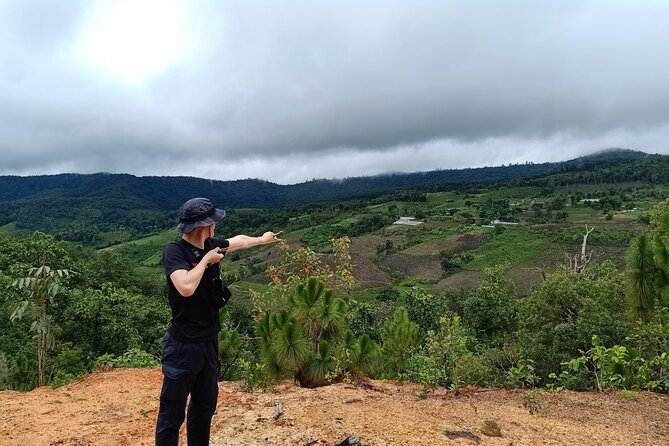
The tour is private, with only your own group taking part. That can make a major difference during hands-on lessons. You may have more space to ask about plants, shelter building, cooking, and village life than you would in a large mixed group.
The guide named Kham receives strong praise for being kind and for explaining how plants and wildlife can be used for food or medicine. The spelling is not fully certain in the supplied information, but the personal praise is clear. A warm guide can turn unfamiliar tasks into a comfortable cultural exchange.
Because it is a private activity, the experience may suit couples, families with older children, or friends who prefer a flexible day. Children still need an adult with them, and the moderate fitness requirement remains important. A private group does not remove the need to walk, handle outdoor conditions, or get wet.
The practical drawbacks you should weigh
The main drawback is the simple overnight setting. You are giving up modern comfort for direct contact with the jungle and community. That is the reason to book the trip, but it can also be the reason to skip it.
The physical demands are another consideration. The program combines a waterfall visit, jungle lessons, shelter and cooking activities, a village visit, and bamboo rafting. The tour does not give exact hiking distances or elevation changes, so anyone with mobility or stamina concerns should ask for more detail before booking.
The schedule also begins early. An 8:00 a.m. start leaves little room for a slow morning, especially if you are staying elsewhere in Chiang Mai and need to reach the meeting point. Pickup is offered, but confirm the exact arrangement when booking.
Finally, the tour is not ideal if your main goal is to collect famous sights. Wat Luang Khun Win is a special stop, but most of the time is devoted to skills, people, and the forest. The reward is participation, not a long list of monuments.
Who will get the most from this trip?
I would choose this tour if you want to:
- Learn practical skills from a Karen guide rather than watch a staged cultural show
- Spend a night in a simple jungle camp
- Support sustainable, women-operated tourism
- Combine nature, village life, a historic wooden temple, and river activity
- Travel privately with only your own group
- Accept wet clothes, outdoor conditions, and a moderate level of physical effort
I would look for another activity if you need a luxury overnight stay, a highly predictable schedule, or a low-effort sightseeing day. The tour asks you to participate. That is its strength, but it also sets clear limits.
The high rating of 4.9 out of 5 from 35 ratings, along with a 97 percent recommendation rate, fits the tour’s strongest qualities: personal guiding, unusual activities, and a real overnight connection to the community. The most useful praise centers on guide Kham’s kindness and teaching, plus the quality of the cooking and camp experience.
Should you book the Jungle Wisdom Survival Trek?
Book it if you want a hands-on two-day trip that links Karen culture with jungle skills. At $81, the included meals, overnight stay, activities, admissions, and private format make it good value, especially for a small group.
Skip it if you are looking for comfort or an easy scenic outing. Bring extra clothes, a bathing suit, and a willingness to work with local materials. If that sounds like fun rather than hardship, this is one of the more meaningful ways to spend two days outside Chiang Mai.
The tour offers free cancellation if you cancel at least 24 hours before the 8:00 a.m. start time. Changes or cancellations made inside that window are not accepted for a refund.
FAQ
Where does the Jungle Wisdom Survival Trek start?
It starts at Chai Lai Orchid Eco Lodge and Cafe in Mae Wang District, Chiang Mai Province, Thailand.
What time does the tour begin?
The listed start time is 8:00 a.m.
How long does the tour last?
The activity lasts approximately two days and includes one overnight stay.
Does the tour return to the starting point?
Yes. The activity ends back at the meeting point.
Is the tour private?
Yes. Only your group participates in the activity.
What meals are included?
Dinner, breakfast, lunch, bottled water, coffee, and tea are included. Dinner is described as a two-course meal.
Is a vegetarian meal available?
Yes. You should advise the provider when booking if you require a vegetarian option.
Do children need an adult with them?
Yes. Children must be accompanied by an adult.
What level of fitness is required?
You should have a moderate level of physical fitness. The program includes jungle activities, a waterfall visit, village exploration, shelter and cooking lessons, and bamboo rafting.
Just added in Northern Thailand
- Single Day Enduro Tour★ 5.0 · 37 reviews
- Chiang Mai Half-Day River Tubing & Elephant Observation★ 5.0 · 73 reviews
- Phuket to Phi Phi Islands by Speedboat★ 4.0 · 136 reviews
- Relax and Snorkel on Koh Racha Yai and on Banana Beach, Koh Hey Island★ 5.0 · 10 reviews
- Customized Phuket Tours with Private Driver★ 5.0 · 44 reviews
- Nagi of Mekong cruise★ 5.0 · 95 reviews
- Jungle Trip to Khao Sok National Park★ 5.0 · 16 reviews
- Sunset Catamaran Cruise to Coral Island★ 4.0 · 15 reviews
Hiking and Trekking, compared.
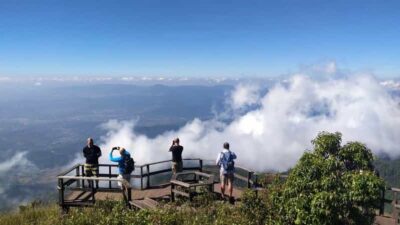
3-in-1: Doi Inthanon Tour, Elephant Sanctuary, and Trekking Trail
Read our review →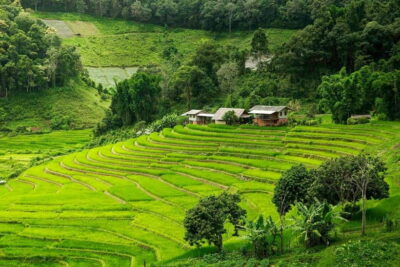
Doi Inthanon Trip with Pha Dok Siew Guided Trek
Read our review →Doi Inthanon Park with Kew Mae Pan Hike Day Trip
Read our review →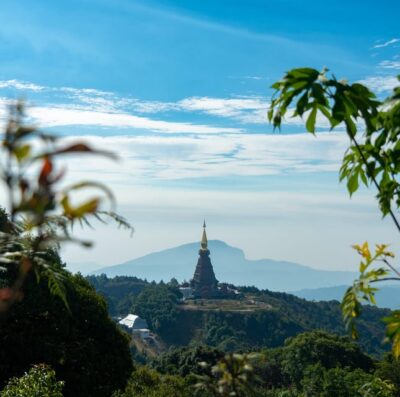
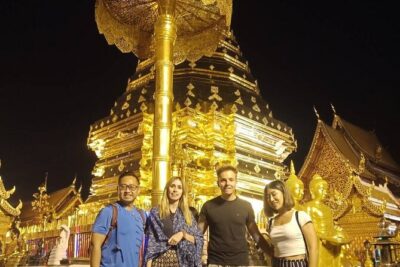
4-Hour Doi Suthep & Hmong Hill Tribe Village from Chiang Mai
Read our review →
Doi Inthanon Private Tour with Trek & Lunch from Chiang Mai
Read our review →Browse the lists this tour appears in