
Reviewed · FOOD TOURS
Bangkok by Night Food Tour with 10+ Tastings in Chinatown
Come hungry, leave happily stuffed. This three-hour evening walk brings you into Bangkok’s food scene through small local eateries and street stalls, with stops for pork and sticky rice, papaya salad, shrimp dumplings, satay, noodles, sweets, fruit, and more. I like the small-group format and the way guides such as Jan and Ton add local stories, temple customs, and practical help to what could otherwise be just a meal crawl.
I also like the broad mix of savory, sweet, spicy, and mild dishes, plus Thai coffee or beer and a secret dish. The main consideration is pace: you will walk through crowded streets, and some food is served in sit-down spots rather than strictly at roadside stalls. One food stop can also take longer than expected.
In This Review
- The quick take
- Why Chinatown works so well after dark
- What you are likely to eat
- The cultural layer adds value
- A closer look at the evening route
- Starting near Hua Lamphong and central Bangkok
- MBK Center and Siam’s commercial side
- Bang Rak and the changing city
- Chinatown after dark
- Asiatique and the riverfront reference
- Jim Thompson House and Bangkok’s design history
- Guides make or break this tour
- Price, value, and what you are really paying for
- Practical advice before you book
- Who will enjoy this food walk most?
- Should you book it?
- FAQ
- How long does the Bangkok by Night Food Tour last?
- Where does the tour start?
- Where does the tour end?
- Is hotel pickup included?
- How many people can join the tour?
- What food is included?
- Does the menu change by day?
- Can dietary requirements be accommodated?
The quick take
- A serious amount of food: The advertised menu includes more than 10 tastings, with enough generous portions to replace dinner for most people.
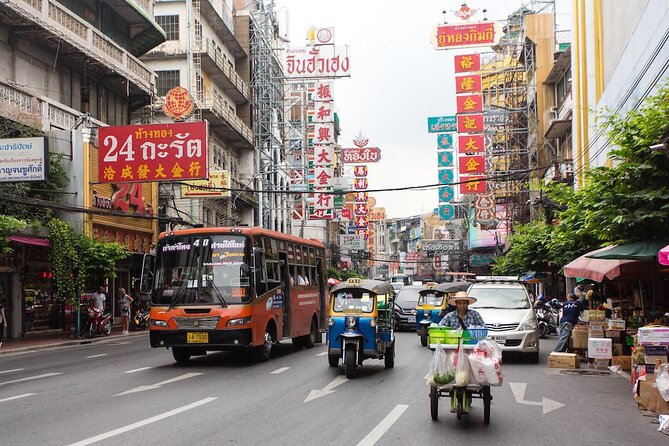
- Chinatown is the main event: You move through one of Bangkok’s best food districts, with Chinese-Thai culture, temples, shops, and busy evening streets around you.
- Guide quality matters: Jan receives repeated praise for her warmth, local contacts, clear explanations, photos, and ability to adjust dishes. Ton is also praised for his background as a former monk and his thoughtful cultural explanations.
- Not only eating: The evening can include a Chinese temple, fortune sticks, lotus folding, Buddhist customs, and stories about Bangkok’s Chinese community.
- Small groups help: The tour is advertised for 10 or fewer people, with a maximum of 12 listed in the practical details.
- Plan for a full stomach and tired feet: Comfortable shoes matter, and the walk may run longer than the stated three hours in some circumstances.
Why Chinatown works so well after dark
Bangkok’s Chinatown is a natural setting for a food walk. The area is known for traditional Chinese goods, old shops, temples, and a dense mix of restaurants and roadside cooking. Food is not tucked away in one market hall here. It appears in storefronts, narrow lanes, small dining rooms, and busy corners.
That variety gives the evening a sense of movement. You do not simply sit down for one meal and wait for each course. You follow your guide through the district, stopping often to taste something new and then walking off a little of what you just ate.
The route information also names places such as MBK Center, Asiatique The Riverfront, Siam Paragon, Bang Rak, and Jim Thompson House. These are useful Bangkok reference points, but the food portion is centered on Chinatown and nearby central districts. Since the route can change because of weather, open venues, or local availability, you should treat these places as part of the wider Bangkok setting rather than expect a museum-style visit at every stop.
More Food Tours in Bangkok
- Bangkok: Backstreets Food Tour with 15+ Tastings
★ 4.9 · 2,880 reviews - Bangkok Backstreets Food Tour with 15+ Tastings
★ 5.0 · 1,926 reviews - Bangkok: Michelin Guide Street Food Tour by Tuk Tuk
★ 4.4 · 1,274 reviews
What you are likely to eat
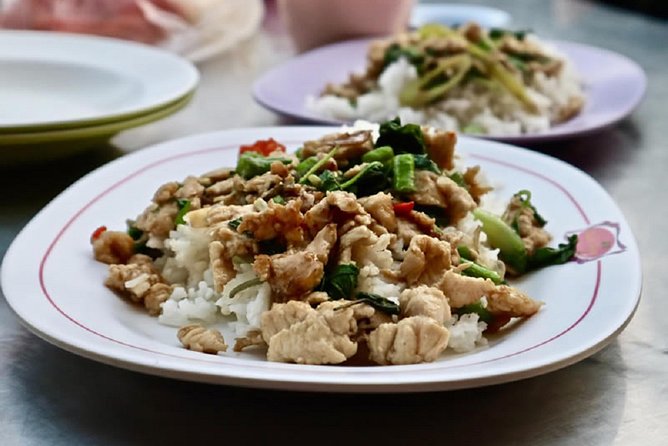
The strength of this tour is variety. You may begin with spicy basil chicken over fragrant jasmine rice, or sample the classic basil stir-fry on Monday, depending on the day. Thai basil dishes are a good early introduction because they combine savory meat, chili, herbs, and rice in one compact plate.
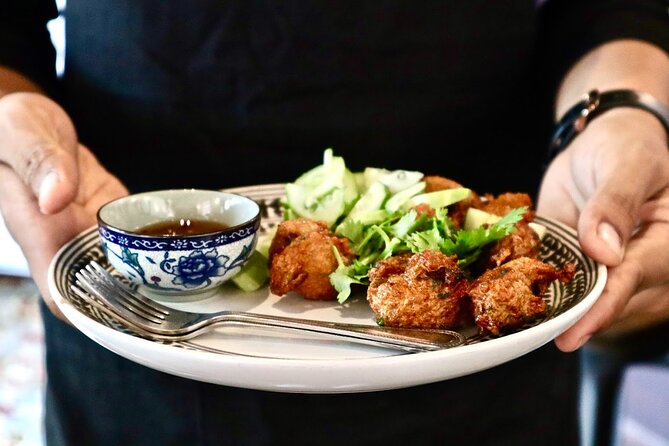
Shrimp dumplings are listed on every tour. Steamed buns with red pork are available Tuesday through Sunday, while fluffy steamed buns appear on the Monday menu. These soft, filling bites offer a milder counterpoint to chili-heavy dishes.
Papaya salad is another regular tasting. Fresh, zesty, and often spicy, it gives you a clear sense of how Thai food balances sour, sweet, salty, and hot flavors. If you do not eat chili comfortably, tell the guide before the food arrives. The menu can change, and reasonable substitutions may be possible when dietary needs are communicated in advance.
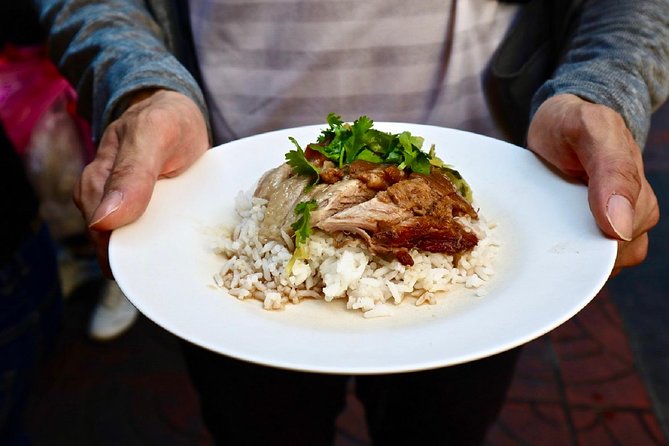
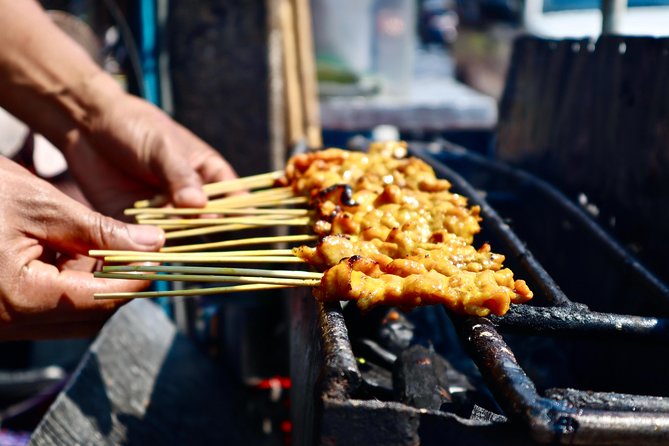
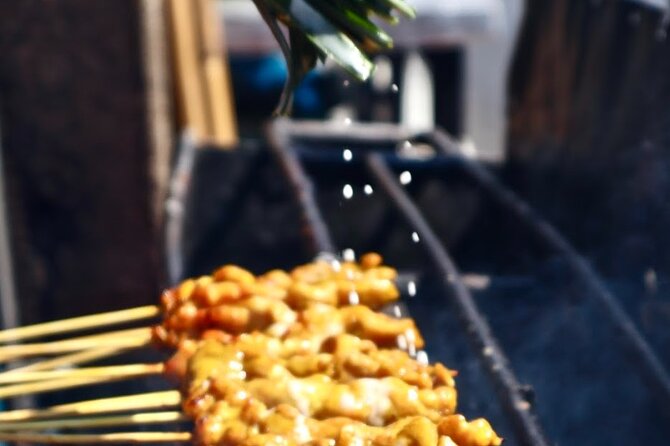
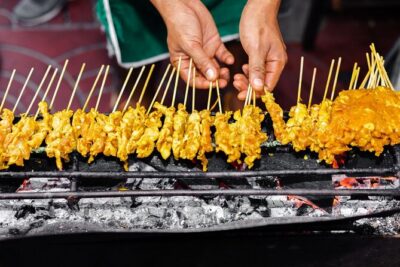
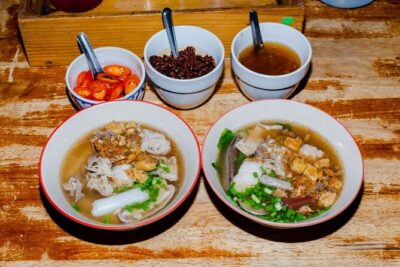
On most days, you may also try pork or chicken satay with peanut sauce, duck noodle soup, black sesame dumplings in ginger tea, seasonal fruit, and the tour’s secret dish. Monday has its own set of alternatives, including stewed pork knuckle with rice, roll noodle soup with pork belly, and fresh fruit.
This is not a tiny sampling menu. Several portions are described as filling, and some people finish the evening completely full. I would avoid booking a large dinner before the tour. A light lunch and a small snack earlier in the day make more sense.
The exact final dish is not specified, which is part of the fun but also means you should not plan around one particular dessert. One past menu ended with banana roti and chocolate sauce, while some people would prefer a more clearly Thai finish such as mango sticky rice. That small uncertainty is worth accepting if you enjoy trying what is available that evening.
The cultural layer adds value
A good food walk should tell you more than where to eat. This one can include a visit to a Chinese temple, where your guide may explain fortune sticks, prayer customs, monks, nuns, and the Chinese community’s place in Bangkok.
One especially memorable activity described by guests is learning to fold a lotus flower and use the prayer sticks. These short cultural moments break up the eating and give the neighborhood more meaning. You are not just passing a temple on the way to noodles. You get a little help understanding what you are seeing.
Jan is repeatedly praised for making the evening personal. She has been described as funny, kind, quick to communicate, and well connected with food sellers. One particularly useful detail is that she helped arrange rides when rain arrived and assisted with practical needs during the evening. Another guide, Ton, is praised for explaining Buddhism and taking group and candid photographs.
The cultural material is not a formal lecture. It is woven into the walk. That works well for you if you want context without spending an entire afternoon in a museum. If your only goal is to eat at the maximum number of street stalls, the temple portion may feel like time taken away from food.
A closer look at the evening route
A completely different kind of day out:
- Bangkok: Damnoen Saduak Market and Maeklong Railway Market
★ 4.5 · 26,723 reviews - The Old Siam: Damnoen Saduak and Maeklong Railway Market
★ 4.5 · 10,992 reviews - From Bangkok: Ayutthaya Temples Guided Tour with Lunch
★ 4.7 · 10,535 reviews - Bangkok: Train Market & Floating Market with Boat Ride
★ 4.7 · 9,547 reviews
Starting near Hua Lamphong and central Bangkok
The meeting point is listed at Hua Lamphong, on Rong Mueang in Pathum Wan. You are responsible for reaching the start because hotel pickup and drop-off are not included.
The area is near public transportation, which makes it a practical meeting point, but allow enough time to get there. The tour depends on the group leaving together, and late arrivals can be awkward on a walking route.
MBK Center and Siam’s commercial side
MBK Center is one of Bangkok’s large shopping malls, with several floors of shops, restaurants, and services. Siam Paragon is another major mall in the same broad central area.
These places provide useful orientation. Bangkok is not only temples and food carts. It also has huge retail centers, modern transit links, and busy commercial districts. Still, do not assume you will spend a full shopping session at either mall. They are listed as stops, each with an approximate 30-minute allocation, but the core promise is the evening food walk rather than mall sightseeing.
Bang Rak and the changing city
Bang Rak is another central Bangkok district included in the route details. Its name can be translated as village of love, and it is known today as a popular place for marriage registration, especially on Valentine’s Day.
That fact gives your guide an easy way to connect everyday Bangkok with local customs and modern city life. The area also helps show how food districts do not exist in isolation. You may pass from commercial streets into older neighborhoods, then back toward the larger food center.
Chinatown after dark
Chinatown is where the tour’s strongest food identity comes together. The streets can be crowded, and you may need to follow closely while crossing or moving through narrow areas.
One useful advantage of having a guide is not having to guess which stall or small restaurant is worth entering. Jan is praised for using side streets, managing the group, and knowing vendors personally. That can save you the trial and error of ordering blindly, especially on a first visit to Bangkok.
The drawback is traffic. One account describes moments of feeling too close to vehicles. Bangkok streets require attention, and you should wear shoes with a good grip, keep your hands free, and stay with the group.
Asiatique and the riverfront reference
Asiatique The Riverfront is an open-air shopping and dining complex on the Chao Phraya River, built on former docks of the East Asiatic Company. It is a recognizable part of Bangkok’s evening scene.
Again, the listing of Asiatique does not mean you should expect an extended riverfront excursion during a three-hour walking food tour. Weather, venue availability, and the evening’s actual route can change the plan. If you are specifically hoping for river views or time at the complex, check the current meeting details before booking.
Jim Thompson House and Bangkok’s design history
Jim Thompson House is a museum in central Bangkok, known for the art collection of the American businessman and architect Jim Thompson. Its presence on the route list adds another cultural reference point.
The tour does not promise a full museum visit. Think of it as part of the city’s broader setting, not the reason to book the experience. The food and Chinatown walk remain the main draw.
Guides make or break this tour
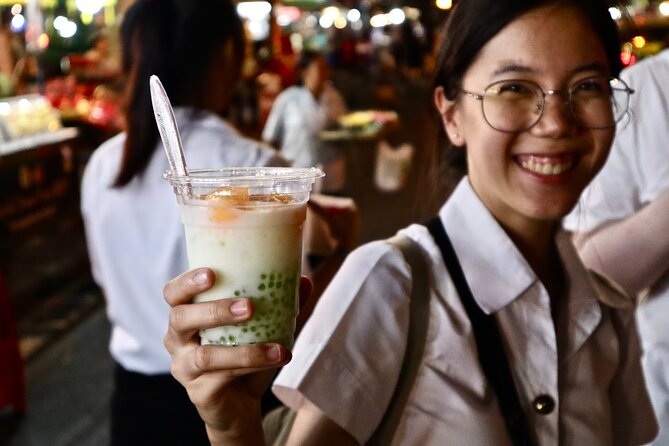
The food itself matters, but the guide determines how easy and enjoyable the evening feels. Jan receives the strongest praise. She is described as clear, friendly, funny, and deeply familiar with the neighborhood. She has also been praised for taking photos and videos, then sharing them after the tour.
That is useful if you are traveling alone or as a couple and want a few pictures without constantly handing your phone to strangers. One solo participant especially appreciated how Jan kept the small group moving between unusual food stops.
Ton brings a different strength. His background as a former monk gives him a natural connection to Buddhism and temple customs. If your guide is Jan, Ton, or someone else, the exact style may vary, but the experience is designed to include food explanations and local context.
A small group of 10 or fewer should make it easier to ask questions and hear the guide. The formal maximum is listed as 12, so the group may occasionally be slightly larger than the headline suggests. Either way, this is a more manageable size than a large coach outing.
Price, value, and what you are really paying for
At $46.99 per person, this is more expensive than buying individual street dishes on your own. That comparison is fair. Bangkok remains one of the world’s best cities for inexpensive food, and you can eat well for far less if you already know where to go.
The value comes from the organizing. You are paying for a guide who selects the stops, explains the dishes, handles the route, helps with substitutions, and keeps the evening moving. You also receive a built-in introduction to several parts of central Bangkok rather than one isolated restaurant meal.
The portions appear generous, with around nine or more substantial tastings reported during some evenings, plus smaller samples and drinks. Group discounts may improve the price for several people booking together.
I would call it good value for a first night in Bangkok, especially if you want someone else to make the food decisions. It is less compelling for an experienced Bangkok diner who already has a detailed list of favorite stalls and prefers to eat independently.
Practical advice before you book
Arrive hungry, but do not arrive dehydrated. Bangkok evenings can still feel hot, and one guide is praised for making sure the group stayed cool. Wear comfortable shoes because the tour is a walking experience, not a series of short vehicle transfers.
Tell the operator about dietary requirements before the tour. The menu includes seafood, pork, chicken, spicy dishes, dairy-like peanut sauce, fruit, and other ingredients, so last-minute requests may be difficult.
The menu changes by day. Tuesday through Sunday includes basil chicken, red-pork buns, satay, duck noodles, and black sesame dumplings, while Monday has a different selection. All tours include shrimp dumplings, papaya salad, and the secret dish, but the exact food still depends on venue availability and conditions.
You should also expect an active evening rather than a tightly timed restaurant reservation. The stated duration is about three hours, yet one account describes getting back to the hotel around 10:30 p.m. after the tour ran longer than expected. Since the official end point is the same as the meeting point, arrange your onward transport from there.
Free cancellation is available if you cancel at least 24 hours before the start time. Changes or cancellations inside that window are not accepted for a refund.
Who will enjoy this food walk most?
I would recommend it to first-time visitors who want a fast introduction to Bangkok’s food and central neighborhoods. It also suits solo diners, couples, and small groups who would rather have a local guide choose the stops than spend the evening translating menus and guessing at busy stalls.
It is a good match for adventurous eaters who like tasting several small dishes. You do not need to love every item. The point is to sample broadly, notice what works for you, and learn how dishes fit into Bangkok’s food culture.
I would be more cautious if you have strict dietary restrictions, dislike walking in crowds, or want an evening made up only of roadside street food. The tour includes sit-down meals and cultural stops, and the menu is not fixed.
Should you book it?
Book this Bangkok night food tour if you want a generous dinner with stories attached. Its best features are the small group, the Chinatown setting, the wide menu, and guides such as Jan who can turn a busy food route into a friendly evening.
Skip it if you already know Bangkok’s food scene well or want complete control over every dish and stop. For most first-time visitors, the $46.99 fee is reasonable because you are buying local judgment, not just plates of food. Arrive hungry, wear good shoes, and leave room for the secret dish.
FAQ
How long does the Bangkok by Night Food Tour last?
The tour lasts approximately three hours, although the actual evening can run longer depending on food stops, weather, and other circumstances.
Where does the tour start?
The meeting point is listed at Hua Lamphong, Rong Mueang, Pathum Wan, Bangkok 10330, Thailand.
Where does the tour end?
The activity ends back at the meeting point.
Is hotel pickup included?
No. Hotel pickup and drop-off are not included, so you need to make your own way to the starting point and arrange onward transport afterward.
How many people can join the tour?
The experience is presented as a small-group tour for 10 guests or fewer. The additional information lists a maximum of 12 travelers.
What food is included?
Depending on the day, tastings can include basil chicken with jasmine rice, shrimp dumplings, red-pork buns, papaya salad, satay, duck noodle soup, black sesame dumplings in ginger tea, stewed pork knuckle with rice, roll noodle soup, seasonal fruit, and a secret dish.
Does the menu change by day?
Yes. Tuesday through Sunday and Monday have different listed dishes. The menu can also change because of location availability, weather, and other conditions.
Can dietary requirements be accommodated?
You should contact the provider in advance with your dietary requirements so the team can try to arrange suitable options. The exact menu remains subject to change.
Just added in Bangkok
- Wonderful Pearl Dinner Cruise★ 3.5 · 27 reviews
- re:leaf spa and massage★ 4.0 · 10 reviews
- White Orchid Sunset Dinner Cruise Calypso Ladyboy Cabaret Show★ 4.0 · 10 reviews
- Yoga in the Park Thailand★ 5.0 · 12 reviews
- Visit Wat Pho and Wat Arun with Local Expert★ 4.0 · 14 reviews
- Visit temples in and around Bangkok with a former monk of 10 years★ 5.0 · 30 reviews
- 3-Hour Bangkok Walking Tour: Wat Pho and Wat Arun★ 5.0 · 102 reviews
- Miracle Bangkok Airport Lounges – Relax Before You Fly★ 3.0 · 32 reviews
Food Tours, compared.
Southern Flavors Phuket Food Tour with 15+ Tastings
Read our review →Bangkok Backstreets Food Tour with 15+ Tastings
Read our review →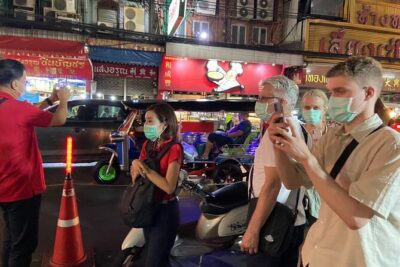
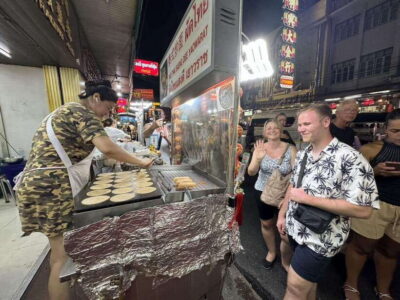
Bangkok Authentic Tasting Thai-Chinatown Walking Food Tour
Read our review →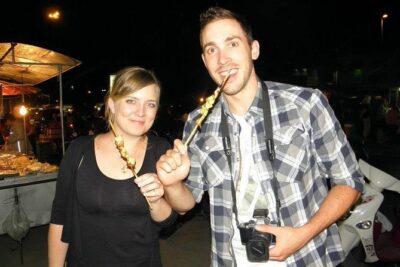
Small-Group Chiang Mai Evening Street Food Tour
Read our review →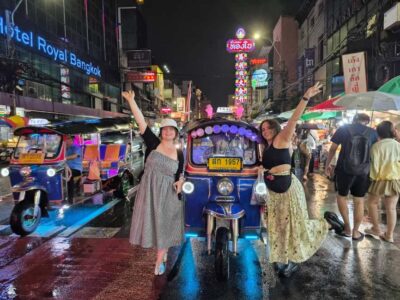
Tuk Tuk Adventure Chinatown Michelin Food & Temples
Read our review →Browse the lists this tour appears in