
Reviewed · 3-HOUR EXPERIENCES
Taste of Bangkok: A 3-Hour Chinatown Food Feast
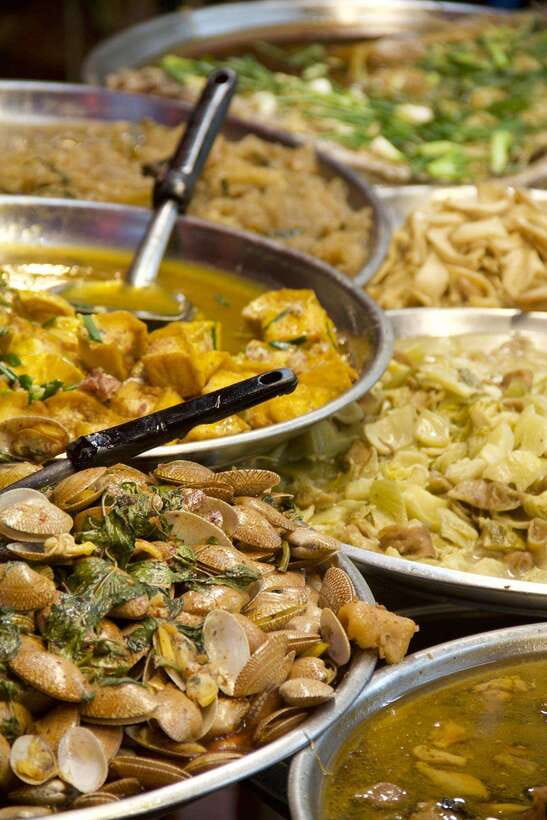
Follow your appetite through Bangkok’s Chinatown. This three-hour evening walk through Yaowarat combines more than 10 tastings, local food stories, and a visit to a Michelin-star food stall. I especially like the wide mix of savory bites, noodles, seafood, sweets, and drinks, along with the chance to try places you might miss alone. The small group, limited to eight people, also gives the guide room to adjust the pace and explain each dish.
The main consideration is the food itself: this is not a good fit for vegans, and vegetarians may have limited choices even though one guide successfully arranged vegetarian alternatives. Crowds, heat, and plenty of walking are part of Chinatown at night, too. Still, at $36 per person, the amount of food and personal guidance make this a strong-value introduction to Yaowarat.
In This Review
- Key points at a glance
- Starting at Wat Mangkon Kamalawat
- The first stretch of Yaowarat food
- Local stalls and lesser-known stops
- The Michelin food stall stop
- Chinese influence on Bangkok’s food
- Sweet dishes and a drink at the end
- Walking through Chinatown after dark
- Is $36 good value?
- Food restrictions and special requests
- Who will enjoy this food feast?
- Should you book it?
- FAQ
- How long does the Chinatown food tour last?
- Where does the tour begin?
- Where does the tour finish?
- How many foods will I taste?
- Is a Michelin food stall included?
- Is the tour suitable for vegetarians or vegans?
- Is hotel transportation included?
Key points at a glance
- More than 10 tastings: Expect a full evening of Thai-Chinese dishes, snacks, sweets, and drinks rather than one large meal.
- Michelin-recognized street food: The route includes an award-winning food stall, with some tours visiting more than one Michelin-listed stop.
- Small group format: A maximum of eight people makes it easier to ask questions and request help with food choices.
- Wat Mangkon to Chinatown Gate: The walk begins at Wat Mangkon Kamalawat and finishes at the Chinatown Gate.
- Guides make the difference: Guides named Na, Peak, and K helped explain dishes, handle food requests, and keep the evening moving.
- Come very hungry: Several people found the portions generous, with some tasting 15 or more foods.
Starting at Wat Mangkon Kamalawat
The meeting point is Wat Mangkon Kamalawat, also called Wat Leng Noei Yi, a practical place to begin exploring Bangkok’s Chinese quarter. You meet your English-speaking guide here before heading into the food streets.
This opening point adds useful context. The tour is not only a parade of snacks. Your guide explains how Chinese immigration shaped Bangkok’s food culture and how Chinese cooking methods and ingredients became part of everyday Thai eating.
I like this approach because Chinatown can feel confusing at first. Neon signs, narrow lanes, food carts, shopfronts, and crowds compete for your attention. Beginning with a guide gives you a clear starting point before the evening gets busier.
The group size matters here. With no more than eight people, you should be able to hear the guide without standing in a large cluster. Guides Na and Peak received especially strong praise for being warm, organized, and generous with explanations. One guide even prepared Thai-language notes for a visitor with a nut allergy, which shows how useful personal attention can be at food stalls.
A few more options to weigh up in Bangkok
- Bangkok: Damnoen Saduak Market and Maeklong Railway Market
★ 4.5 · 26,723 reviews - The Old Siam: Damnoen Saduak and Maeklong Railway Market
★ 4.5 · 10,992 reviews - From Bangkok: Ayutthaya Temples Guided Tour with Lunch
★ 4.7 · 10,535 reviews
The first stretch of Yaowarat food
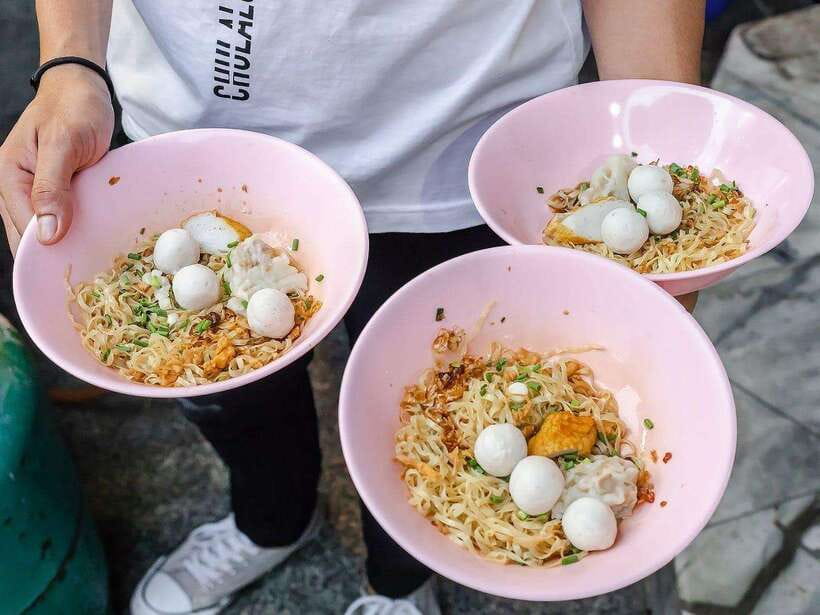
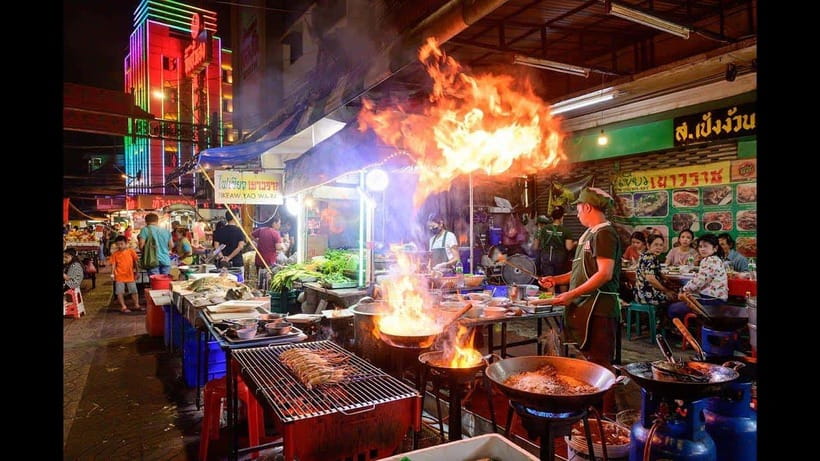
Once the walking begins, the tastings move through the everyday food culture of Chinatown. You can expect small portions of Thai-Chinese street food such as crispy spring rolls, barbecued meats, steamed dumplings, noodle dishes, stir-fried foods, and seafood.
The exact sequence can change. Street stalls do not operate like a fixed restaurant menu, and the guide may make spontaneous choices along the route. One person appreciated being asked if the group wanted to try extra foods from stalls they passed. That flexibility can make the tour feel more like eating with a local than following a rigid schedule.
The variety is the great strength. You are not simply eating several versions of pad Thai or repeating one kind of dumpling. The food moves between crunchy, soft, grilled, steamed, spicy, sweet, and refreshing. The portions are tasting-sized, but there are enough of them to make this a serious meal.
That also creates the main practical challenge: pace yourself. A guest who tried more than 15 foods advised arriving hungry and not eating a large meal beforehand. You might be tempted to finish every bite early, but saving room is wise because the sweets and later stops are part of the experience.
Local stalls and lesser-known stops
The best part of a guided Chinatown food walk is often what you do not find on your own. The route includes stalls and small food spots that local diners use, including places tourists may walk past without noticing.
You might try fragrant noodle soup, spicy seafood, grilled meats, or a snack that is difficult to identify from a menu. Your guide explains how the food is commonly eaten and may suggest sauces or chili according to your taste. That advice matters because Thai food can change dramatically with a spoonful of chili, vinegar, or sweet sauce.
One useful point from the feedback is that spice levels should be discussed clearly. Some dishes were served milder for the group, and one person would have preferred the option to eat certain foods at the vendor’s normal spice level. If you enjoy heat, tell your guide early. If you do not, say so before food is ordered.
The food is not presented as a polished restaurant tasting menu. You are eating from active street stalls in a busy neighborhood. That means noise, foot traffic, heat, and occasional waits are part of the setting. For me, that is also the point. You see the food being prepared where it is sold, with Chinatown’s evening life happening around you.
The Michelin food stall stop
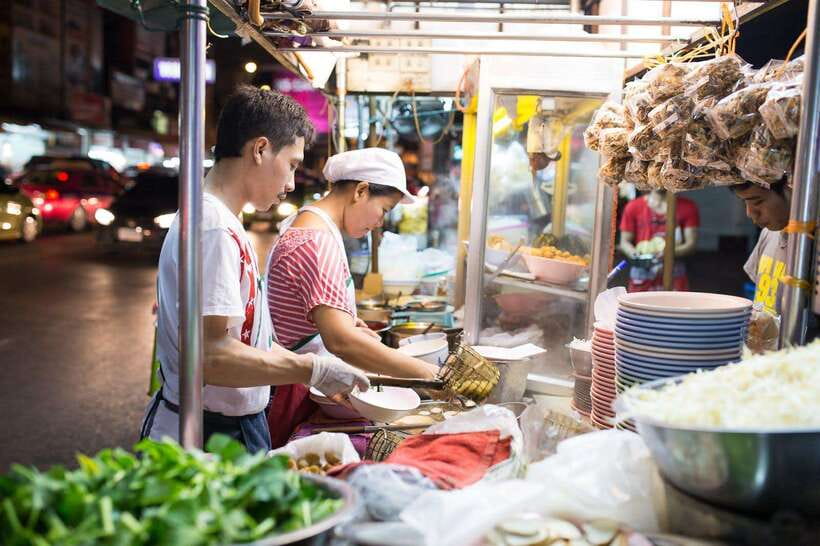
A featured stop at a Michelin-star food stall gives the evening a clear highlight. This is a chance to taste a specialty that earned wider attention while still being served in the informal street-food setting that defines Yaowarat.
Some accounts of the experience describe two Michelin street-food stops, while another refers to three Michelin-star vendors. The safest expectation is that the tour includes at least one Michelin-recognized stall, with the precise number depending on the route and evening.
This stop is valuable because it shows that street food can have both local roots and international recognition. You are not leaving the neighborhood for a fancy dining room. You are trying a celebrated dish in the same kind of setting where Bangkok residents eat quick, flavorful meals.
Do not treat this as a full restaurant reservation or a private chef experience. The appeal is the contrast between reputation and setting. A famous dish may arrive at a simple stall, surrounded by signs, scooters, tables, and the steady movement of Yaowarat.
A completely different kind of day out:
- Bangkok: Train Market & Floating Market with Boat Ride
★ 4.7 · 9,547 reviews - Bangkok Canal Tour: 2-Hour Longtail Boat Ride
★ 4.5 · 5,909 reviews - Bangkok: Muay Thai Boxing Tickets at Rajadamnern Stadium
★ 4.9 · 4,740 reviews - Bangkok: White Orchid Chao Phraya Dinner Cruise free Beer
★ 4.4 · 4,573 reviews
Chinese influence on Bangkok’s food
The guide’s stories give the food a wider meaning. Chinese immigrants helped shape Bangkok’s markets, cooking traditions, noodle dishes, dumplings, roast meats, desserts, and restaurant culture. In Chinatown, those influences are not confined to a museum or historical display. They appear on the plate.
I value this kind of explanation because food can otherwise become a checklist. You taste a steamed dumpling, then another snack, then a bowl of noodles, without understanding why the neighborhood has such a distinct style. The guide connects the dishes to the people and traditions that helped create Yaowarat’s food scene.
The tour also shows how Thai and Chinese traditions have changed over time. Food stalls may use familiar Chinese techniques while serving flavors shaped by Bangkok tastes. That combination is one reason the area feels different from a standard Thai food tour.
Guides with personal ties to Chinese or Southeast Asian heritage can add another layer. One guide’s Vietnamese and Chinese background helped bring a family connection to the places visited. That does not guarantee the same guide on every date, but the experience benefits when the person leading it can explain the food in personal and cultural terms.
Sweet dishes and a drink at the end
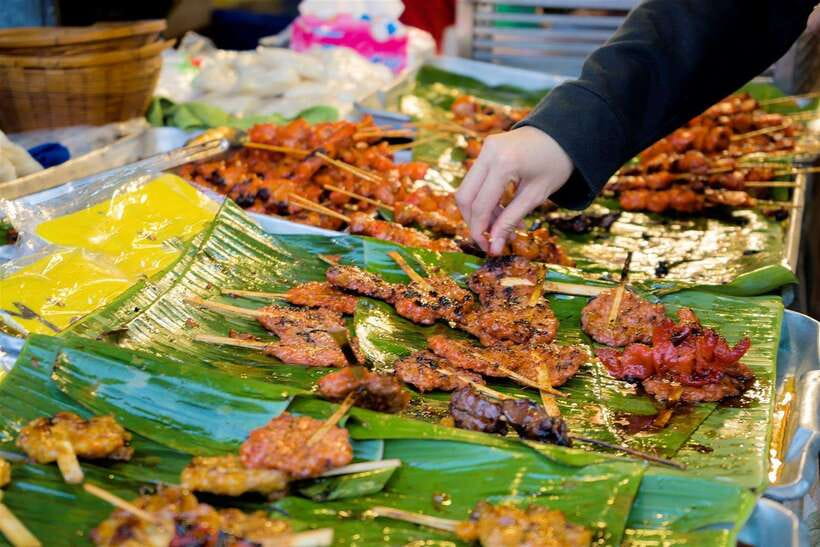
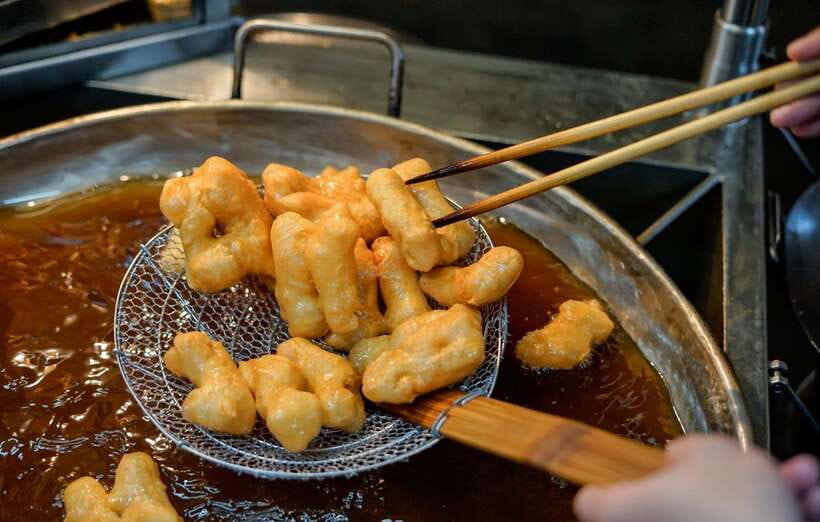
The evening finishes with traditional Chinese desserts and snacks. Expect possibilities such as freshly made buns or local-style pancakes, along with a refreshing drink.
This sweet finish gives the tour a better rhythm than an endless run of savory plates. After grilled meat, noodles, dumplings, and seafood, something soft or sweet helps reset your palate. One version of the experience also ended with a drink at a small bar, and another included a hidden bar with inexpensive mixed drinks. Since the route can vary, consider that an occasional extra rather than a guaranteed feature.
The dessert stop is also a good reminder not to fill up too soon. A three-hour food tour can feel manageable at the start, then surprisingly substantial by the final tasting. Small portions do not always mean a small meal when the count reaches 10, 15, or more samples.
Walking through Chinatown after dark
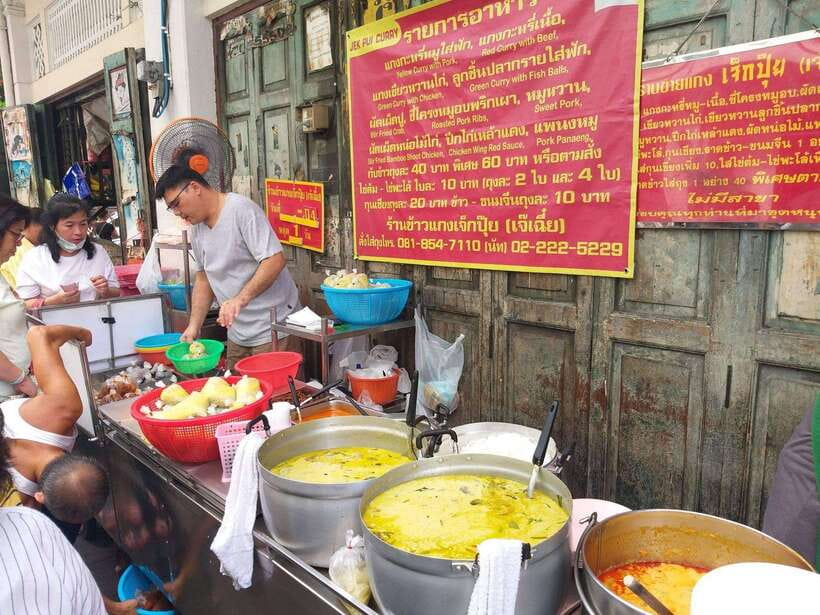
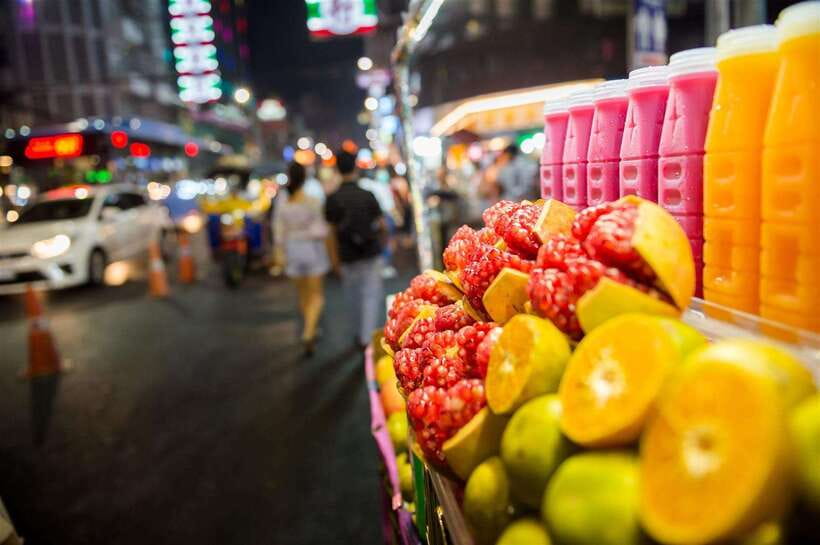
Yaowarat changes character in the evening. Neon signs light the streets, food aromas drift through the air, and the sidewalks fill with people moving between shops and stalls. The Chinatown Gate marks the official finish, giving you a recognizable place to continue your night or arrange your next ride.
The atmosphere is a major part of the price. You are paying not only for food but also for a guided walk through one of Bangkok’s most exciting eating districts. A guide helps you cross between stops, keeps the group together, and removes some of the stress of choosing from dozens of unfamiliar stalls.
Still, this is not a quiet stroll. Weekend crowds can be especially thick, and the streets may feel difficult if you dislike close quarters or walking. Wear comfortable shoes, keep your belongings secure, and expect to spend the full three hours on your feet with food breaks along the way.
Hotel pickup and drop-off are not included. You need to reach Wat Mangkon Kamalawat yourself and make your own way onward from Chinatown Gate. That is a small inconvenience, but it matters when planning your evening.
Is $36 good value?
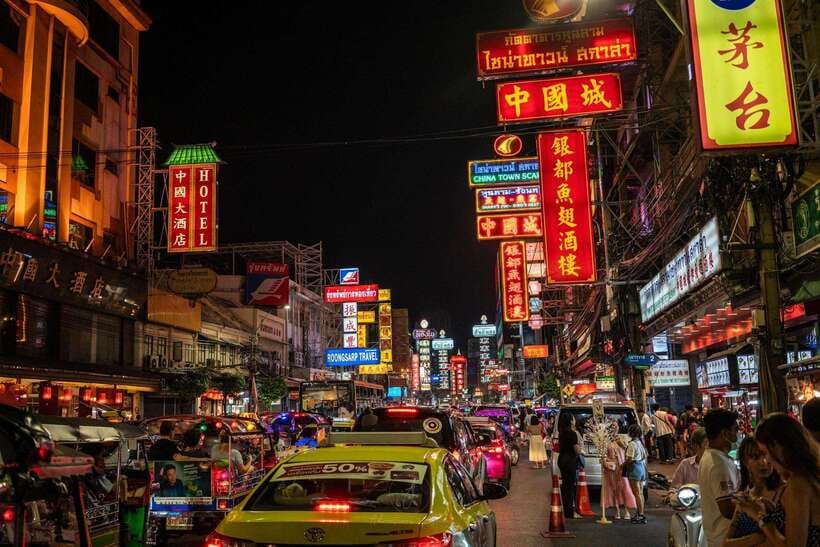
At $36 per person, this tour offers solid value if you want a meal-sized sampling of Yaowarat rather than one restaurant dinner. You receive a local guide, a walking tour, bottled water, and more than 10 food samples. Some guides have offered 15 or more tastings, though you should not assume every departure includes exactly the same number.
The Michelin stop adds value, but I would not book this solely for the award-winning dish. The stronger reason is the combination of quantity, variety, neighborhood context, and help navigating the food stalls. A solo visitor may find the guide especially useful, since you can sample more foods without ordering full portions at every stop.
The small group also improves the value. A maximum of eight people is intimate enough for questions and food requests, while still giving you the social feel of a shared evening. One family brought three children, and the guide made an effort to include them, even when they were cautious about unfamiliar dishes.
There are limits. If you already know Yaowarat well, you may prefer to choose your own stalls and set your own pace. You also might find the tour less useful if you want long sit-down meals, exact control over spice, or a highly fixed schedule.
Food restrictions and special requests
This experience is not suitable for vegans or vegetarians according to the stated restrictions. One vegetarian participant did receive alternatives, so some flexibility may exist, but you should not rely on a full vegetarian menu.
The tour may not accommodate every dietary restriction. If you have an allergy, tell the provider before booking and speak with the guide at the start. The thoughtful handling of a nut allergy, including separate plates and Thai-language allergy notes, is encouraging, but it does not remove the need for caution.
Spice preferences should also be explained early. The guide can ask vendors to reduce the heat, but you can request regular spice levels if that is what you want. Food is often served in shared tasting portions, so clear communication helps the guide plan the best possible route for the group.
Who will enjoy this food feast?
I would recommend this tour to first-time visitors who want a fast, flavorful introduction to Bangkok’s Chinatown. It suits solo visitors, couples, small groups, and families with older children who can manage a long evening walk and unfamiliar foods.
It is also a good choice if you are nervous about ordering street food alone. The guide explains what you are eating, points out local favorites, and helps you move through a district that can seem overwhelming.
You should think twice if you dislike crowds, walking, spicy food, or eating from several different stalls. Vegans should skip it, and vegetarians should confirm available alternatives before paying. People who prefer a calm dining room and a predictable menu will be happier elsewhere.
The cancellation terms are traveler-friendly: you can cancel up to 24 hours ahead for a full refund, and you can reserve now and pay later. Starting times vary, so check the available departure when you choose your date.
Should you book it?
Book this Chinatown food tour if you want quantity, variety, and local guidance for $36. The strongest features are the more than 10 tastings, the Michelin food stall, the small group, and guides such as Na and Peak who have been praised for warmth, humor, cultural explanations, and careful handling of dietary needs.
I would arrive genuinely hungry, wear comfortable shoes, and tell the guide about spice preferences or allergies before the first dish. If you want to experience Yaowarat’s evening energy without guessing where to eat, this is an easy recommendation.
Skip it if you are vegan, need complete control over every ingredient, or find crowded streets unpleasant. For everyone else, it offers a generous and practical taste of Bangkok’s Chinatown, with enough food to make dinner unnecessary afterward.
FAQ
How long does the Chinatown food tour last?
The tour lasts three hours and takes place in the evening.
Where does the tour begin?
It begins at Wat Mangkon Kamalawat, also known as Wat Leng Noei Yi.
Where does the tour finish?
The walking tour finishes at the Chinatown Gate.
How many foods will I taste?
You will taste more than 10 different dishes and snacks. Some departures have included 15 or more foods.
Is a Michelin food stall included?
Yes. The experience includes a stop at a Michelin-star food stall. The exact number of Michelin-recognized stops may vary by route.
Is the tour suitable for vegetarians or vegans?
It is listed as not suitable for vegans or vegetarians. Some alternatives may be available, but not every dietary restriction can be accommodated.
Is hotel transportation included?
No. Hotel pickup and drop-off are not included. You must reach the starting point and leave from the Chinatown Gate independently.
Just added in Bangkok
- Wonderful Pearl Dinner Cruise★ 3.5 · 27 reviews
- re:leaf spa and massage★ 4.0 · 10 reviews
- White Orchid Sunset Dinner Cruise Calypso Ladyboy Cabaret Show★ 4.0 · 10 reviews
- Yoga in the Park Thailand★ 5.0 · 12 reviews
- Visit Wat Pho and Wat Arun with Local Expert★ 4.0 · 14 reviews
- Visit temples in and around Bangkok with a former monk of 10 years★ 5.0 · 30 reviews
- 3-Hour Bangkok Walking Tour: Wat Pho and Wat Arun★ 5.0 · 102 reviews
- Miracle Bangkok Airport Lounges – Relax Before You Fly★ 3.0 · 32 reviews
3-Hour Experiences, compared.

3 Hour Old City and Temples Guided Walking Tour
Read our review →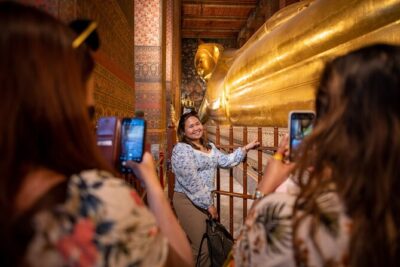
3-Hour Bangkok Walking Tour: Wat Pho and Wat Arun
Read our review →
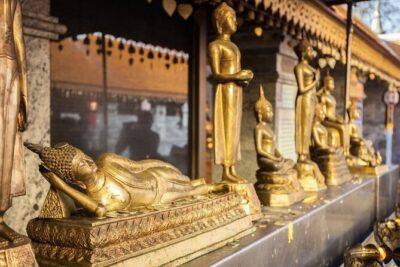
Doi Suthep Temple Tour by Local Red Car 3 Hour Adventure
Read our review →
No.1 Chiang Mai: 3-Hour Monk Trail Hike to Wat Doi Suthep & Palad
Read our review →
Grand Palace & Wat Arun Immersive Guided Walking Tour 3-Hour
Read our review →
Chiang Mai Old City & Temples 3 hour Twilight Walking Tour
Read our review →
Browse the lists this tour appears in